
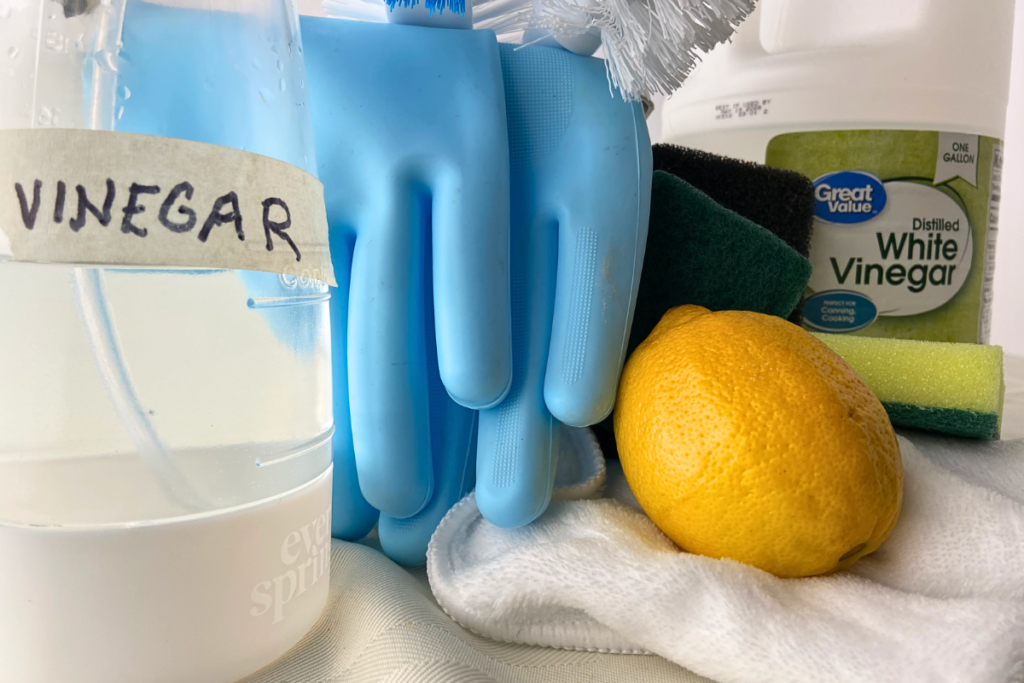
7 Simple and Safe Vinegar Cleaning Hacks for Your Home
Can you believe the number of cleaning products on the shelves of your grocery store or home improvement center?
Each product boasts of special cleaning powers perfected through trial and error until a miraculous cleaning product appeared that could change lives. One product that I won’t mention by name actually required more than 400 permeations until the chemists in the lab found the formula they liked.
Vinegar Can Clean Quite A Few Things
Funny thing is that when I walk past those shelves and brightly colored bottles with catchy, tenacious-sounding names, I see that upon closer inspection for most of the products there isn’t a thing they can do that can’t be accomplished with a mixture of white vinegar and water.
So, if, like me, you’ve ever stood in the cleaning aisle staring at a wall of sprays with tongue‑twister ingredients, this page is for you. At ATV, vinegar is the household-cleaning workhorse that can help you cut grease, tame hard‑water stains, and freshen laundry without introducing harmful chemicals into the environment.
What to Never Clean with Vinegar
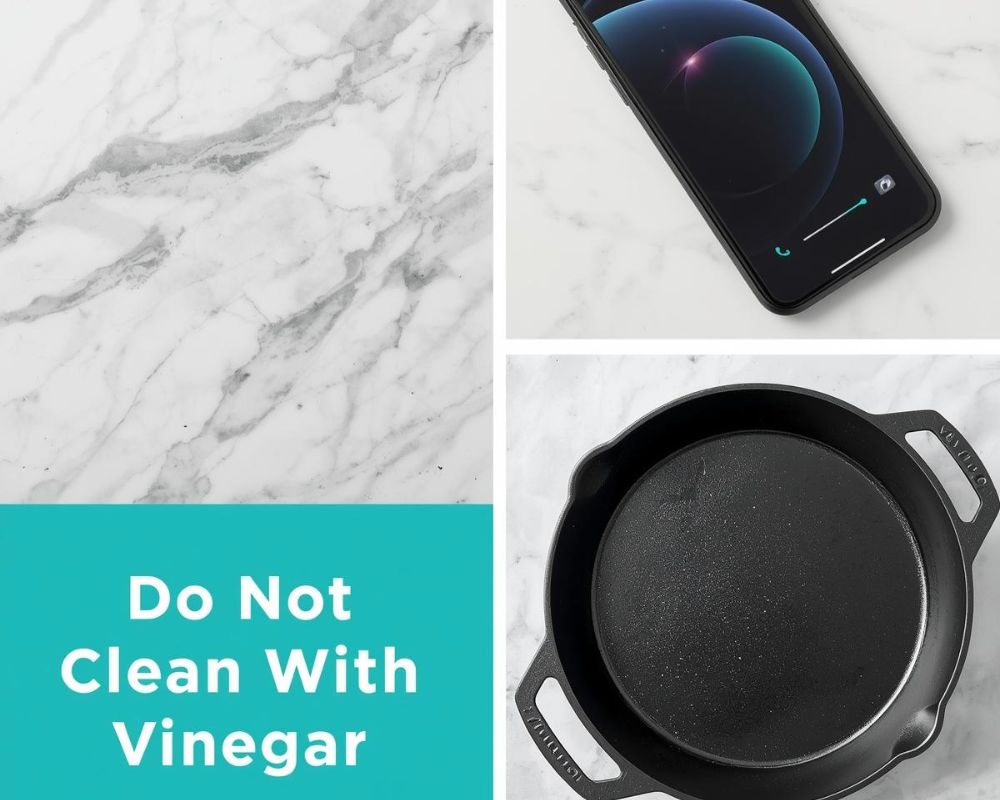
While vinegar is a non-toxic powerhouse, its high acidity means it isn’t a “one-size-fits-all” solution. To help you avoid a “miss” that could lead to permanent damage, here are the surfaces you should never clean with vinegar:
- Natural Stone (Marble, Granite, Limestone): The acid in vinegar will “etch” or eat away at the surface of natural stone, leaving permanent dull spots or pits.
- Finished Wood Surfaces: While great for some floors, the acid can eventually break down the protective finish on fine wood furniture or certain waxed floors, leaving them looking cloudy.
- Electronic Screens: Never use vinegar on your smartphone, tablet, or laptop screen. It can strip away the oleophobic (oil-resistant) coating that prevents fingerprints.
- Egg Messes: This is a classic “screw-up.” If you drop an egg, don’t reach for the vinegar. The acid causes the egg proteins to coagulate, turning the mess into a sticky glue that is much harder to clean.
- Cast Iron & Aluminum: Vinegar can cause pitting and reactive damage to these metals. Stick to mild soap and water for your favorite skillet.
- Rubber Parts (Long-term Exposure): While great for a quick rinse in the dishwasher or washing machine, avoid soaking small rubber gaskets or seals in high-concentration vinegar for extended periods, as it can cause some types of rubber to become brittle.
Your Choice of Vinegar Also Matters
White distilled vinegar (about 5% acetic acid) is the hero for these hacks. Cleaning‑strength vinegars (6–10%) and industrial 20–30% products exist, but those are much stronger and need heavy‑duty precautions—great for stripping mineral deposits outside, not so great for everyday kitchen counters.
Warning: Never Mix Vinegar with Bleach or Ammonia!
Safety First: Vinegar is not a hospital‑grade disinfectant and should never be mixed with bleach or products containing chlorine or ammonia. Combining an acid with bleach creates toxic chlorine gas—a dangerous chemical reaction that has no place in a natural home.
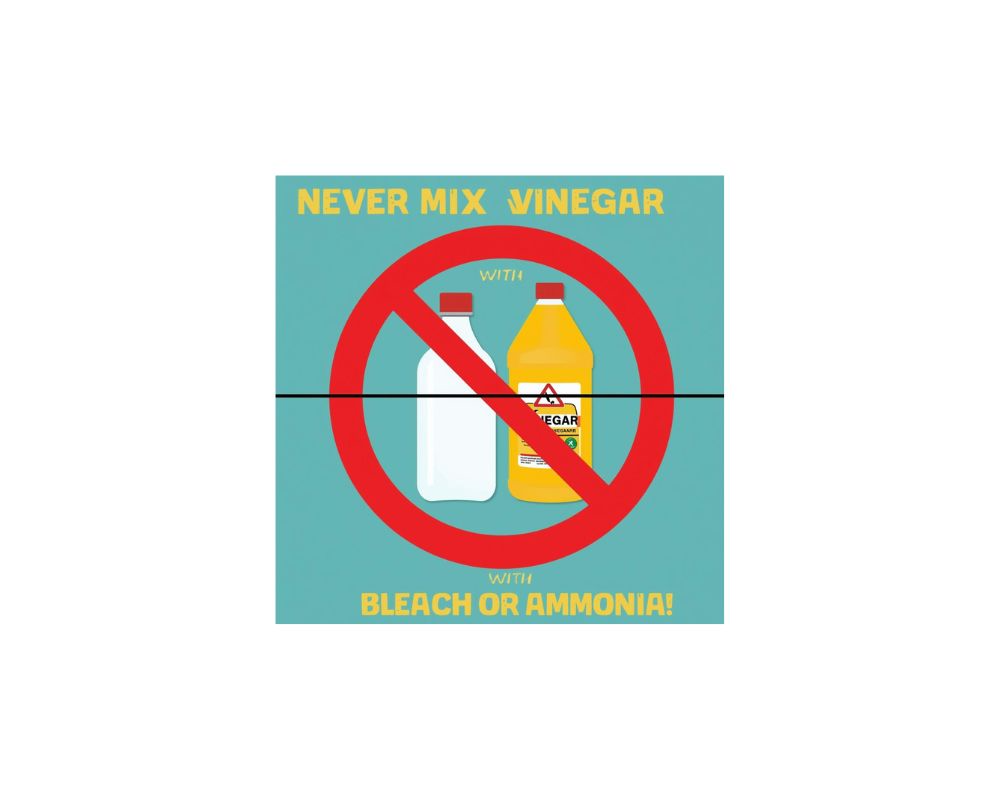
So please remember this: Never mix vinegar with bleach. This is one “All Things Vinegar” rule we never break.
For more on how vinegar’s acidity works in food preservation and safety, see The Science of Vinegar Fermentation.
The Best Vinegar for Household Cleaning
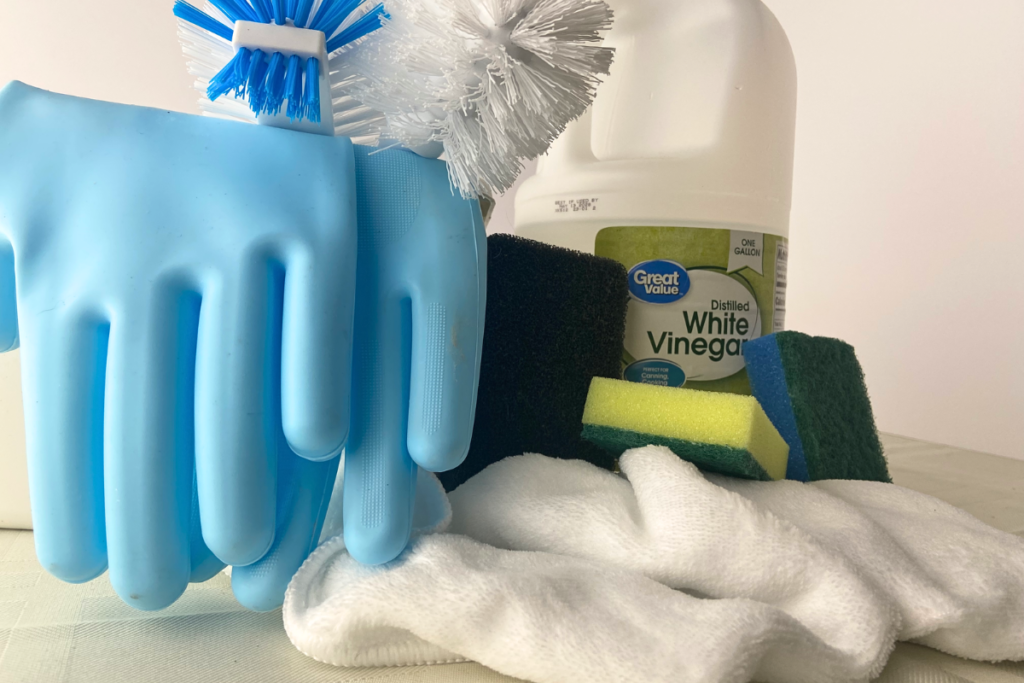
When it comes to the “7 Safe and Easy Vinegar Cleaning Hacks,” your best friend is the humble, gallon-sized plastic jug of distilled white vinegar. I keep one in the laundry for big jobs. While we often prioritize glass bottles and artisanal sourcing for our food and health recipes to avoid potential chemical leaching, those concerns aren’t a factor here. For scrubbing a microwave or refreshing a dishwasher, the simple, inexpensive white vinegar found in the cleaning aisle is the gold standard for getting the job done without breaking the bank. Actually, it’s more than inexpensive, it’s jaw-droppingly cheap which is just one of many reasons simple white vinegar is a cleaning powerhouse.
While it is technically possible to use other varieties like apple cider or red wine vinegar, I generally advise against it for household chores. These specialty vinegars contain natural sugars, tannins, and colorants that are wonderful for a salad dressing but can leave behind a sticky residue or even stain light-colored surfaces and fabrics. Stick to the clear, high-acidity white vinegar, a glass spray bottle and microfiber cloth to ensure your surfaces sparkle without any accidental “leftovers” from the cleaning process.
If you’re new to vinegar, my Vinegar 101 Guide explains the difference strengths and when and how to use safely.
Cleaning Vinegar v. White Vinegar: Which Should You Use?
Standard white vinegar typically has an acidity level of 5%. “Cleaning vinegar” is generally slightly stronger, usually at 6% acidity. That 1% difference in acidity makes cleaning vinegar roughly 20% stronger than household vinegar, allowing it to tackle tougher mineral deposits or grime more quickly.
In addition, White vinegar is produced to food-grade standards, making it safe for consumption in recipes and pickling. Cleaning vinegar is not always processed to these same food-safety standards and may contain impurities or even added scents that make it unsuitable for eating.
Since white vinegar is up to most cleaning tasks, plus I can use it for pickling and some mild sauces, I usually opt for dependable, affordable white vinegar. For pickling and food uses, always start with the food-safe guidance found in Vinegar and Pickling Basics. Here’s a chart to guide your decision.
Safety Tip: It’s best to note that when cleaning with either white vinegar or cleaning vinegar caution should be used at all times. When using a spray bottle as acetic acid is also an eye and lung irritant, so always use in well-ventilated rooms and spaces to clear the air quickly of the acetic acid.
My Simple and Safe Vinegar Cleaning Toolkit
Therre are certain items I always have on hand when I tackle cleaning chores around the house.
- Distilled white vinegar in gallon jug – This is the workhorse I reach for when I’m cleaning around the house, and especially in the bathroom where there’s alway a spray bottle on hand under the sink.
Measuring Cup – Guessing “about a cup” of vinegar is an easy way to overdo it. A little measuring cup or a clearly marked pour bottle makes it simple to add the right amount to your rinse compartment every time without splashing all over the place. - Cleaning Bucket – I like buckets that make it easy to pour out contents.
- Microfiber Floor Mop – I like a mop that comes with resuable washable mop pads
Essential Oils – Have fun experimenting with different oils that can lift your spirits and give your bathroom a pleasing scent.
Glass Spray Bottle – I like keeping a smaller, easy‑to‑grab spray bottle of vinegar in the bathroom for special stains and uses.
Microfiber cloth – These absorbent cloths are non-abrasive and can tackle most cleaning jobs.
Rubber gloves – Protect your hands from the mild acetic nature of vinegar.
The Seven Vinegar Simple and Safe Cleaning Hacks
Hack 1: The Mineral Dissolver foe Calcium & Lime
The Dilemma: Hard water contains absorbed levels of dissolved calcium and magnesium that build up on faucets, sinks, and on tea kettles, water heaters, and hot water taps resulting in white crusty patches at the base of faucets or around spouts. Mineral deposits can also clog showerheads and lead to uneven spray or reduced water pressure.
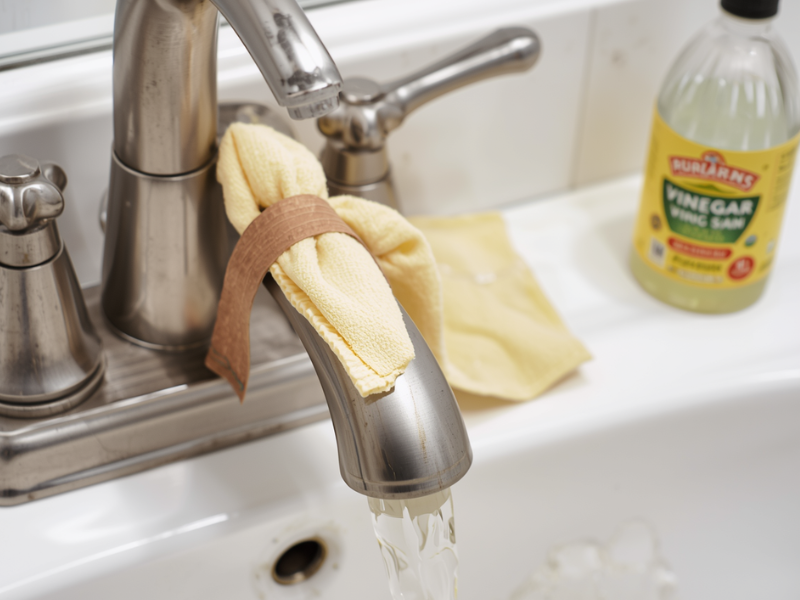
The Hack: Vinegar’s acetic acid is a natural “chelator,” meaning it binds to minerals and breaks down that calcium and lime without the need for scrubbing.. Soak a reusable cloth in white vinegar, wrap it around the faucet, and secure it with a silicone band for 30 minutes. The buildup will wipe right off.
Hack 2: The Natural Degreaser for Oily Surfaces
The Dilemma: Cooking with fats or oils — whether you are sautéing, frying, or even roasting —the high heat causes microscopic droplets of oil to become airborne and eventually settle on small appliances like toasters and blenders and form a sticky film.
The Hack: While vinegar is a mild acid, it is surprisingly effective at cutting through the greasy film that accumulates on kitchen appliances. Use a 1:1 mix of vinegar and water to wipe down the top of your stove or the outside of your microwave after a heavy cooking session with a soft microfiber cloth.
Hack 3: The Window & Mirror Polisher
The Dilemma: Even in the cleanest of homes, windows and mirrors are constantly collecting residue from indoor pollution like cooking oils and aerosols and natural body oils whenever touched or handled. These attract pollen, pet dander, and dust that circulate in the air.
The Hack: Mass‑produced glass cleaners often rely on ammonia. Vinegar offers a low‑tox way to make surfaces sparkle without the streaks. Mix 2 cups of water with 1/2 cup of white vinegar in a reusable glass spray bottle, then wipe with a soft microfiber cloth for a lint‑free, crystal‑clear finish.
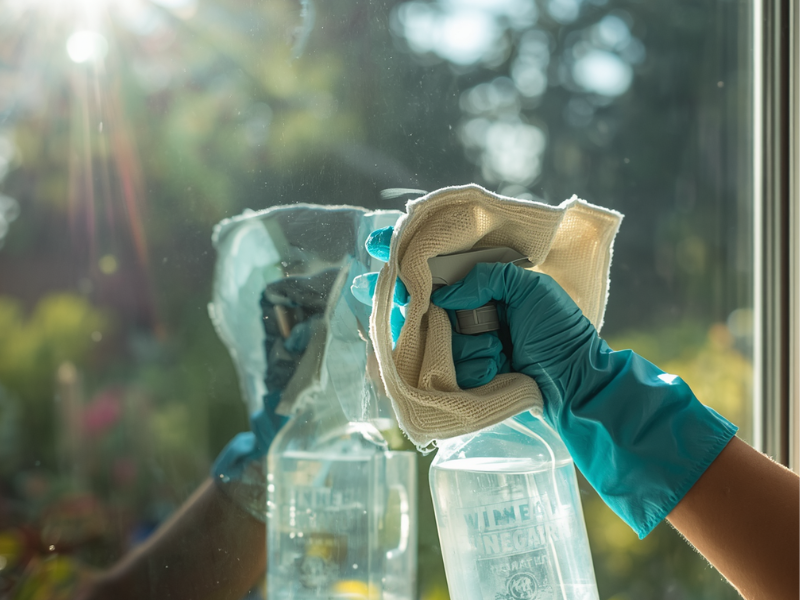
Tip: If you’re just getting started with vinegar cleaning, I keep this simple glass spray bottle and a stack of lint‑free microfiber cloths under the sink so I can mix a fresh batch in seconds.
Hack 4: The Environmentally Kind Garden Weed Killer
The Dilemma: Maintaining a garden is a constant battle against weeds. Mass-produced herbicides often contain unpronounceable chemical ingredients that result in soil and water contamination, exposure of family and pets to residual chemicals, and potential death of beneficial insects that protect and pollinate plants.
The Hack: Vinegar isn’t just for the kitchen; its high acidity makes it an effective, environmentally friendly way to kill weeds in sidewalk cracks. Spray undiluted white vinegar directly onto weed leaves on a sunny day. The acid burns the plant tissue quickly.
Hack 5: The Dishwasher Refresher
The Dilemma: A source of moisture, warmth, darkness, and a constant food source, your dishwasher is one of the most concentrated areas for scum and mold buildup in the house and a perfect environment for harmful microbial growth.
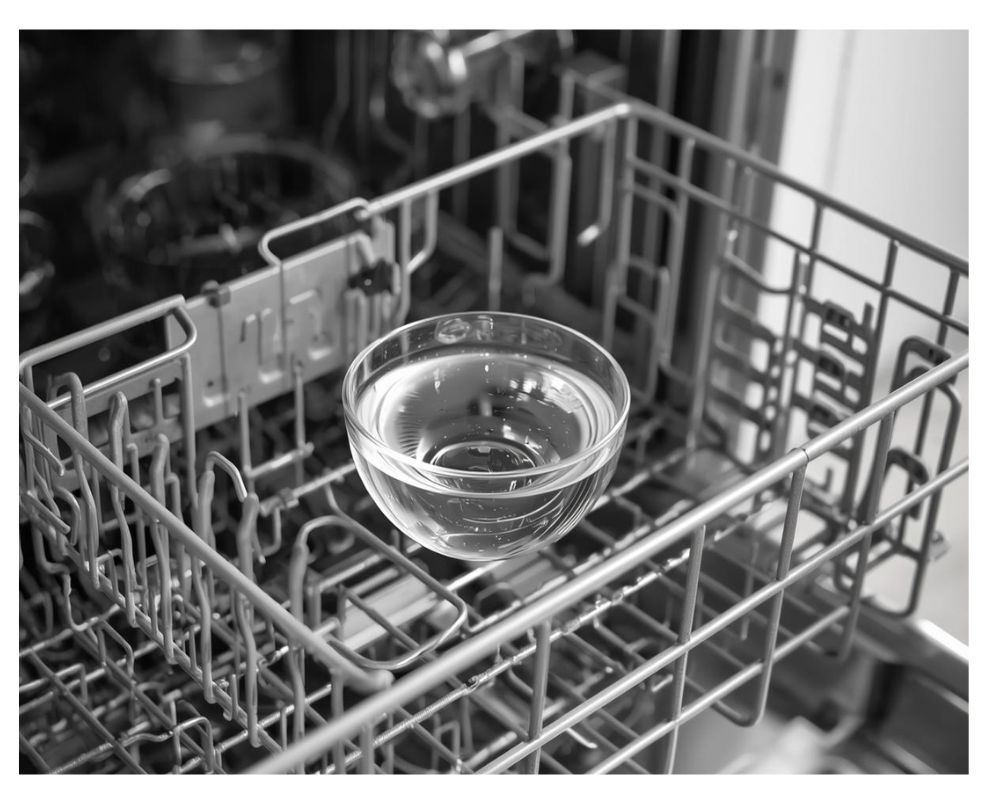
The Hack: Vinegar neutralizes odors, cleans gaskets and drain seals, and clears out the internal lines. Place a dishwasher-safe bowl filled with 1 cup of white vinegar on the top rack and run a hot cycle (no detergent).
A Little Bit of Shocking News
A study published in Pathogens found that 70% of dishwashers harbor some variety of fungi, mold, or yeast. Unlike many microbes, these species are “opportunistic” and can survive the high temperatures and harsh salts found in many detergents.
Sidebar: A shocking study in Medical Mycology found that 62% of dishwashers harbor some variety of fungi, mold, or yeast. Unlike many microbes, these species are “opportunistic” and can survive the high temperatures and harsh salts found in many detergents.
Hack 6: The Microwave Steam-Cleaner
The Dilemma: The “micro-explosions” caused by the rapid heating from the inside of microwaved food can burst and splatter onto the sides and tops of your microwave. If left uncleaned, over time residual oils can overheat and damage your microwave.
The Hack: Cleaning baked-on food splatters is my least favorite chore—until I started using the steam method. Place a dishwasher-safe bowl with equal parts water and vinegar inside the microwave. Run it for 5 minutes. The steam loosens the grime, allowing you to wipe it away with zero effort.
Hack 7: The Laundry Softener & Brightener
The Dilemma: Chemical buildup and detergent residue buildup over time and bond to fabric fibers to make clothes, towels, and sheets appear “grayed out” and feel stiff. Bacteria can cause lingering “musty” smells that store-brought cleaners only mask.
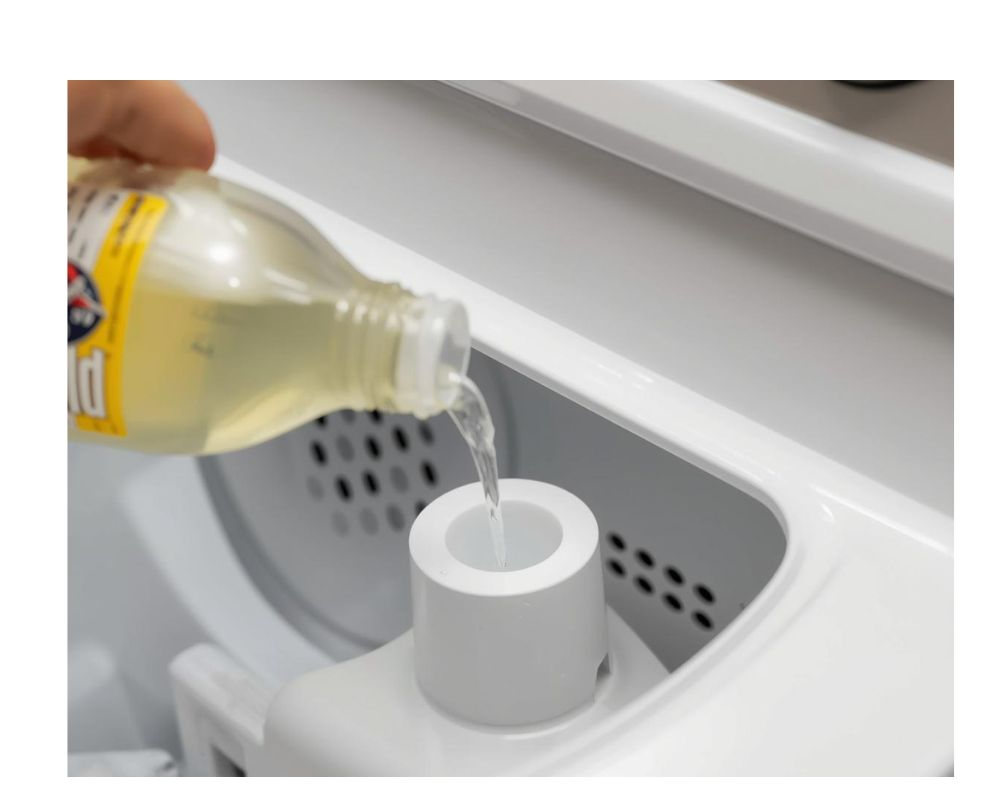
The Hack: Vinegar helps break down the detergent buildup that makes clothes feel stiff and look dingy and eliminates clingy odors. Add 1/2 cup of white vinegar to your fabric softener dispenser. If your washer doesn’t have a dispenser, a simple laundry dosing ball that dispenses vinegar works well. It neutralizes odors and leaves cotton bathroom towels feeling fluffier without synthetic fragrances.
Learn More About Vinegar and Its Many Uses
- Curious about the chemistry? Read our page on the Science of Fermentation and Pickling to see how acetic acid works its magic.
- Interested in other inexpensive, easy, and safe ways vinegar clean around the house, garage, and auto? Search our blogs for the perfect solution.
- Get the “Mother” of all newsletters: Join our community for weekly cleaning shortcuts, recipe experiments, and the latest research on vinegar’s health benefits.