

Vinegar – Trusted and Treasured Through the Ages
It would be difficult to find a civilization or culture that prospered throughout time in which vinegar did not play a prominent and sometimes necessary role in the daily lives of its citizens.
Mesopotamia and Babylon – In the cradle of civilization, people used vinegar to preserve foods and slow the rotting of stored foods. They introduced flavored vinegars into their diet to improve taste and improve digestion.
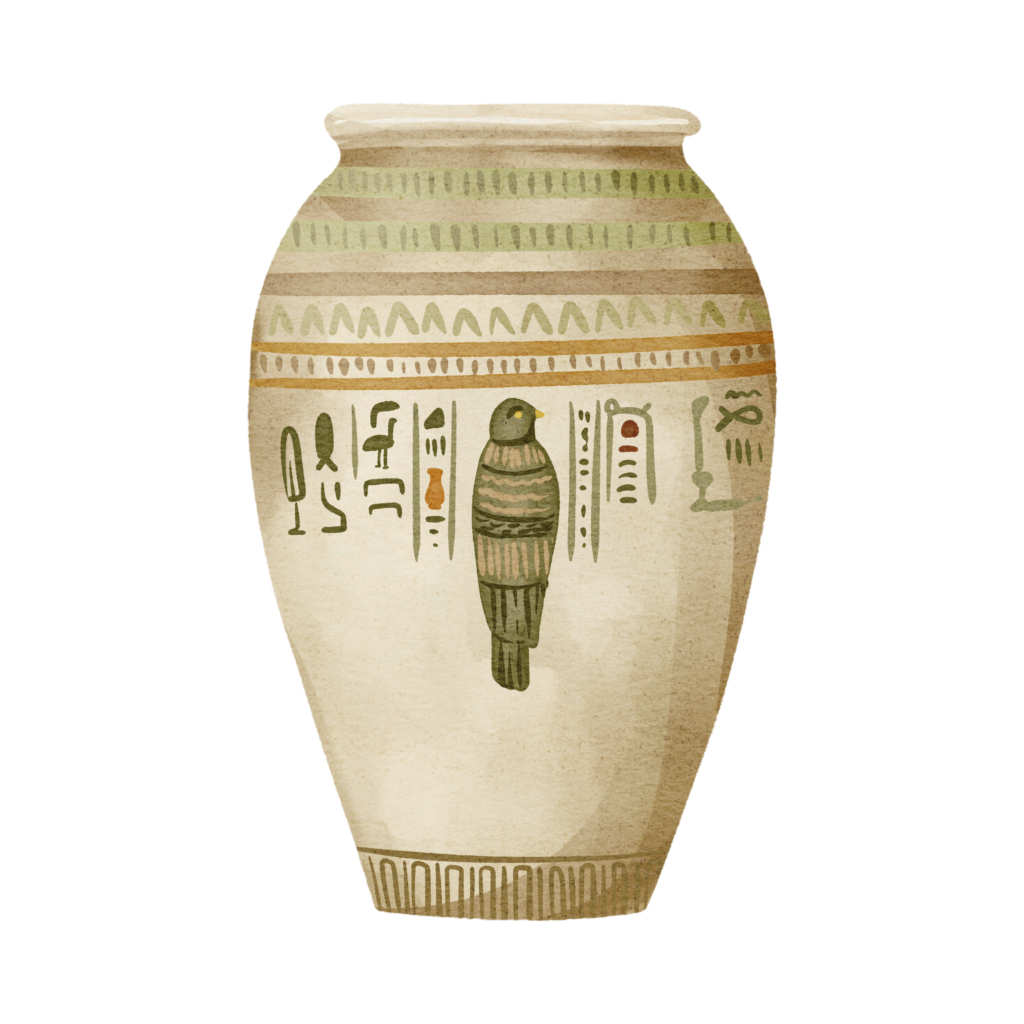
Ancient Egypt – Citizens living during the reign of pharoahs enjoyed fruits and vegetables pickled with vinegar that could be stored for long periods and carried over long distances in hot climates. Jars of vinegar found in Egyptian tombs indicate they expected to need it in the next world as well.

Ancient Greece – “The Father of Medicine”, Hippocrates, prescribed mixtures called oxymels (still enjoyed today through countless recipes) to treat respiratory ailments. Everyday Greeks diluted it with water and fruits for a refreshing, tangy beverage which may have been the first sports drink.

Ancient Rome -Roman soldiers developed a drink they called “posca” by mixing water with wines and herbs to keep them refreshed on long marches. They also used vinegar concoctions to treat wounds and enhance the flavor of foraged and often unfamiliar food found in conquered regions.
Ancient China – Food and drink prepared and preserved with vinegar was integrated into important ceremonies and served at important functions and banquets. Traditional Chinese medicine combined dark vinegars with herbs to treat digestive ailments and bronchial congestion.
Ancient Israel in Biblical Times – Refreshing drinks made with vinegar were an everyday refresher on hot days and popular among the poor and workers and often served to laborers. Vinegar was among the beverages, along with wine and strong drink, forbidden by ancient Israelites taking a Nazirite vow.
Persian and Islamic Civilizations – Early Islamic literature reveals that vinegar was an important component for diet-based treatments to regulate appetite and help with digestive complaints, while vinegar-based pickles and relishes became an integral part of their cuisine.
Medievel Europe – Vinegar was widely used for pickling vegetables and fish to last throughout long, often harsh winters and for sustenance on long journeys and pilgrimages. Vinegar concoctions became particularly effective as a disinfectant and body wash during plague outbreaks. The most famous use was by grave robbers hoping to avoid contamination and called Four Thieves Vinegar because of its effectiveness.
Renaissance and Early Modern Europe – During the Renaissance, vinegar creation grew into a popular and very specialized trade as production became more refined and new styles of vinegar, like balsamic, were introduced and enjoyed. Vinegar’s versatility made it effective for cooking, household cleaning and, when enhanced with aromatic perfumes, used to get rid of unpleasant odors.
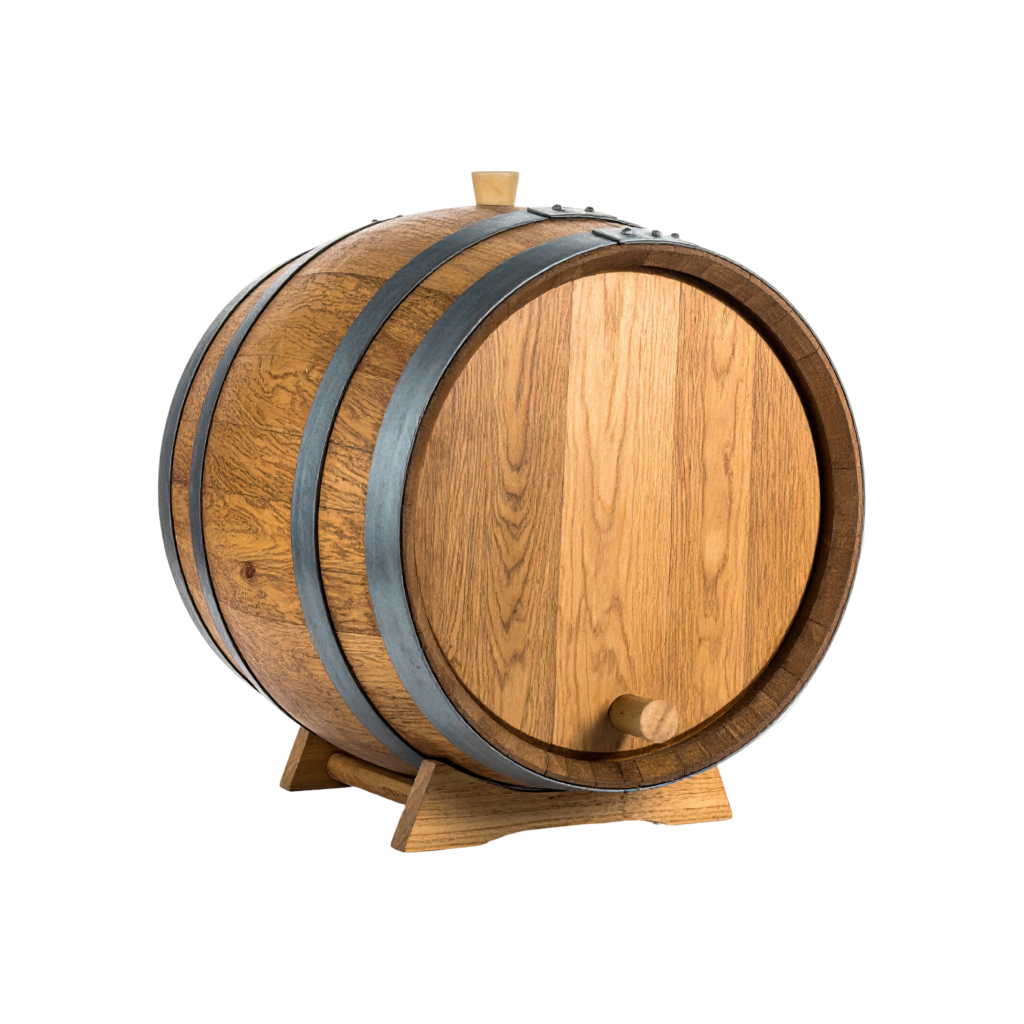
Industrial-Age Europe – New methods of fermentation and the introduction of more efficient ways to mass produce vinegar helped spread malt vinegar, cider vinegar and wine vinegars into the typical household. They became important ingredients in sauces and condiments and were relied on for simple and safe home remedies and household cleaning.
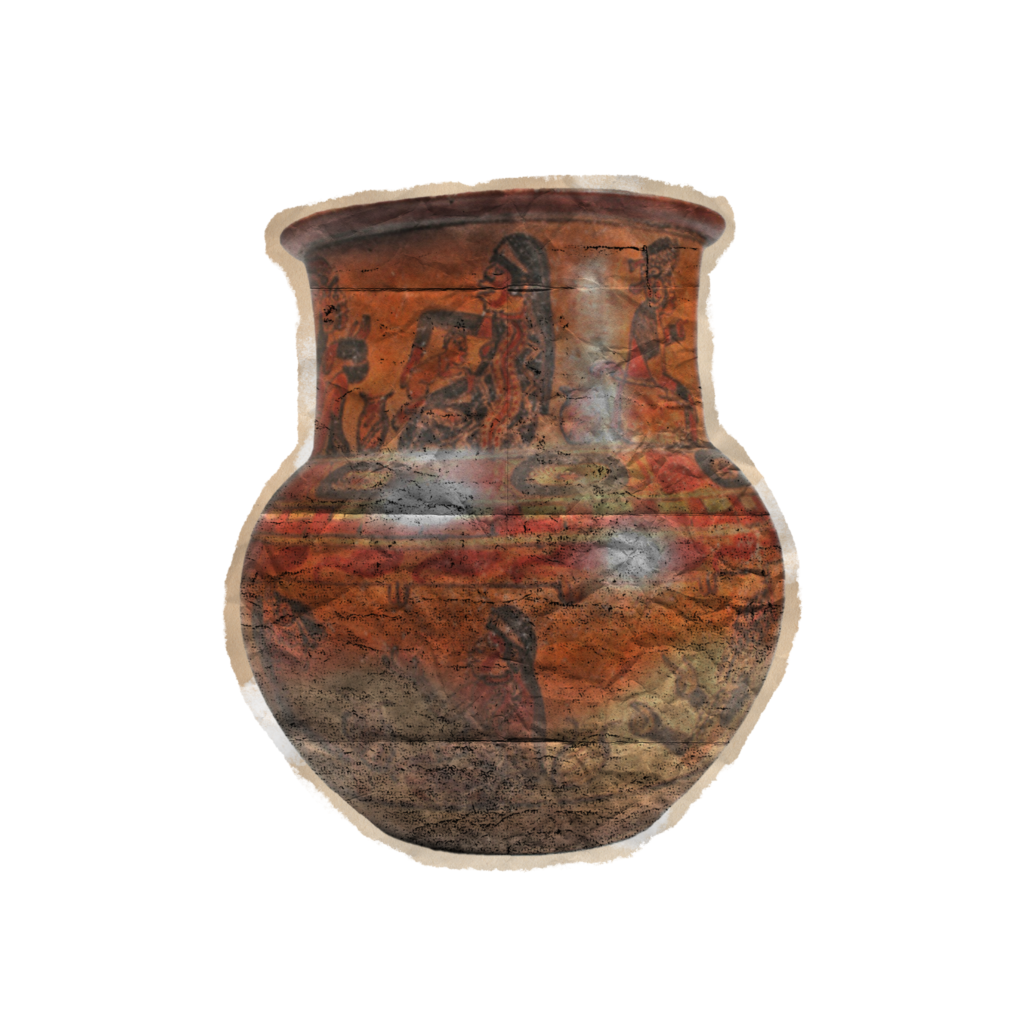
Colonial and Industrial North America – Vinegar could be found everywhere in colonial America, used as a folk remedy and for culinary creations derived from the bountiful New World harvests of fruits and vegetables. Vinegar was widely prescribed as a health tonic by healers to reduce fevers and, when mixed into beverages like switchels and shrubs, enjoyed by workers in the field to quench thirst. It was always on hand to scrub sickrooms and surfaces to combat illness.
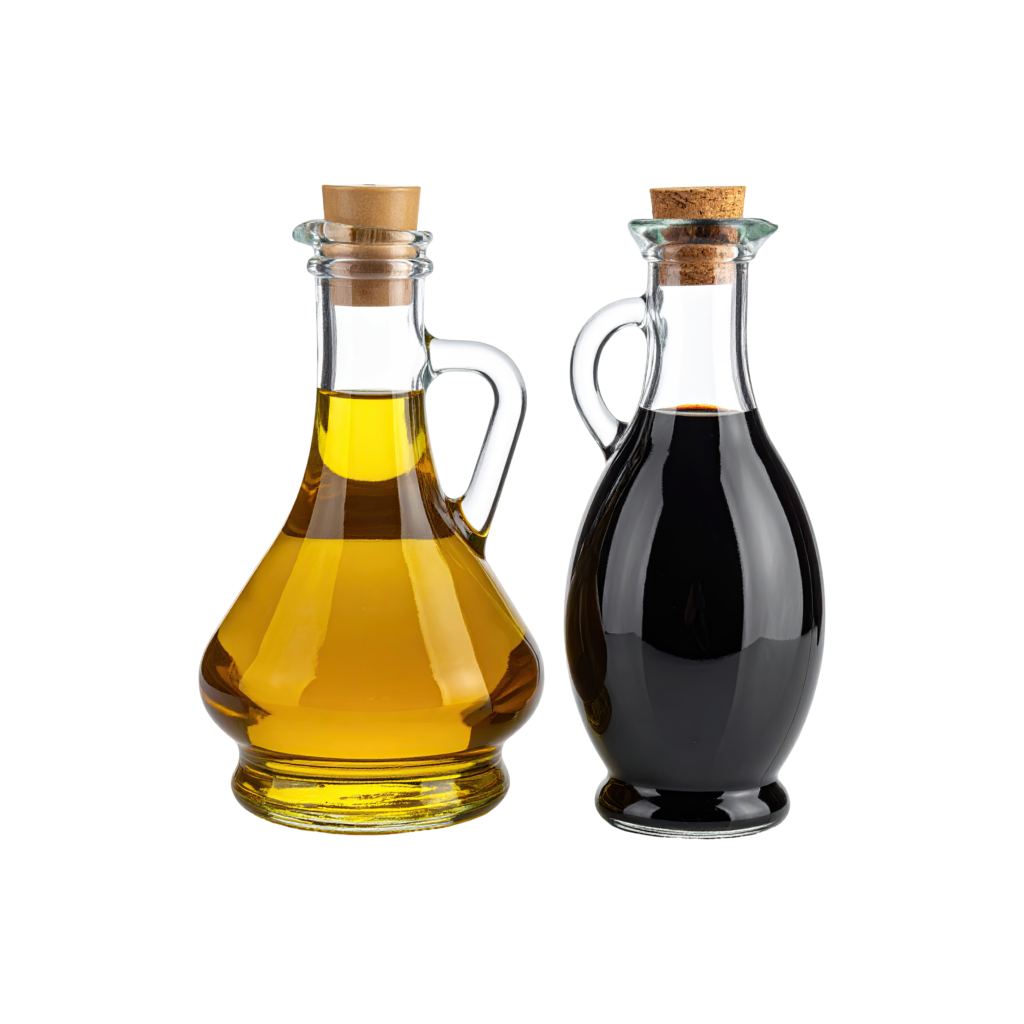
Vinegar Today – Vinegar is enjoying a resurgence in popularity due to a variety of factors that include the low cost and convenience of making vinegar products at home, an increasing awareness of the health properties of vinegar, and a growing community of individuals who enjoy controlling what they put into their body and introduce into the environment.