
The Science of Vinegar Fermentation: How Vinegar Is Made
This post contains affiliate links to products and books I genuinely use and love. If you buy through my links, I may earn a small commission as an Amazon Associate or through my affiliation with other retailers from qualifying purchases that you make at no extra cost to you.
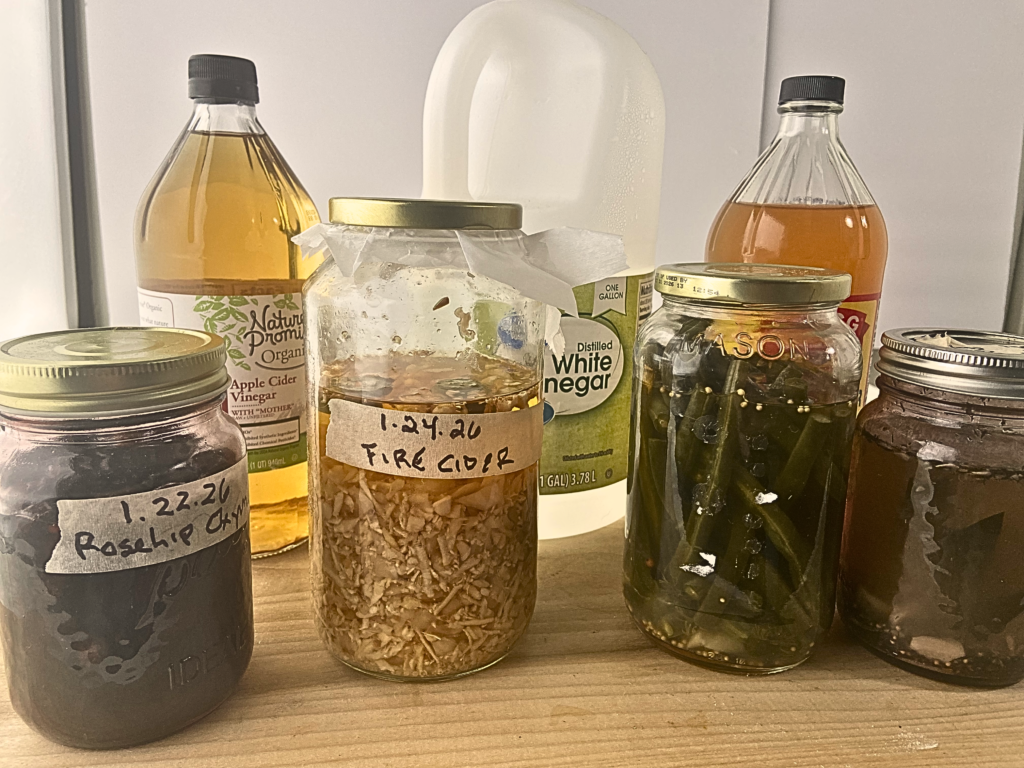
Vinegar is more than just a pantry staple; it’s a foundational tool for preservation that bridges the gap between ancient tradition and modern health science. Vinegar has been powering food preservation and digestive health for thousands of years, turning seasonal produce into safe, tangy, gut‑friendly staples that last well beyond harvest. What once was considered “folk medicine” is now being supported by modern documented research.
If you’re new to vinegar, start with my Vinegar 101 Guide to get comfortable with the basics of this wonderful concoction.
Lacto-Fermentation vs. Vinegar Fermentation and Pickling
Lacto-fermentation and vinegar fermentation. Both are ancient arts of preservation, but they utilize different biological pathways and offer unique functional benefits.
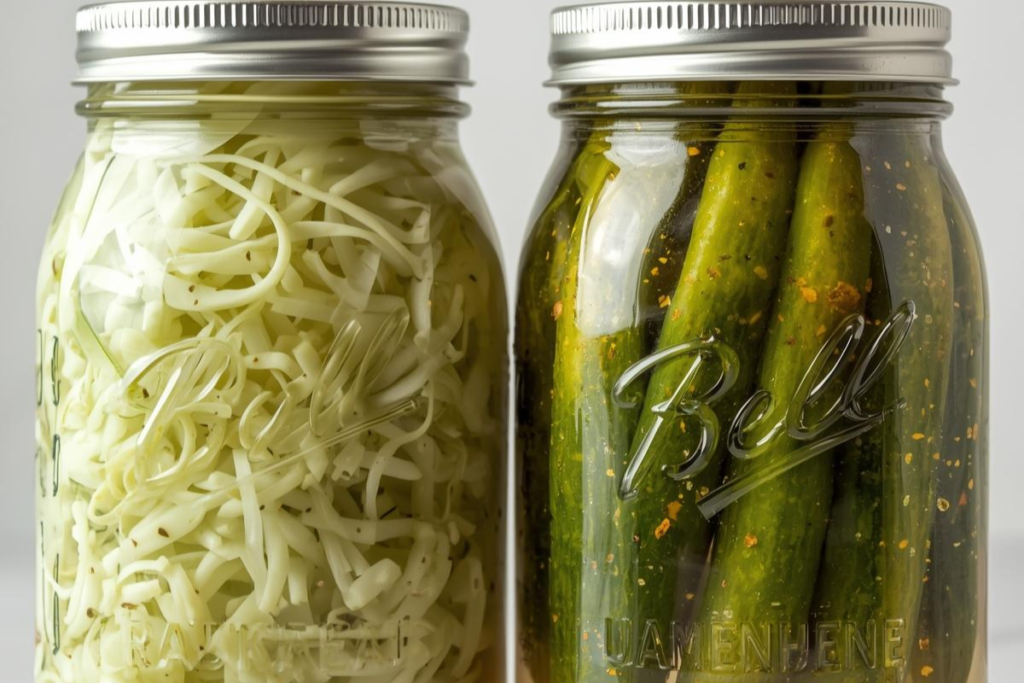
How Lacto-Fermentation Works
- Lacto-fermentation occurs when beneficial bacteria (naturally present on the skin of plants) are submerged in a salt brine, usually in a wide-mouth glass mason jar with a non-reactive lid. The salt inhibits “bad” bacteria while allowing Lactobacillus to thrive and produce lactic acid, which eventually preserves the food while filling it with live cultures that promote gut health.
- Lacto‑fermented vegetables are still delivering live cultures over the first 1–3 months after they hit the fridge, andsafely stored and maintained jars can still deliver useful bacteria and flavor beyond that window. You can learn more about lacto-fermentation here.
How Vinegar Fermentation Works
Vinegar itself is the result of a double fermentation. First, yeast converts sugars into alcohol; second, Acetobacter bacteria oxidize that alcohol into acetic acid. When we use this finished vinegar to “pickle” foods, we create an environment with a low pH in which Clostridium botulinum (think Botulism) and many other pathogens cannot grow in sealed jars. Although many traditional brines use distilled white vinegar, I also like to experiment with a raw apple cider vinegar that can lend its own flavor and trace compounds to the brine.
Vinegar‑finished fermented foods are best for probiotics during the first few weeks in the fridge, although the pickled food can retain its crispness, taste, and texture for months.
Since you’re visiting the All Things Vinegar website, we’ll focus our attention on how vinegar transforms food through fermentation. Read on to learn more about the ways vinegar allows us to capture the peak nutritional value of plants without the need for unpronounceable chemical ingredients found in mass-produced alternatives.
How Vinegar Transforms Food Through Fermentation
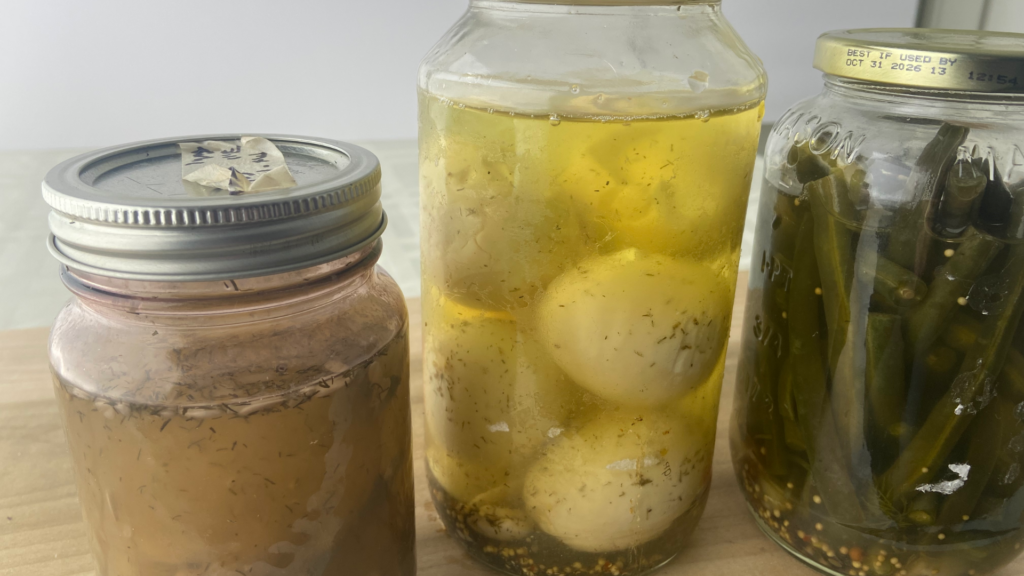
Vinegar, pH 4.6 and Clostridium Botulinum
In the world of DIY food preservation, vinegar acts as a reliable medium for transforming raw ingredients into flavorful, shelf-stable foods. Vinegar’s acetic acid lowers the pH of vegetables and fruits to 4.6 or below, the critical threshold where Clostridium botulinum and many other pathogens cannot grow in sealed jars.
Vinegar’s Role in Color, Flavor, and Vitamin Retention
Acidic environments slow many enzyme‑driven and oxidative reactions that degrade color, flavor, and certain vitamins. These oxidative reactions involve metal ions present in food that catalyze the reaction between oxygen and food molecules. The acetic acid in vinegar can bind to these metals and, acting as antioxidants, slow the chain reactions that destroy foods. As a result, vinegar brines help the preserved vegetables keep their character throughout the winter.
In addition to metal ions, spoilage and pathogenic microbes damage food quality by producing enzymes, acids, gases, and off‑compounds that break down texture, pigments, and vitamins. Acetic acid creates a hostile environment for many of these microbes in which they cannot live, and these pathogens eventually die off.
Role of Pickling Spices in Vinegar Fermentation
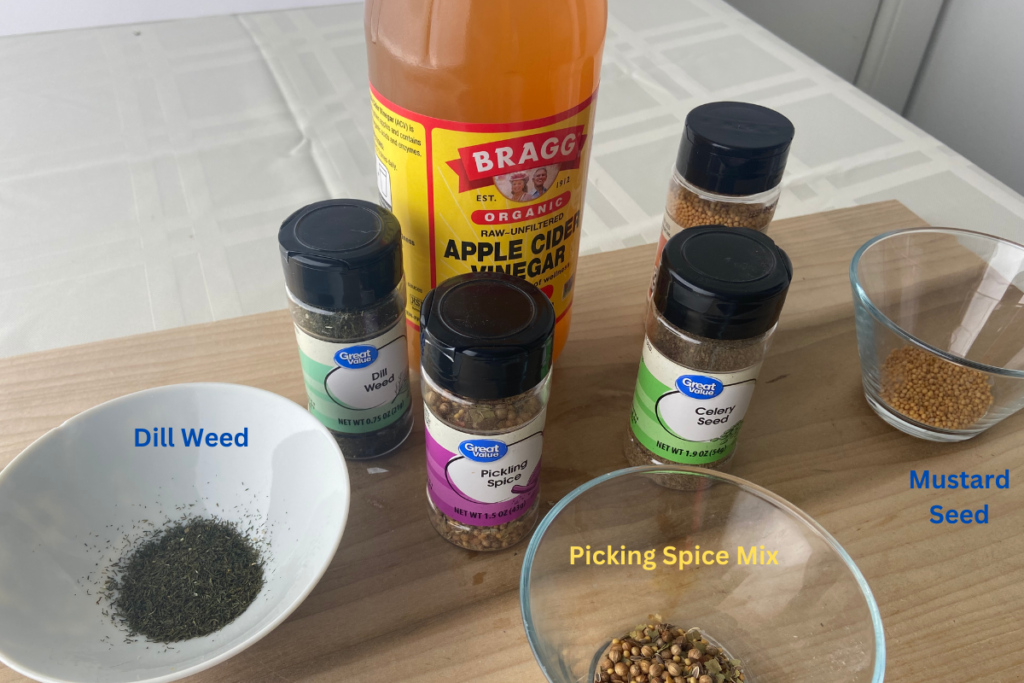
While vinegar and its acetic acid are the primary agents that prevent bacterial formation and spoilage, the pickling spices that are added to create the pickling brine are not just for flavor. For most small batches, I rely on a basic pickling spice blend that includes mustard seed, coriander, cloves, and dill seed.
Antimicrobial Herbs and Spices in Pickling Brine
It’s true that spices such as mustard seed, cloves, cinnamon, garlic, and other pickling spices can zest up the flavor of the brine, and by extension the pickled food, when the base is flavorless white vinegar. However, they also play a critical functional and protective role in the preservation process during vinegar fermentation. That’s why even recipes that use red wine vinegar, balsamic vinegar, and apple cider vinegar still include pickling spices.
The “Hurdle Effect” in Vinegar Fermentation and Pickling
The ”hurdle effect” is a cornerstone of modern food science introduced by Lothar Leistner in the 1970s that explains how multiple preservation methods work together to ensure food safety and quality. That’s what happens with vinegar pickling.
While vinegar provides the low pH environment (typically 4.6 or lower) needed to stop most microorganisms, the addition of antimicrobial herbs and spices helps prevent the growth of specific yeasts, molds, and bacteria that might be more acid tolerant.
What Does Modern Science Tells Us About Vinegar Fermentation
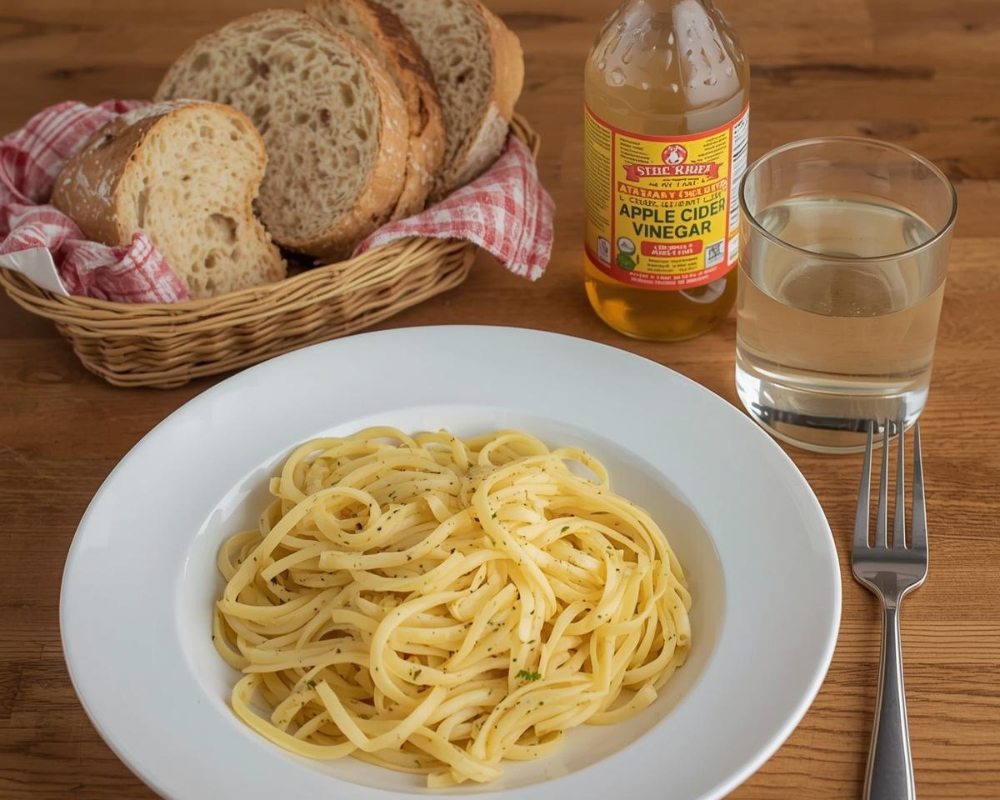
Modern science sees vinegar fermentation as a highly controlled microbial process that produces acetic acid and bioactive compounds. A growing body of human and animal research links regularly consumed vinegars with modest but real metabolic and gut‑related benefits.
The evidence is strongest for blood‑sugar control and small improvements in weight and cardiometabolic markers, with emerging but still early data for gut microbiome and inflammation. However,experts and major medical centers stress there is no evidence that vinegar alone “detoxes,” cures disease, or replaces medications.
The benefits of consuming small amounts of vinegar every day are real but modest and tied to realistic doses (about 1–2 tablespoons per day, diluted, with meals).It’s still early days for more complete and fuller studies of the effects of fermented vinegar foods on the human body. The best advice science offers right now is that vinegar fermentation produces acetic acid and plant‑based compounds that, in small daily amounts, can gently support blood sugar control, weight management, gut‑microbiome balance, and inflammation. It should always be consumed as part of, not instead of, an overall healthy lifestyle.
Why to Ferment Foods with Vinegar
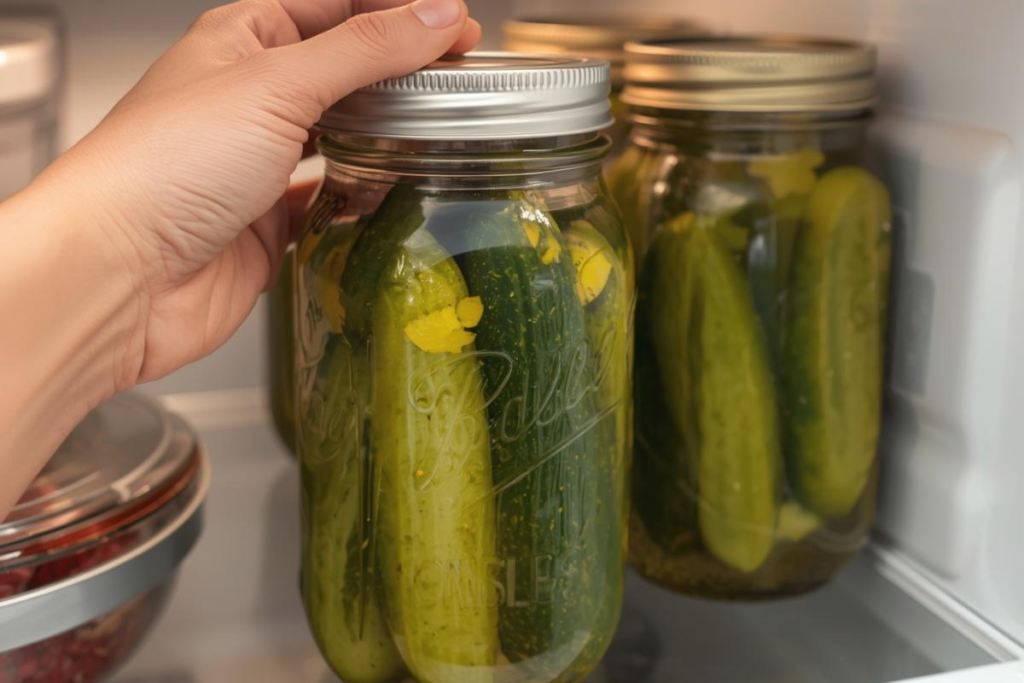
People choose vinegar fermentation and to pickle foods with vinegar because it offers a unique combination of safety, convenience, flavor, and gentle health support that’s hard to match with any other method. Fermenting food with vinegar (or pickling) offers a unique set of benefits that differ from traditional saltwater fermentation. While lacto-fermentation relies on living bacteria to create acid over time, vinegar-based fermentation uses acetic acid to provide immediate preservation, safety, and a specific set of metabolic advantages.
Just to recap the scientific benefits of vinegar fermentation:
- The acetic acid in vinegar lowers the pH of food below the threshold that prevents the growth of dangerous microbes like Clostridium botulinum.
- Consuming vinegar (always diluted) with meals has been shown to moderate post-meal blood sugar spikes by slowing the digestion of complex carbohydrates.
- The pickling process can preserve and even enhance the bioavailability of antioxidants like beta-carotene and polyphenols found in raw vegetables.
- Acetic acid can promote feelings of satiety (fullness) and may help reduce visceral fat accumulation over time.
- The acidic environment created by vinegar helps the body better absorb essential minerals such as calcium and magnesium from the fermented produce.
Vinegar fermentation is a bridge between ancient “folk medicine” and modern laboratory evidence. While it isn’t a “cure-all” for disease, the science is clear: the acetic acid produced during this double-fermentation process provides a reliable safety net for food preservation while offering modest, real-world benefits for blood sugar and gut health.
By incorporating small, daily amounts of these tangy, nutrient-dense foods into a healthy lifestyle, you aren’t just eating a snack—you’re participating in a thousand-of-years-old tradition of functional wellness. If you’re just getting started with vinegar fermentation, visit the All Things Vinegar Pantry Shop for my favorite vinegar-safe jars, strainers, and spices.
What You Need to Get Started with Vinegar Fermentation
Interested in using vinegar to pickle some of your favorite veggies? Here’s a few things to have on hand.
Distilled White Vinegar
Doesn’t add flavor but gets veggies nice and crisp.
Apple Cider Vinegar with Mother
Apple cider vinegar adds flavor and zest to the pickling solutions.
White Wine Vinegar
Provides subtle flavor while pickling.
Raw Honey
Provides sweetness and helps offset the acidic vinegar taste.
Pickling Spices
You can purchase a pickling mix or create your own recipe using mustard seeds, cloves, celery seeds, or dill weed.
Pickling Jars
You want jars with airtight lids that are made of thick glass for lasting use.
Pickle Pebble Glass Fermenting Weights
I found these fermenting weights preferable to DIY solutions because they’re easy to clean and can last a long time.