
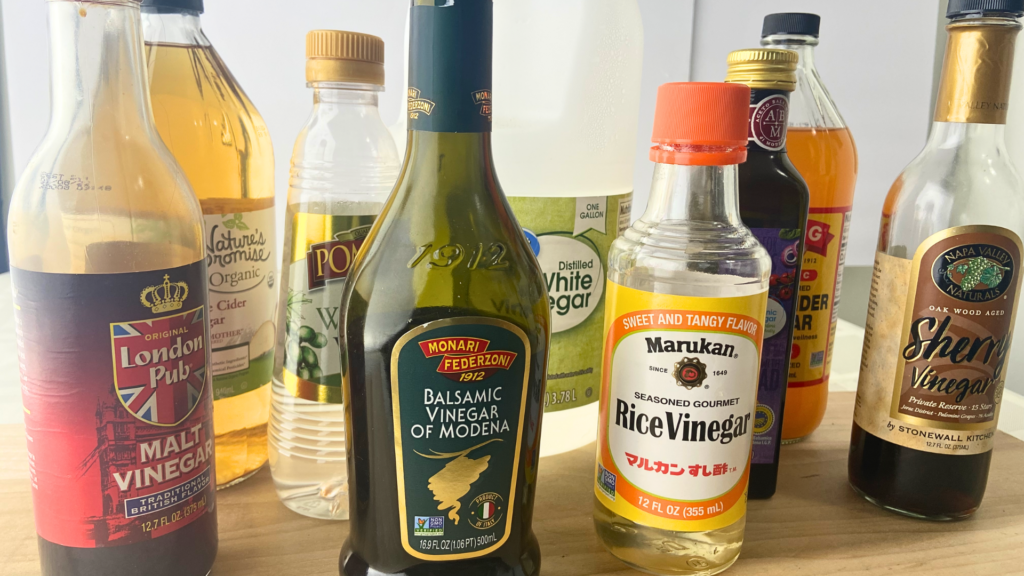
Types of Vinegar: Flavor Profiles and Uses
Vinegar is a pantry powerhouse with countless uses in cooking, preserving, and even natural cleaning. It adds brightness, balance, and depth to everything from crisp salads to slow‑cooked stews. Just as important, there is a wide variety of vinegars, each with its own unique flavor profile and best uses in the kitchen. Below is a list of popular types of vinegar and how you can use them in everyday cooking. You can also infuse vinegar with herbs, fruit, and spices, which highlights its versatility and opens up even more creative flavor combinations.
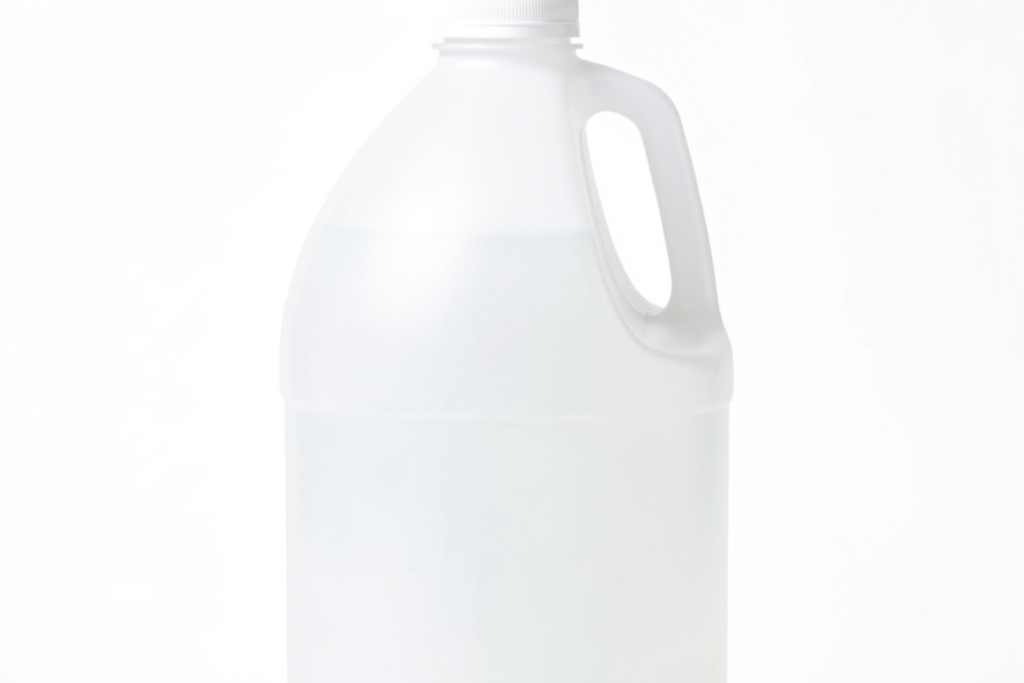
Distilled white vinegar is a clear, high‑acidity vinegar made from fermented distilled alcohol, usually derived from grain. Its flavor is sharp and straightforward, with no fruity or wine‑like notes, making it perfect when you want pure tang. In the kitchen, it’s a workhorse for pickling, canning, tangy slaws, and punchy barbecue sauces. Because it stays colorless, it’s also useful in recipes where you want bright flavor without discoloration. Beyond cooking with vinegar, distilled white vinegar is often used for natural cleaning and deodorizing around the home, thanks to its strong acidity and neutral aroma.
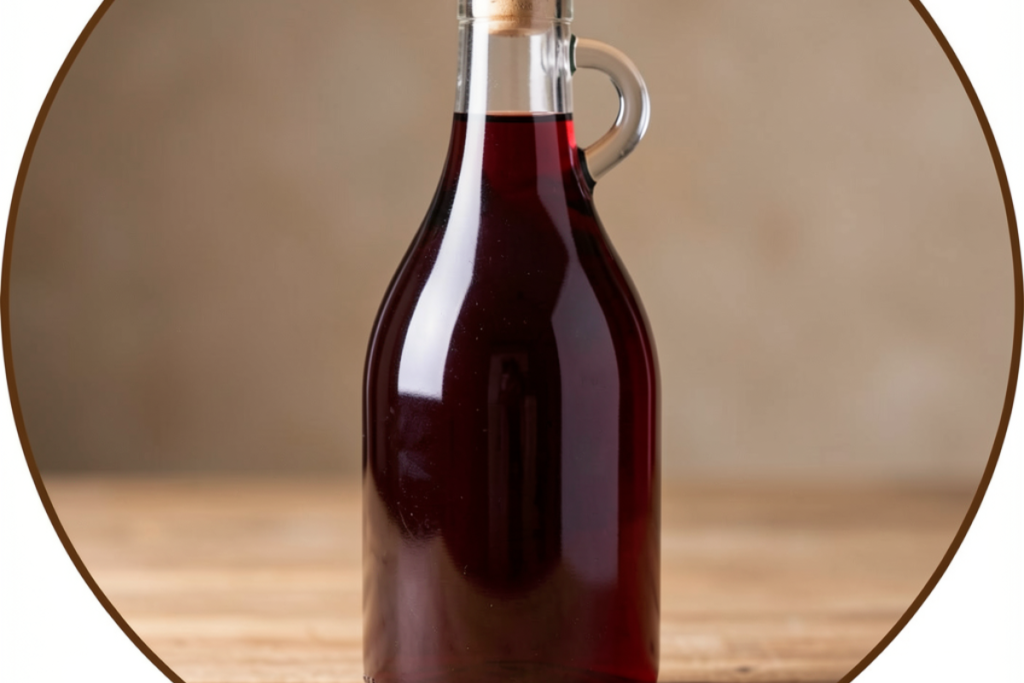
Red wine vinegar starts as red wine, then undergoes a second fermentation that transforms the alcohol into tangy acetic acid while preserving fruity, wine‑like notes. It typically has a bright, robust flavor with hints of red berries and oak, depending on the wine used and whether it’s aged in wood. This makes it a natural partner for Mediterranean cooking: think vinaigrettes, marinades for lamb or beef, and quick pan sauces for sautéed vegetables. Its assertive acidity cuts through richness, wakes up stews and braises, and adds depth wherever you want bold, savory character.
Want to try it? Here are a few red wine vinegars I like to keep in my pantry.
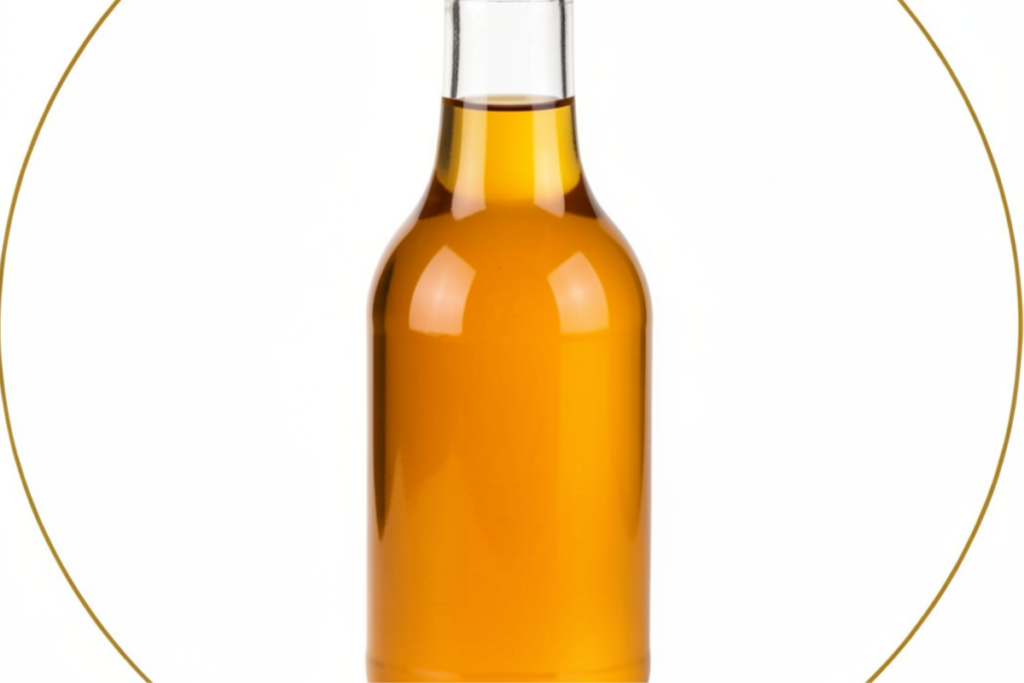
Apple cider vinegar begins as apple juice that ferments into hard cider, then into vinegar with a fruity, slightly sweet aroma. Its golden color and softer tang make it a favorite for salad dressings, coleslaw, and fall‑inspired recipes. Unfiltered versions may contain the “mother,” a natural collection of bacteria and yeast that some people value for wellness routines. In the kitchen, apple cider vinegar pairs beautifully with pork, poultry, root vegetables, and warm spices. It also works well in shrubs, tonics, and baking. For home cooks, it’s a friendly, everyday vinegar with comforting apple notes.
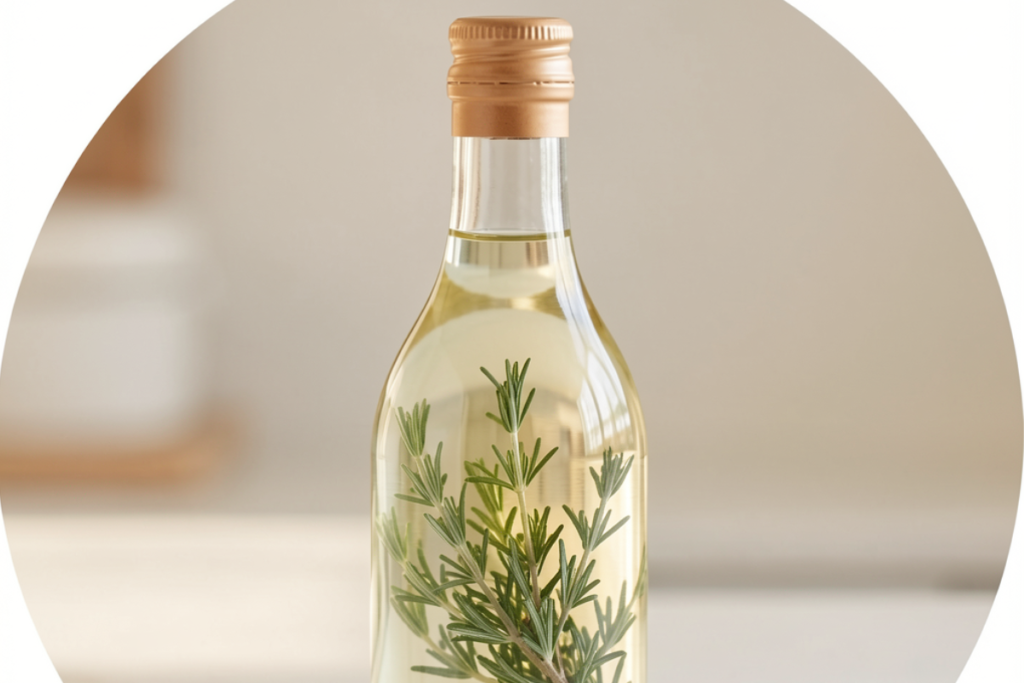
White wine vinegar is made from fermented white wine and offers a lighter, more delicate acidity than red wine vinegar. Its flavor often hints at green apple, citrus, or subtle floral notes, which keeps dishes bright without overpowering them. This gentle vinegar is ideal for simple salad dressings, pan sauces for chicken or fish, and classic French‑style reductions. Use it wherever you want clean acidity and a pale color, such as light soups or mayonnaise‑based salads. For cooks exploring different vinegar uses, white wine vinegar is a versatile everyday choice that suits many recipes.
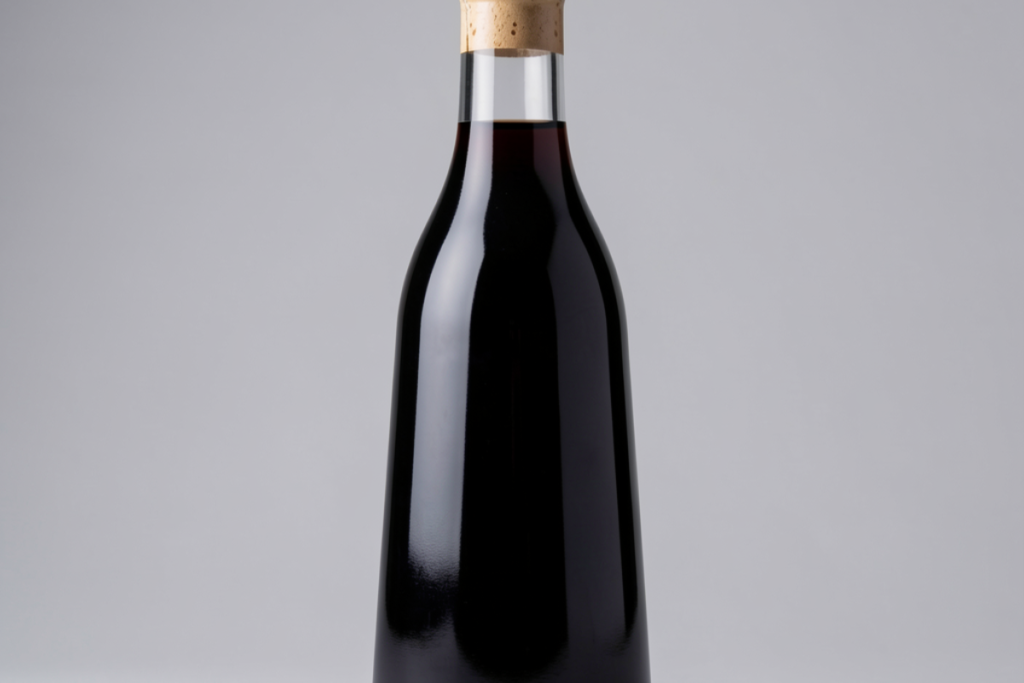
Balsamic vinegar is traditionally made by slowly cooking grape must and aging it for years in wooden barrels, concentrating its flavor and thickening its texture. Even more affordable, modern versions echo its signature sweet‑tart profile and dark, glossy appearance. Balsamic brings notes of dried fruit, molasses, and wood that transform simple dishes like caprese salad, roasted vegetables, and grilled meats. Reduced on the stove, it becomes a syrupy glaze for steak, chicken, or even vanilla ice cream. For anyone passionate about cooking with vinegar, balsamic is a star ingredient that delivers instant richness and complexity.
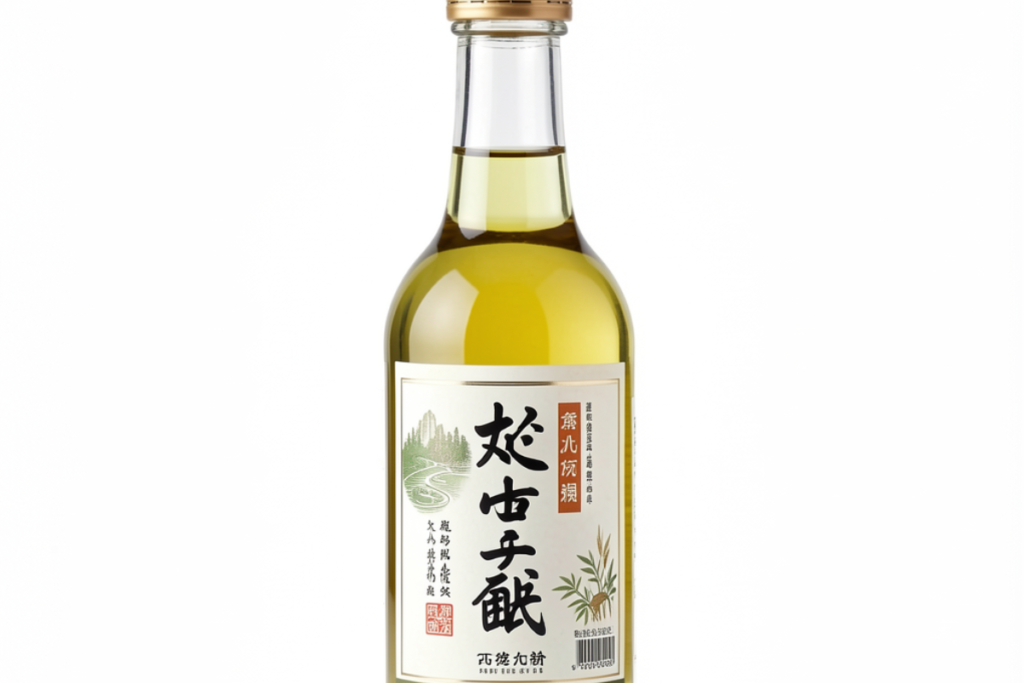
Rice wine vinegar, often labeled rice vinegar, is made from fermented rice or rice wine and is a staple in East Asian kitchens. It offers mild, gentle acidity with a hint of sweetness, making it less harsh than many Western vinegars. Unseasoned rice vinegar is ideal for sushi rice, quick pickles, dipping sauces, and light salad dressings. Seasoned varieties include sugar and salt, making them ready to use in sushi and slaws. Its clean, unobtrusive flavor pairs especially well with seafood, fresh vegetables, ginger, and herbs. For delicate dishes, rice vinegar provides subtle brightness.

Sherry vinegar comes from Spain’s sherry‑producing region and is made by aging sherry wine in oak barrels, often using a traditional solera system. The result is a complex, amber‑colored vinegar with notes of toasted nuts, dried fruit, and gentle caramel. Its acidity feels rounded and elegant rather than sharp, which makes it excellent for finishing soups, enriching sauces, and dressing simple green salads. Sherry vinegar pairs beautifully with mushrooms, lentils, grilled vegetables, and pork. For cooks who enjoy nuanced flavors, this vinegar adds depth and sophistication to everyday dishes without overwhelming other ingredients.
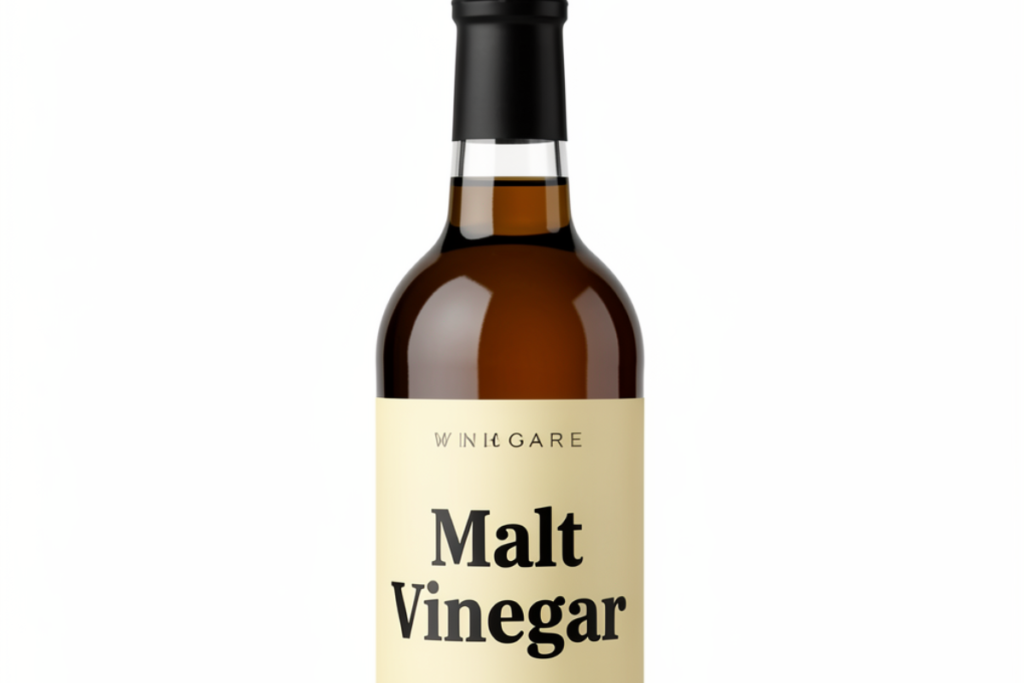
Malt vinegar is brewed from barley or other grains that first become a malty beer before fermenting into vinegar. It has a distinctive toasty, nutty flavor with a mellow acidity and warm brown color. Most people know it as the classic partner for British fish and chips, where its rich tang cuts through fried foods. It also enhances roasted potatoes, hearty stews, and robust marinades for beef or sausages. In chutneys and pickled onions, malt vinegar adds depth and a subtle sweetness. For anyone exploring vinegar uses beyond salads, malt vinegar brings cozy, pub‑style comfort.

Champagne vinegar is made from the same types of grapes used in sparkling wine from the Champagne region, resulting in a particularly light and elegant vinegar. Its flavor is crisp and aromatic, with gentle notes of green apple and citrus, and its acidity feels refined. This makes champagne vinegar perfect for delicate salads, seafood dishes, and poached chicken where you want just a whisper of tang. It’s also lovely in vinaigrettes for tender greens and fruit salads. For a refined touch when cooking with vinegar, champagne vinegar offers brightness without overshadowing premium ingredients.
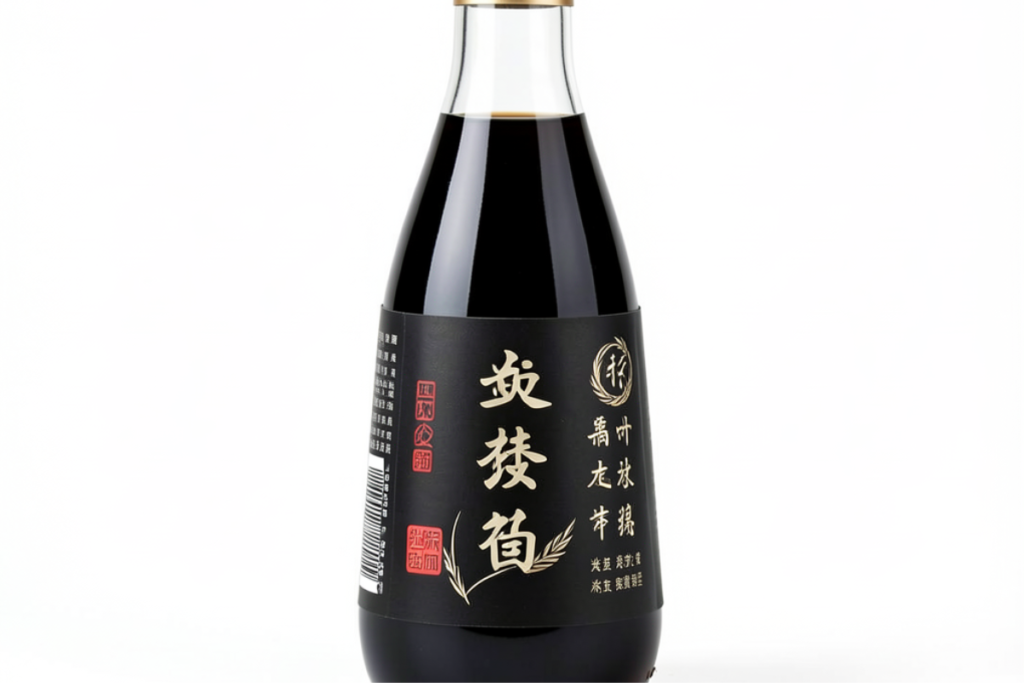
Chinese black vinegar, often from Zhenjiang, is made from fermented grains like rice, wheat, or sorghum and aged to develop deep flavor. It has a dark color and complex taste with hints of malt, smoke, and mild sweetness, along with a smoother acidity than many Western vinegars. In Chinese and other Asian cuisines, black vinegar is essential in dumpling dipping sauces, braises, and noodle dishes. A small splash adds depth to stir‑fries, cold sesame noodles, and savory dressings. For cooks exploring global vinegar uses, black vinegar showcases how vinegar can be both tangy and richly savory.
This list only scratches the surface of all the different types of vinegar you can bring into your kitchen. From everyday staples to specialty bottles, each vinegar offers its own balance of flavor and acidity. Beyond using them straight from the bottle, you can infuse vinegar with herbs, fruit, spices, and even chili to create custom blends. These infused vinegars highlight just how versatile vinegar can be, from bright salad dressings to marinades, sauces, and preserved vegetables. Experimenting with a few different vinegars is an easy way to expand your cooking and discover new favorite flavors.