
Outdoor Cleaning with Vinegar: Decks, Grills & Gear
Tackle sunscreen smears, sticky coolers, grimy grills, and high‑traffic floors with simple vinegar cleaning solutions that are tough on summer messes but gentle on kids, pets, and lungs.
This post contains affiliate links to products and books I genuinely use and love. If you buy through my links, I may earn a small commission as an Amazon Associate or through my affiliation with other retailers from qualifying purchases that you make at no extra cost to you.
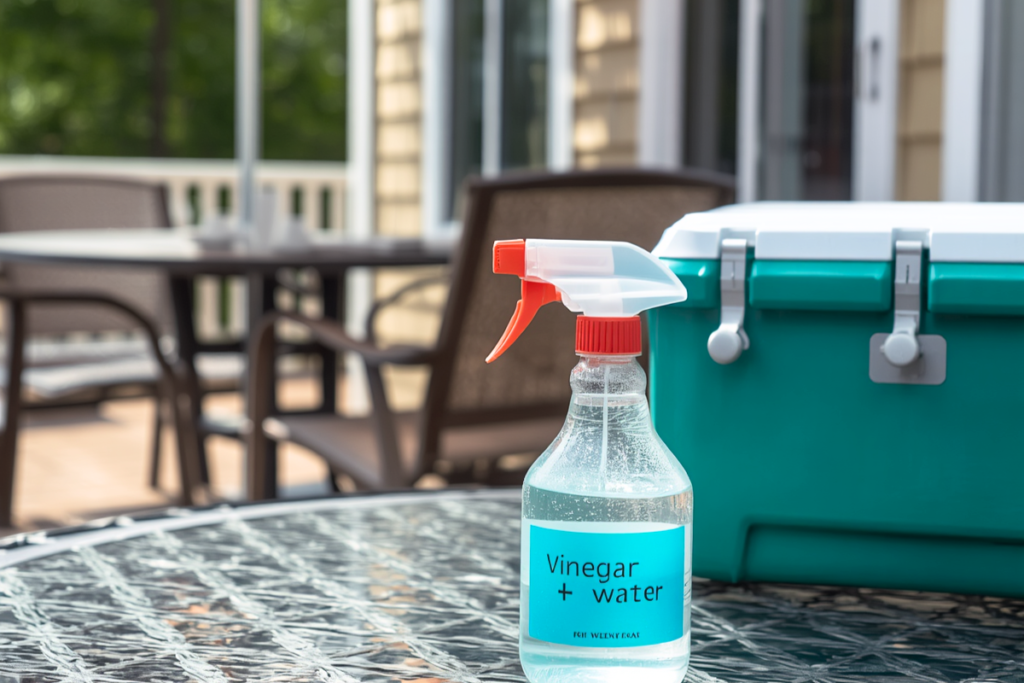
Why Summer Messes Need Outdoor Cleaning With Vinegar
In winter, you’re mostly battling indoor dust and dry‑air gloom. In summer the challenges change.
- Deck furniture collects pollen, bird droppings, and mildew.
- Outdoor cushions soak up sweat and spills, coolers grow mysterious pink or black slime in the corners
- Grills can quickly turn into grease‑fire time bombs if you’re not paying attention.
- On top of that, high heat and humidity help mold, mildew, and bacteria grow faster, which is not what anyone wants near food or bare feet.
Summer outdoor spaces collect pollen, dust, food residue, grease, and mildew-related grime. Many commercial cleaners rely on strong solvents and disinfectants that release volatile organic compounds (VOCs), which can irritate lungs, eyes, and skin, which can be especially troublesome for kids, older adults, and people with asthma or allergies.
Distilled white vinegar, by contrast, is a mild acid with antimicrobial properties. Vinegar outdoor cleaning solutions break down mineral deposits, cut through grease, and reduce many common household microbes without leaving a trail of synthetic residues in its wake. That doesn’t mean vinegar is a hospital‑grade disinfectant, but it is a practical, everyday cleaner that supports the kind of “clean but breathable” home your business plan is built around.
This is my go‑to summer cleaning with vinegar routine when I want things to feel clean but not chemically and it guide explains where it can be useful and how to avoid damaging sensitive surfaces.
Why Vinegar Works (and When It Doesn’t)
The reasons I turn to vinegar for many of my cleaning needs is simple. Distilled white vinegar is affordable, biodegradable, simple to mix with water, and doesn’t pollute indoor air the way some heavily fragranced cleaners can. A single jug can replace an army of specialty bottles and lets you mix just what you need when you need it (using that trusty 1:1 ratio of vinegar to water as your baseline).
There are some important exceptions that still apply in summer:
- Skip vinegar on natural stone like marble, granite, and limestone; it can etch and dull the surface over time.
- Avoid uncoated cast iron or certain aluminum parts. The acid can pit and damage them.
- Always test a small, hidden patch first on fabrics, painted surfaces, or powder‑coated metals.
If the smell of straight vinegar bothers you, there’s a very easy and affordable workaround for outdoor cleaning with vinegar. Add citrus peels, lemon juice, or a few drops of essential oil (like lavender, orange, or tea tree) to make cleaning feel more spa and less salad dressing.
My Outdoor Summer Vinegar Cleaning Toolkit
- Distilled White Vinegar – The hero of your vinegar cleaning solutions.
- Apple Cider Vinegar – For those who want a fruitier scent when cleaning with vinegar
- Cleaning Bucket – I like heavy duty buckets that are easy to pour when emptying.
- Glass Spray Bottle – I can always find dozens of uses for multifunctional, recyclable spray bottles.
- Non-Scratch Sponges – These eco friendly sponges gently remove grease and grime from all surfaces.
- Microfiber Cloths – Ideal for all of your summer outdoor cleaning needs.
- Grill Brush – Removes burnt on residue and quickly gets your grill clean
Outdoor Surfaces and Patio Furniture (Cleaning with Vinegar)
Summer is hard on outside furniture and surfaces. Harsh sunlight, stirred up dirt and dust, summer storms, and grease builds up on grills and grilling tools come out in full force. This simple vinegar patio spray is one of my favorite natural outdoor cleaners for tables and chairs.
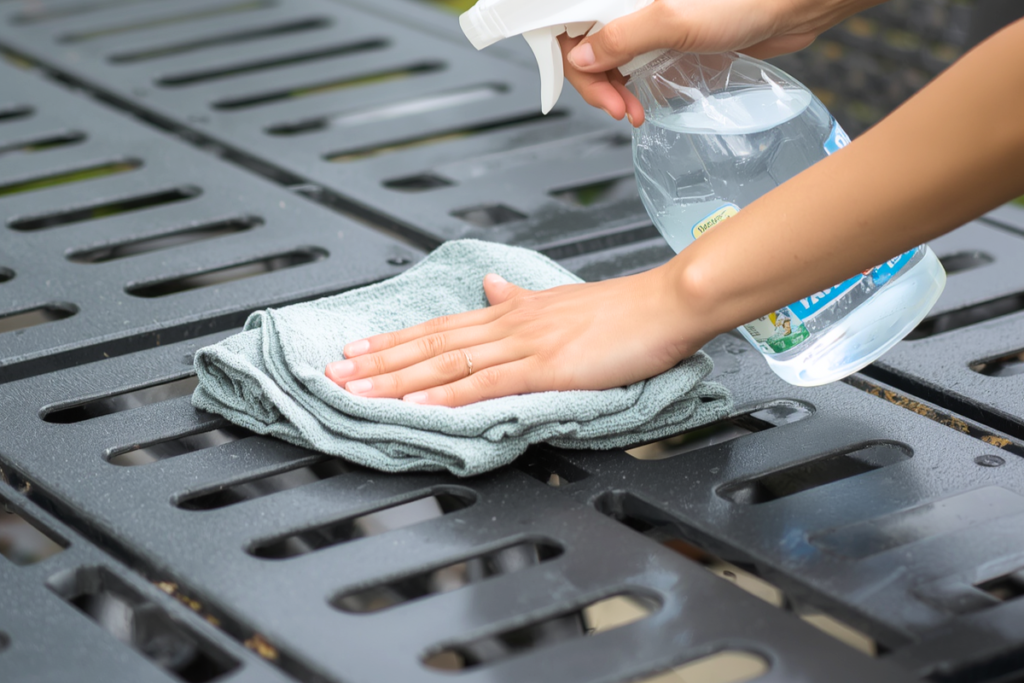
Outdoor Cleaning with Vinegar for Deck Tables and Hard Furniture
For plastic, glass, resin, or powder‑coated metal tables and chairs:
- Mix equal parts white vinegar and water in a spray bottle.
- Spritz generously, let sit 5–10 minutes to soften grime and pollen, then wipe with a soft cloth or non‑scratch sponge.
- For stuck‑on messes or light mildew, sprinkle a little baking soda on a damp cloth and scrub, then rinse with the vinegar solution and water.
Because vinegar helps cut through both mineral deposits and greasy fingerprints, it’s ideal for cleaning up around outdoor eating areas where you don’t want chemical residues near food.
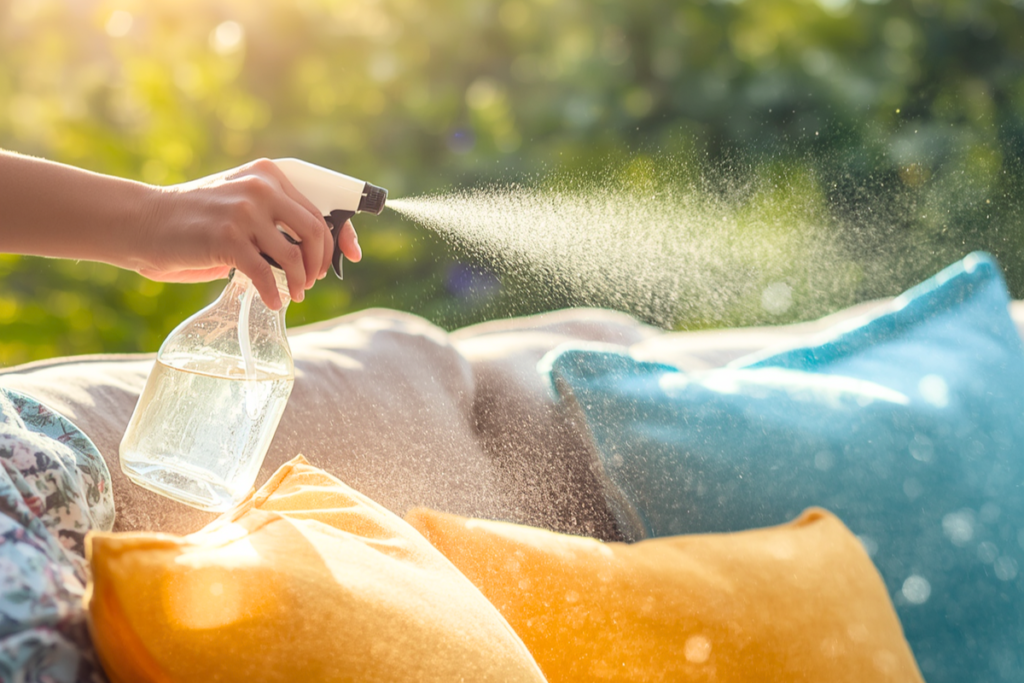
Outdoor Cushions and Fabric
Cushions soak up sunblock, sweat, spilled drinks, and summer rain. Vinegar can help freshen them and keep mildew at bay.
- Deodorizing spray: Mix 1 part vinegar with 3 parts water in a spray bottle, add a few drops of essential oil if you like. Lightly mist cushions and let them air dry in the sun. The vinegar smell will dissipate as it dries.
- Spot cleaning: For stains or mildew spots, dab with a mixture of equal parts vinegar and water plus a drop of mild dish soap, blotting rather than scrubbing to avoid spreading the stain. Rinse with a clean damp cloth and dry thoroughly in sunlight.
Always take the precaution to check manufacturer tags and always avoid soaking foam inserts when outdoor cleaning with vinegar. The goal is fresh and dry, not swampy.
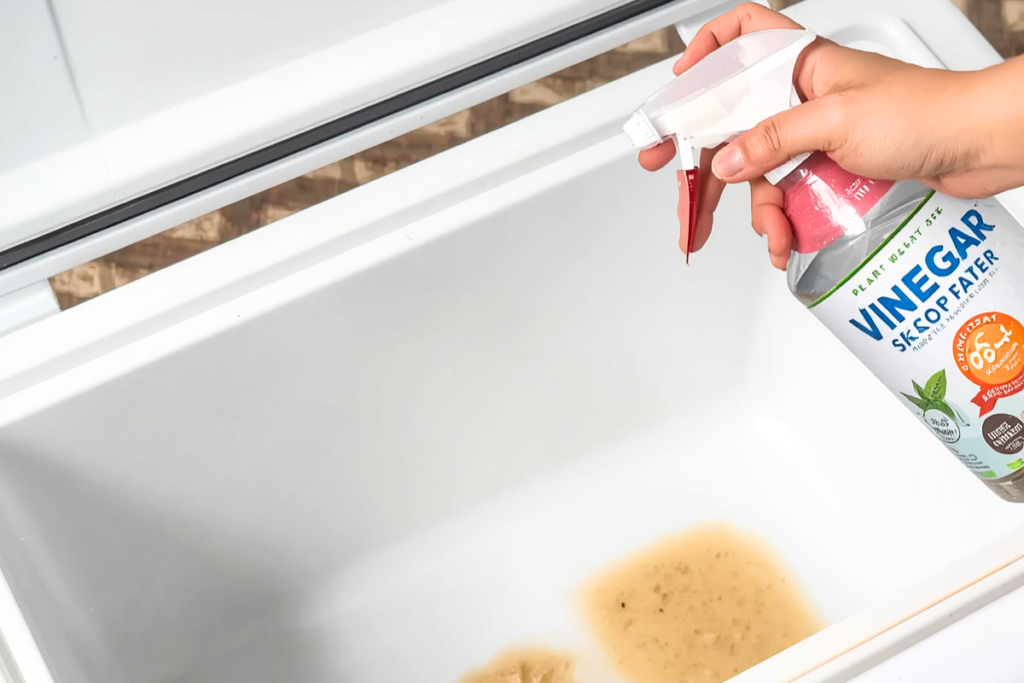
Outdoor Cleaning with Vinegar for Coolers, Lunch Boxes, and Beach Gear
Few things are as unappetizing as opening a cooler in July and being greeted by an odor that’s been building from last October. Vinegar shines here because it deodorizes and helps disrupt mold and mildew growth without leaving perfumes that compete with picnic food.
- Empty the cooler and wash out any visible grime with warm, soapy water.
- Rinse, then spray all interior surfaces with a 1:1 vinegar–water solution, paying extra attention to seams, drain plugs, and corners. I like to use an old toothbrush to scrub into tight crevices.
- Let it sit 10–15 minutes, then wipe dry or let air dry fully with the lid open in a sunny spot.
For reusable water bottles, plastic containers, and kids’ lunch boxes:
- Fill with warm water and a splash of vinegar, shake, let sit, then rinse.
- For stubborn odors, soak overnight in a stronger mix (about 1 cup vinegar to 3 cups water) and air dry.
- This is a case where I like to use essential oils or lemon zest to give things a citrusy smell when outdoor cleaning with vinegar.
Cleaning Grills and Grill Tools with Vinegar (and When to Skip It)
Vinegar as a natural helper for grill cleaning at any time of year, but it really struts in stuff in the summer when grease buildup happens faster and flare‑ups that sear grill parts and tools are more common.
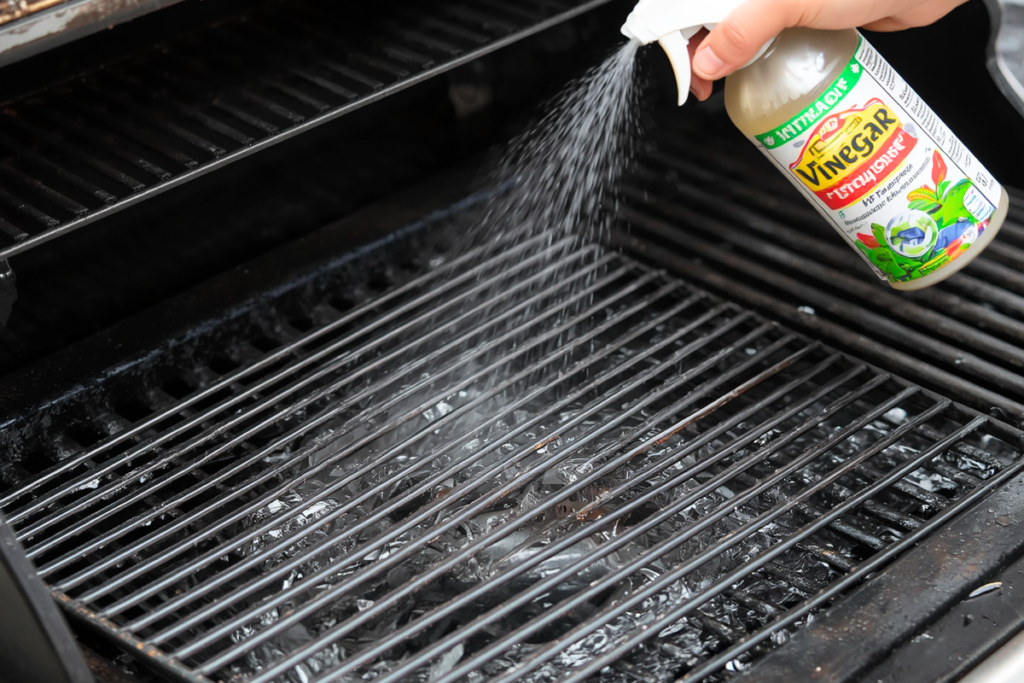
Outdoor Cleaning with Vinegar: Grates and Interior Surfaces
- When the grill is completely cool, remove the grates and scrape off loose debris with a brush.
- Spray or soak grates with a 1:1 vinegar–water mix and let sit for 15–20 minutes. The acid helps break down grease and carbon residue so they scrub off more easily.
- For stubborn buildup, make a paste of baking soda and a little water, spread on, spray with vinegar (it will fizz), and scrub before rinsing and drying.
Tools and Accessories for Outdoor Cleaning with Vinegar
Tongs, spatulas, grill baskets, and skewers can all pick up sticky residue and burnt bits.
- Soak them in a sink or tub with warm water, a generous splash of vinegar, and a drop of dish soap.
- After 20–30 minutes, most residue will wipe off with a sponge, and you can rinse and dry.
Just keep vinegar away from cast‑iron grill grates or uncoated cast‑iron pans when outdoor cleaning with vinegar. Those are better cleaned with hot water, a scraper, and oil to protect the seasoning.
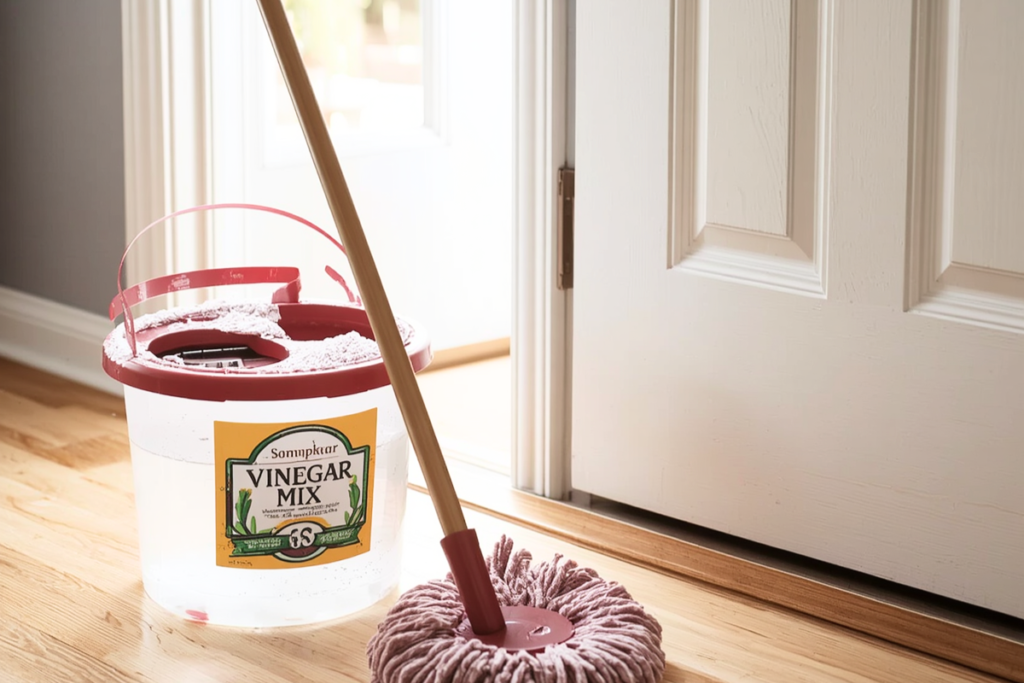
Summer Floors, Doors, and High-Touch Spots: Outdoor Cleaning with Vinegar Tips
Summer traffic means more dirt and germs traveling between patio and kitchen. Vinegar provides an easy non-toxic summer cleaner for high‑traffic areas. A quick vinegar routine helps minimize both without turning your house into a chemical fog.
- Entry floors (tile, vinyl, laminate): Add 1 cup vinegar to a gallon of warm water for mopping, but apply the solution more often as sandy feet and wet swimsuits come through. Skip hardwood and stone, where specialized cleaners are safer.
- Door handles, railings, and light switches: Wipe with a cloth lightly dampened with a 1:1 vinegar–water solution to reduce grime and everyday microbes. Vinegar isn’t a registered disinfectant, but regular wiping physically removes a lot of what you don’t want.
Stay on top of things. Small, frequent wipe‑downs as a part of an outdoor cleaning with vinegar routine beat heroic once‑a‑month scrubbing, especially with kids, pets, and guests in the mix.
Simple Summer Vinegar Cleaning Solution “Recipes”
For most outdoor cleaning with vinegar, I’ve these applications pretty much helps me tackle most outdoor messes:
- Outdoor All‑Purpose Patio Spray
- 1 cup white vinegar
- 1 cup water
- Optional: citrus peels or 5–10 drops lemon or orange essential oil
Use on plastic, glass, and most painted metal surfaces outdoors.
- Mildew‑Fighting Cushion Freshener
- ½ cup white vinegar
- 1½ cups water
- Optional: a few drops tea tree or lavender oil
- Lightly mist fabric surfaces (after spot‑testing) and let dry in full sun.
- Cooler and Gear Deodorizer
- 1 cup white vinegar
- 1 cup warm water
Use to wipe or soak the inside of coolers, reusable containers, and beach gear, then rinse and air‑dry.
I like to make batches of vinegar solutions to have on hand to keep up with demand, so I always use distilled or previously boiled water to lower the small risk of unwanted growth in storage bottles when outdoor cleaning with vinegar.
Staying Vigilant Without Losing Your Mind When Outdoor Cleaning with Vinegar
Summer is supposed to be fun, not one long cleaning checklist. The idea isn’t to chase every smudge when summer cleaning with vinegar but to keep an eye on the places where grime and microbes thrive fastest: damp fabrics, food‑contact surfaces, and anything that stays warm and dirty (like grill grates and coolers).
Outdoor cleaning with vinegar gives you a low‑stress way to stay on top of those hotspots so you can breathe easier—literally and figuratively—while people wander in and out of your home. I like to keep a spray bottle handy in the busiest rooms and in a storage cabinet on the deck with other cleaning tools.
Outdoor Cleaning with Vinegar FAQs
Can vinegar really disinfect outdoor surfaces in summer?
Vinegar does have antimicrobial properties and can reduce many everyday microbes on surfaces, especially when you use it regularly with a bit of elbow grease when outdoor cleaning with vinegar. It’s great for cutting grease, breaking down mineral deposits, and helping keep mold and mildew from getting comfortable on things like coolers and cushions. That said, vinegar is not a hospital‑grade disinfectant, so if you’re dealing with raw meat contamination or a serious illness in the household, you’ll still want to follow public health guidance and use an approved disinfectant for those specific situations.
Is it safe to clean outdoor furniture and cushions with vinegar around kids and pets?
Used correctly and diluted, vinegar is one of the gentler cleaning options you can use in spaces where kids, pets, and guests wander barefoot or flop down on cushions. A simple 1:1 or 1:3 vinegar‑to‑water mix is usually enough for deodorizing and light outdoor cleaning with vinegar, and once it dries there’s no lingering synthetic residue on the surfaces. The main caveats are to avoid soaking foam cushions (nobody wants swampy seats), to spot‑test fabrics and finishes first, and to keep strong essential oils modest if anyone in your crew is sensitive to scents.
What should I never clean with vinegar when outdoor cleaning with vinegar?
There are a few hard “no” zones for vinegar that still apply when the weather heats up. Skip vinegar on natural stone like marble, granite, and limestone—over time it can dull and etch the surface. Keep it away from uncoated cast‑iron grill grates and pans because the acid can damage the seasoning and encourage rust. Be cautious with certain aluminum parts and always spot‑test painted or powder‑coated metal and outdoor fabrics in an inconspicuous area first. If you’re ever unsure when outdoor cleaning with vinegar, it’s worth checking the manufacturer’s care instructions or using a cleaner made specifically for that material.