
How to Use Vinegar to Clean Summer Stains (Red Wine, Coffee, Pet Messes and More)
Turn “oops” and “yuk” summer stains—red wine, coffee, sticky rings, pet accidents, and DIY vinegar spills—into simple wipe‑downs with smart vinegar strengths, surface‑safe rules, and a few backup tools
This post contains affiliate links to products and books I genuinely use and love. If you buy through my links, I may earn a small commission as an Amazon Associate or through my affiliation with other retailers from qualifying purchases that you make at no extra cost to you.
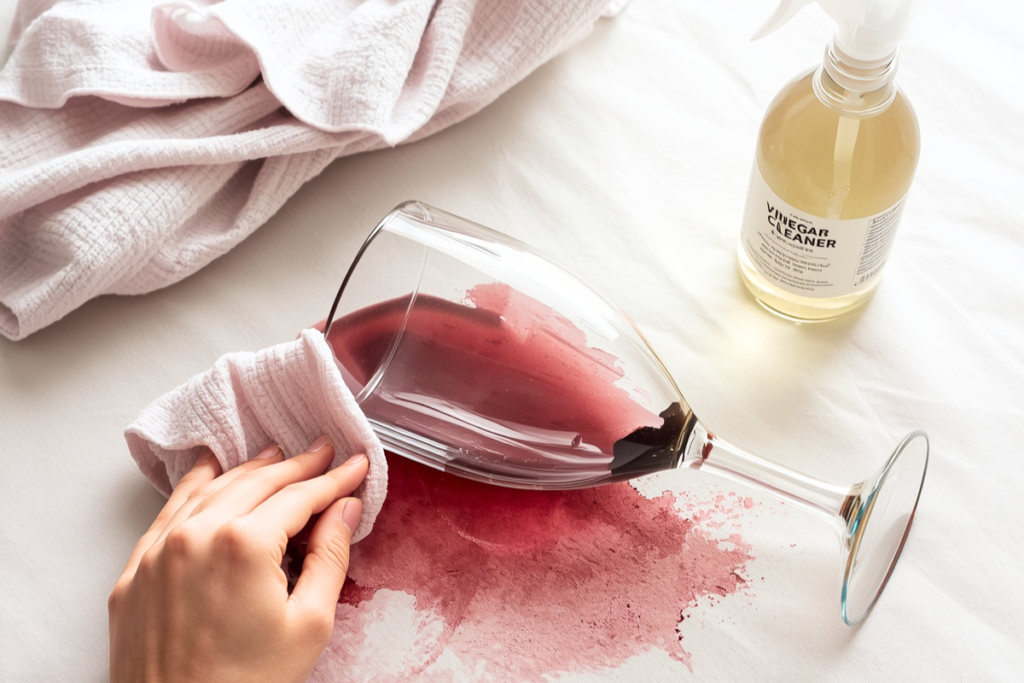
Vinegar is one of the few things that can handle both “oops” and “yuk” summer stains in the same day. I turn to vinegar solutions when I spill wine on the carpet or coffee on the counter, have to clean up sticky rings on the table from sodas and other drinks, come across unexpected pet stains on the floor, and I do it without creating a fog of harsh cleaners in rooms.
Ironically, I also use vinegar to clean all my inevitable messes when I make homemade, DIY vinegar, especially in the case of red wine vinegar. I’ve found that when used thoughtfully, it’s a reliable way to tackle many everyday summer stains and to keep DIY red wine and other home projects from leaving more of themselves around than you wanted.
In this blog, I’ll walk you through how to use vinegar on different kinds of stains, which surfaces welcome it, which ones don’t, and where it fits (and doesn’t fit) in clothing and laundry care.
Everyday Summer Stains Vinegar Can Help With (and a Few It Can’t)
Some stains are colorful, like red wine, coffee, tea, and attract immediate attention. Others are invisible until they dry and water rings on wood, sticky residue on counters, pet accidents on floors seem to sneak up out of nowhere. Vinegar doesn’t fix every one of them, but it does more than people realize when you match the strength of the solution to the job and respect the “no‑go” surfaces.
Think of vinegar as a mild, everyday cleaning partner for:
- Red wine and coffee on many fabrics and carpets.
- Sticky rings and general food residue on counters and tables.
- Hard‑water and mineral marks on sinks and glass.
- Odor‑prone pet stains on certain floors.
It is not the hero for everything. Natural stone, some delicate woods, and certain fibers need other approaches. Knowing that up front helps you reach for vinegar where it shines and avoid it where it can cause bigger problems.
My Vinegar Summer Stain Cleaning Tool Box
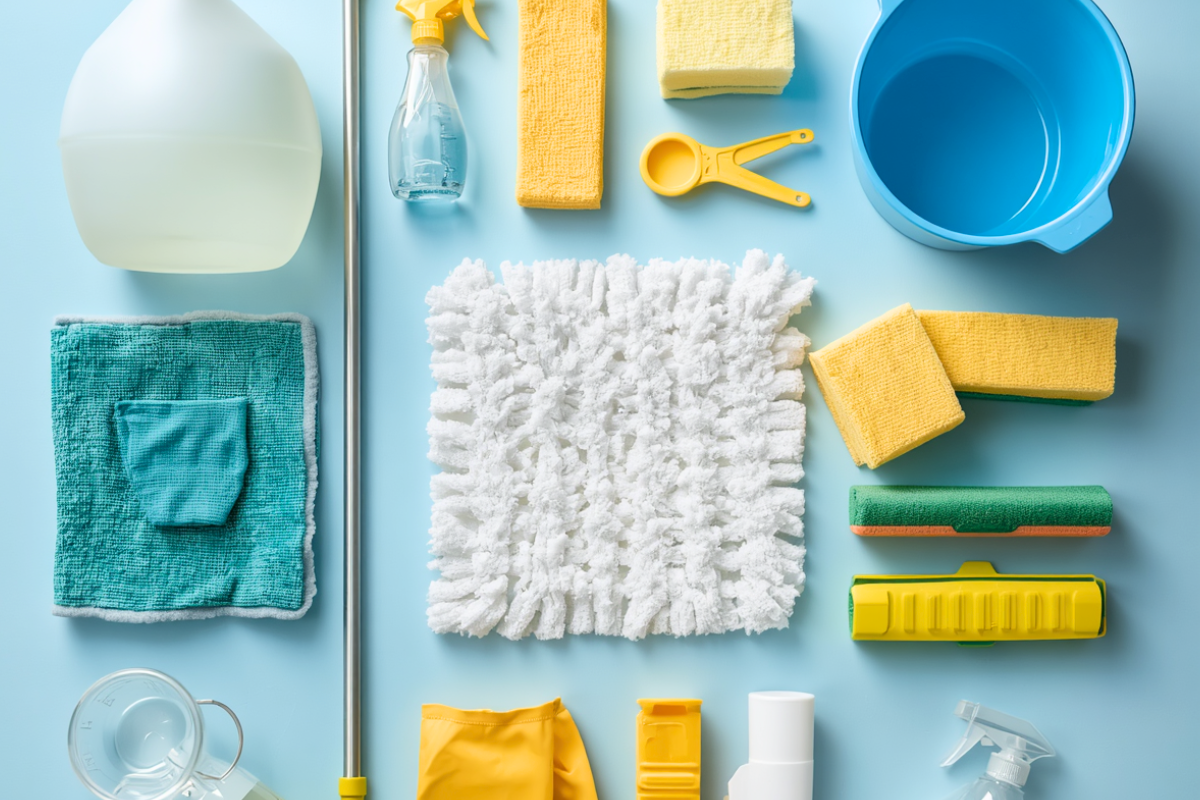
Staying on top of summer stains with vinegar cleaners is easy when basic tools are always at hand.
This is the workhorse I reach for when I’m cleaning around the house, and especially in the bathroom where there’s alway a spray bottle on hand under the sink.
Guessing “about a cup” of vinegar is an easy way to overdo it. A little measuring cup or a clearly marked pour bottle makes it simple to add the right amount to your rinse compartment every time without splashing all over the place.
Have fun experimenting with different oils that can lift your spirits and give your bathroom a pleasing scent.
I like keeping a smaller, easy‑to‑grab spray bottle of vinegar in the bathroom for special stains and uses.
These absorbent cloths are non-abrasive and can tackle most cleaning jobs.
Protect your hands from the mild acetic nature of vinegar.
Foot pedal keeps hands free while the lid fits closely to the mouth of the small trash can to avoid garbage exposure and contains odors.
Ideal for storing vinegar cleaning spray bottles, cleaning supplies and other essentials.
Basic Vinegar Cleaning Strengths for Summer Stains: Light, Medium and Strong Solutions
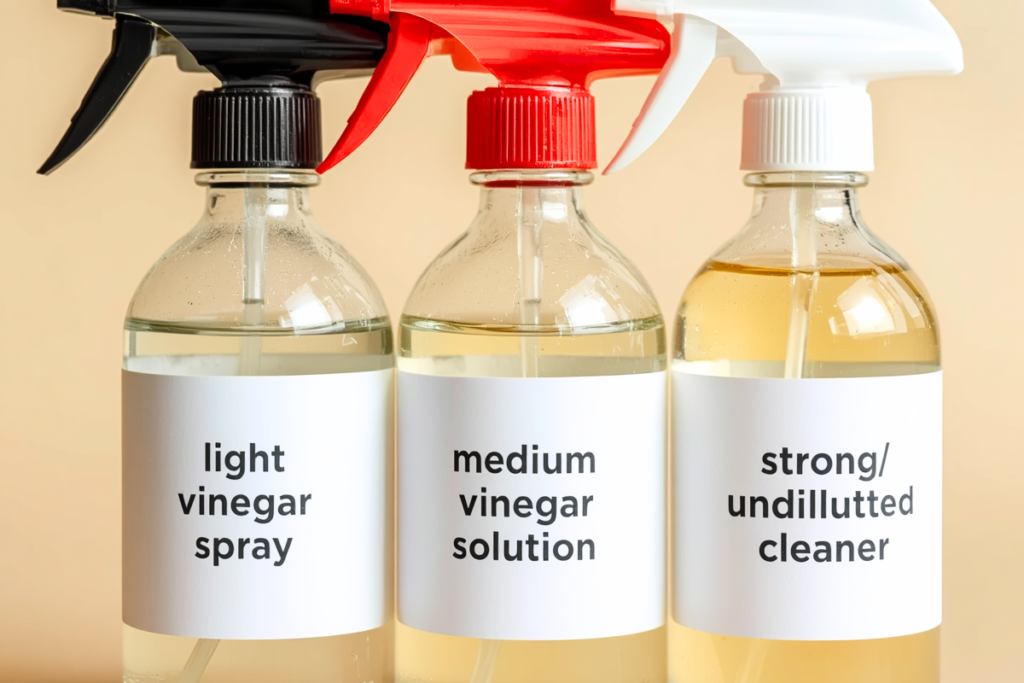
Before getting into specific stains, it helps to have three “default” strengths in mind:
- Light spray (general wipe‑downs):
1 part vinegar : 3–4 parts water. Good for counters, light sticky marks, cabinet faces, and general freshening. - Medium solution (many stains and marks):
1 part vinegar : 1–2 parts water. Useful for fabric stain spot‑treating, water rings on some woods (with caution), and tackling coffee or juice spills. - Strong/undiluted (tough mineral and some carpet stains):
Straight distilled white vinegar. Used sparingly on certain fabrics and carpets and for heavy hard‑water marks, never on stone and only with care on finishes.
Everyday stain work falls somewhere between medium and strong, but for surfaces like painted wood, laminate, and sealed counters, start light and only move stronger if needed.
Red Wine Stains: Where Vinegar Helps and Where It Needs Backup
Red wine is the panic‑inducing stain most people worry about, so it’s worth giving it its own moment. The tannins and color in red wine cling tightly to fibers, but vinegar’s acidity helps break those tannins down.
Using Vinegar on Red Wine Stains in Fabrics and Clothing
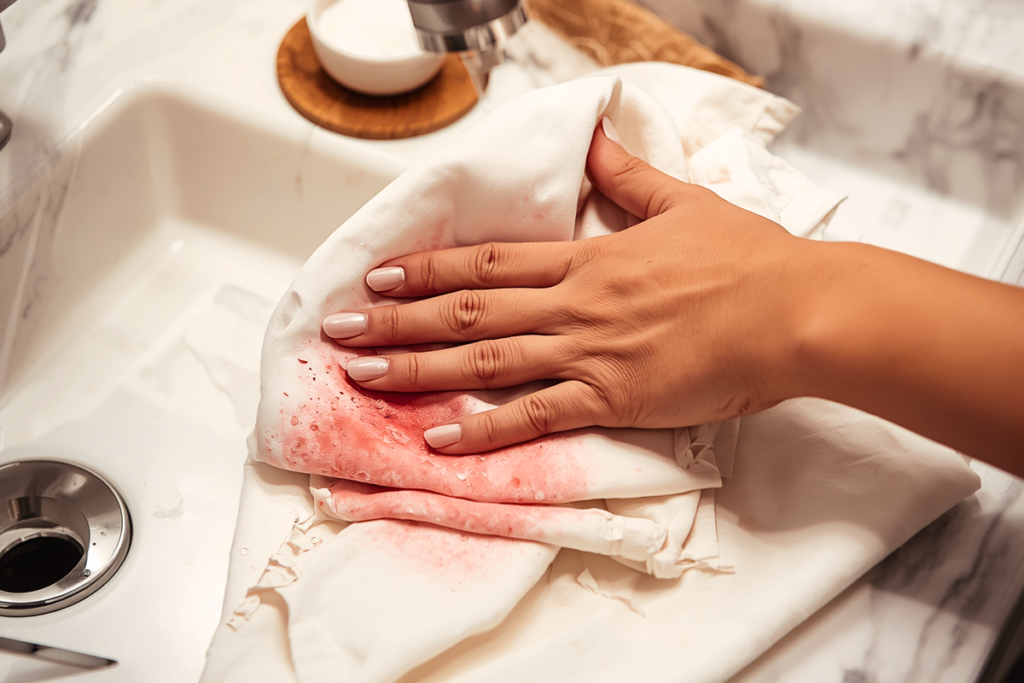
For fresh red wine on washable fabrics:
- Blot immediately with a clean cloth—no rubbing.
- Cover the area with salt to soak up as much wine as possible, then shake or rinse off.[6]
- Mix equal parts white vinegar and cold water and gently blot the stain with a cloth dipped in the solution.
- Rinse with cold water and launder as usual, following the care label.
For stubborn stains, some guides suggest soaking in a larger vinegar‑water bath with a bit of detergent (for example, 4 cups water + 2 cups vinegar + a small amount of detergent), but always test colorfastness first, especially on dark or delicate fabrics.
Why vinegar doesn’t fix every fabric stain:
- Old, set‑in red wine stains may need oxygen bleaches or specialty stain removers.
- Some fabrics are sensitive to acid or have dyes that can shift—always spot‑test.
- Dry‑clean‑only garments should go to a professional; vinegar at home risks damaging the finish or structure.
On Carpet and Upholstery
For red wine on carpet or fabric sofas:
- Blot as much liquid as possible right away.
- Mix 1 part vinegar : 2 parts water with a drop of dish soap.
- Dab gently onto the stain with a cloth, let sit a few minutes, then blot with clean water and repeat if needed.
For leather, skip vinegar and use a damp cloth followed by a leather‑specific cleaner, since acid can affect color and finish.
Coffee and Tea Stains: Vinegar’s Role
Coffee and tea stains are tannin‑based like wine and respond well to vinegar when used with soap and quick action.
On Clothing and Fabrics
For fresh coffee on washable fabric:
- Blot the area to remove excess liquid.
- Apply a small amount of liquid detergent and gently rub with fingers or a soft brush.
- Rinse with cold water.
- If the stain persists, blot with a 1:1 vinegar‑water solution and rinse again, then launder.
Tea is similar: blot, treat with detergent, rinse, and only then bring in vinegar or lemon juice for persistent staining if the fabric can tolerate it.
Why vinegar isn’t always enough:
- Strong black tea or very concentrated coffee may leave deeper dye‑style pigments that need more than mild acid.
- Certain synthetic fabrics can hang onto color more stubbornly; specialized stain removers may be better choices.
Coffee and Tea Stains on Countertops and Mugs
For coffee rings in mugs or on counters:
- Use a 1:1 vinegar‑water solution with a pinch of baking soda for mild abrasion; scrub gently and rinse.
For stainless steel or enamel counters, this combination works well. Avoid abrasive scrubbing on softer surfaces.
Sticky Rings on Tables and Counters: Light Vinegar Spray Fixes
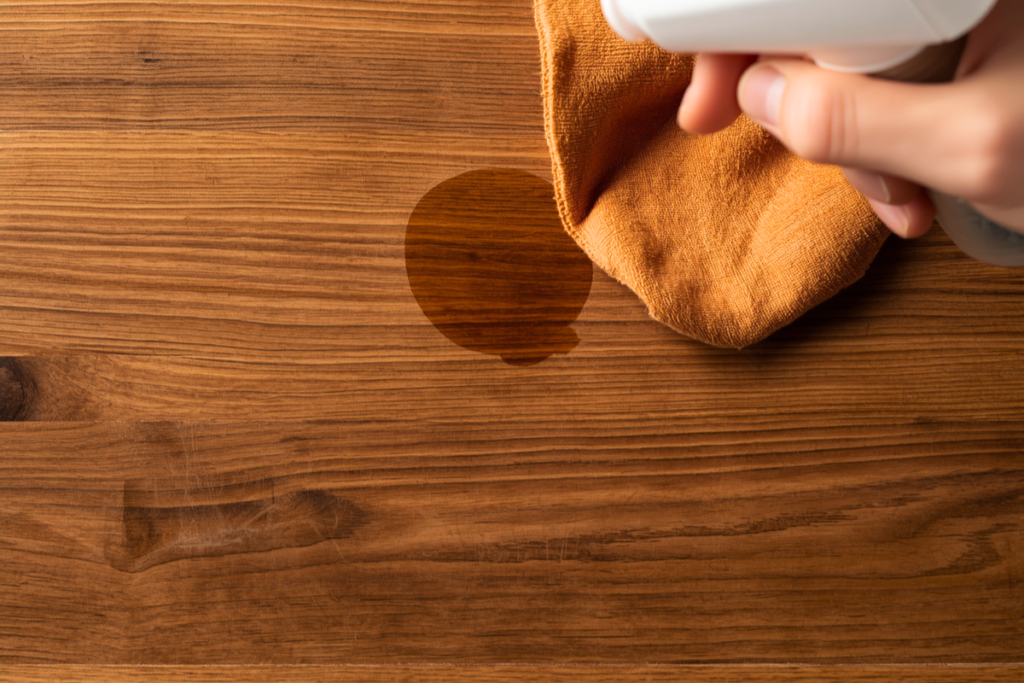
Water marks and sticky, sugary residues show up everywhere: around glasses on tables, on counters, near sinks, and on wooden furniture.
Hard Surfaces (Laminate, Sealed Wood, Tile, Glass)
For sticky rings and general residue:
- Spray a light vinegar solution (1 part vinegar : 3–4 parts water) and let sit briefly, then wipe.[5][2][4]
- For stuck‑on spills, sprinkle a little baking soda on a damp cloth, scrubbing gently before rinsing with the vinegar mix.
For water marks on non‑stone surfaces like glass tables or some finished woods:
- Use a 1:1 vinegar‑water mix very lightly and let it sit for only a short time before wiping and drying.
Why water rings on wood are tricky:
- Some “water marks” are actually damage to the finish or deeper into the wood fibers. Vinegar can sometimes help lift mineral deposits but can also dull or etch certain finishes.
- Always spot‑test and be conservative on valuable or antique furniture. For serious rings, furniture‑specific products or professional help are safer.
Surfaces That Are “No‑Nos” for Vinegar
Across stains and wipe‑downs, there are surfaces that don’t belong in vinegar’s world:
- Natural stone counters (granite, marble, limestone): vinegar can etch and dull the surface.
- Some wood finishes and unsealed woods: repeated acid exposure can damage finish and fibers.
- Waxed or oiled surfaces: vinegar can strip protective layers.
On these, use manufacturer‑recommended cleaners, pH‑neutral products, or specialized wood/stone care instead.
Pet Stains on Floors: Vinegar Plus Enzymes
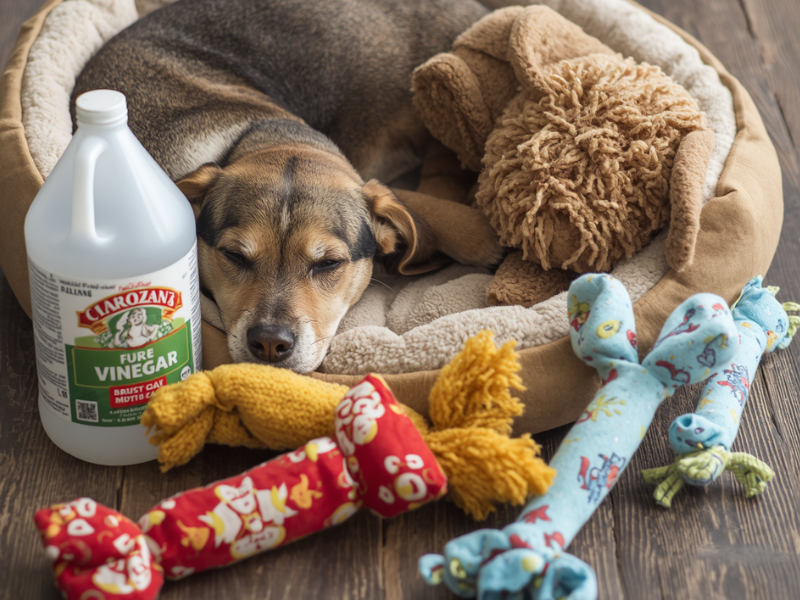
Pet stains bring both discoloration and odor. Vinegar for pet stains can help with the odor side and some color lifting, especially on hard surfaces.
Hard Floors (Tile, Vinyl, Some Sealed Wood)
For pet stains on carpet:
- Blot the liquid quickly.
- Apply a 1:1 vinegar‑water mix, blotting and letting it sit briefly before blotting with clean water.
- Pairing vinegar with baking soda can help deodorize (sprinkle baking soda, mist with vinegar, let fizz and sit, then vacuum after drying), but commercial enzymatic cleaners often do a better job on deep organic stains and odors.
Why vinegar isn’t the whole answer for pet stains:
- It can neutralize smells and help with surface discoloration but doesn’t break down all components of pet urine the way enzymatic cleaners do.
- For repeated accidents, professional cleaning or enzyme‑based products are often necessary.
Clothing Stains: Where Vinegar Fits and Where It Doesn’t
Vinegar is a helpful supporting player in clothing care, but not a universal stain remover.
Where it helps:
- As a spot treatment on some fresh stains (wine, tomato, some foods), often undiluted and followed by immediate washing.
- In the rinse cycle to help remove odors and soften fabrics (often 1/4 cup vinegar per load).
- As part of a stain‑removal routine combined with detergent, salt, or baking soda for tannin‑based stains.
Where it falls short:
- Old, set‑in stains that have been through heat (like the dryer) often need stronger chemistry.
- Oils, greases, and some dye‑based stains respond better to detergents, solvents, or oxygen bleach than mild acid.
- Delicate fabrics and specialty finishes may be damaged by acid; always test and follow care labels.
So: vinegar belongs in the toolkit but not as the only tool for clothing.
DIY Red Wine Vinegar Spills: Vinegar as Cleanup Partner
If you’re making your own red wine vinegar or playing with wine‑based shrubs and sauces, spills are inevitable. The nice thing is that the same vinegar you’re making or using can help tidy up.
- For spills on counters: a light vinegar spray (1:3 or 1:4 with water) on non‑stone surfaces, plus a wipe, usually handles color and stickiness.
- For drips on floors: blot, then treat with a medium solution (1:1 or 1:2) and dry well, respecting surface type.
- For stains on towels or aprons: use undiluted vinegar on fresh marks followed by cold rinse and normal laundering.
In other words, “DIY red wine messes” don’t need to be feared; they just need fast, thoughtful attention.
Used wisely, vinegar turns a lot of “panic stains” into “handled” and many quiet build‑ups into simple wipe‑downs. It doesn’t do everything, and respecting its limits is part of using it well, but for red wine spills, coffee stains, sticky rings, pet accidents, and everyday cleanup around your DIY projects, it’s one of the most dependable helpers you can keep in your cleaning life.