
Pet‑, Kid‑, and Plant‑Safe Cleaning with Vinegar: What You Can (and Shouldn’t) Do
This post contains affiliate links to products and books I genuinely use and love. If you buy through my links, I may earn a small commission as an Amazon Associate or through my affiliation with other retailers from qualifying purchases that you make at no extra cost to you.
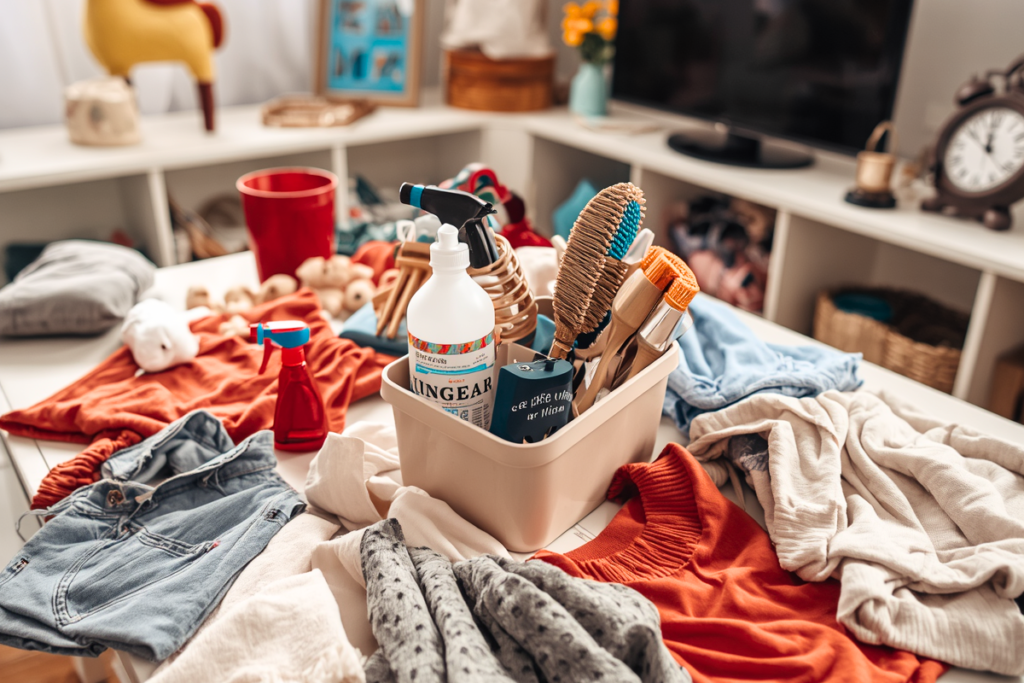
If you’ve ever wished you could clean your whole house with one simple product that you can trust won’t harm pets, kids, or your garden, well you really didn’t have to wish.
All you’ve needed to do is head out to the grocery store and pick up a jug or bottle of ordinary-looking, inexpensive vinegar. It’s a whole lot friendlier than a cabinet full of neon liquids and warning labels and it’s about as natural a vinegar cleaner safe for kids, pets and plants as you can find.
But “natural” doesn’t automatically mean “risk‑free.” Vinegar is still an acid. Used wisely, it can be part of a safer, simpler cleaning routine. Vinegar is safe for kids and when used around plants. Used carelessly, it can irritate skin, damage certain surfaces, and cause trouble for children, pets and plants. This post is your safety‑first handbook: what you can do with vinegar around kids, pets, and gardens—and what you really shouldn’t.
Why Vinegar Is a Good Fit for a Safer Cleaning Routine
Let’s start with why vinegar is even worth considering as your go‑to cleaner.
The basic ingredients of vinegar are about as simple as it gets, typically just water and acetic acid, not a long list of synthetic fragrances, dyes, and preservatives, although natural oils can be added to improve the scent of the cleaner.
Vinegar cuts grease, soap scum, and some mineral deposits really well, especially in kitchens and bathrooms. It’s biodegradable and breaks down relatively quickly in the environment and it can replace multiple specialized cleaners (glass, all‑purpose, some bathroom jobs), which means fewer different products to store and worry about.
That doesn’t mean vinegar is perfect for everything. It’s not a hospital‑grade disinfectant, and some surfaces react badly to acids. Think of it as your everyday cleaner for many jobs, with clear “do” and “don’t” zones.
Is Vinegar Safe Around Pets?
If you have dogs, cats, or other furry roommates, you want to know what’s going into their noses and what they’re licking off their paws and fur.
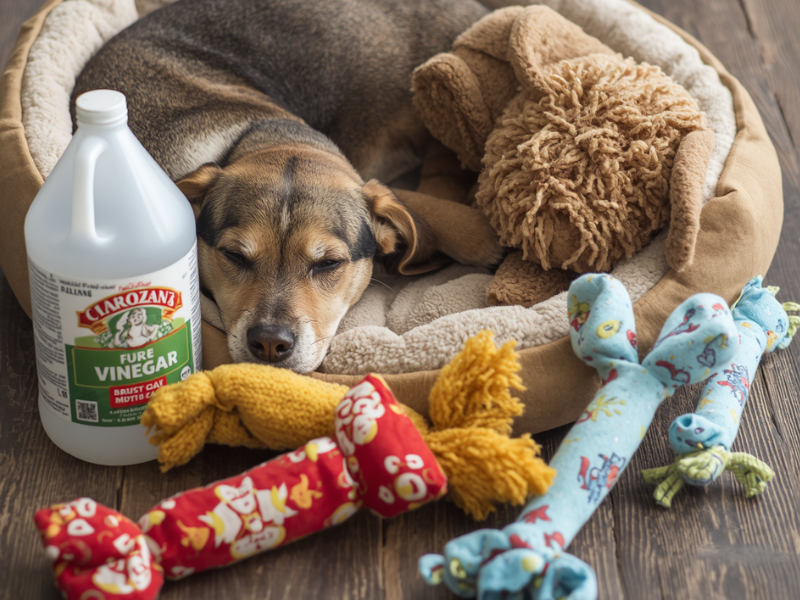
The Good News
Diluted cleaning vinegar (or distilled white vinegar) used on floors, counters, and other wipe‑down surfaces is generally considered low‑risk once it’s wiped up and dry. Using vinegar instead of heavily fragranced cleaners can be easier on sensitive noses (theirs and yours) once the scent dissipates. A nice residual effect is that many pets dislike the smell, which can actually keep them from licking freshly cleaned areas while things dry or even returning to the scene of the crime.
Smart Pet‑Safe Cleaning Habits
- Always dilute for everyday cleaning, a 1:1 mix of vinegar and water (or even milder) is plenty for many surfaces.
- Keep pets out of the area while you’re actively spraying, scrubbing, and letting things sit.
- Wipe or rinse surfaces so there isn’t a pool or strong residue where pets walk or lie down.
- Don’t use vinegar directly on your pet unless a veterinarian explicitly tells you to (and gives you instructions). Home “vinegar baths” and ear rinses can irritate skin and ears if you freestyle it.
If your pet has asthma, allergies, or very sensitive skin, talk with your vet about your cleaning products—vinegar is often a better choice than heavy fragrances, but it’s still worth asking.
Is Vinegar Safe Around Children?
For many parents and grandparents, the concern is simple: if a toddler puts an object recently cleaned with a vinegar solution into their mouth, should I rush the child to the emergency room?
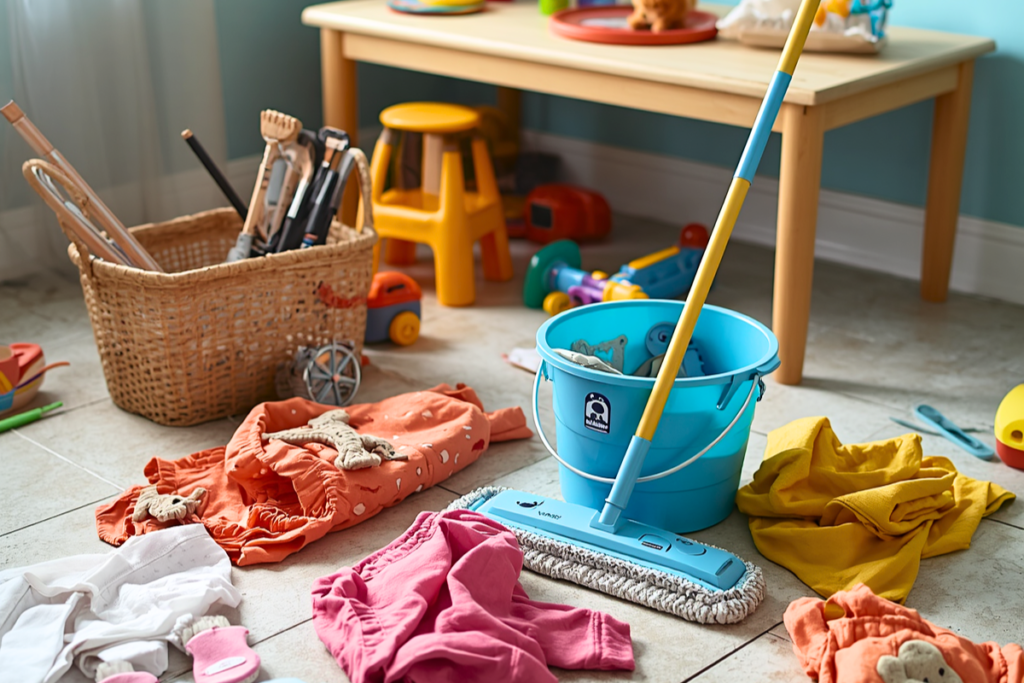
Why Vinegar is Kid‑Cleaning-Routine Friendly (with caveats)
The amount of vinegar in a diluted cleaning solution is pretty small and vinegar has been consumed for centuries in pickled foods and beverages like oxymels, switchels, and shrugs.
If a small amount of diluted vinegar residue is left on a surface, it’s not considered highly toxic the way some cleaning agents are and you’re avoiding synthetic fragrances and some harsher solvents that can irritate small lungs and skin. Besides, you can actually pronounce the main ingredients, which is reassuring compared to long chemical names.
Kid‑Safe Vinegar Cleaning Tips
Store vinegar and homemade cleaners out of reach, just like anything else. “Natural” doesn’t mean “no supervision.”
- Label spray bottles clearly so older kids don’t confuse them with drinking bottles.
- Ventilate while you clean—vinegar has a strong smell, and little lungs can be more sensitive to any fumes.
- Wipe or rinse surfaces that toddlers are likely to mouth or eat from (highchair trays, low tables, toys) so you’re not leaving concentrated acid behind.
You can absolutely use vinegar as part of a kid‑friendly cleaning routine and be sure to treat it with the same respect you’d give any cleaning product.
Vinegar, Laundry, and “Cleaner” Clothes
If you’re looking to simplify your laundry for sensitive skin or reduce the chemical load on fabrics, vinegar can be a helpful helper.
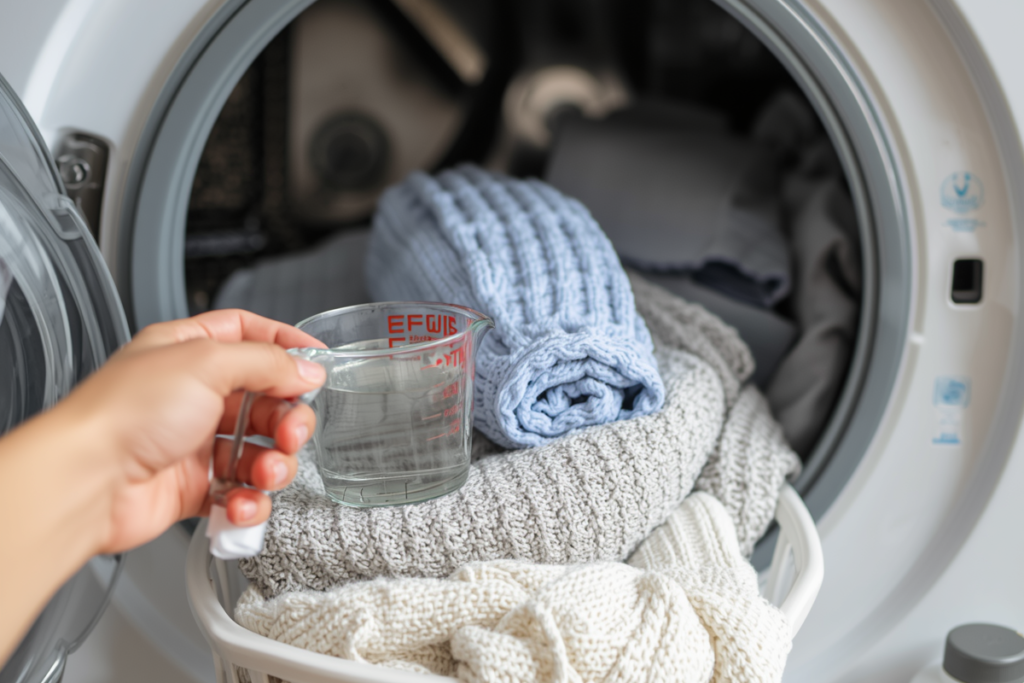
What Vinegar Can Do in the Wash
- Soften fabrics: A half‑cup of white vinegar in the rinse cycle can act as a mild fabric softener, without added fragrance.
- Reduce detergent residue: It can help rinse away leftover detergent, which is great for sensitive or itchy skin.
- Deodorize: Vinegar is good at neutralizing some odors (think musty towels or gym clothes).
Safety Notes for Laundry
- Add vinegar to the rinse compartment, not directly on dry clothes (especially dark or delicate items).
- Don’t mix vinegar directly with bleach in the washer—combining acids and chlorine bleach can release dangerous gases.
- Check the care labels and be cautious with specialty fabrics (silk, wool, and some technical gear).
For many families, a vinegar rinse is a nice solution fo cleaner clothes, less residue, fewer additives.
Vinegar and Plants: Cleaning vs. Weed‑Killing
Here’s where things get tricky, because vinegar is both plant‑safe and plant‑dangerous, depending on how you use it.
Vinegar as a Cleaner Near Plants
Using diluted vinegar to clean outdoor furniture, pots, and patio surfaces near plants is usually fine as long as you’re not dumping it directly onto the soil or leaves. A light splash that gets rinsed away by watering or rain is unlikely to hurt established plants or introduce harmful chemicals into water systems.
Vinegar is a Non-Selective Plant Killer
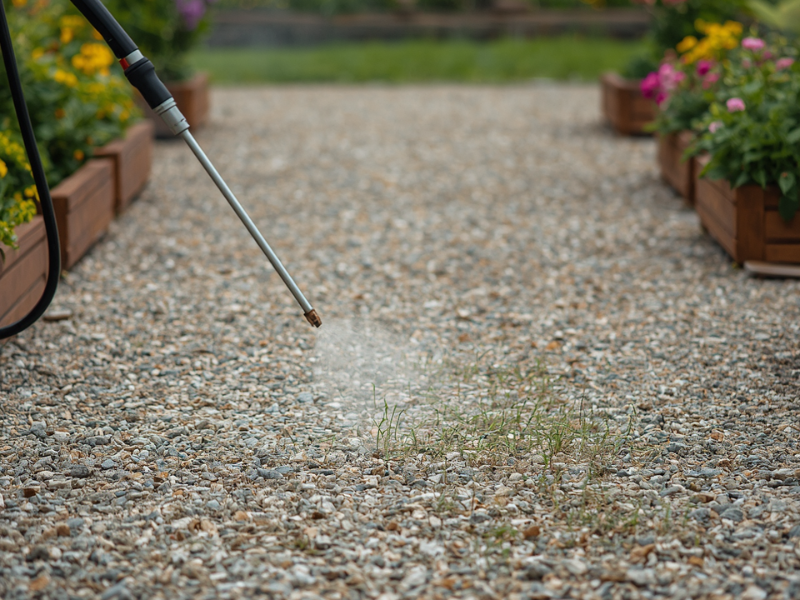
This is the flip side. Stronger horticultural vinegar (and even full‑strength household vinegar) can kill or damage grass, weeds, and tender garden plants by burning their leaves. It’s non‑selective, which means it doesn’t know the difference between “weed” and “baby tomato plant.”
If you choose to use vinegar as a weed killer:
- Aim only at the weeds you want gone, ideally on a dry, sunny day.
- Shield nearby plants as much as you can.
- Understand that it generally works better on small, young weeds than on deep‑rooted, established ones.
For a “pet‑, kid‑, and plant‑safe” lifestyle, you might treat vinegar‑as‑weed‑killer as an occasional, targeted tool and not something you spray around freely where kids and pets play or near cherished garden beds.
Safe, Everyday Vinegar Cleaning Ideas
Here are some places where vinegar really earns its spot in a safety‑first home:
- Kitchen counters (non‑stone): a diluted 1:1 vinegar‑and‑water spray for everyday degreasing and crumb cleanup.
- Glass and mirrors: vinegar plus water in a spray bottle, wiped with microfiber, for a streak‑free finish.
- Bathroom fixtures and glass: spray, let sit a few minutes on soap scum and water spots, then wipe and rinse.
- Microwave interiors: heat a bowl of water with a splash of vinegar, then wipe down softened splatters.
- Fridge shelves and produce drawers: diluted vinegar to clean surfaces where you’d rather avoid heavy chemical smells.
Vinegar works best for maintenance cleaning. For serious mold, heavy contamination, or infection‑risk messes (like raw meat juice), stronger, proven disinfectants are still important.
My Homemade Apple Cider Vinegar Toolkit
I always have the following on hand before I tackle a new kid, pet, or weed-eradication project:
- Distilled White Vinegar– The must-have, multi-purpose base for keeping your home clean with vinegar solutions.
- Microfiber Mop – Safe on All Floors & Easy Use Gentle yet effective on hardwood, vinyl, marble, stone, tile, and cement. Microfiber mop pads won’t scratch surfaces.
- Indoor/Outdoor Collapsible Bucket – Tucks easily into closets, car trunks, or RV cabinets. When expanded, it’s sturdy, spacious, and ready to go.
- Microfiber cloth – Effectively cleans either dry or with liquid cleaners for streak-free results and a lint-free shine
- Glass Spray Bottle – Crafted from high-transparency glass, eco-friendly bottles offer a clear view of liquid levels, ensuring effortless monitoring and usage.
- Essential Oils – Promote well-being and a calm environment for you family with organic essential oils that are free from GMOs and grown without pesticides.
A Final Note to Keep Kids, Pets, and Plants Safe Around Vinegar
One last safety note: even when you’re using simple ingredients like vinegar, always label your homemade cleaners clearly and store them just as carefully as store‑bought products. Keep all sprays, bottles, and concentrates up and away from curious kids and pets. Consider what “natural” might mean to young explorers and take caution to keep your home safer for everyone (including your children in the garden) by placing items where they are out of reach.