
Vinegar and Floors: Safe Solutions for Tile, Laminate, and Vinyl (But Not All Wood)
This post contains affiliate links to products and books I genuinely use and love. If you buy through my links, I may earn a small commission as an Amazon Associate or through my affiliation with other retailers from qualifying purchases that you make at no extra cost to you.
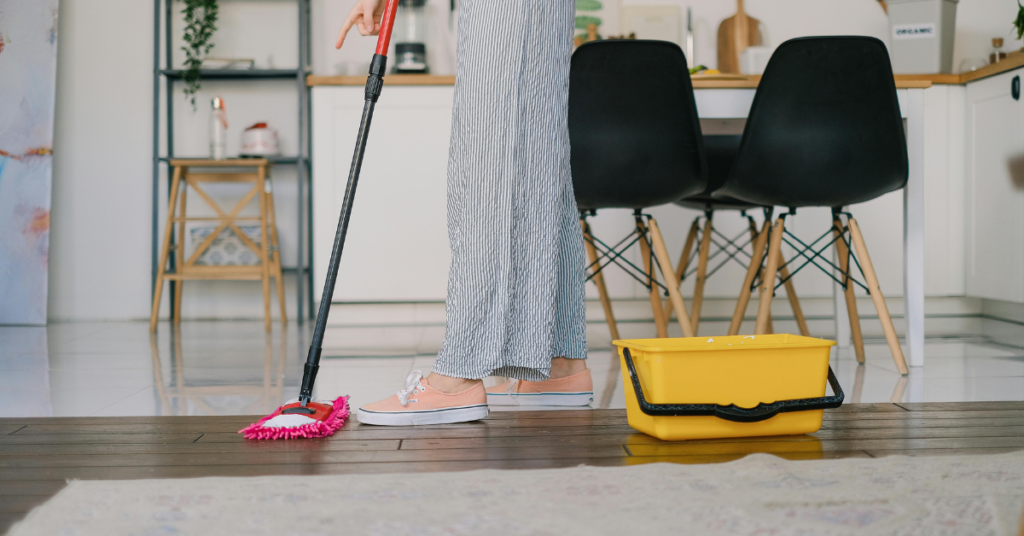
Here’s the thing about vinegar floor cleaning. On some floor surfaces it works wonders as a cleaner. On others it can severely damage, etch, or dry out the flooring. Vinegar can be brilliant for some floors and brutal for others, and the difference comes down to what your floor is made of and how often you’re splashing acid on it. Vinegar is acidic, which makes it great at cutting grease, soap scum, and mineral film but will damage delicate surfaces over time if misused.
The goal isn’t to ban vinegar from your cleaning kit as much as it’s to determine if vinegar is safe for your floor by matching it to the right floors, in the right dilution, and at the right frequency.
Think of this as your floor‑by‑floor compatibility guide where you’ll learn where vinegar shines, where it’s a “sometimes” choice, and where it needs to stay far, far away.
Which Floors Love Vinegar (Used Correctly)
Let’s start with the good news. There are floor types where a diluted vinegar solution is both safe and genuinely effective.
Ceramic and Porcelain Tile (Glazed)
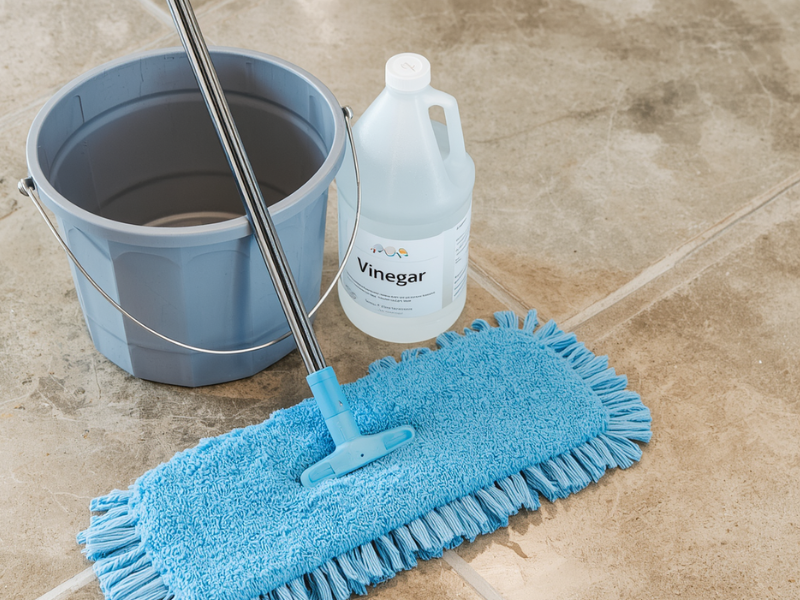
Glazed ceramic and porcelain tile are essentially a hard, non‑porous surface with a baked‑on finish. That shiny (or matte) glaze stands up well to mild acids, so vinegar can help remove:
- Greasy kitchen film
- Soap scum in bathroom tile areas
- Light hard‑water haze on the surface
The main caveats are that the grout lines are more vulnerable than the tile itself and unsealed or poorly sealed grout can gradually erode or discolor if you vinegar‑mop it constantly. Use vinegar occasionally for “reset” cleans, not as an all‑day‑every‑day habit.
Luxury Vinyl Plank (LVP) and Vinyl Sheet Flooring
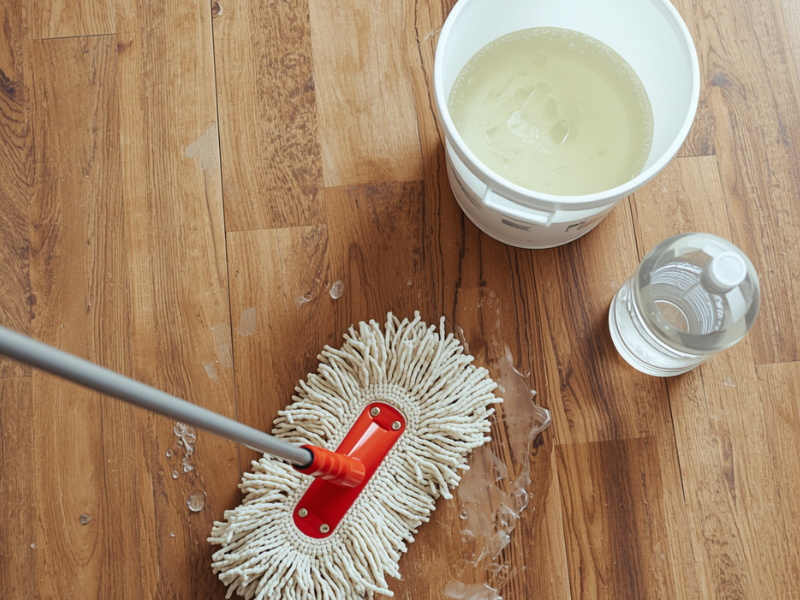
Modern vinyl floors are designed to be low‑maintenance and water‑resistant, with a protective wear layer on top. A dilute vinegar solution can help:
- Cut through kitchen grease and sticky spots
- Neutralize odors (hello, pet accidents)
- Remove light residue that dulls the surface
The key here is dilution and a damp mop, not soaking the floor. You don’t want liquid—or anything harsh—sitting in seams or edges.
Sealed Concrete (Sometimes)
If you have properly sealed interior concrete floors, a mild vinegar solution can occasionally help remove:
- Light mineral film
- General grime in utility areas
However, unsealed or lightly sealed concrete is porous and can be etched or unevenly lightened by acids, so vinegar is only for well‑sealed, non‑decorative surfaces—and even then, sparingly.
Which Floors Tolerate Vinegar (In Small Doses)
Some floors can handle vinegar…as long as you treat it like hot sauce: a little goes a long way, and you don’t put it on everything.
Sealed Laminate Floors
Laminate flooring is basically a decorative layer and protective coating on top of a wood‑based core. It’s very sensitive to standing water and strong, repeated acids or harsh cleaners.
A strong vinegar solution is a bad idea on laminate, but a very mild mix used occasionally on a damp (not wet) mop can be acceptable for cutting greasy footprints or refreshing dingy traffic lanes. If the manufacturer says “no vinegar,” honor that. When in doubt, it’s safer to use pH‑neutral cleaners specifically labeled for laminate and treat vinegar as an occasional “spot helper” only.
Some Tough, Factory‑Finished Engineered Floors
A few engineered wood products have extremely tough, factory‑applied finishes that tolerate mild acids better than traditional site‑finished hardwood. Even so, vinegar is not a daily cleaner here.
If—and only if—your manufacturer allows it, a very dilute solution might be used very occasionally to break down residue. But in general, even “tough” engineered floors are happier with pH‑neutral or manufacturer‑approved cleaners.
Which Floors Get Ruined by Vinegar
Here’s the part vinegar‑everything cleaning hacks must skip because some floors really do get damaged, dulled, or dried out by repeated vinegar cleaning.
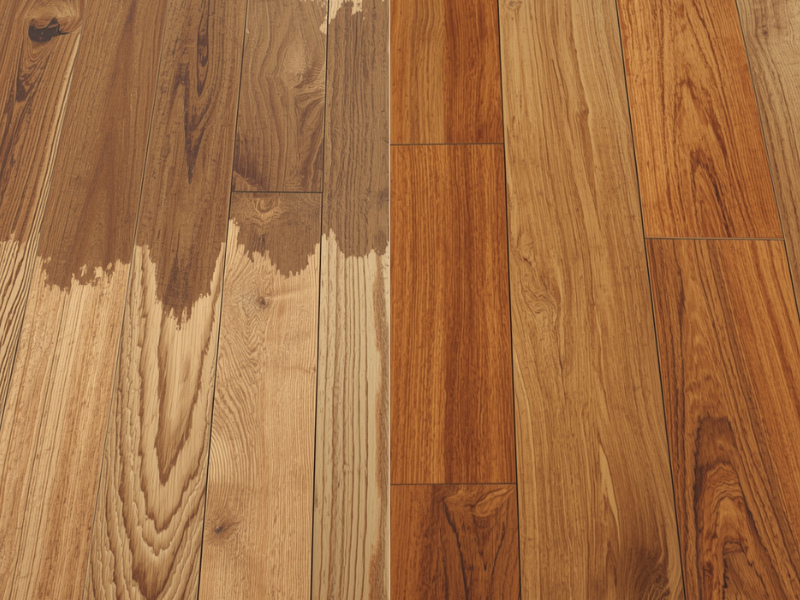
Hardwood Floors (Especially Site‑Finished)
Traditional hardwood floors, whether oak, maple, or another species, are protected by a finish that can gradually degrade with acid exposure. Vinegar can:
- Dull the sheen of the finish over time
- Dry and stress the finish and, indirectly, the wood underneath
- Potentially create cloudy or uneven areas, especially where the finish is already thinning
On older or already‑worn floors, vinegar can accelerate the need for refinishing. It’s far better to use cleaners specifically formulated to be pH‑balanced for wood and to avoid vinegar entirely for routine hardwood care.
Natural Stone: Marble, Travertine, Limestone, Slate
Natural stone and vinegar are a terrible match. Many stones contain calcium carbonate, which reacts with acid. Vinegar can:
- Etch and dull polished marble and limestone
- Create permanent cloudy spots or “rings”
- Roughen surfaces that were once silky smooth
Even sealed stone can be slowly etched if you repeatedly mop with vinegar. Stone floors need stone‑safe, pH‑neutral cleaners, not acids.
Unsealed Concrete, Terra Cotta, and Other Porous Surfaces
Any porous surface that can absorb moisture can also absorb vinegar, which may:
- Unevenly lighten or blotch the surface
- Etch areas where vinegar pools or dries
- Weaken certain traditional or soft materials over time
If it’s porous and pretty, say terra cotta, Mexican tile, or old porous brick, then it’s best to assume vinegar is not invited unless a stone/tile pro specifically okays it.
Simple Vinegar Floor Cleaning “Recipe Cards”
Now that we’ve divided floors into “love,” “tolerate,” and “absolutely not,” here are quick recipes for the safe group. These use standard 5% white distilled vinegar.
First, here are some simple vinegar floor cleaning tools to have on hand.
This is the workhorse I reach for all my household cleaning chores. Buying it by the gallon keeps costs low and means you’re not constantly running out mid‑laundry day.
Guessing “about a cup” of vinegar is an easy way to overdo it. A little measuring cup or a clearly marked pour bottle makes it simple to add the right amount to your rinse compartment every time without splashing all over the place.
My mop inlcudes 3 reusable microfiber cloths and 1 dirt removal scrubber so I can use it on all kinds of flooring (whether I’m using a vinegar cleaning solution or not) such as hardwood, tile, marble, laminate, or vinyl.
I like keeping a smaller, easy‑to‑grab spray bottle of vinegar in the laundry room for special stains and uses.
For those surfaces on which you should never use vinegar (see above).
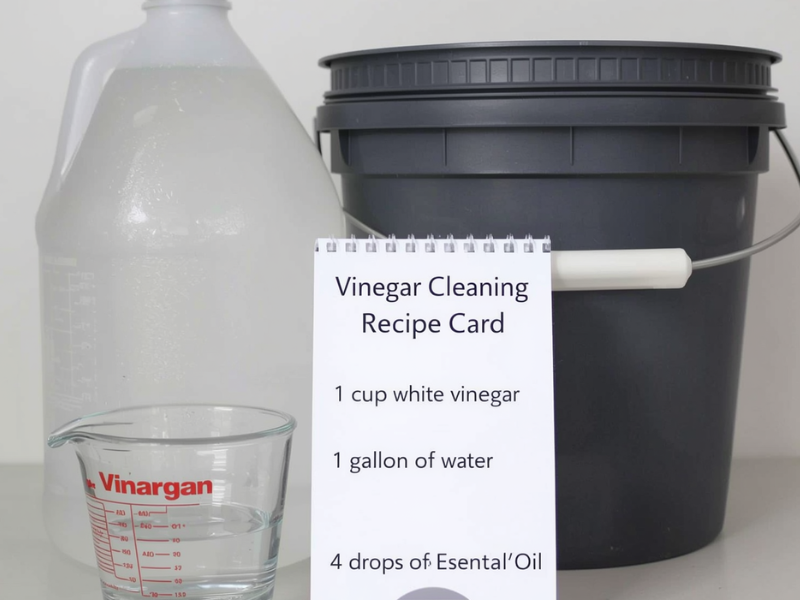
Recipe Card: Glazed Tile Floors (Ceramic/Porcelain)
Best for: Kitchen and bath floors with glazed ceramic or porcelain tile (not natural stone).
- Bucket size: 1 gallon warm water
- Vinegar: ½ cup
- Optional: a drop of gentle dish soap for greasy kitchens
How to use:
- Sweep or vacuum first.
- Dip a mop, wring until damp—not dripping—and mop in sections.
- For grout, avoid scrubbing vinegar in daily; use this mix occasionally for reset cleans, then rinse with plain water.
- Dry with a towel or let air‑dry in a well‑ventilated area.
Frequency:
- Once every week or two for general tile.
- Reserve heavier grout scrubbing with vinegar for once‑in‑a‑while deep cleans, not daily maintenance.
Recipe Card: Vinyl Floors (LVP, Vinyl Sheet, Vinyl Tile)
Best for: Modern vinyl floors with an intact wear layer.
- Bucket size: 1 gallon warm water
- Vinegar: ¼–½ cup (start with ¼ cup)
How to use:
- Sweep or vacuum thoroughly first.
- Mop with a barely damp microfiber mop—squeeze out excess solution.
- Avoid flooding seams or edges; no standing puddles.
- If the floor looks dull, first check you’re not leaving residue from other products before increasing vinegar.
Frequency:
- Weekly or as needed for greasy, high‑traffic zones.
- Alternate with pH‑neutral cleaners if you’re mopping very frequently.
Recipe Card: Sealed Utility Concrete (Garage/Mudroom Only)
Best for: Sealed, not‑decorative interior concrete where slight dulling isn’t a big deal.
- Bucket size: 1 gallon warm water
- Vinegar: ½ cup
How to use:
- Sweep well, then mop with a damp mop.
- Rinse with plain water if you see any film.
Frequency:
- Occasional use for mineral film or greasy messes.
- Note: For decorative or stained concrete, check manufacturer guidance—vinegar may be off the table.
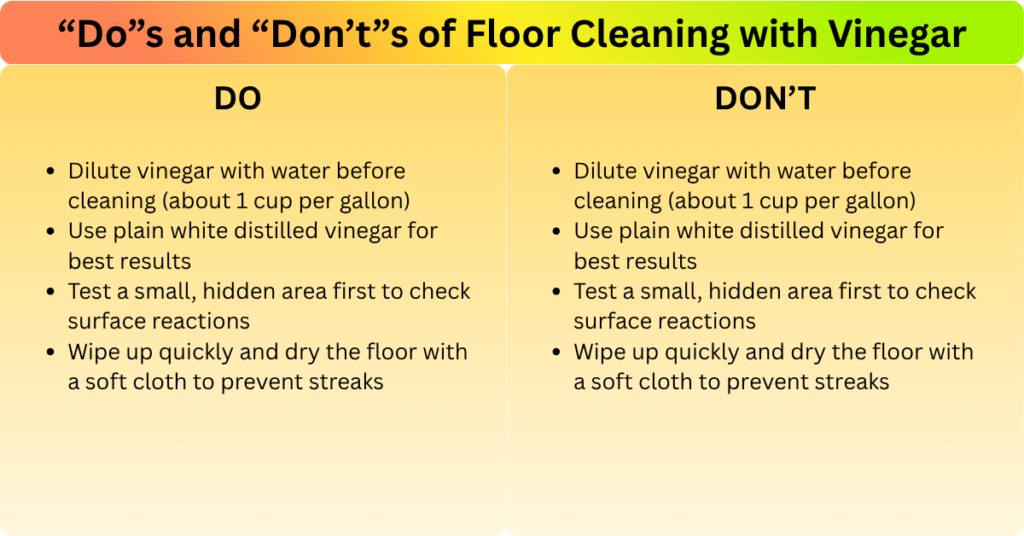
Vinegar Floor Cleaning FAQs
Is vinegar good for floor cleaning?
Yes—for the right floors. It’s great for glazed tile and many vinyl floors when diluted properly and used with a damp mop. It’s not appropriate for hardwood, most natural stone, or porous decorative surfaces.
Is vinegar safe for laminate floors?
Only with caution. Many manufacturers advise against vinegar because repeated acid and too much water can damage the surface and core. If you use it at all, keep it very dilute, very occasional, and always with a lightly damp mop—never a wet one.
Why shouldn’t I use vinegar on hardwood or stone?
On hardwood, vinegar can slowly dull and break down the finish, making floors look cloudy and worn before their time. On natural stone like marble or limestone, the acid can chemically etch the surface, leaving permanent dull spots and marks.