
Laundry with Vinegar: Freshen, Soften, and De‑Stink Without Ruining Your Washer
This post contains affiliate links to products and books I genuinely use and love. If you buy through my links, I may earn a small commission as an Amazon Associate or through my affiliation with other retailers from qualifying purchases that you make at no extra cost to you.
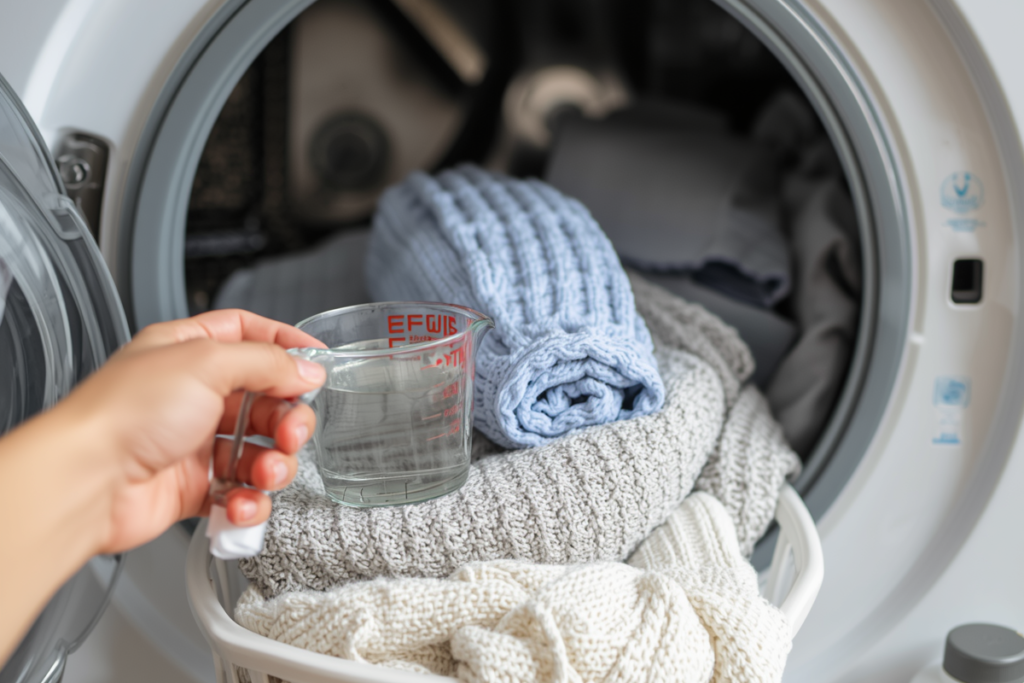
Exactly how much vinegar should you add to your laundry for odors, softening, and brightening—and when is it actually a bad idea?
In this guide, we’ll walk through the right amounts, the right moments, and the real limits of using vinegar in your washer so you don’t accidentally shorten its life.
/h
Why Use Vinegar in Laundry?
Vinegar has earned its reputation as a natural deodorizer and cleaner, especially if you’re trying to cut back on synthetic fragrances and heavy detergents. Knowing how to use vinegar in laundry can help reduce stubborn odors in towels, gym clothes, and pet bedding and rinse away detergent and hard‑water buildup that makes fabrics feel stiff. Adding vinegar instead of fabric softener to the rinse cycle can help cut some dingy film so colors look fresher and lighter items look less tired.
The flip side is that vinegar is still an acid. Used too often or in large amounts, it can be rough on rubber seals, hoses, and some internal parts of modern washers, especially front‑load and high‑efficiency machines. The key is targeted, occasional use—not dumping in a cup “just because” every time you do a load.
Exactly How Much Vinegar to Use for Odors
If your number‑one problem is smell of sour towels, musty clothes, or strong sweat odor then vinegar can be useful in the rinse.
Routine Odor Control
For a mildly smelly load (think: dish towels or lightly funky T‑shirts):
- Add ¼ to ½ cup white distilled vinegar to the rinse or fabric softener compartment.
- Run the load with your usual detergent.
This gives you a deodorizing boost without flooding the machine with acid.
Heavy Odor: Towels, Gym Gear, and Pet Bedding
For intense odor (sour bath towels, workout gear, pet blankets):
- Add up to 1 cup vinegar to the rinse or softener compartment for that single load.
- Avoid doing back‑to‑back “heavy vinegar” loads.
Vinegar Pre‑Soak for Stubborn Stink
If you’d rather keep vinegar out of the washer altogether or the odor is really set in:
- Fill a basin or tub with warm water.
- Add about 1 cup white vinegar.
- Soak the items for 15–30 minutes, then wring and wash as usual with detergent (no vinegar added in the machine).
If vinegar consistently feels like the only thing that fixes odor, it may be a sign that you’re using too much detergent and it isn’t rinsing fully away. Try dialing your detergent back for a few loads and see if odors improve on their own.
How Much Vinegar to Soften Scratchy Laundry
“Vinegar as fabric softener” is a popular hack, but what it’s really doing is helping rinse away residue that makes fibers feel stiff.
For Towels and Line‑Dried Jeans
When towels feel like sandpaper or line‑dried jeans could stand on their own add ½ cup white vinegar to the rinse or softener compartment for that load.
For Sheets and Everyday Clothing
For lighter softening without overdoing it use ¼ cup vinegar in the rinse.
Notice the Difference that Vinegar is Making with Laundry
Start small; if you notice a difference, you’ve probably also uncovered a detergent‑buildup issue you can fix by using less detergent in future loads.
If your laundry suddenly feels much softer after adding vinegar, take that as a clue that your regular routine is leaving buildup behind.
How Much Vinegar to Brighten Laundry
Vinegar is not a replacement for bleach or oxygen boosters, but it can help reduce the dull, cloudy look caused by minerals and excess detergent. I don’t include a vinegar batch with every laundry wash, but try to stick to a schedule of adding vinegar every fourth wash.
For Slightly Dingy Colors or Lights
- Wash with your normal detergent.
- Add ½ cup vinegar in the rinse or softener compartment.
This is a good occasional treatment for loads that look a bit tired, not an every‑wash habit.
For Washcloths and Kitchen Towels
These small, hardworking items often pick up grease, food stains, and odor and occasional cleaning with vinegar can prolong their lifetime of use:
- Soak in warm water with ½–1 cup vinegar for about 30 minutes.
- Then wash them with detergent only (no extra vinegar in the machine).
Avoid vinegar on fabrics with pH‑sensitive dyes; in rare cases, too much acid can shift colors instead of brightening them.
How to Protect Your Washer While Using Vinegar

Now for the machine‑safety part—because a fresh towel isn’t worth a wrecked washer.
1. Keep Vinegar Out of the Bare Drum
Many modern washer manufacturers caution against pouring vinegar directly into the empty drum. Repeated exposure to acid can accelerate wear on door seals, hoses, and certain metal parts and finishes.
Instead use the fabric softener or rinse compartment so the vinegar is diluted and enters only in the final rinse or keep vinegar entirely outside the machine by using pre‑soaks and then running a normal wash with detergent only. When cleaning use a spray bottle and wipe vinegar immediately after spraying to protect rubber parts.
2. Use Vinegar Occasionally, Not Every Load
Vinegar works best as a targeted fix, not a permanent stand‑in for detergent or softener.
Some reasonable limits:
- Towels: a vinegar rinse once a week at most
- Gym clothes: only on notably smelly loads
- Everyday clothing: only when you’re solving a specific problem (odor, stiffness, slight dinginess)
If you find yourself reaching for vinegar every single time you do laundry, it’s worth revisiting your detergent amount, water temperature, and machine cleaning routine instead.
3. Never Mix Vinegar with Bleach
This one is non‑negotiable: do not mix vinegar and chlorine bleach in the same load. Combining acid and bleach can release dangerous chlorine gas. If you’re using bleach in the wash, skip vinegar entirely for that load.
If you just ran a bleach cycle, wait for a future non‑bleach load before using vinegar again.
Also skip baking soda + vinegar “volcano experiments” in your washer; they neutralize each other and don’t clean better together.
When You Should Not Use Vinegar in Laundry
Vinegar is handy, but it’s not a universal solution. Consider skipping it when you have a new or premium washer under warranty whose manual warns against vinegar or you’re washing delicate fabrics (like some rayons, linens, silks, or items with elastic) that may not love repeated acid exposure.
These item uses pH‑sensitive dyes, and you don’t want to risk subtle color shifts. Don’t worry. Your detergent is already doing its job—no odor, no stiffness, no dinginess—so vinegar isn’t solving an actual problem, just adding acid to the mix.
In many cases, the better long‑term moves are using the right amount of detergent (often less than the cap suggests and running a periodic “clean washer” cycle with a product recommended by your machine manufacturer
Reserve vinegar for those truly problematic loads where smell and stiffness won’t back down.
A Real‑Life Example Laundry Routine Using Vinegar Safely
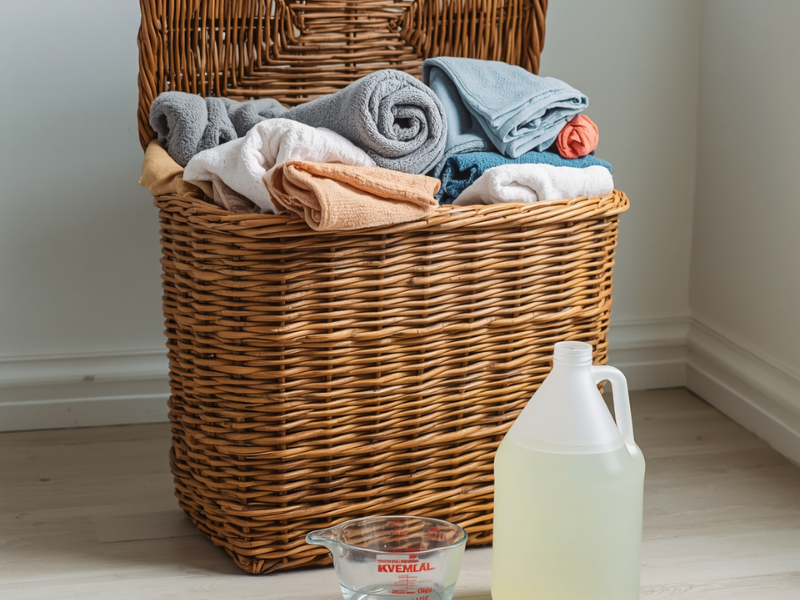
Here’s how you might put all this into practice in a typical week:
- Monday: Tower of towels
- Wash with a normal or slightly reduced dose of detergent.
- Add ½ cup vinegar in the softener compartment for that load only to freshen and soften.
- Mid‑week: Gym and sports gear
- If the clothes are very smelly, pre‑soak them for 20–30 minutes in warm water with 1 cup vinegar, then wash as usual with detergent only.
- Everyday clothes: T‑shirts, jeans, workwear
- No automatic vinegar.
- If a particular load smells musty, use ¼–½ cup vinegar in the rinse one time, then return to your regular (vinegar‑free) routine.
This approach lets vinegar shine where it’s actually needed—odors, stiffness, light dinginess—without turning your washer into a full‑time acid bath.
Simple Vinegar Laundry Tools
If you want vinegar to actually earn its spot in your laundry room, a few simple tools make the whole routine easier and more repeatable.
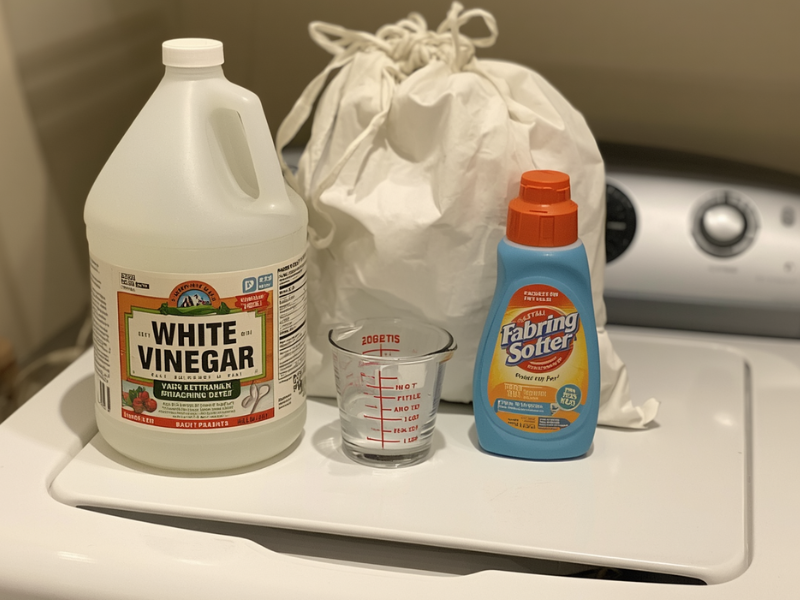
This is the workhorse I reach for when I’m softening towels, tackling musty smells, or doing a quick washer clean‑out. Buying it by the gallon keeps costs low and means you’re not constantly running out mid‑laundry day.
Guessing “about a cup” of vinegar is an easy way to overdo it. A little measuring cup or a clearly marked pour bottle makes it simple to add the right amount to your rinse compartment every time without splashing all over the place.
These reusable little helpers can stand in for scented dryer sheets. They gently bump clothes around to help them dry faster and feel softer, which pairs nicely with using vinegar in the wash instead of fabric softener.
I like keeping a smaller, easy‑to‑grab spray bottle of vinegar in the laundry room for special stains and uses.
You don’t need a fancy setup—just a few pieces that make using vinegar in laundry feel straightforward instead of like another experimental project.