
Vinegar Oxymel Guide for Health
(Plus 3 Easy Oxymel Recipes)
This post contains affiliate links to products and books I genuinely use and love. If you buy through my links, I may earn a small commission as an Amazon Associate or through my affiliation with other retailers from qualifying purchases that you make at no extra cost to you.
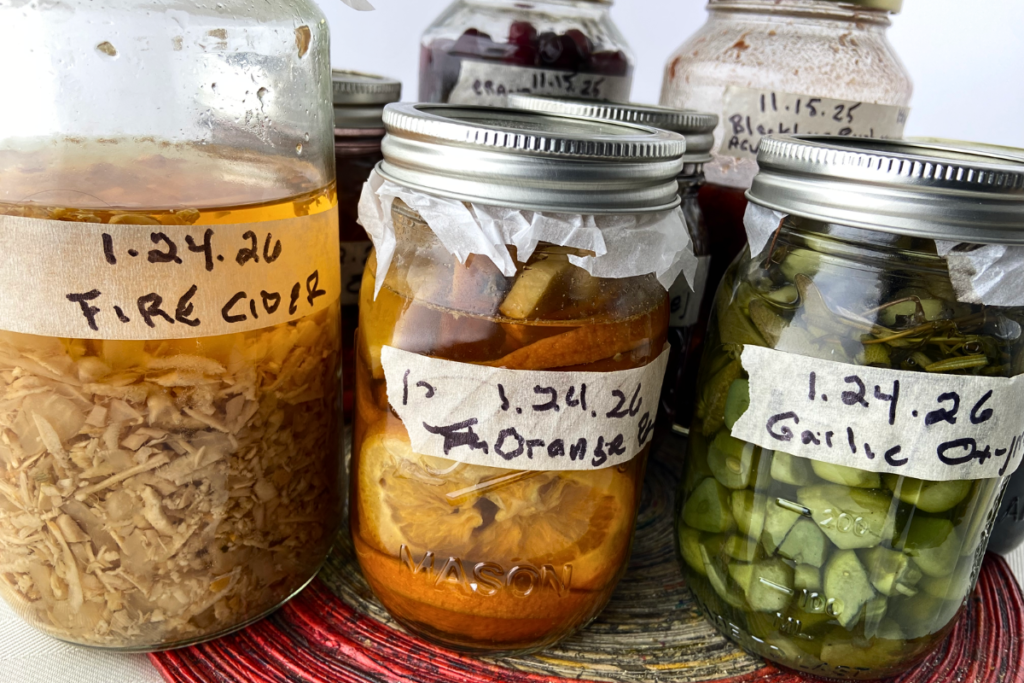
Are you familiar with oxymels? If not, chances are you soon will be.
Oxymels are an ages-old sweet-tart blend of honey and vinegar, often infused with herbs, fruits, and vegetables like horseradish, onion, and garlic, and they are undergoing a well-deserved renaissance in modern kitchens.
They’re simple to make, surprisingly versatile (food, drinks, and “daily tonic” style uses), full of flavor and healthy nutrients, and they connect you to a lineage of home herbalism that stretches back thousands of years.
What is a Vinegar and Honey Oxymel?
At its core, an oxymel is a mixture of vinegar and honey (sometimes diluted, sometimes infused), creating a balanced flavor that’s simultaneously bright, mellow, and complex. Many makers add herbs, roots, spices, or berries that enhances the oxymel’s reputation as traditional “food as medicine” that makes oxymels so appealing today.
Think of it as a pantry staple that can behave like a mocktail mixer, a salad dressing base, a marinade booster, or a spoonful-in-warm-water health tonic, depending on how you use it.
For generations, oxymels have fit naturally into everyday health traditions as a simple way to fold small, consistent acts of care into normal kitchen life. Instead of feeling like a chore or a prescription, they show up in familiar, comforting routines: a splash in a glass of water before meals to support digestion, a soothing spoonful in warm water on cold evenings, or a drizzle over fresh vegetables to make wholesome food a little more exciting.
The ingredients themselves are part of what makes oxymels feel so at home in a healthy-living lifestyle—vinegar is associated with supporting blood-sugar balance and gut-friendly acidity, honey is beloved as a soothing, time-honored sweetener, and herbs bring their own stories of traditional use.
When you tuck an oxymel into your pantry or fridge, you’re not just making a trendy tonic; you’re creating an everyday ritual that nudges you toward drinking more water, eating more plants, and paying just a bit more attention to how you nourish yourself and your family.
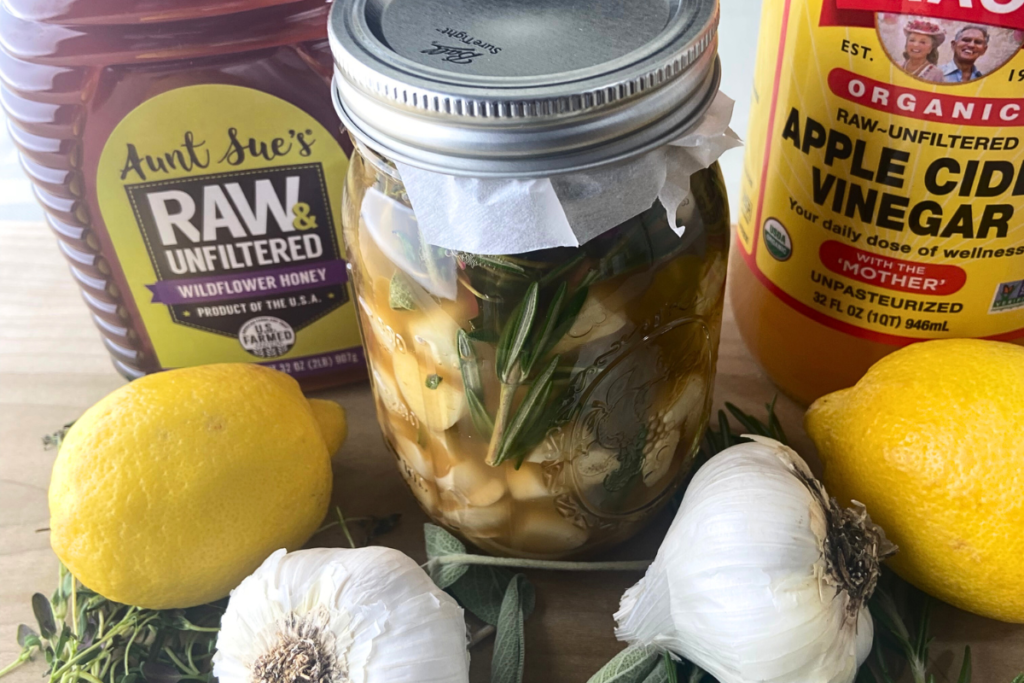
Vinegar Oxymels are Easy to Create in the Kitchen
If you’re searching for an easy entry point into herbal preparations, oxymels are one of the most approachable options because they don’t require specialized tools, complicated temperature control, or advanced technique.
The “recipe” can be as simple as combining vinegar and honey, adding a plant material to infuse the health benefits of herbs, fruits, or veggies in a mason jar, sealing the jar and storing for weeks, and then straining and jarring the liquid.
That ease of creation and flexibility of possible ingredients is part of the magic—oxymels are forgiving, adaptable, and endlessly customizable, which is why they fit so well into modern seasonal cooking and DIY wellness routines.
A Brief History: From Ancient Remedy to Everyday Staple
The word “oxymel” comes from Greek roots meaning “acid and honey,” reflecting the fundamental pairing at the heart of the preparation. Historical accounts commonly connect oxymel with Hippocrates and early Greek medicine, where honey-and-vinegar preparations were used in traditional approaches to respiratory and digestive complaints.
As the idea spread through cultures and trade routes, variations developed, including the Persian tradition of serkangabin (also rendered as sekanjabin), which similarly centers vinegar and honey and became a richly elaborated category in Persian medical and culinary practice. Eventually oxymel recipes found their way into and across Europe throughout the medieval era as part of household “kitchen medicine,” valued for their shelf stability and the way they could be adapted using locally available botanicals.
Oxymels were also valued because they could preserve healthful and beneficial herbs in a sweet-and-sour base that could be pleasant enough to take (years before Mary Poppins advocated for a “spoonful of sugar to help the medicine go down”) and practical enough to always have them on hand.
Why Oxymels Faded from the Pantry (and Why They’re Back)
Oxymels began to wane in popularity in the late 19th and 20th centuries as pharmaceutical medicines became widely available, processed foods changed tastes and ingredient norms, and refrigeration reduced the everyday need for vinegary preservation methods at home.
As a result, many household practices associated with herbal preparations were increasingly framed as “old-fashioned” or relegated to niche traditions, even when the underlying ingredients (honey, vinegar, herbs) remained commonplace.
The Renaissance: Rosemary Gladstar and Herbal Movements
The revival of oxymels is closely linked to the emergence of contemporary herbalism and the influence of Rosemary Gladstar, often called the “Godmother of American Herbalism.”
Gladstar, influenced by the self-sufficiency and empowerment movements of the 1970s and 80s, encouraged “medicine-making as kitchen craft.” She coined and popularized “Fire Cider,” an invigorating oxymel featuring apple cider vinegar, honey, and pungent roots and spices.
Gladstar’s recipes and her ethos of sharing, adaptability, and public domain herbal knowledge sparked a global herbal movement. Her advocacy ensured “Fire Cider” recipes remain open, not trademarked, reinforcing oxymels as a gift to be shared, adapted, and enjoyed by current and future generations.
Today, oxymels have become part of the herbalist’s toolkit and the curious home cook’s pantry. Fire Cider!: 101 Zesty Recipes for Health-Boosting Remedies Made with Apple Cider Vinegar by Rosemary Gladstar and Friends is a must-have resource in every kitchen for wonderful and inspiring oxymel recipes.
The “Fire Cider” name also became widely discussed because of a trademark dispute that ultimately affirmed the term as generic in the U.S., reinforcing the idea that this tradition belongs to the community rather than any single company.
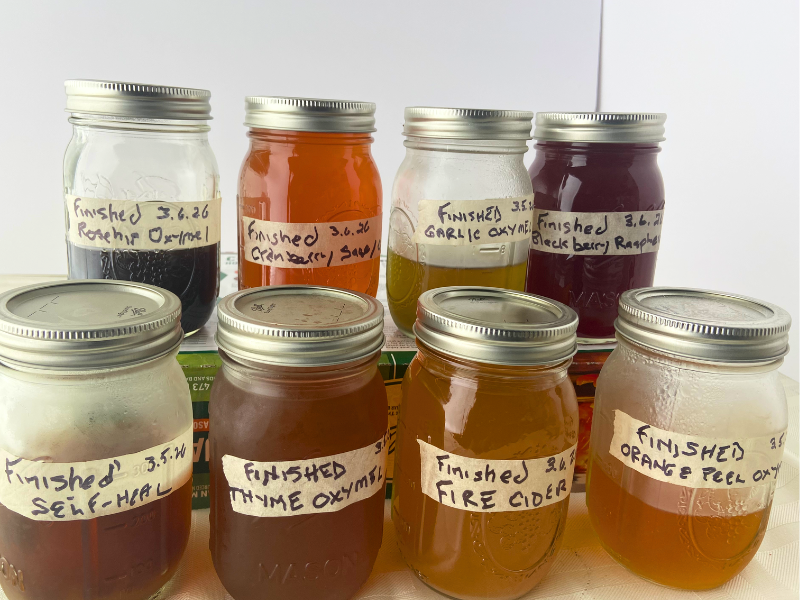
Limitless Opportunities for Oxymel Exploration
Today’s renaissance is fueled by a mix of culinary creativity and renewed interest in traditional skills. In defiance of chemically created ingredients and additives, people want functional foods, pantry-based wellness habits, and hands-on kitchen projects that feel empowering rather than intimidating.
Oxymels sit right at that intersection: they’re simple enough for beginners and yet nuanced enough for experienced herbalists and adventurous cooks to keep exploring. Websites like All Things Vinegar make sharing and swapping combinations of “what I used from my garden” variations, which keeps oxymel-making lively and accessible instead of rigid and rule-bound.
Oxymels are Where Tradition Meets Modern Interest
Oxymels are celebrated for both flavor and their traditional role in supporting everyday wellness routines. Many health-forward claims around oxymels come from folk practice and long-standing traditional use, while modern research more often evaluates the components (vinegar, honey, and specific herbs) rather than proving a single, universal “oxymel effect” for every recipe variation.
That said, the ingredient logic is straightforward: vinegar contributes acidity (including acetic acid), honey contributes sweetness and soothing qualities, and herbs contribute a broad range of plant compounds that people value for culinary and traditional purposes.
The most commonly sought benefits of oxymels include:
- Digestive support is a common traditional use, especially when oxymels are taken diluted before or with meals.
- Soothing support for seasonal throat and respiratory discomfort is a frequent historical and folk framing for honey-and-vinegar preparations.
- Culinary versatility is a “benefit” that matters in real life: if something tastes good, people actually use it consistently.
A Note About Oxymels and Medical Applications
This guide is for educational and informational purposes only and is not a substitute for medical advice, diagnosis, or treatment. Oxymels are traditional food-based preparations that many people enjoy as part of their home kitchen and wellness routines, but they are not meant to diagnose, treat, cure, or prevent any disease.
Always consult a qualified healthcare provider before using herbal preparations, especially if you are pregnant, nursing, taking medications, or have underlying health conditions. Use your own good sense, listen to your body, and when in doubt, check in with a trusted practitioner before trying something new.
How to Make Oxymels at Home
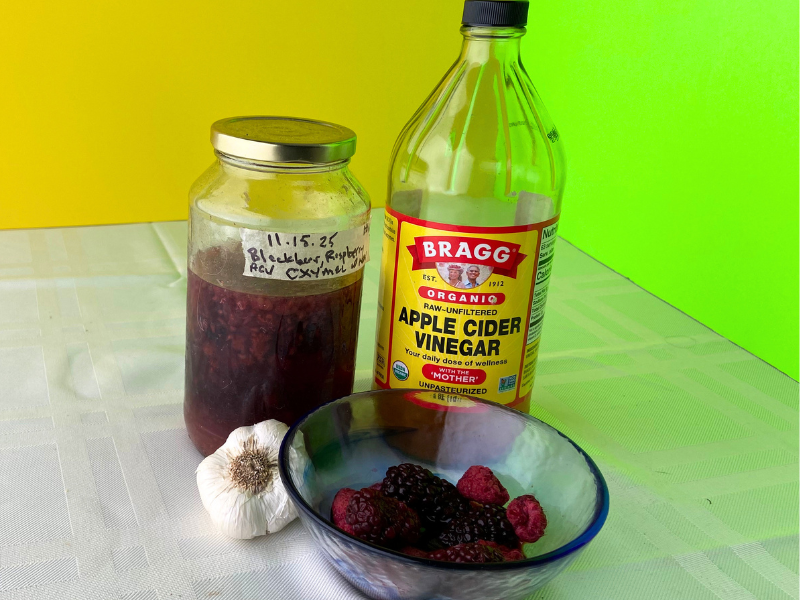
One reason oxymels have returned to popularity so widely is that they’re genuinely easy to prepare in the kitchen with minimal equipment. All you often need is just a mason jar, parchment paper, your favorite vinegar, raw honey, a fine strainer, and storage jars.
Most beginners start with a basic ratio concept (sweeten vinegar with honey to taste), then experiment with herbs and flavorings based on what’s seasonal or what they already have in the pantry. Because the method is flexible, you can make oxymels that lean culinary (think rosemary-citrus) or more traditional-tonic style (think ginger-garlic or thyme), depending on your goals and palate.
What You Need to Get Started
Apple cider vinegar gives oxymels many of their health benefits and adds flavor and zest to the tonic.
Provides subtle flavor while infusing with oxymel ingredients.
Provides sweetness and helps offset the acidic vinegar taste.
I look for BPA-free jars with lids that are ideal for creating oxymels and preserving and pickling fruits and vegetables.
I can either compost the oxymel ingredients or save them in salads or sauces.
Three Vinegar and Honey Oxymel Recipes You Can Make Right Now
This guide is for educational and informational purposes only and is not a substitute for medical advice, diagnosis, or treatment. Oxymels are traditional food-based preparations that many people enjoy as part of their home kitchen and wellness routines, but they are not meant to diagnose, treat, cure, or prevent any disease. Always consult a qualified healthcare provider before using herbal preparations, especially if you are pregnant, nursing, taking medications, or have underlying health conditions. Use your own good sense, listen to your body, and when in doubt, check in with a trusted practitioner before trying something new.
Hearthside Thyme & Honey Oxymel
Equipment
Ingredients
- 1 Cup Raw Organic Apple Cider Vinegar
- 1 Cup Raw & Unfiltered Honey
- 1/2 Cup Dried Thyme
- 1 Strip Lemon Peel (optional)
Instructions
- Add the thyme and optional lemon peel to a clean, dry glass jar with a tight-fitting lid
- Pour in the apple cider vinegar until the herbs are fully covered, then add the honey and stir with a non-metal spoon until well combined (or cap and gently shake)
- Make sure the herbs are submerged; if they float, you can tuck them under a small piece of parchment, place them under a pickling weight for a mason jar or give the jar a daily gentle shake.
- Label the jar with the contents and date, then let it infuse at room temperature, out of direct sunlight, for 2–4 weeks, shaking gently when you remember.
- Strain the oxymel through a fine-mesh strainer or cheesecloth into a clean jar or bottle, squeezing the herbs well to capture every drop.
- Store your finished oxymel in the pantry or fridge;use within 6–12 months for best flavor.
Notes
- Stir 1–2 teaspoons into warm (not boiling) water for a cozy evening sip.
- Splash into homemade broth, beans, or roasted vegetables to brighten and deepen flavor.
- Use as part of a salad dressing with olive oil and a pinch of salt and pepper.
Garden Ginger–Rosemary Oxymel
Equipment
Ingredients
- 1 Cup Raw Apple Cider
- 1 Cup Raw & Unfiltered Honey
- 1/4 Cup Fresh Ginger, thinly sliced
- 1/4 Cup Fresh Rosemary, roughly chopped
- 1/2 Tsp Whole Black Peppercorns (Optional for additional warmth)
Instructions
- Place the ginger, rosemary, and optional peppercornsinto a clean glass jar.
- Pour in the vinegar and honey, then stir or gentlyshake until the honey is mostly dissolved.
- Cover with a non-reactive lid; if you’re using a metallid, place a piece of parchment between the lid and the oxymel to protect itfrom the vinegar.
- Infuse for 2–3 weeks at room temperature, out of direct sun, shaking daily.
- Taste after 2 weeks; if you’d like it stronger, let itgo a bit longer before straining.
- Strain well and bottle; label with the name and dateand keep in a cool cupboard or the fridge.
Notes
- Add 1 tablespoon to sparkling water over ice with a squeeze of fresh citrus.
- Drizzle over roasted root vegetables or winter squash at the table.
- Use a small splash to finish pan sauces for chicken, mushrooms, or hearty greens.
Orchard Berry–Citrus Oxymel (Fruit-Infused)
Equipment
Ingredients
- 1 Cup Raw Organic Apple Cider Vinegar
- 1 Cup Raw & Unfiltered Honey
- 1 Cup Mixed Berries such as Raspberries, Strawberries, and Blueberries(Fresh or Frozen)
- 1 Zest Citrus rind (Lemon, Lime, or Orange)
Instructions
- Add the berries and citrus zest to a clean glass jar,lightly crushing the fruit with a spoon to release juices
- Pour in the vinegar and honey, stirring until the honey is mostly incorporated.
- Cap the jar and place it on a small plate in case of minor fizzing or leakage as the fruit releases liquid.
- Let the mixture infuse for 1–2 weeks in a cool, dark spot, giving the jar a gentle shake once a day.
- Strain through a fine-mesh sieve, then through cheesecloth if you’d like a clearer oxymel; press the fruit to extract as much liquid as you can
- Bottle and refrigerate for best color and freshness; use within several months.
Notes
- Mix 1–2 tablespoons with still or sparkling water for a simple shrub-style drink.
- Drizzle lightly over yogurt, oatmeal, or vanilla ice cream as a tangy-sweet sauce.
- Whisk with olive oil for a bright berry vinaigrette over tender greens.