
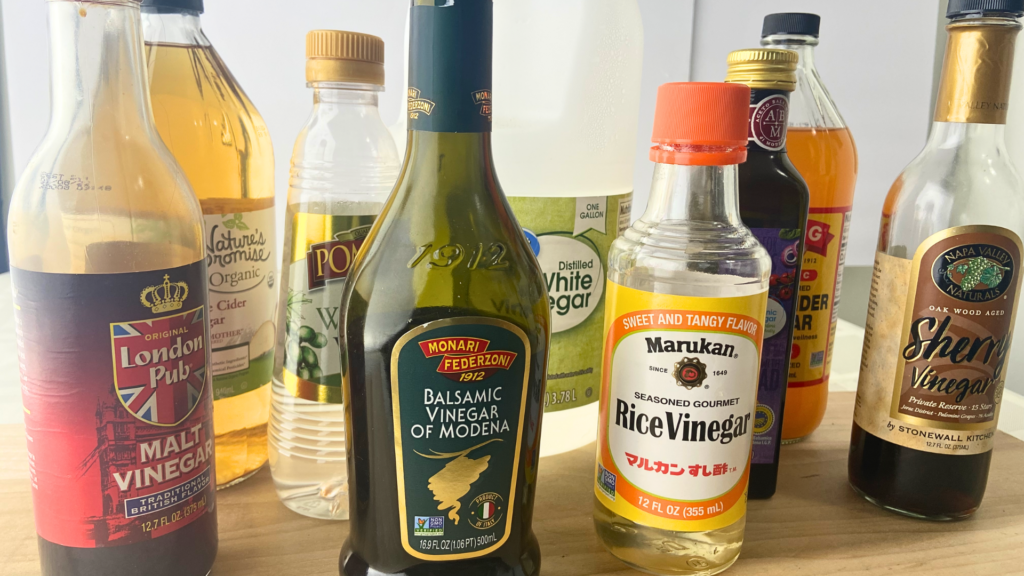
Vinegar 101: A Comprehensive Guide to Culinary and Cleaning Vinegar
Vinegar is a simple, naturally occurring liquid made when fruit and grain sugars are transformed first into alcohol and then into acetic acid. It is this sharp-tasting molecule that gives vinegar its tang, aroma, and remarkable cleaning and health-related properties.
It’s been valued by civilizations throughout time because, depending upon its base alcohol/sugar and ingredients, vinegar can season food, support gut and blood-sugar health, and even dissolve limescale and grease around your home. Vinegar truly is amazing.
What Is Vinegar? Understanding Acetic Acid and pH Levels
Vinegar can be simplicity exemplified. At its core, vinegar is water plus acetic acid. Acetic acid is the main “active” ingredient responsible for the sour flavor, preservation power, and many health and cleaning effects.
Not to get too technical, but acetic acid shares several traits with other acids and is the second-smallest acid in the carboxylic family that includes formic acid which also has use as a preservative and antibacterial agent. In formal chemistry, it’s also known as ethanoic acid.
Like inorganic/mineral acids, acetic acid can donate a proton, lower pH, and react with bases (like baking soda) to form a salt, water, and carbon dioxide. It also reacts with certain metals to produce gas.
However, acetic acid is much weaker than acids like hydrochloric or sulfuric acid and has different physical properties than acids like phosphoric or boric acid. These differences make it safe enough and suitable for food, yet also able to create useful reactions in cooking and cleaning.
Most culinary vinegars contain about 4% to 6% acetic acid, which is strong enough to taste bright and sharp but safe to use in food and around the house. In my kitchen I rely on a good-quality 5% white vinegar for pickling and cleaning.
Products marketed as “cleaning vinegar” often have 6% to 10% acetic acid for tougher scale and soap scum removal, and an “industrial” or “agricultural” vinegar is a high-strength solution of up to 30% acetic acid for heavy duty cleaning and industrial use. Extreme care should be taken if using “cleaning”, “industrial”, or “agricultural” vinegar because they can cause skin burns and serious eye damage, and protective clothing and masks should be used at all times.
For our purposes, “culinary” is the go-to vinegar, although splashes of the liquid can sting eyes and it’s best to keep vinegar products away from young children.
The Two-Step Fermentation Process: From Sugar to Acetic Acid
Vinegar production is a two-step fermentation that starts with something sugary, like fruit juice, wine, cider, beer, or a grain mash and then evolves into wonderful vinegar. The first step requires yeast to handle the sugar-to-alcohol stage, and the second uses acetic acid bacteria called acetobacters to complete the alcohol-to-vinegar process.
Step One – Yeasts Turn Sugar to Alcohol
- Fruit naturally carries yeast on its skin and surface. When fruit is crushed, mixed with water, softened, or damaged, those yeasts gain access to the sugar-rich interior of the fruit in which it can thrive and rapidly multiply.
- The combination of naturally occurring sugars, moisture supplied by air, and the mildly acidic pH in ripe or overripe fruit strongly favors yeast growth over many bacteria, which is why decaying fruit often smells fermented and can show signs of alcohol production.
- At the completion of this phase, the result is essentially wine, cider, beer, or another alcoholic base.
Step Two – Alcohol Becomes Vinegar
- Once alcohol is present and oxygen is available, acetic acid bacteria such as Acetobacter step in and use the alcohol as fuel to oxidize the liquid into vinegar.
- The acetic acid released by the acetobacter lowers the pH of the alcohol and gives vinegar its sharp taste and preservative powers.
Over time, these bacteria produce a rubbery looking, jelly-like layer of biofilm called mother of vinegar. Mother of vinegar is an apt name for a concentration of healthy bacteria that can thereafter serve as the ingredient that helps alcohol ferment faster and produce more reliable results and can give birth to batch after batch of vinegar.
For a deeper dive into the microbiology and safety side, see my Science of Vinegar Fermentation guide.
Types of Vinegar and What Makes Them Different
All true vinegars share acetic acid as their backbone, but each type carries unique flavor molecules and minor acids from its starting ingredient and how it was aged. That is why swapping one vinegar for another can dramatically change a recipe or vinegar-diluted cleaning solution.
Distilled White Vinegar
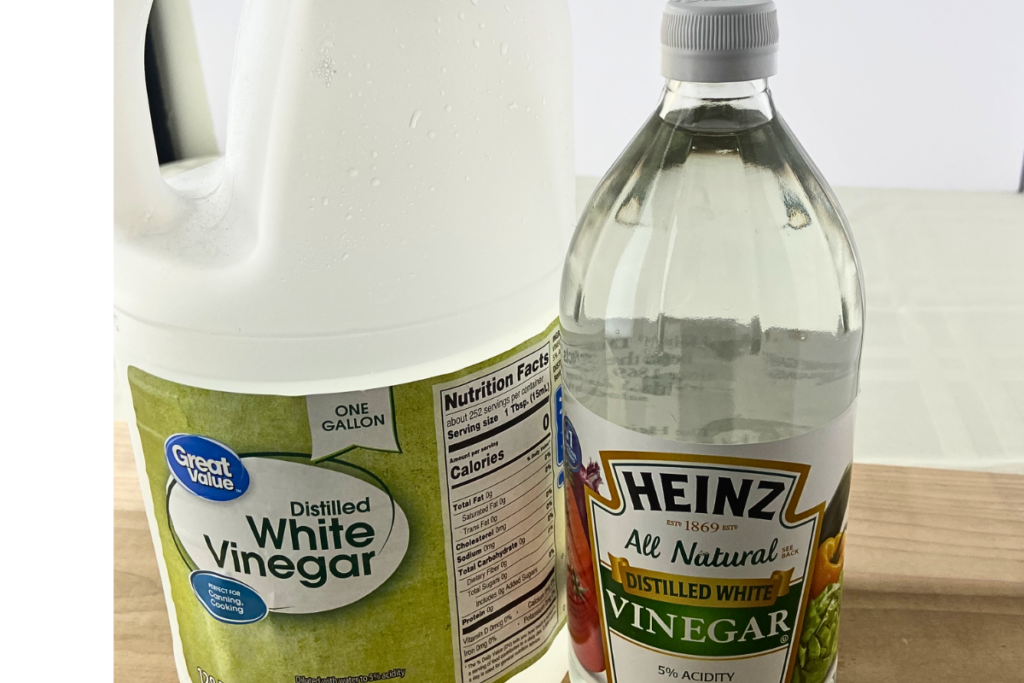
Simple, tasteless, predictable, and cheap, distilled white vinegar is developed from fermented, distilled alcohol, usually corn or other grains, and has a about 5% acetic acid. It’s widely used in households and kitchens for cleaning and pickling. And because it starts with a neutral distilled spirit and is almost tasteless, distilled white vinegar is used in dressings and marinades that need sharp acidity without added fruit or wine flavors. I keep a gallon of distilled white vinegar under the sink for cleaning and smaller bottlein the pantry for pickling and cooking.
Apple Cider Vinegar (ACV)
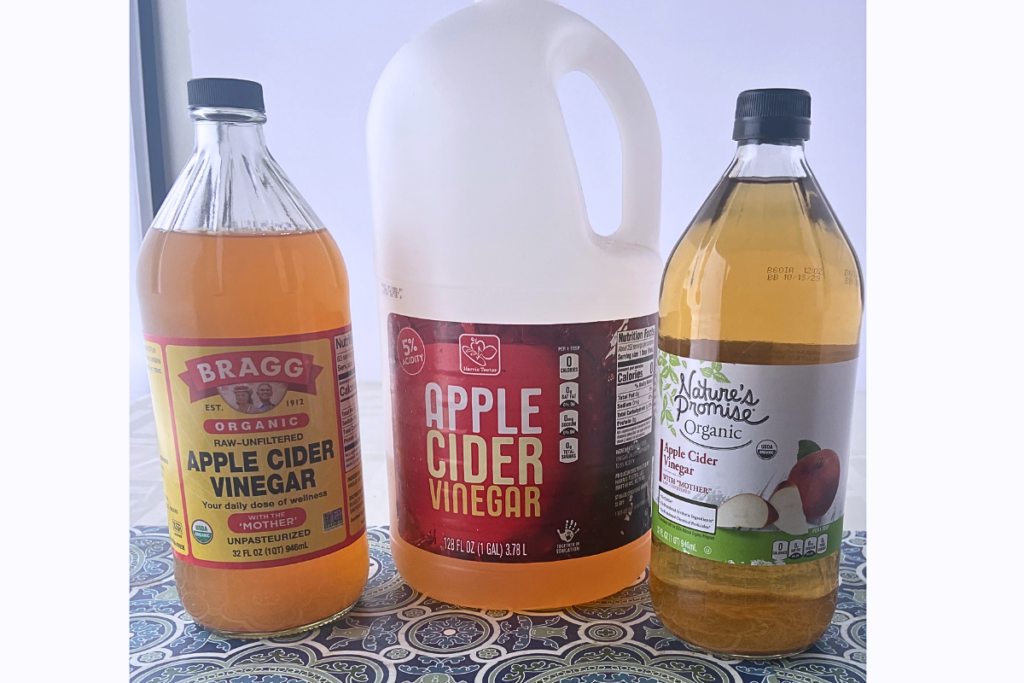
One of the workhorses of culinary vinegars, apple cider vinegar (ACV) is a tangy, amber-colored vinegar made from fermented apple juice or apple scraps. It’s one of the easiest vinegars to find on grocery store shelves or make at home. ACV is widely used in cooking, DIY health routines, cleaning, and food preservation.
It’s often sold raw and unfiltered “with the mother”, which gives it a cloudiness that vinegar newbies mistake for spoilage. Instead, it means that the vinegar still contains the mother and bacteria which contributes to fuller flavor in recipes and beverages and, according to early research and expert commentary, supports gut health and digestion.
Wine and Rice Vinegars
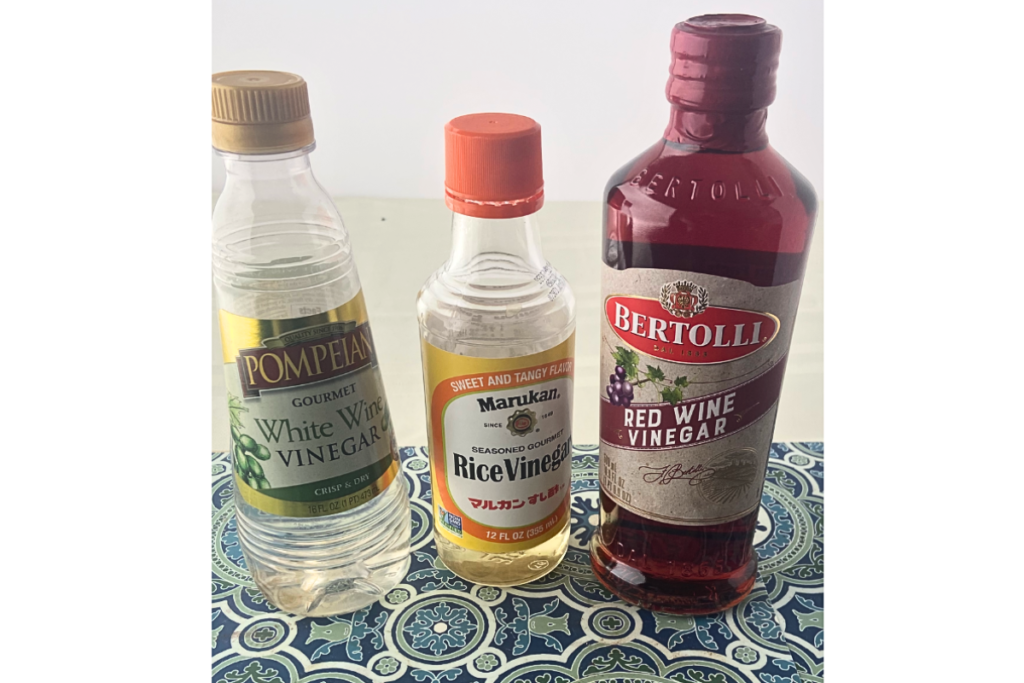
These vinegars go through the same process as distilled white or apple cider vinegar but differ in the base ingredients that lend these vinegars their taste and health profiles. Red, white, and rosé wine vinegars tend to be sharper on the tongue and more complex than rice vinegars which are milder, softer on the palate, and slightly sweet.
All are favored in dressing, marinades, and for pickling. Red wine vinegar creates robust salad dressings and marinades for beef and lamb sauces and reductions. White wine vinegar and rose wine vinegar is used for lighter dressings and seafood and chicken marinades. Rice wine vinegar is essential in sushi rice, dumpling dipping sauces, and noodle salads, and has applications in cosmetic and gentle cleaning products. All can be used for pickling vegetables, eggs, and fish and as preserving condiments.
Balsamic Vinegar
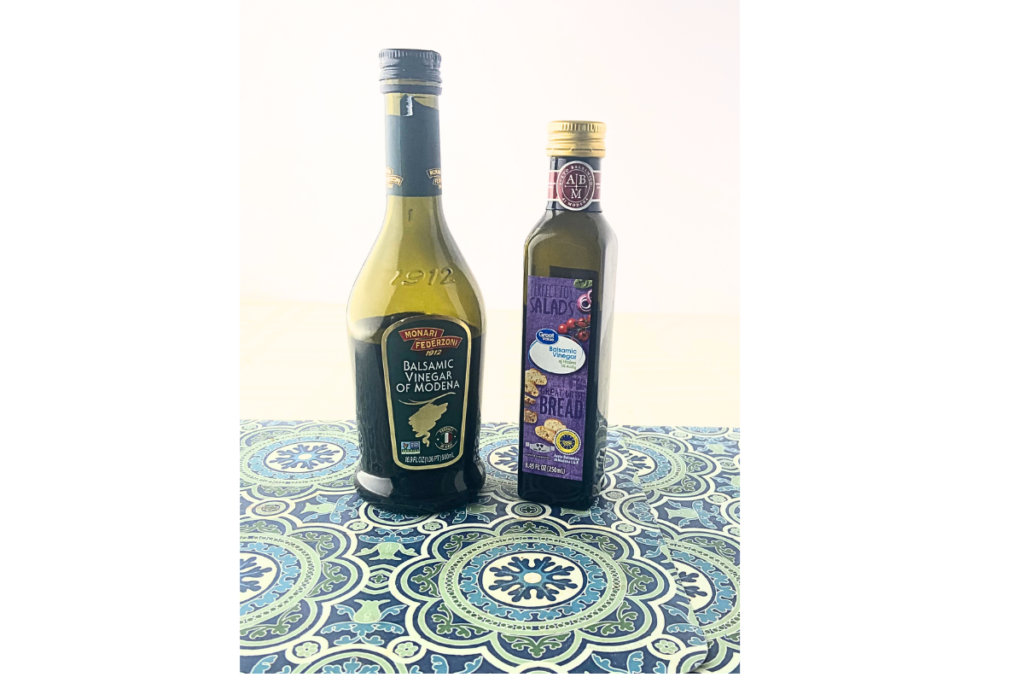
The royalty of vinegar, traditional balsamic vinegar is produced from concentrated grape must (usually Trebbiano and Lambrusco) in the Modena and Reggio Emilia regions in Italy and aged in wooden barrels for a period of at least 12, but up to 25 years. Throughout this aging, balsamic vinegar develops a syrupy texture and layers of caramelized, fruity, and woody notes along with organic acids and polyphenols.
Balsamic Vinegar of Modena (IGP) and commercial balsamic is typically made by blending wine vinegar with concentrated grape must, with optional caramel for color, and aging for as little as 60 days (or a few years) in large barrels or tanks. This faster method produces the everyday balsamic seen in most grocery stores that is affordable, flavorful, and dark, but far simpler and younger than DOP balsamic.
Both add rich taste textures to marinades, glazes, and salad dressing, and are ideal for deglazing pans and enriching tomato sauces. Aged, traditional balsamic vinegar is ideal to add a finishing touch of robustness and levels of flavor when drizzled over strawberries, vanilla ice cream or reduced to a syrupy balsamic reduction for dessert toppings.
Why Vinegar Is So Useful in the Kitchen
Vinegar’s chemistry makes it an integral ingredient in recipes, where acidity, flavor, and food safety all come into play. By adjusting pH and interacting with proteins and starches, vinegar affects tenderness, flavor balance, and microbial stability.
It doesn’t take much, perhaps a tablespoon, for vinegar to boost and balance flavor and make soups, sauces, dressings, and roasted vegetables taste more vivid without extra fat or sodium. In marinades, the acetic acid in vinegar denatures and breaks down proteins on the surface of foods to aid in meat tenderizing and slightly soften the cell wall of vegetables.
Vinegar and Pickling
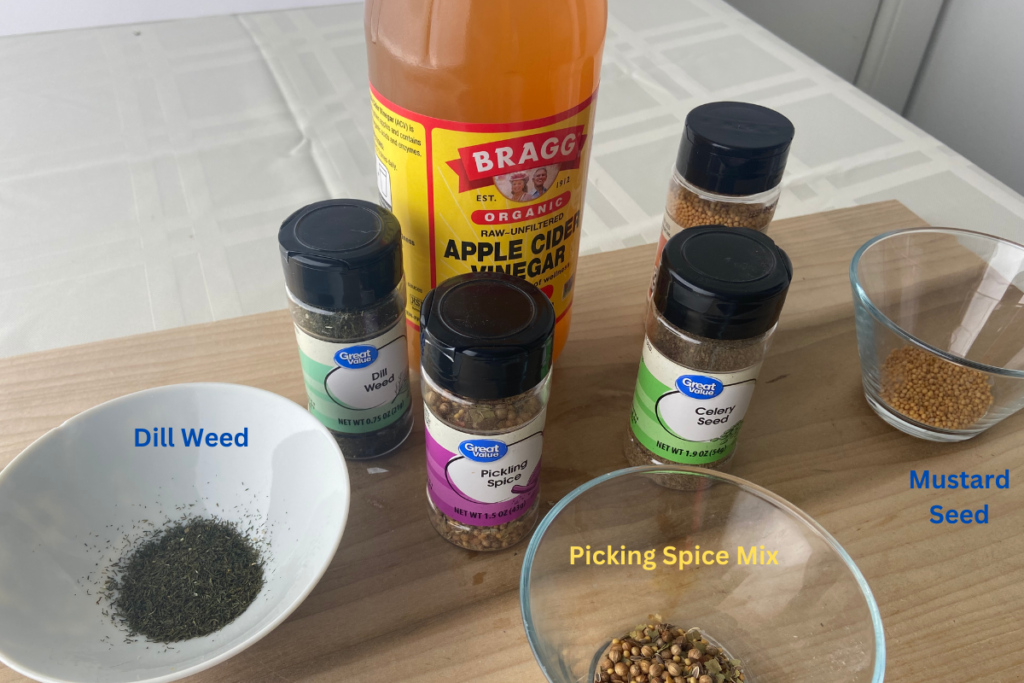
Vinegar plays a key role in the preservation and pickling of vegetables and fruits for year-round enjoyment of garden and market produce while also supplying a bright flavor and crunch with every bite. It creates a low pH environment so that botulism and other dangerous pathogens cannot grow. Vinegar pickling extends the life of fresh produce for weeks, so they’re on hand long after harvest to be tasty additions to salads or sandwiches or ready to eat right out of the jar.
Extension services and USDA‑based guidelines stress using commercial vinegar at 5% acidity and maintaining at least a 1:1 ratio of 5% vinegar to water (or more vinegar) in tested recipes to ensure safety for shelf‑stable pickles and acidified vegetables. If the strength of vinegar is 4% or lower, it may not be acidic enough to prevent the growth of dangerous microbes and bacteria.
If making vinegar at home for pickling, a good practice is testing a batch with a pH meter to confirm the finished vinegar is well below pH 4.0 (commercial 5% vinegar is typically around pH 2 or 3), which is safer if you later dilute it or use it in brines.
Vinegar and Vegan Baking
Vinegar steps in to replace eggs and dairy in vegan cakes, cupcakes, and muffins to act as a leavening agent without leaving a vinegary taste in the treats once they’re baked. A tablespoon of vinegar added to a plant-based milk curdles the milk and thickens it, creating a vegan buttermilk that is every bit as good as dairy buttermilk in pancakes, breads, and cakes. When vinegar is combined with baking soda, either as a vegan buttermilk or added straight, it creates an acid-based reaction that releases carbon dioxide gas that helps baked goods rise and become fluffy. I usually combine unsweetened soy milk with apple cider vinegar for reliable, fluffy results.
In tiny amounts, a few drops or teaspoons in a vegan cream cheese frosting made from nuts blended with water, tofu-based versions of spreads, or soy, coconut or oat-based commercial cheese product adds a subtle tang to the frosting. A small splash of vinegar into royal icing made with aquafaba gives the icing stiffness and adds luster.
Does Vinegar Have Health Benefits? What the Science Suggests
Vinegar is not a cure-all, but research suggests that moderate use, particularly of ACV and some specialty vinegars, may support blood sugar control, cardiometabolic health, and aspects of gut function when combined with an overall healthy lifestyle.
What we do know from small studies and reports is that taking vinegar with carbohydrate-rich meals can reduce post-meal blood glucose and insulin levels, and in some people with Type 2 diabetes can modestly lower fasting glucose and A1C.
Vinegar and Gut Health
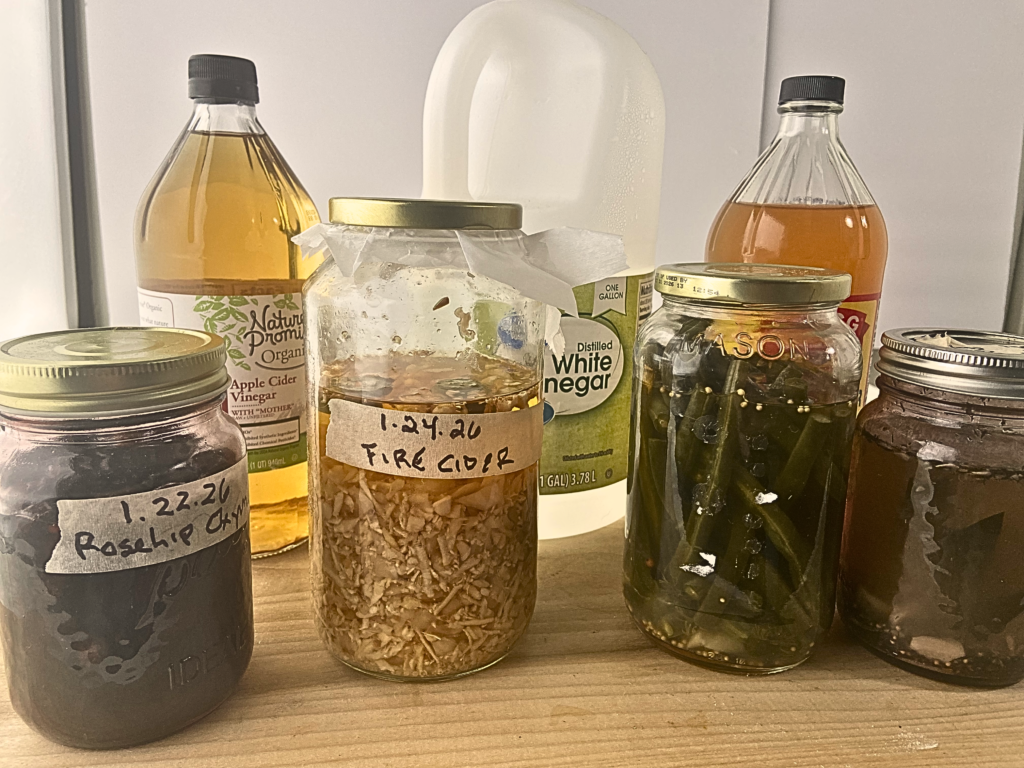
Additionally, it’s still early days but small studies indicate that certain vinegars can help modulate gut microbiota and related metabolites and organic acids. Polyphenols in vinegar may support a more favorable gut environment. Vinegar’s benefit to the human gut microbiome is mainly achieved through the acetic acid and plant-derived compounds it was made from.
Vinegar is best enjoyed as a supporting player for gut health—its acids and plant compounds can nudge the microbiome and inflammation in a favorable direction, but only as part of a broader, whole‑food eating pattern.
Vinegar and Weight Loss
Vinegar can be a helpful supporting tool—by smoothing blood‑sugar curves and boosting fullness—but sustainable weight loss still depends on overall diet, movement, sleep, and limiting stress, not vinegar alone. Several randomized trials report that taking about 1–2 tablespoons (15–30 ml) of vinegar or apple cider vinegar daily, often with meals and alongside a reduced‑calorie diet, led to greater reductions in body weight, BMI, waist/hip measures, and body fat markers than diet alone over 8–12 weeks.
Among the ways vinegar may help with weight loss is by reducing rapid spikes and crashes that often lead to reliance on sugary or caffeinated snacks or beverages that can add calories. Study participants also report feeling fuller after meals and studies on animals suggest vinegar may influence fat metabolism, energy expenditure, and gut microbiota, but results are modest.
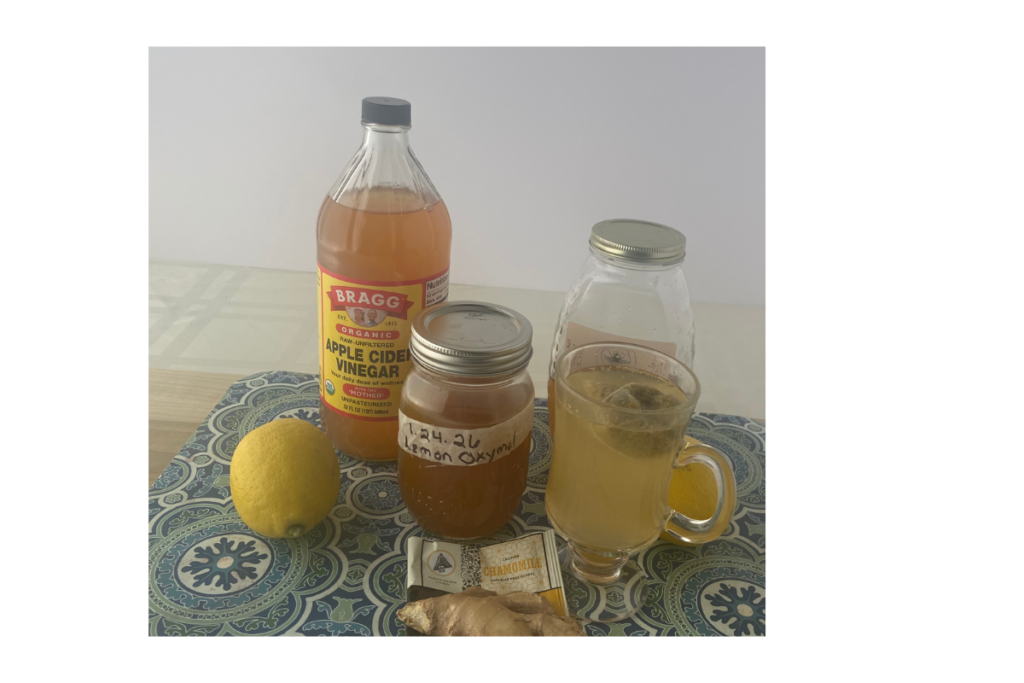
It’s important to remember that undiluted vinegar can damage teeth enamel and cause throat and stomach irritation. Experts recommend limiting vinegar intake for weight loss or diet support to about 1 to 2 tablespoons a day, well diluted in water, juice, or oxymel. Additionally, anyone with existing medical conditions, especially diabetes or kidney issues, should speak with a health professional before using vinegar as a regular supplement.
If you want to explore ways to incorporate vinegar oxymels into your health routine, here are some tips on how to get started.
The Many Cleaning Uses of Vinegar

The same acetic acid that sharpens flavor also makes vinegar a powerful, inexpensive, and more environmentally friendly cleaner for many (but not all) surfaces. Its low pH and small molecules allow it to interact directly with mineral deposits, biofilms, and some microbes.
Vinegar cleaning solutions can break down alkaline residues like limescale, hard water spots, and soap scum. This makes vinegar solutions a powerful tool in bathrooms and kitchens to make kettles, showerhead, and faucets sparkle. The acetic acid in diluted cleaning mixtures emulsify light grease on countertops, appliances and, when enhanced with citrus fruits like lemon or orange, can neutralize certain odor-causing compounds in drains and trash cans.
I like to mix vinegar in a resuable glass spray bottle with a few drops of essential oil so I’m not constantly buying (and disposing) new plastic commercial spray bottles.
Because vinegar is acidic, it should not be used on natural stone, certain metals, or surfaces where acid etching is a concern, and it should never be mixed with bleach due to harmful gas formation.
Here are 7 Vinegar cleaning hacks for a chemical-free, healthy home.