
Summer Vinaigrette Recipes To Perk Up Summer Salads
Turn market greens and summer fruit into salads that sing with quick homemade vinaigrettes—simple oil‑and‑vinegar recipes, different vinegar lineups, and easy flavor twists for picnics, barbecues and everyday lunches
This post contains affiliate links to products and books I genuinely use and love. If you buy through my links, I may earn a small commission as an Amazon Associate or through my affiliation with other retailers from qualifying purchases that you make at no extra cost to you.
Why Homemade Vinaigrettes Are the Secret to Summer Salad Magic
There’s just something about summer that makes salads irresistible. Maybe it’s the riot of fresh greens at the market, or the thrill of tossing together whatever’s ripe and at its freshest and ready from your garden or local fruit stand.
In my kitchen, however, the real star of any summer salad is the few basic ingredients I have on hand for my summer vinaigrette recipes. With a swirl of oil, a splash of vinegar, and a handful of herbs or fruit, I turn even the humblest pile of greens into a dish that sings.
Whether you’re packing a picnic, prepping for a barbecue, or just looking for a way to perk up your lunch, homemade vinaigrettes are the key to keeping salads lively, flavorful, and never boring.
What Is a Summer Vinaigrette Recipe? Simple Oil‑and‑Vinegar Emulsions for Delicious Salads
At its core, a vinaigrette is a simple emulsion of oil and vinegar, seasoned with salt, pepper, and sometimes a touch of mustard, honey, or fresh herbs. The classic ratio is three parts oil to one part vinegar, but there’s plenty of room to play. When you’re following a summer vinaigrette recipe at home, you’re calling the shots, especially when summer’s fruit bounty is calling your name. Vinaigrettes are endlessly customizable, quick to make, and miles better than anything you’ll find in a bottle.
A Brief History of Vinaigrettes: From Apothecaries to Summer Picnics
Summer vinaigrette recipes have a storied past, evolving from medicinal tonics in ancient apothecaries to the beloved salad dressings we know today. Early versions often included herbs and fruit, not just for flavor but for their supposed health benefits. By the 18th and 19th centuries, vinaigrettes were a staple in European cuisine, and their versatility made them a favorite for everything from salads to marinades and a dip for bread. Today, they’re a must-have for any summer gathering and proof that a little acid and oil can go a long way.
Salad Dressings vs. Summer Vinaigrettes: What’s the Difference for Salad Recipes?
While all vinaigrettes are salad dressings, not all dressings are vinaigrettes. Summer vinaigrette recipes are oil-and-vinegar based, light, and often tangy, while creamy dressings (think ranch or blue cheese) use dairy or mayonnaise for richness. Of course, you can include greek yogurt in your vinaigrette recipe to give it a little creaminess. Vinaigrettes add subtle flavors that enhance and let the freshness of summer produce shine, making them ideal for warm-weather salads.
Benefits of Homemade Summer Vinaigrette Recipes and the Role of Different Vinegars
Why Make Your Own Summer Vinaigrette?
- Flavor Freedom: Control the balance of tang, sweetness, and seasoning to suit your taste.
- Healthier Choice: Skip the preservatives, excess sugar, and mystery ingredients found in many store-bought dressings.
- Versatility: Use vinaigrettes on salads, as marinades, or even drizzled over grilled veggies and fruit.
The Summer Vinaigrette Recipe Lineup: Apple Cider, Red Wine, White Wine, Balsamic, Champagne and Sherry Vinegar
- Apple Cider Vinegar (ACV): Sweet-tangy, lightly fruity, and packed with probiotics. Great for slaws, fruit salads, and dressings with a hint of apple.
- Red Wine Vinegar: Robust and bold, perfect for Greek or Mediterranean salads, tomatoes, and hearty greens.
- White Wine Vinegar: Mellow and crisp, ideal for delicate greens, summer squash, and corn salads.
- Balsamic Vinegar: Sweet, rich, and complex. Lovely with berries, peaches, and salads featuring nuts or cheese.
- Champagne Vinegar: Delicate, slightly floral, and elegant. Adds a sophisticated note to mixed greens, seafood salads, and fruit-forward dressings.
- Sherry Vinegar: Nutty and nuanced, great for Spanish-inspired salads or roasted vegetables.
Best Summer Fruits for Vinaigrette Recipes with a Bountiful Harvest
Summer is the season for fruity vinaigrettes! Try these summer vinaigrette recipes:
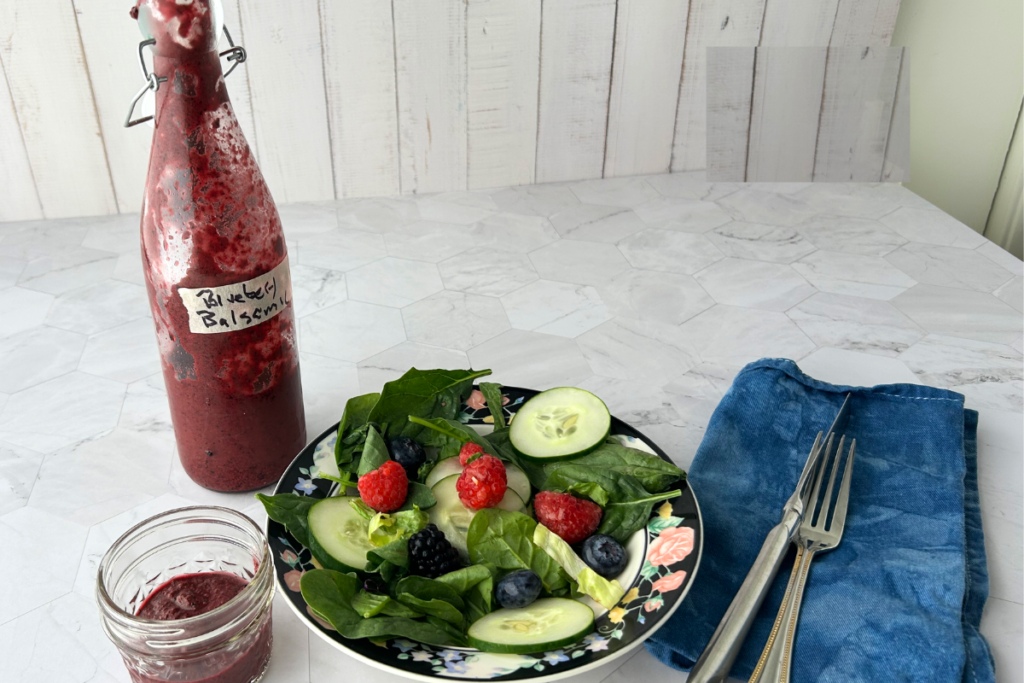
- Berries: Blackberries, raspberries, blueberries—each brings color, tang, and a burst of antioxidants
- Stone Fruits: Peaches, cherries, apricots—blend into vinaigrettes for a sweet-tart twist.
- Citrus: Lemons, limes, oranges—zest and juice add brightness and zing.
- Melons: Watermelon and cantaloupe—puree for a refreshing, subtly sweet dressing.
Choosing the Best Vinegar for Your Summer Vinaigrette
Match your vinegar to your salad’s vibe:
Vinegar Type
Flavor Profile
Best Pairings
Apple Cider Vinegar
Fruity, tangy
Slaws, apple salads, grain bowls
Red Wine Vinegar
Robust, punchy
Greek, tomato, feta, olives
White Wine Vinegar
Light, crisp
Mixed greens, cucumbers, corn
Balsamic Vinegar
Sweet, rich, complex
Berries, nuts, goat cheese
Champagne Vinegar
Mild, floral, elegant
Seafood, fruit, tender greens
How to Make a Vinaigrette (and Store It!)
The Basic Formula
- Start with the ratio: 1 part vinegar to 3 parts oil.
- Add flavor: Whisk in a teaspoon of mustard (for emulsion), a drizzle of honey or maple syrup (for balance), and a pinch of salt and pepper.
- Emulsify: Whisk vigorously or shake in a jar until the dressing thickens and everything is combined.
- Taste and tweak: Adjust oil, vinegar, sweetener, or seasoning as needed.
Pro tip: For a creamier vinaigrette, blend in a spoonful of Greek yogurt, mayonnaise, or even a bit of nut butter.
Storing Your Vinaigrette
- Keep in a sealed jar or bottle in the refrigerator for up to 1 week (sometimes longer, depending on ingredients).
- If the oil solidifies, let it sit at room temperature for a few minutes and shake well before using
- Pro tip: For a creamier vinaigrette, blend in a spoonful of Greek yogurt, mayonnaise, or even a bit of nut butter.
- Mason jars: Classic, affordable, and perfect for shaking up and storing vinaigrettes.
- Swing-top glass bottles: Stylish and easy to pour.
- Recycled glass juice bottles: Eco-friendly and great for gifting homemade dressings.
DIY Summer Vinaigrette Recipes With Fresh Fruits and Herbs
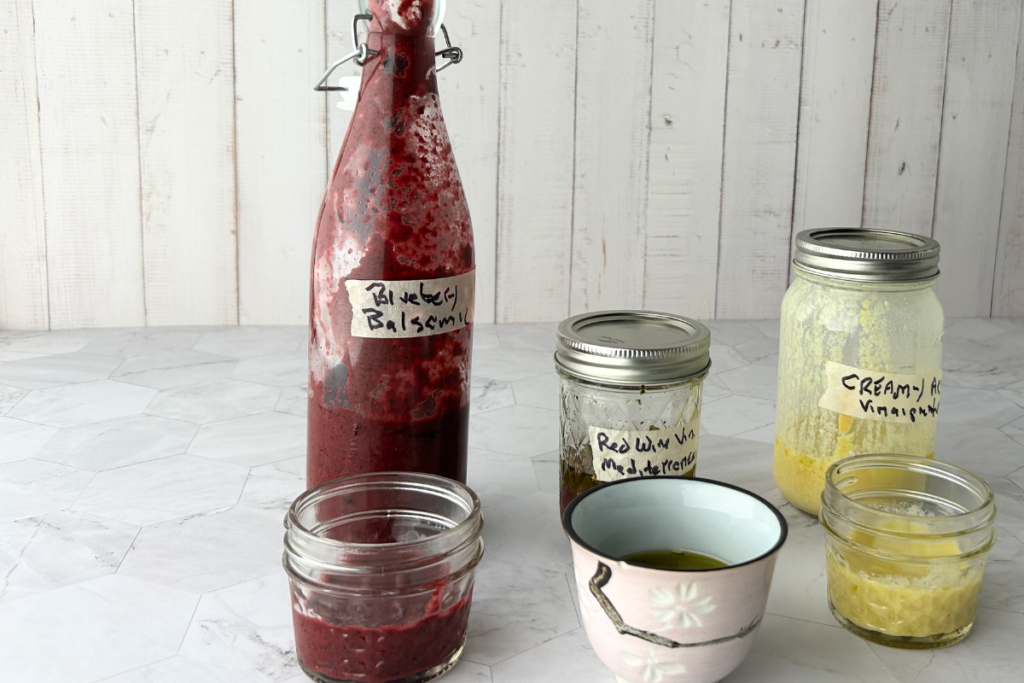
Here are three simple summer vinaigrette recipes you can enjoy with red wine vinegar, balsamic vinegar or apple cider vinegar.
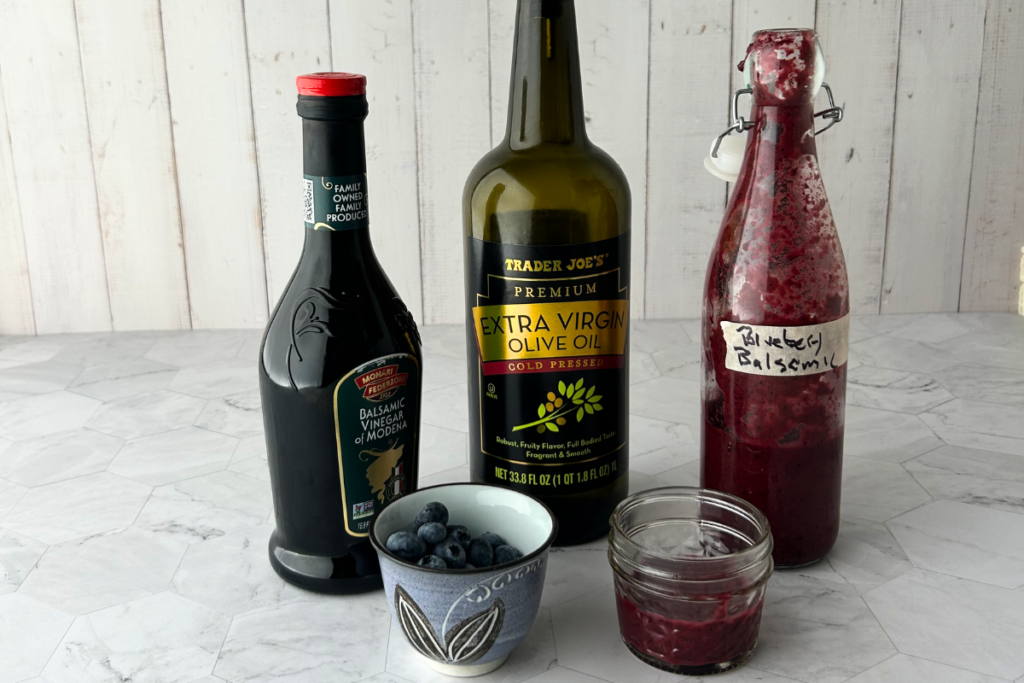
Blueberry Balsamic Vinegar Vinaigrette
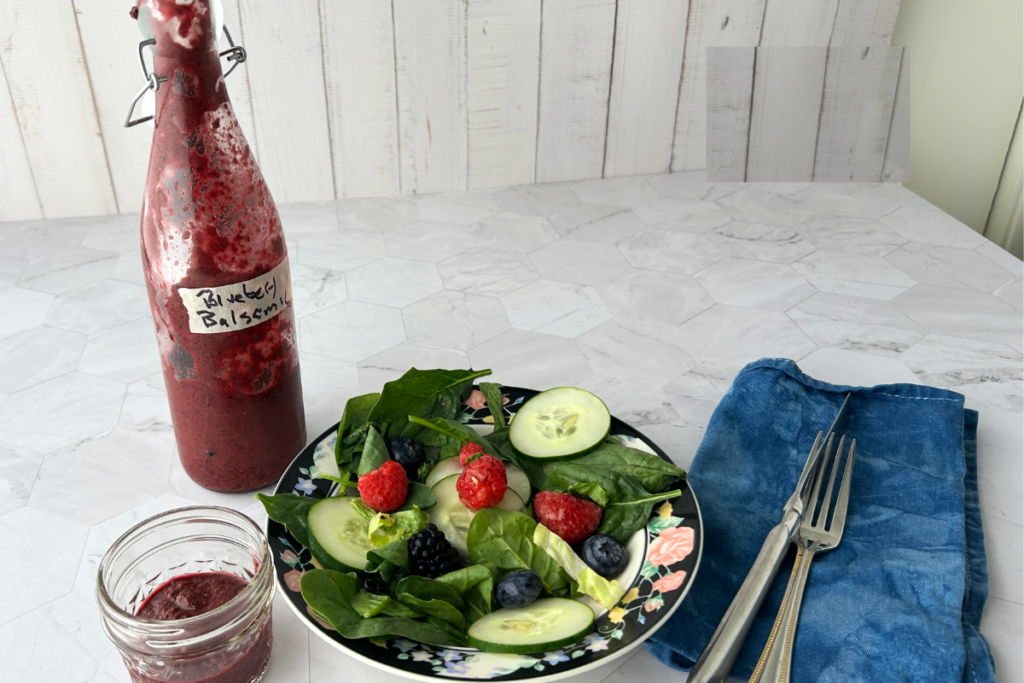
Ingredients:
- 1 cup fresh blueberries
- ¼ cup balsamic vinegar
- ½ cup extra virgin olive oil
- 2 tablespoons honey or maple syrup
- 1 clove garlic (optional)
- 1 teaspoon Dijon mustard
- 1 tablespoon lemon juice
- Salt and pepper to taste
Instructions:
- Combine blueberries, balsamic vinegar, honey, garlic, mustard, and lemon juice in a blender. Puree until smooth.
- With the blender running, slowly add olive oil to emulsify.
- Season with salt and pepper. Taste and adjust as needed.
- Strain if you prefer a smoother dressing. Store in the fridge for up to a week.
Best with a spinach, goat cheese, and toasted pecan salad, aragula, pear, and blue cheese salad, or roasted beet, orange, and fennel salad.
Mediterranean Oregano Vinaigrette
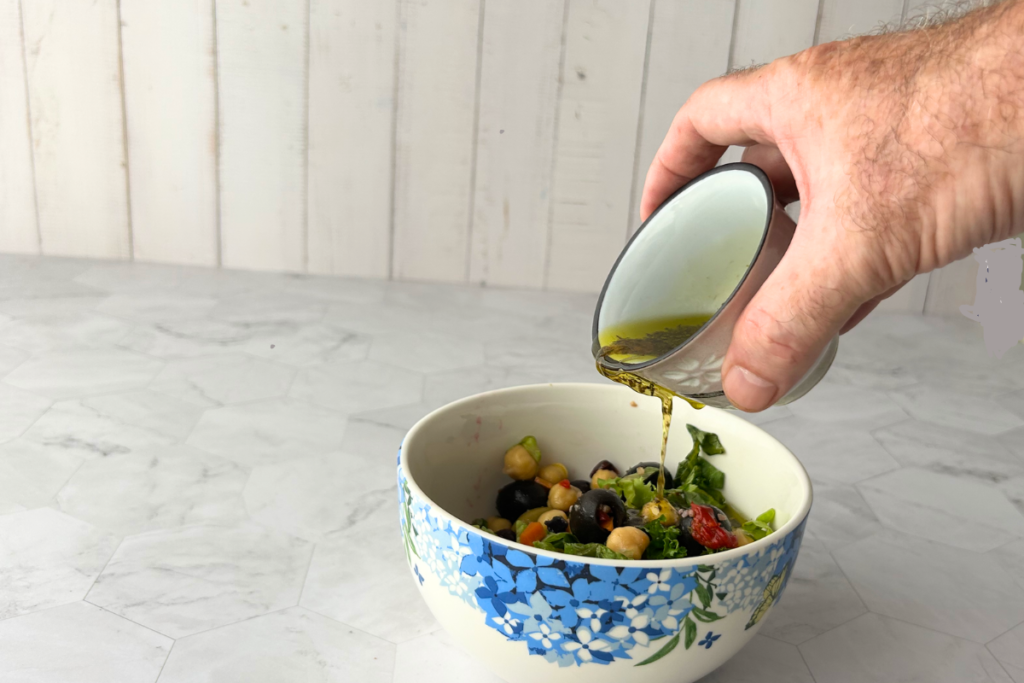
Ingredients:
- 3 tablespoons red wine vinegar
- 5 tablespoons extra virgin olive oil
- 1 tablespoon lemon juice
- 1 teaspoon dried oregano
- 1 clove garlic, minced
- ½ teaspoon honey
- Salt and pepper to taste
Instructions:
- Combine red wine vinegar, lemon juice, oregano, garlic, and honey in a small bowl or jar.
- Slowly whisk in the olive oil until the dressing is well combined and lightly emulsified. Alternatively, seal the jar and shake vigorously.
- Season with salt and pepper. Taste and adjust the honey, lemon juice, or vinegar as desired.
- Store in the refrigerator for up to one week. Shake or whisk again before serving.
Best with: Chopped romaine, feta cheese, olives, red onion, and chickpeas. It is also delicious tossed with pasta salad.
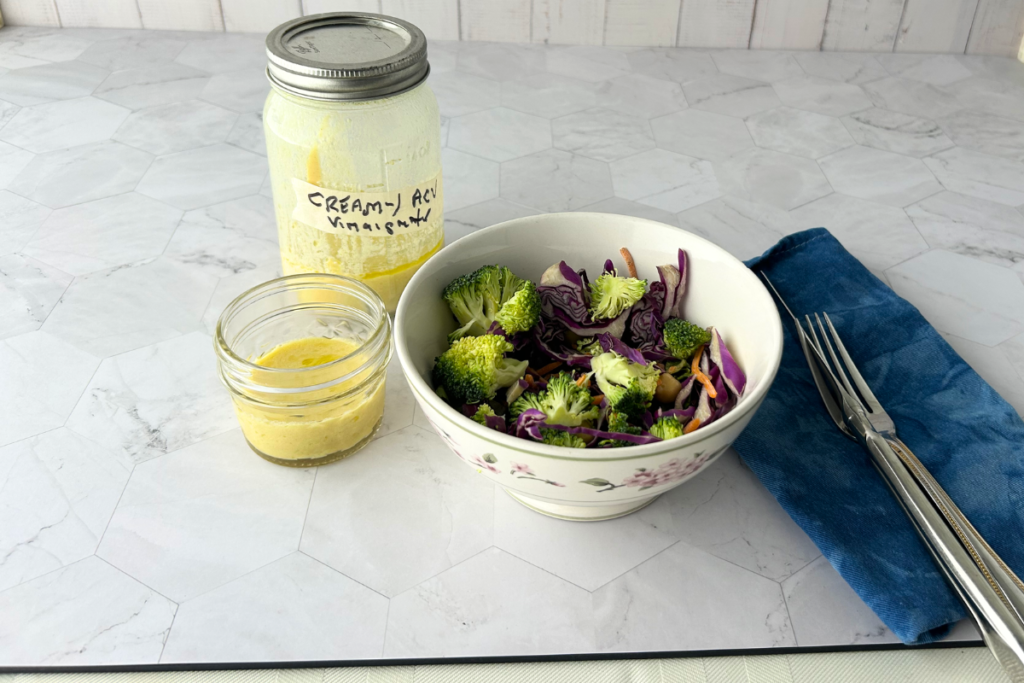
Creamy Apple Cider Vinaigrette
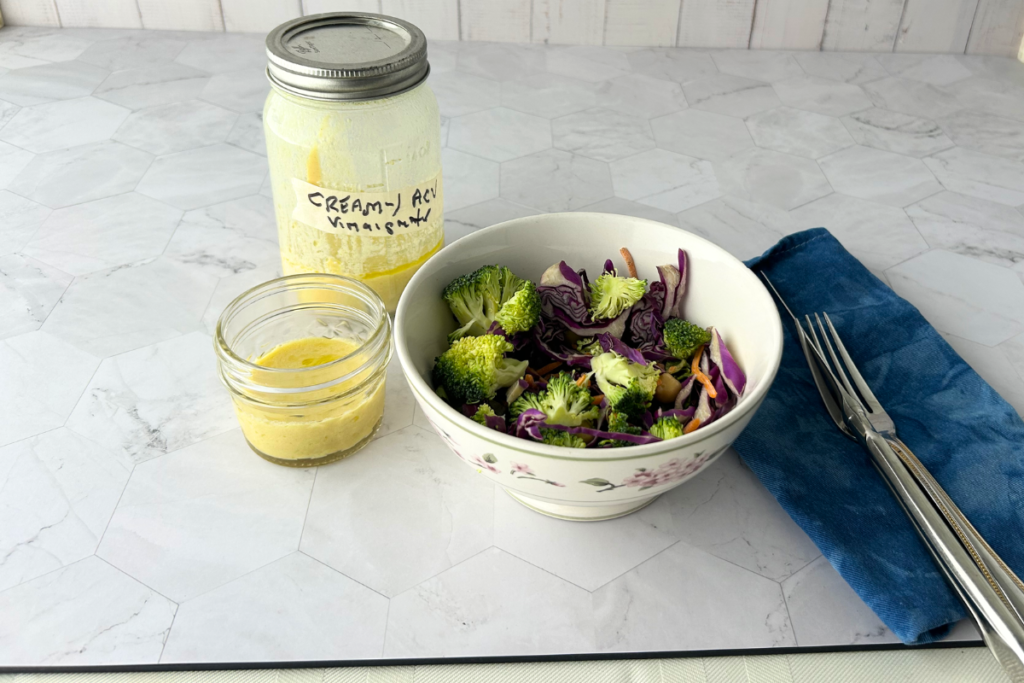
Ingredients:
- 3 tablespoons apple cider vinegar
- 5 tablespoons extra virgin olive oil
- 1 tablespoon plain Greek yogurt or mayonnaise
- 1 teaspoon honey
- 1 teaspoon Dijon mustard
- Salt and pepper to taste
Instructions:
- Combine apple cider vinegar, Greek yogurt or mayonnaise, honey, and Dijon mustard in a small bowl or jar.
- Slowly whisk in the olive oil until the dressing is smooth and creamy. If using a jar, seal and shake until fully blended.
- Season with salt and pepper. Taste and adjust as needed.
- Store in the refrigerator for up to one week. Shake or whisk well before serving.
Best with: Coleslaw, broccoli salad, cabbage-and-carrot slaw, or a crunchy chopped salad.
Artisanal Vinegar Shrub Sellers for Vinaigrette Inspiration
If you want to take your vinaigrette recipes up a notch or just want to skip the DIY, check out these artisan shrub makers. Their fruit-infused vinegars and shrubs are perfect for salad dressings, marinades, and more that you can enjoy all year long:
- Sauvie Shrubs (Oregon): Small-batch, cold-pressed drinking vinegars made from local fruit and herbs. Flavors like Strawberry Rose and Blueberry Ginger can add a unique twist to vinaigrettes. Sauvie Shrubs are committed to sustainability and zero waste, making them a feel-good choice for your summer salads.
- MOTHER Shrub: Award-winning shrubs made with organic apple cider vinegar and creative fruit blends like Grapefruit, Salted Honey, and Cranberry. Their bright, balanced flavors are ideal for mixing into vinaigrettes or drizzling over grilled veggies.
- Little Apple Treats: Handcrafted apple cider vinegar shrubs using whole fruit from their orchard. Their shrubs are lightly sweetened and packed with flavor, perfect for adding depth to your dressings.
- Wild Heart Sipping Vinegar (Oh!Shrubs): Known for unique blends like Pear Cardamom Rosemary and Blueberry Thyme, these sipping vinegars are delicious in vinaigrettes, marinades, or cocktails.
- Mad Maiden Shrub: Full-strength drinking vinegars from Wisconsin apples and pears, ideal for mixing into vinaigrettes for a tangy, fruity punch.
Fun Tips for Perking Up Your Summer Salads
- Mix and Match: Don’t be afraid to blend different vinegars or add fresh herbs, citrus zest, or a spoonful of jam to your vinaigrette for extra flavor. So what if you mess up. It’s not like a failed vinaigrette is going to cost you much time or money.
- Try Nuts and Seeds: Add toasted nuts or seeds to your salad for crunch and extra nutrition.
- Fruit Forward: Toss in fresh or grilled fruit—peaches, cherries, or melon—for a sweet-savory combo depending on the fruits or herbs used in the vinaigrette.
- Cheese, Please: Crumbled goat cheese, feta, or blue cheese pairs beautifully with fruit vinaigrettes. There’s just something about the acid in vinegar that brings out the best in cheeses.
- Marinade Magic: Use leftover vinaigrette as a quick marinade for chicken, fish, or veggies.
Let’s Get Tossing!
Homemade summer vinaigrette recipes are the easiest way to celebrate summer’s harvest and keep your salads anything but boring. Whether you’re blending up a berry vinaigrette, shaking up a classic vinaigrette made creamy with yogurt, or splurging on an artisanal shrub, your salads are about to get a serious upgrade. What’s your favorite summer salad combo? Share your creations, tips, or vinaigrette hacks in the comments below.
Summer Vinaigrette Recipes FAQs
What is the best oil‑to‑vinegar ratio in a summer vinaigrette recipe, and can I change it?
The classic starting point is about three parts oil to one part vinegar, which gives you a balanced, gently tangy dressing. From there, you can absolutely adjust: for light, bright salads or fruit‑heavy bowls, move closer to a 2:1 ratio; for more mellow dressings, head toward 4:1. The key is to taste as you go and let the greens, grains or vegetables you’re working with guide how punchy you want the acidity to be.
Which vinegar should I choose for the best summer vinaigrette recipe for different summer salads?
Match your vinegar to the mood of the salad. Apple cider vinegar fits slaws, grain bowls and salads that include apples or other fruit. Red wine vinegar loves Greek and Mediterranean‑style salads with tomatoes, feta and olives. White wine vinegar is great for mixed greens, cukes and corn. Balsamic leans into berries, peaches, nuts and cheese. Champagne vinegar adds a delicate note to seafood and fruit‑forward salads, and sherry vinegar brings a nutty depth to roasted vegetable or Spanish‑inspired plates. Your pantry can hold more than one so you can play with pairing you summer vinaigrette recipe to the fruit and produce of the season.
Are homemade vinaigrettes healthier than store‑bought dressings?
They can be, especially when you focus on simple ingredients. Many bottled dressings rely on preservatives, stabilizers, excess sugar and seed oils you may or may not want. At home, you’re controlling the oil type, vinegar, salt level, any sweeteners and the herbs or aromatics you add. That makes it easier to keep your dressings low in added sugar, tailored to your dietary needs, and aligned with the flavor and texture you want from summer salads, marinades and drizzles. Always check the labels on store-bought dressings. Among the brands I trust are Tessemae’s Organic Lemon Garlic Dressing & Marinade, Primal Kitchen Italian Vinaigrette & Marinade, or Organicville Balsamic with Olive Oil Vinaigrette & Marinade.