
How to Drink Vinegar Safely: Protect Your Teeth and Stomach
Curious about sipping apple cider, red wine, balsamic, rice or white wine vinegar? Learn safer food‑first ways to enjoy them—dilutions, enamel and stomach basics, and gentler daily habits instead of harsh shots.
This post contains affiliate links to products and books I genuinely use and love. If you buy through my links, I may earn a small commission as an Amazon Associate or through my affiliation with other retailers from qualifying purchases that you make at no extra cost to you.

I don’t know if you’ve noticed, but lately vinegar has been sneaking from the salad bowl into the wellness conversation. It seems people are growing curious about apple cider vinegar shots, red wine vinegar “sips,” balsamic vinegar shrubs. Unfortunately, a lot of advice out there is either too enthusiastic or too alarmist.
The reality lives in the middle. Small amounts of vinegar can play a gentle, food‑first role, but it’s still acid, and how you drink vinegar safely (and how much) matters for your teeth, stomach, and overall health. Drinking undiluted vinegar can irritate the mouth, throat, esophagus, and stomach, and repeated acid exposure may contribute to dental enamel erosion. If you choose to consume vinegar, dilute it thoroughly, avoid swishing it around your mouth, rinse with water afterward, and discuss regular use with a healthcare professional if you have reflux, ulcers, gastroparesis, kidney disease, or other relevant conditions.
If you love vinegar on food, it’s only natural to wonder whether sipping it straight or diluted in water might offer extra health perks. Most of the research on vinegar’s potential benefits—particularly for blood sugar and satiety—uses modest daily amounts, usually 1–2 tablespoons diluted in about 8 ounces of -water or incorporated into meals. That’s very different from undiluted shots or sipping too-strong, acidic drinks throughout the day, which should most definitely be avoided.
The guiding idea here is simple, Vinegars are best treated as flavorful, functional ingredients, not solo medicinal liquids. They can support certain goals when used carefully, but they also carry risks for causing tooth enamel damage, stomach and throat discomfort, and potassium imbalance when you go too hard or ignore warnings.
The Range of Vinegar Drinks and How to Drink Vinegar Safely
Most evidence‑based sources agree on a rough “reasonable range” for daily vinegar intake:
- About 1–2 tablespoons (15–30 ml) per day, diluted in water or used in food, appears well tolerated for many healthy adults.
- Regularly going beyond 2 tablespoons daily, especially in concentrated form, increases the risk of enamel erosion, digestive discomfort, and low potassium over time.
Dilution is non‑negotiable if you’re going to drink vinegar at all:
- Mix 1 teaspoon to 1 tablespoon vinegar into at least a full glass (8–12 oz) of water or tea.
- Drink with or near meals, not repeatedly on an empty stomach.
- Avoid swishing vinegar around your mouth because enamel doesn’t grow back once it’s damaged. I prefer to use metal straws to protect my teeth even more.
Think of vinegar as something that belongs inside a meal or a drink, not something your throat or teeth should meet straight up.
Different Vinegars, Different Profiles: ACV, Red Wine, Balsamic, Rice and White Wine Vinegar
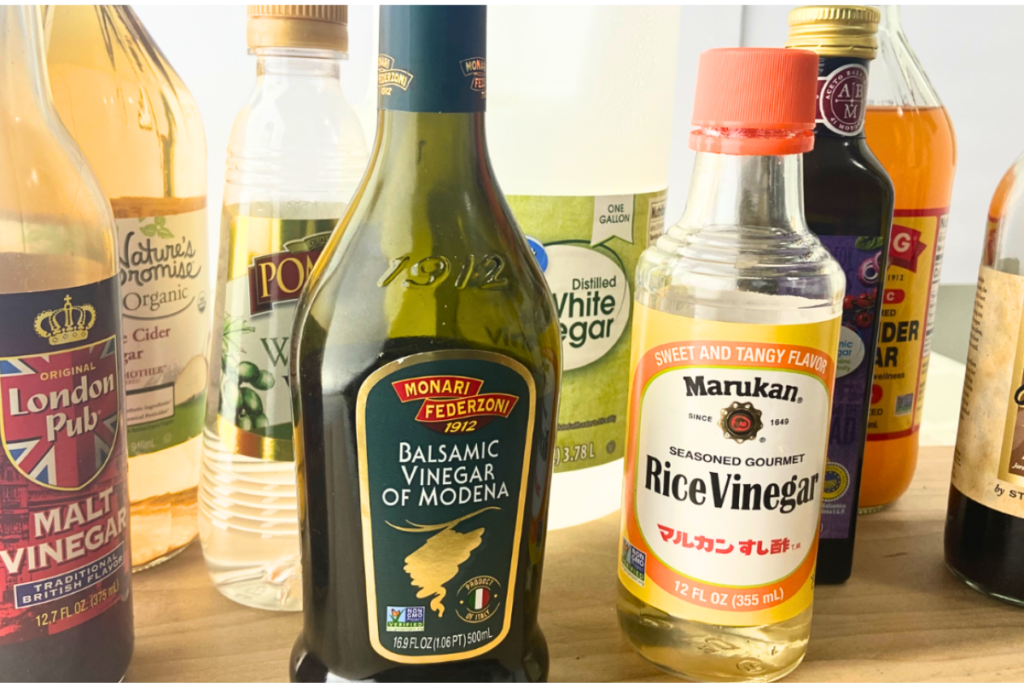
Not all vinegars are the same. They share acetic acid, but their flavor, polyphenols, and traditional uses differ.
Apple Cider Vinegar (ACV): Popular “Drinking Vinegar” with Food‑First Safety Rules
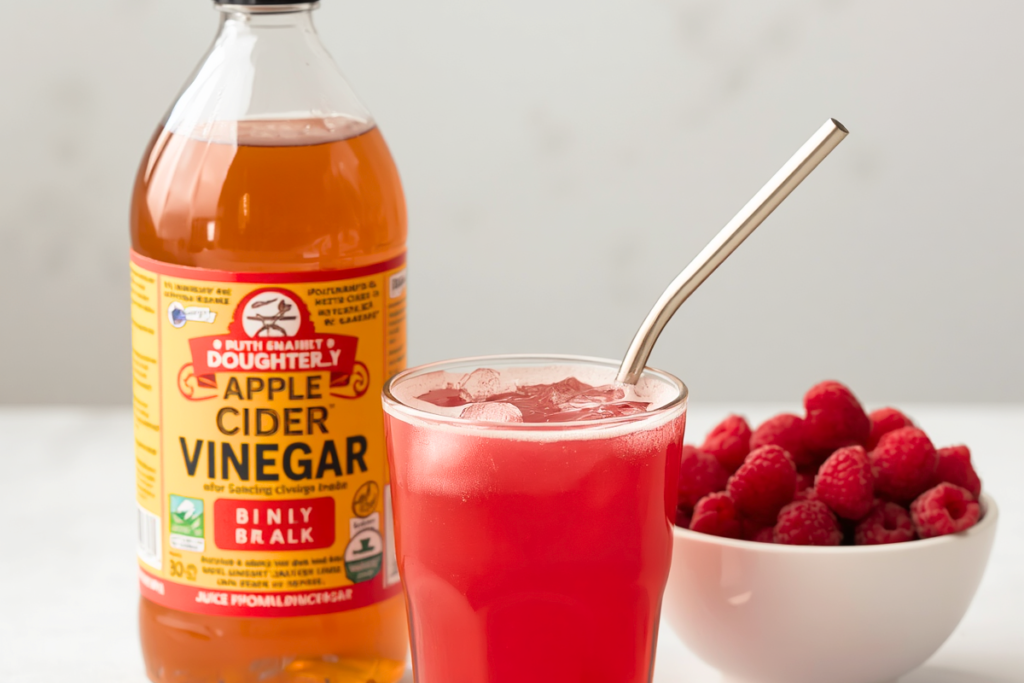
- Often raw, sometimes with “mother,” and widely promoted for blood sugar and digestion.
- Typical daily use in studies to drink vinegar safely: 1–2 tablespoons diluted in water to drink vinegar safely and imbibed along with meals.
- Risks: enamel erosion, reflux, and potential drug interactions at higher doses or in people with certain conditions (diabetes, kidney disease, gastroparesis).
ACV is the most famous “drinking vinegar,” but the same rules to drink vinegar safely apply. Keep amounts modest, use dilution, and talk with a clinician if you’re on medications or have chronic illness.
Red Wine Vinegar: Flavorful in Food, Better in Shrubs than Straight Shots

- Made from red wine, carries some of the wine’s polyphenols and a distinct grapey, savory tang.
- Interesting in food for salads, marinades, and shrubs. Some sources highlight potential antioxidant and cardiovascular angles when used in the context of a heart‑healthy diet.
For sipping curiosity:
- Better in shrubs and diluted drinks (e.g., 1–2 tablespoons red wine vinegar mixed into a fruit‑based shrub syrup and then diluted in sparkling water) than straight shots. You gain the extra benefit of the base herbal or fruit ingredient in a red wine vinegar shrub as well.
- Lovely in warm dishes (soups, beans, sautéed greens) where acid meets fats and proteins. Not only do you get the added flavor and zest from the red wine vinegar, this method of consumption is kinder to stomach and enamel than drinking it alone.
Balsamic Vinegar: Rich, Sweet and Best as a Culinary Drizzle, Not a Daily Drink
- Rich, sweeter, often aged, with grape must and complex flavor.
- Higher sugar content than many other vinegars and usually feature in meals as more of a drizzle than a daily drink, although balsamic vinegar shrubs can be extremely tasty.
For health‑curious people:
- Best kept to culinary use: small amounts over vegetables, salads, and proteins.
- Not ideal as a primary “drinking vinegar,” especially if you’re watching blood sugar, although I’ve run across people who enjoy sipping balsamic vinegar as an aperitif either before or after meals.
Rice Vinegar (Including Rice Wine Vinegar): Mild Option for Dressings and Gentle Sippers
- Generally milder and often used in Asian cuisines for dressings, sushi rice, and pickles.
- Lower acidity flavor profile makes it appealing in gentle dressings and light spritzers.
Safe sipping angle:
- A small splash in broth or savory teas (like miso‑style drinks) can add tang without overwhelming the palate.
- Again, keep amounts small and folded into food.
White Wine Vinegar: Bright, Versatile and Mostly a Cooking Vinegar
- Bright, light, versatile—fantastic in salad dressings and for finishing fish or vegetables.
- Less studied as a “health drink” but still acetic acid‑based and part of the same safety conversation.
I prefer white wine vinegar and rice vinegar in cooking and reserving ACV or red wine vinegar for any limited sipping experiments.
Teeth and Stomach: Enamel, Reflux and Digestive Considerations to Drink Vinegar Safely

Two main body systems deserve special attention when people talk about how to drink vinegar safely: teeth and digestion.
Teeth
- Vinegar’s acidity (often 4–8% acetic acid) can soften and erode enamel over time, especially with undiluted or frequent use.
- Enamel erosion leads to sensitivity, pain, and higher cavity risk.
Gentler habits to drink vinegar safely:
- Always dilute vinegar in water or drinks.
- Use a metal straw where possible to limit direct tooth contact.
- Rinse your mouth with plain water afterward but avoid brushing immediately, as enamel may be temporarily softened and brushing can disturb the enamel before it rehardens.
Stomach and Digestion
- Vinegar can slow stomach emptying, which may help some people feel fuller but can worsen symptoms in those with GERD, gastroparesis or reflux.
- Larger doses may cause nausea, cramps, or discomfort, particularly on an empty stomach.
Gentler habits to drink vinegar safely:
- Use small amounts with food rather than large doses alone.
- Stop if you notice burning, increased reflux, or new digestive symptoms.
- Avoid daily vinegar drinks if you’ve been told to limit acidic foods or have known stomach issues without consulting a clinician.
Unique Challenges to Drink Vinegar Safely: Potassium, Medications and Individual Tolerance
Beyond teeth and stomach, there are subtler challenges people don’t always hear about.
- Potassium and bone balance: Long‑term, high‑dose vinegar use has been linked in case reports to low potassium and bone changes. This is rare but real for individuals ingesting a large amount of vinegar..
- Medication interactions: Vinegar can affect blood sugar and potassium, which matters if you take diabetes medications, blood pressure drugs, or digoxin.
- Histamine and individual tolerance: Some people have histamine intolerance or other sensitivities where vinegars can trigger symptoms. Medical guidance matters here.
This is why the “more is better” approach to drink vinegar safely isn’t a good fit. Moderation and medical context are key.
Practical Ways to Drink Vinegar Safely That Focus on Flavor and Gentler Habits
Instead of building your routine around daily vinegar shots, you can integrate a small amount of vinegar into meals and drink vinegar safely in ways that feel pleasant and sustainable.
Ideas:
- Salad dressings:
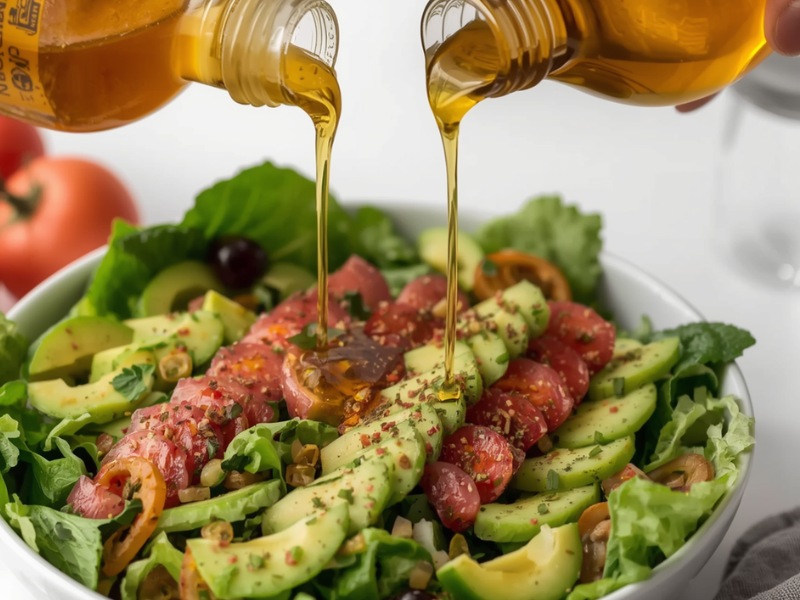
- Use 1–2 tablespoons wine vinegar or ACV whisked with olive oil, mustard, herbs, and a touch of honey for one big salad.
- This spreads the acid across leaves and vegetables, buffering it with fats and fiber.
- Warm food finishes:
- Splash red wine or white wine vinegar into pan sauces, sautéed greens, soups, or bean dishes at the end of cooking.
- Acid brightens flavor and may help digestion in the context of a meal, rather than hitting the stomach alone.
- Shrubs and strongly diluted drinks:
- Create fruit‑based shrubs (equal parts fruit, sugar, and vinegar steeped and strained) to drink vinegar safely and use 1–2 tablespoons of the syrup in a large glass of sparkling water or iced tea.
- This approach lets you enjoy vinegar’s tang and potential benefits in a very diluted, flavor‑rich form.
- Occasional gentle ACV drinks:
- If your teeth and stomach tolerate it and your clinician hasn’t raised concerns, a small mug with warm water, 1 teaspoon to 1 tablespoon ACV, and a little honey—once a day with food—can feel cozy without being harsh.
The common thread: vinegar is part of something else, not the whole thing.
Gentle Vinegar Sipping Toolkit
If you’re curious about bringing vinegar from the salad bowl into your daily routine, a few simple tools make it easier to stay in the safer, food‑first zone.
- Raw Apple Cider – A basic recipe for many shrubs.
- Balsamic Vinegar – Good for more robust shrubs.
- White Wine Vinegar – When shrubs call for subtler blending of flavors.
- Rice Wine Vinegar – Mix and match in shrub recipes with white wine vinegar.
- Glass Storage Bowls – Large and sturdy enough for mashing fruits and herbs to store in refrigerator.
- Wide-mouth Mason Jars – Ideal for storing shrubs
- Mesh Strainer -Use for straining shrub mixture after refrigeration.
- Water Bottle with Straw – Great for keeping shrubs cold and protecting tooth enamel.
- Metal Straws – Ideal to drink vinegar safely and for protecting tooth enamel and easy to clean.
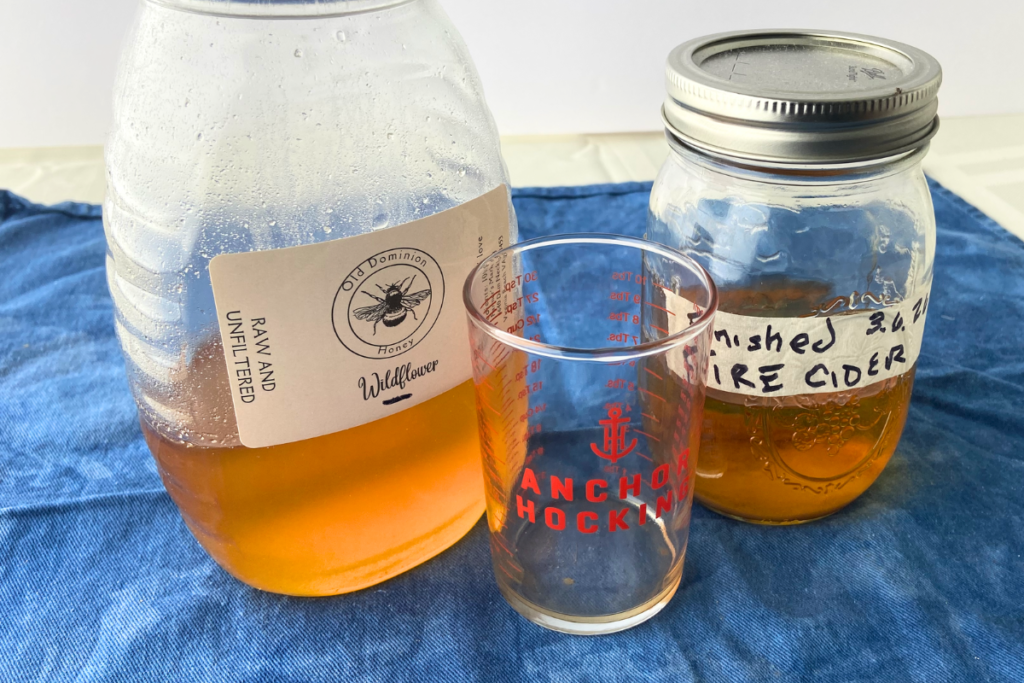
- Measuring Glass – Don’t guess amounts when diluting vinegar drinks.
A Balanced Way to Be Curious About How to Drink Vinegar Safely
Curiosity about sipping red wine vinegar, ACV, and other vinegars doesn’t need to turn into harsh routines that punish teeth and stomach. You can drink vinegar safely and explore the flavors and potential modest benefits by:
- Starting small and working up to the 1–2 tablespoon range.
- Folding vinegar into meals and diluted drinks rather than shooting it straight.
- Respecting your body’s feedback and your doctor’s input if something feels off.
It’s easy to add red wine vinegar and other vinegars into your diet in other ways than drinking them, and wine vinegar pan sauces, ACV dressings, balsamic drizzles, and rice vinegar salads add flavor first and only provide gentle health functions second. That’s usually where the happiest long‑term habits live.
How to Drink Vinegar Safely FAQs
How much vinegar is safe to drink in a day, and does the type (ACV, red wine, balsamic, rice, white wine) matter?
Most evidence‑based sources suggest that around 1–2 tablespoons (15–30 ml) of vinegar per day, diluted in a full glass of water or incorporated into meals, is a reasonable range for many healthy adults to drink vinegar safely. Going significantly beyond that—especially as undiluted shots—raises the risk of tooth enamel erosion, stomach discomfort, reflux and potential potassium or medication issues. The type of vinegar matters more for flavor and sugar content than basic acidity: ACV and red wine vinegar are most often used in “drinking” contexts, while balsamic, rice, and white wine vinegar usually shine in dressings, shrubs, broths and cooking.
Is it better to take vinegar as a shot and drink vinegar safely or mix it into food and drinks?
Mixing vinegar into food and drinks is almost always the gentler choice to drink vinegar safely. Shots send a high‑acid hit straight to your teeth and stomach, which isn’t kind to enamel or digestion and doesn’t match how most research actually uses vinegar. Diluting 1 teaspoon to 1 tablespoon of vinegar in 8–12 ounces of water or tea, or folding small amounts into meals—like dressings, marinades, shrubs, broths and warm dishes—is a more sustainable approach for taste and comfort. Think of vinegar as a flavorful, functional ingredient, not a solo medicinal liquid to throw back.
Can drinking vinegar damage my teeth or cause stomach problems even if I stay in the “safe” range?
It can if you ignore practical habits or if you have underlying conditions. Vinegar’s acidity can soften and erode enamel over time, especially with frequent, undiluted or poorly diluted use, and can worsen reflux or gastroparesis symptoms in some people. Even in the safer 1–2 tablespoon daily range, to drink vinegar safely it’s wise to always dilute in a full glass of liquid, use a straw when possible, avoid swishing vinegar around your mouth, rinse with plain water afterward, and avoid brushing immediately. If you notice burning, increased reflux, new digestive symptoms, or have been advised to limit acidic foods due to teeth or stomach issues, it’s important to pull back and talk with a clinician before continuing.