
Vinegar for Bee Stings, Jellyfish Stings, and Mosquito Bites: What Actually Helps (and What Doesn’t)
This post contains affiliate links to products and books I genuinely use and love. If you buy through my links, I may earn a small commission as an Amazon Associate or through my affiliation with other retailers from qualifying purchases that you make at no extra cost to you.
If you’ve ever tried to enjoy a perfect summer evening only to end up counting mosquito bites instead of fireflies, you already know why people start Googling “natural fixes” fast. It takes about three seconds to land on a list of “miracle” uses for vinegar— including claims that it soothes mosquito bites, takes the sting out of bees and wasps, and even neutralizes jellyfish venom.
As someone who genuinely loves vinegar for cooking, cleaning, and a few health rituals, I still have to say this out loud: most of those bite‑and‑sting promises are exaggerated, unproven, or flat‑out wrong. Vinegar is an acid in a bottle, not a universal antidote.
In this post, I want to cut the B.S. while respecting the few, tiny situations where a bit of diluted vinegar might feel soothing on intact, mildly itchy skin, and at the same time make it very clear about where it does nothing useful and where it can actually make things worse. Especially for bee and wasp stings, serious allergic reactions, and many jellyfish stings, vinegar belongs firmly in the “probably skip it” category.
We’ll look at why vinegar shows up in home‑remedy lists, what research and first‑aid guidance actually say, and simple, safer ways to handle bites and stings that don’t rely on wishful thinking from your pantry.
Why Vinegar Shows Up in Bite and Sting Remedies
Let’s start with the basics so we’re not just dabbling in folklore.
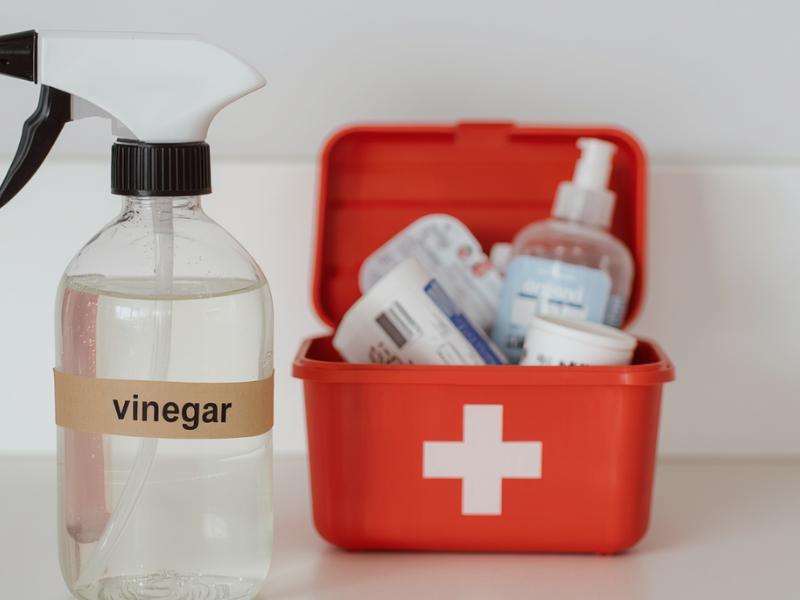
Vinegar is essentially acetic acid diluted in water. That matters because acids can slightly change the pH at the skin surface, which may blunt the sensation of certain mild irritants for some people. That means that for very specific kinds of marine stings, an acidic rinse can help “turn off” stinging cells that haven’t fired yet. As a cool liquid added to a compress, diluted vinegar can act as a distraction for your nerves and feel soothing in the moment.
But let’s be clear. Vinegar is not an antihistamine, not an anesthetic, and definitely not a replacement for real first aid or emergency care. Think of it as a tiny helper at the edges and perhaps a first step for temporary relief until professional attention to the problem is required.
When Vinegar May Gently Soothe (and How to Try It)
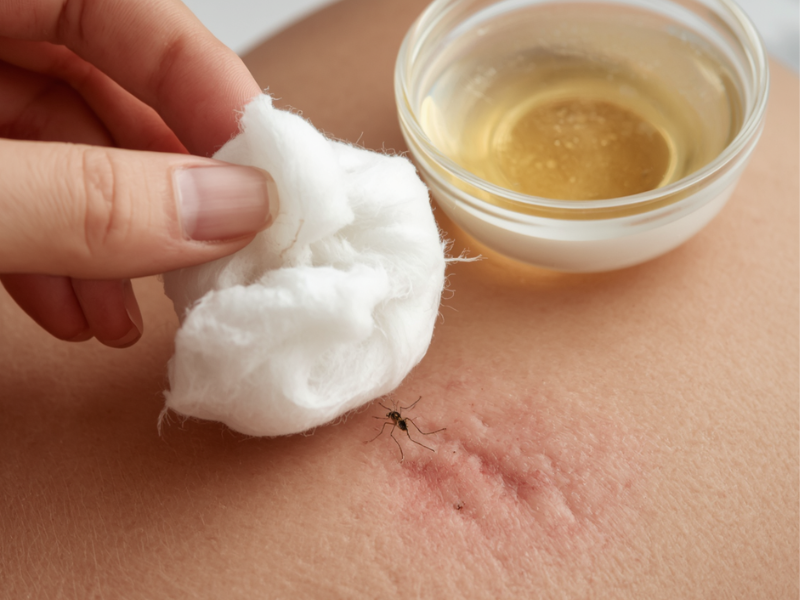
Mild, Non‑Allergic Itchy Bites (Like Minor Mosquito Bites)
For the classic, small, itchy bump that isn’t swelling like crazy or spreading, some people find that dabbed, diluted vinegar takes the edge off.
If you want to experiment:
- Dilute first. Mix 1 part white vinegar or apple cider vinegar with 1–3 parts cool water.
- Patch‑test. Dab a little on a small area near (not on) the bite. If it burns, stings intensely, or turns bright red, rinse and skip it.
- Apply gently. If your skin seems happy, you can:
- dab the diluted vinegar directly on the bite with a cotton ball or
- soak a washcloth and use it as a cool compress for 5–10 minutes.
- Rinse and moisturize. Rinse with plain water afterward and, if your skin runs dry or sensitive, follow with a simple, fragrance‑free moisturizer.
This is for intact, healthy skin and small bites only. If you’ve scratched something open, if it’s blistered, or if you know you react dramatically to bites, there are better tools than acid on already grumpy skin.
When Vinegar Makes No Difference with Stings or Allergies
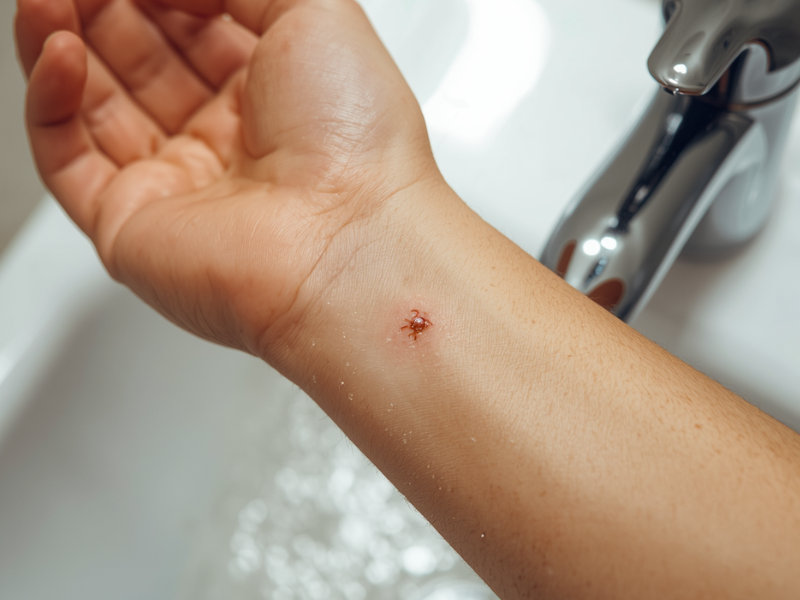
Bee, Wasp, and Fire Ant Stings
You’ll see a lot of recipes that promise vinegar (or baking soda) will “neutralize” venom from stinging insects. The reality is much less exciting—and a lot more important. When it comes to bee, wasp, hornet, and fire ant stings there’s no good evidence that vinegar meaningfully changes what the venom does under your skin.
What does matter is quick, calm first aid and watching closely for signs of allergy. Instead of reaching for vinegar here, focus on:
- Removing a bee stinger quickly (scrape with a card or fingernail; don’t pinch the venom sac).
- Washing the area with soap and water.
- Applying a cold pack (wrapped in a cloth) for 10–15 minutes at a time to reduce pain and swelling.
- Using recommended over‑the‑counter relief like oral antihistamines or a little hydrocortisone cream, if those are safe for you.
And Then There’s the Big One: Anaphylaxis
If you—or the person you’re with—ever has:
- trouble breathing or wheezing
- swelling of lips, tongue, or throat
- hives spreading away from the sting
- dizziness, faint feeling, or a racing heart
that’s an emergency. That’s epinephrine‑auto‑injector and urgent medical care territory.
This Is Important: An anaphylaxis episode is most definitely not the time to “try some vinegar and wait it out.” Vinegar has no role in treating allergic reactions.
Jellyfish Stings and Vinegar: Beach Myths vs. Real‑World Caution
Jellyfish stings and vinegar are a whole separate internet myth universe, so let’s untangle it carefully.
Some beaches and first‑aid signs specifically recommend vinegar because certain jellyfish species have stinging cells (nematocysts) that can be “turned off” with an acidic rinse, preventing more venom release while tentacles are still clinging to the skin.
But here’s the catch:
- That advice is species‑ and location‑specific.
- For some types of jellyfish and related creatures (like certain box jellyfish or Portuguese man‑of‑war), vinegar may help; for others, research suggests it can actually make stings worse.
- Local poison centers, lifeguards, and coastal health authorities are the ones who keep up with the current recommendations for their waters
As a result, vinegar is sometimes used as a first‑aid rinse for certain jellyfish stings, but it’s not a pain treatment and not a DIY cure. Always follow the advice posted at the beach or given by local lifeguards or medical professionals and seek medical help if stings cover a large area or you feel unwell.
When Vinegar Can Make Skin Reactions Worse
There are a few situations where vinegar jumps straight from “maybe helpful” to “nope.”
Broken, Blistered, or Obviously Inflamed Skin
Acid on open or very irritated skin is rarely a good idea because it stings (a lot), can further disrupt the skin barrier, increasing irritation and possibly slowing healing, and most importantly if you’re looking for relief, it’s more likely to be miserable than soothing.
If you’ve scratched a bite open, if there are blisters forming, or the area looks angry and hot, skip vinegar entirely. Gentle cleansing, cool compresses, and appropriate medical advice are the better path.
Known Sensitive Skin or Chronic Skin Conditions
If you live with eczema, psoriasis, chronic hives, or very reactive skin, dropping acids onto already unpredictable skin can backfire. It’s better to use tried‑and‑true anti‑itch strategies approved by your dermatologist or ask directly, “Hey, would a little diluted vinegar be okay for me to try?” before experimenting.
Any Signs of Infection
If a bite or sting site starts to look infected—more painful, hot, swollen, full of pus, or surrounded by spreading redness—that’s not a “try a home remedy” moment. It’s a “call a doctor or urgent care” moment.
Safer At‑Home Soothing Options (Beyond Vinegar)
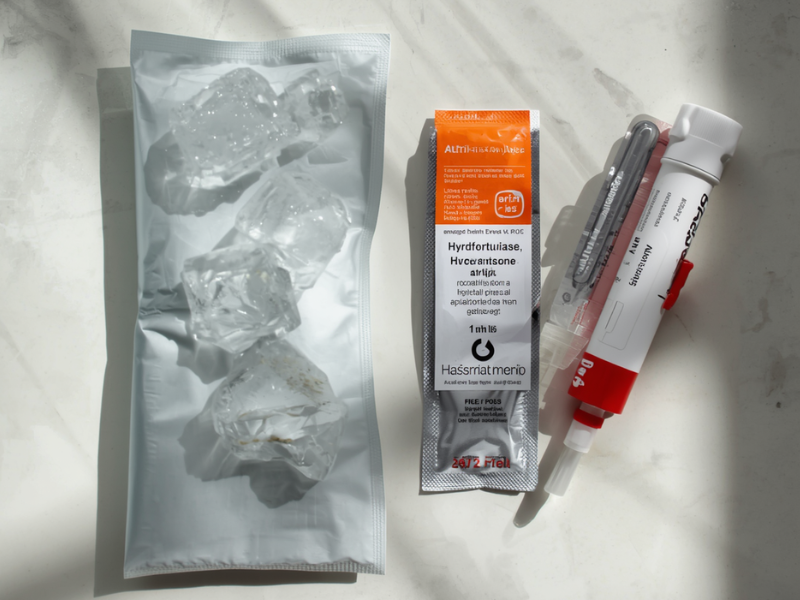
Safe At-Home Soothing Options
For mild, non‑allergic bites and stings, try these solutions:
A dependable ice pack can both soothe with cooling and prevent inflammation.
Look for hypoallergenic and skin-safe pads that can tackle any application.
Select cream with soothing aloe that can provide relief from bug bites.
Red‑Flag Symptoms: When to Skip DIY and Call a Doctor
A big part of being responsible with home remedies is knowing where they stop. Skip all home remedies—including vinegar—and seek urgent or emergency care if you notice:
- Trouble breathing, chest tightness, wheezing
- Swelling of face, lips, tongue, or throat
- Dizziness, confusion, fainting, or a sense of impending doom
- Nausea, vomiting, or severe abdominal pain after a sting or bite
- Multiple stings (especially from bees or wasps) or a sting inside the mouth or throat
- Jellyfish stings that cover a large area, are extremely painful, or cause any whole‑body symptoms
I also keep plain white vinegar in my pantry. For me, a very diluted dab on a mild, intact bite sometimes takes the itch down a notch—but it’s optional, and it’s never my first move for anything serious.
This article is for general information and education only and isn’t medical advice. Always talk with your own healthcare provider about bites, stings, allergies, or any reaction that feels out of the ordinary—and skip home remedies altogether if you notice trouble breathing, facial swelling, or severe symptoms.