
Vinegar Cleaning Solutions: Easy Non‑Toxic Recipes for a Chemical‑Free Winter Home
This post contains affiliate links to products and books I genuinely use and love. If you buy through my links, I may earn a small commission as an Amazon Associate or through my affiliation with other retailers from qualifying purchases that you make at no extra cost to you.
Every January, right alongside my goals to eat better and get more organized, I make one resolution I actually keep: swapping harsh chemicals for simple vinegar cleaning solutions. By the time the windows are shut tight and we’re breathing the same indoor air for months, I want my home to feel fresh, not fumy, and safe for everyone under my roof.
Distilled white vinegar is my secret weapon—affordable, versatile, and powerful enough to dissolve grime, deodorize, and disinfect without leaving a chemical trail behind. In this post, I’ll show you how to build an easy winter cleaning routine using a few basic vinegar cleaning solutions, so you can enjoy a truly clean, chemical‑free home all season long.
Why Switch to Vinegar for Non-Toxic Cleaning
As holiday decorations come down, life enters a new rhythm after months of hectic, festive gatherings and it’s time to nestle down until spring renewal. It’s also the time of year to build new habits and establish practical routines that will last throughout the months to come.
I’m pretty sure the urge to clean is almost universal at the beginning of the year because it aligns with wellness resolutions, and increasingly people are realizing that traditional cleaning products—laden with harsh chemicals—can undermine healthy-living goals.
This shift is about more than keeping surfaces sparkling—it’s about transforming living spaces into a truly healthy, mindful environment. Discover why January is ideal for this change and how simple, affordable vinegar solutions can make the transition seamless for yourself and your loved ones.
5 Benefits of Vinegar‑Based Cleaning (Home, Health, and Budget)
Why choose vinegar? It’s a centuries-old staple for cleaning and you’d be hard pressed to find an ancient civilization that didn’t use a vinegar cleaning solution in some form. Distilled white vinegar is a natural acid with impressive antimicrobial properties. Used properly, it can safely disinfect, deodorize, and dissolve grime without introducing new toxins into your space.
Here are the five top benefits of switching to vinegar-based cleaners:
- Reduces hazardous chemical exposure: Many commercial products release volatile organic compounds (VOCs) that can irritate lungs, skin, and eyes—especially for children and pets. Vinegar does not create these risks.
- Minimizes indoor air pollution: Chemical cleaning agents can linger as fumes indoors, especially in the winter. Vinegar’s mild scent dissipates quickly.
- Environmentally sustainable: Vinegar is biodegradable, doesn’t pollute water systems during disposal, and requires little energy to produce. Repurposing old spray bottles reduces the amount of plastic introduced into the environment.
- Budget-friendly: A gallon of vinegar costs less than most single-use specialty cleaners and has endless applications. Plus you’ll have lots of new storage space after getting rid of redundant commercial cleaners.
- Family- and pet-safe: Vinegar leaves no dangerous residue and is safe to use around curious hands and paws.
How to Start a Chemical‑Free Cleaning Routine with Vinegar This Winter
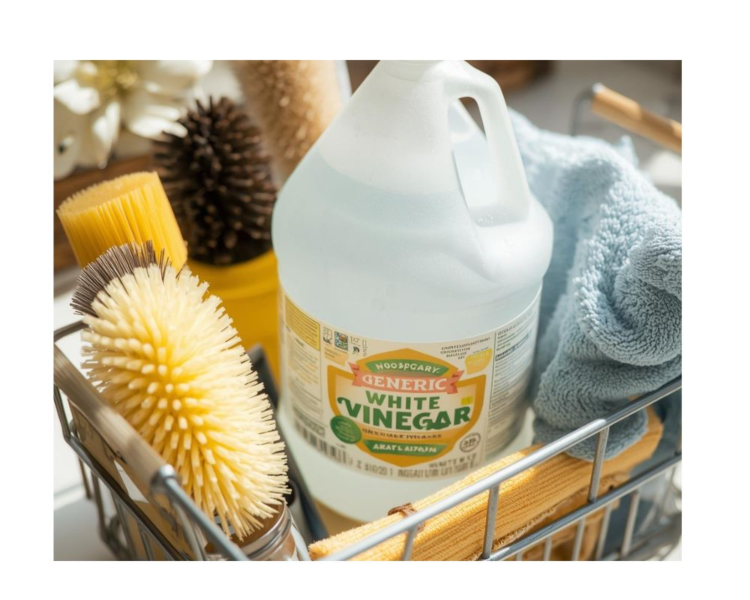
How easy is it to commit to chemical-free cleaning in the new year? If you have a measuring cup and know how to read it, consider yourself well on the way to creating a household that that you can breathe easy in. Transitioning to vinegar solutions is both straightforward and practical even for busy families
Most ingredients are affordable and widely available. The only challenges could be dealing with strong vinegar smells (which usually dissipate quickly in ventilated areas) and knowing which surfaces to avoid, such as natural stone or certain metals. You require minimal storage space because one jug of vinegar and a repurposed plastic bottle or two will take up a lot less room than a collection of all-purpose cleaners, disinfectant sprays and wipes, floor cleaners, laundry detergents and softeners, and bathroom and toilet bowl cleaners.
Non-Toxic DIY Cleaners Are Easy to Prepare
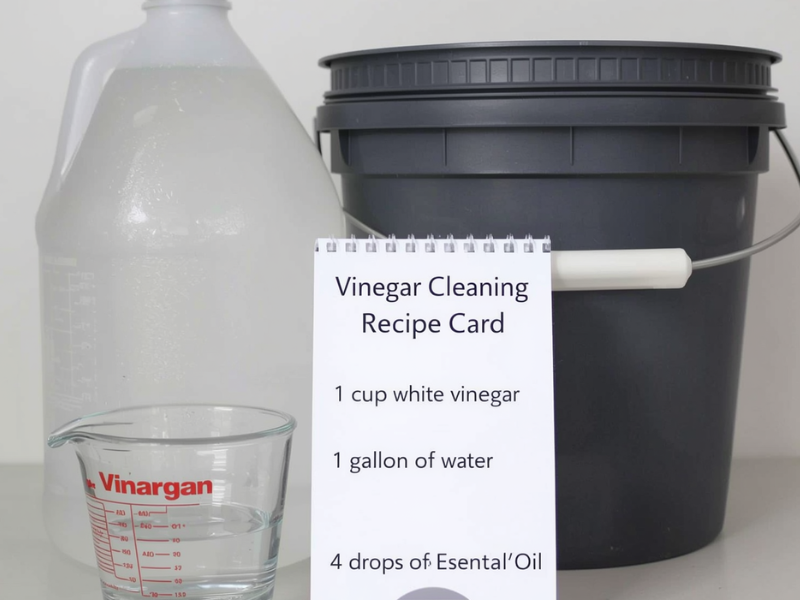
It takes little time to prepare vinegar cleaning solutions as most require no more than three or four ingredients, and the mix ratios are easy to remember – usually one to one parts vinegar and water. If you’re bothered by the smell of vinegar, add a splash of lemon juice, some orange zest, or a drop of your favorite essential oil or tea tree oil and add more freshness to the solution’s scent.
Use distilled white vinegar for clarity and consistent dilute concentration, and ordinary tap water works just fine if you plan to use the solution immediately. If, on the other hand, you want to make a batch and keep it around for when needed throughout the winter months, I’d suggest using distilled water or boiling the tap water to reduce the small risk of mold or bacteria developing and remove impurities or harmful minerals.
I think you’ll find the switch surprisingly effortless once you understand the basic formulas and start to have fun experimenting with different oils and discover when other ingredients like baking soda or borax may be called for.
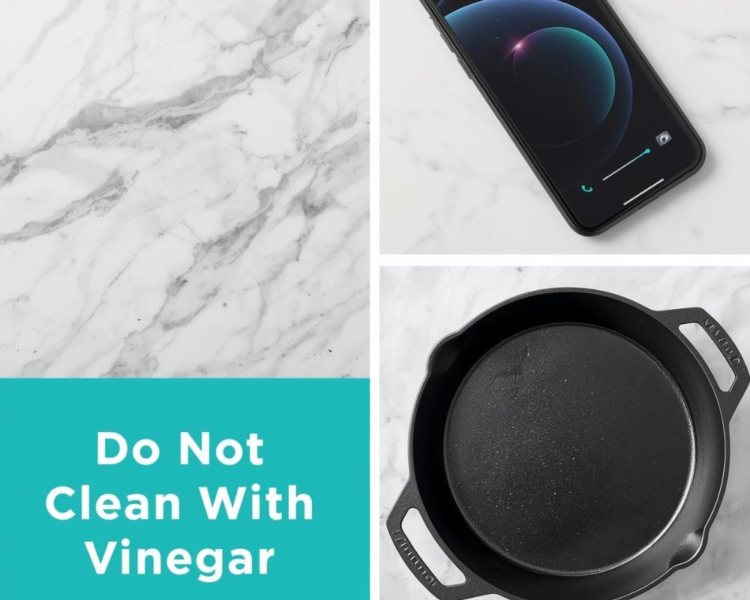
What to Never Clean with Vinegar
- Natural Stone (Marble, Granite, Limestone): The acid in vinegar will “etch” or eat away at the surface of natural stone, leaving permanent dull spots or pits.
- Finished Wood Surfaces: While great for some floors, the acid can eventually break down the protective finish on fine wood furniture or certain waxed floors, leaving them looking cloudy.
- Electronic Screens: Never use vinegar on your smartphone, tablet, or laptop screen. It can strip away the oleophobic (oil-resistant) coating that prevents fingerprints.
- Egg Messes: This is a classic “screw-up.” If you drop an egg, don’t reach for the vinegar. The acid causes the egg proteins to coagulate, turning the mess into a sticky glue that is much harder to clean.
- Cast Iron & Aluminum: Vinegar can cause pitting and reactive damage to these metals. Stick to mild soap and water for your favorite skillet.
- Rubber Parts (Long-term Exposure): While great for a quick rinse in the dishwasher or washing machine, avoid soaking small rubber gaskets or seals in high-concentration vinegar for extended periods, as it can cause some types of rubber to become brittle.
5 Easy Vinegar Cleaning Solution Recipes You Can Mix in Minutes
Let’s make your chemical-free cleaning routine simple and accessible with these essential recipes:
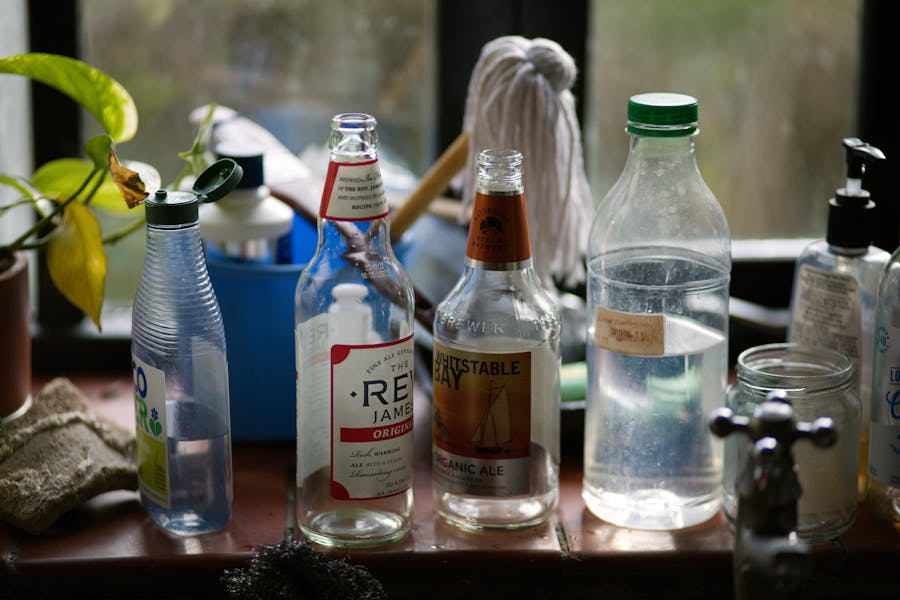
Homemade All-Purpose Vinegar Spray
Ingredients
- ½ cup white vinegar
- ½ cup water
- Optional: Citrus peels or 5 drops lemon essential oil
Directions: Fill a glass spray bottle, shake gently, spray on most hard surfaces (see: Never Use Vinegar on These Surfaces), then wipe clean with microfiber cloth.
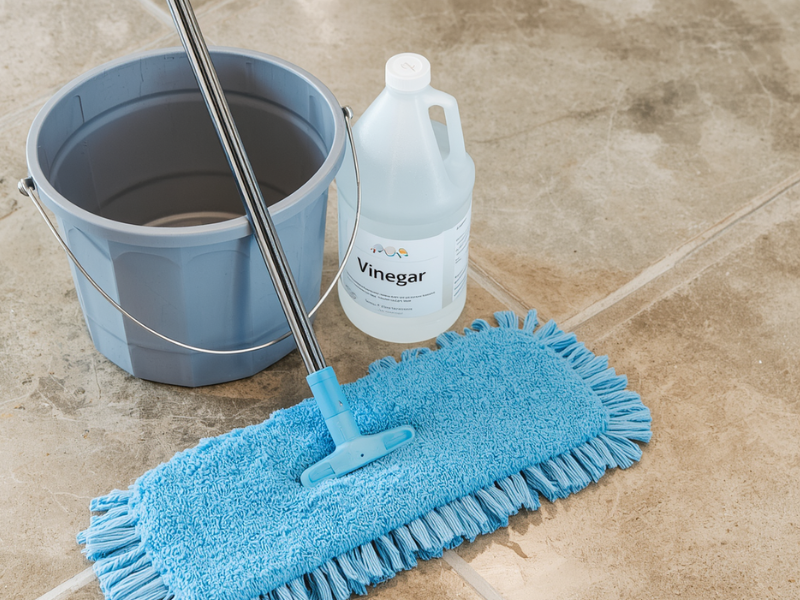
Vinegar Floor Cleaner for Tile and Vinyl
Ingredients
- 1 cup vinegar
- 1 gallon water
- Optional: Squeeze of lemon juice
Directions: Combine ingredients in collapsible bucket. Mop vinyl, tile, or linoleum floors. Do not use on hardwood or stone.
Microwave Steam-Cleaner with Vinegar
Ingredients
- 1 cup vinegar
- 1 cup water
Directions: Heat mixture in a microwave-safe bowl for 2–3 minutes, then wipe away steam-loosened grime easily.
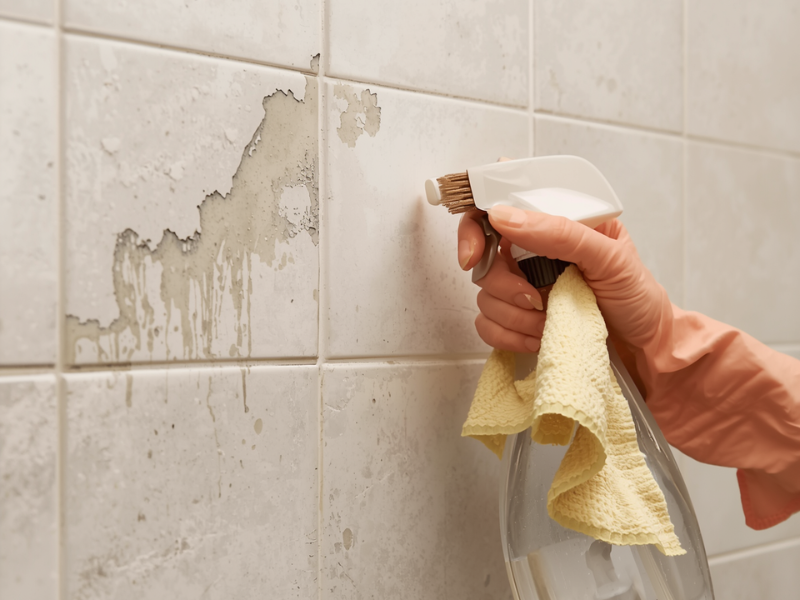
Vinegar Bathroom Cleaner (Tile and Grout)
Ingredients
- Undiluted white vinegar
- Optional: A few drops tea tree oil for extra disinfecting
Directions: Spray directly onto shower doors, tile, or grout; let sit 10 minutes, then rinse.
Vinegar Laundry Softener Substitute
Ingredients
- 1/4 cup distilled white vinegar
Directions: Add to the rinse cycle instead of commercial fabric softeners. Leaves clothes soft and free of synthetic fragrances.