
Vinegar Marinades for Winter Grilling (Plus Natural Grill Cleaning Tips)
This post contains affiliate links to products and books I genuinely use and love. If you buy through my links, I may earn a small commission as an Amazon Associate or through my affiliation with other retailers from qualifying purchases that you make at no extra cost to you.
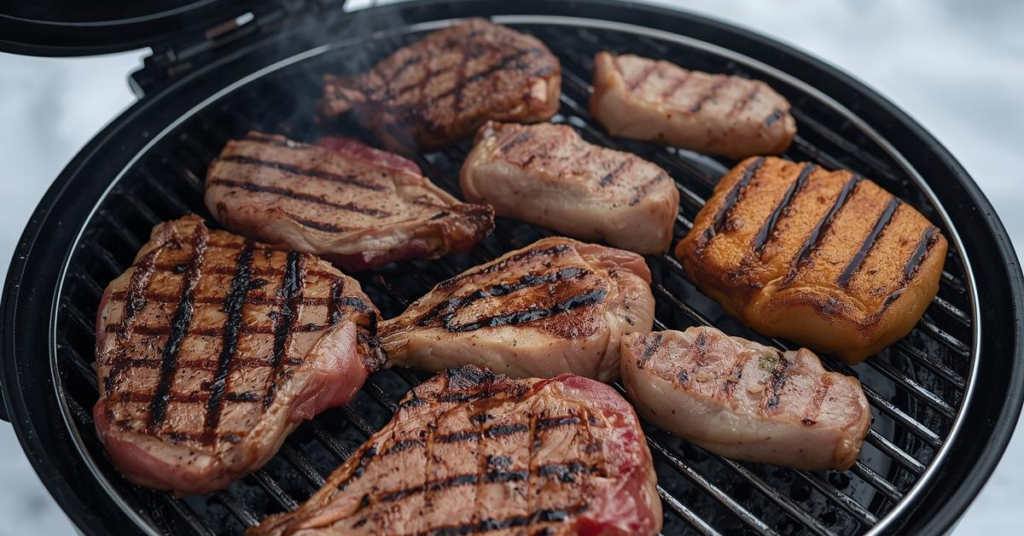
Stocking up on charcoal or refilling propane tanks in January may earn you a few odd looks from fellow shoppers and your neighbors may be befuddled by the wafting outdoor aromas of grilled meats and poultry on shivery winter evenings, but grilling in January displays a badge of culinary courage that delivers unbeatable rewards. Plus, as one of the oldest kitchen alchemists, vinegar brings not only history but also health perks and real versatility for cold-weather grillers—from marinade magic to post-barbecue clean-up.
If you love everything that has to do with grilling outdoors, you don’t have to hibernate just because the calendar flips to January. With the right attitude and a little bit of preparation, firing up the grill in the colder months can be just as much fun and rewarding as any summer barbecuing. There’s something especially enjoyable about chowing down on your favorite grilled meats and veggies while outside the window snowflakes fall.
Why Winter Grilling with Vinegar Marinades Works So Well
I might be a little biased, but I could swear that cold weather brings out the best in vinegar’s zesty punch and that it transforms flavors with the way cozies up to smoke, flame, and heat. Vinegar wakes up tired taste buds dulled through heavy winter dishes and gravies and even has some folklore-fueled immune-boosting properties to help fight off the sniffles when the wind is nipping at your nose.
The acetic acid in the vinegar lowers the pH of the meat surface and causes meat proteins to denature, during which the surface becomes more tender, and collagen and muscle fibers weaken to soften the meat. Acidic marinades also increase the capacity of meat molecules to retain moisture, which prevents meats from drying out on the grill and makes chewing easier.
And that’s true whether you’re firing up the grill outside or cooking your vinegar marinaded meats indoors on a grill pan or indoor grill. What’s important is that you don’t let the cold weather get in the way of enjoying your meat just the way you like it.
Best Meats for Vinegar Marinades in Winter
Although in the winter months I usually rely on vinegar marinades to tenderize tougher cuts of meat for roasts and slow-cooked brisket, chuck roast, and pot roasts, there is still a range of meats and sturdy vegetables that can benefit from absorbing a delicious marinade before grilling.
Vinegar Marinades for Beef (Flank, Skirt, Sirloin, Chuck, Tri-Tip)
Flank steak, skirt steak, sirloin, chuck roast, and tri-tip are great candidates for a vinegar-based marinade, as the acid helps tenderize the muscle fibers and connective tissue. The process enhances texture and flavor after grilling. A marinade of soy sauce, olive oil, white wine vinegar or apple cider vinegar, Worcestershire sauce, garlic, and other spices adds a tangy depth of flavor to any cut.
Vinegar Marinades for Pork Belly, Shoulder, and Chops
Cuts like pork belly, shoulder, and chops become especially juicy and flavorful with a vinegar marinade and are less prone to dry out on the grill in cold weather. I’ve used vinegar marinades for wonderful grilled meals like sweet-glazed pork belly and Asian pork belly, Cuban-style pork shoulder and pork shoulder steaks, and found that brining pork chops before marinating gives the meat added moisture.
Vinegar Marinades for Lamb Shoulder and Leg Cuts
Shoulder or leg cuts, which can be tougher, respond well to red wine vinegar or balsamic vinegar-based marinades, helping to break down tough fibers. I use marinades to prepare Greek-style grilled lamb shoulder chops, Middle Eastern slow BBQ lamb shoulder, and grilled leg of lamb in a marinade of olive oil, white wine vinegar, fresh mint, and rosemary.
Vinegar Marinades for Juicy Winter Grilled Chicken
Both white and dark meat chicken can benefit from a vinegar marinade, which keeps the meat moist and infuses it with tangy flavor. In particular, marinades made with balsamic vinegar, apple cider vinegar or rice wine vinegar go great with grilled chicken and keep grilled thighs, breasts, drumsticks and chicken tenders juicy while adding robust flavors.
Winter Grilling with Sturdy Vegetables (Squash, Root Veggies, and More)
Cold weather changes how your grill holds heat, so sturdy vegetables need a bit more protection and time than they do in summer. Wind and low temperatures can pull heat away from the grates, so preheat longer, keep the lid closed as much as possible, and cut vegetables into pieces large enough that they won’t slip through the grates or burn before they soften. Lightly coating vegetables with oil and a vinegar‑forward marinade helps them resist sticking, promotes caramelization, and prevents the exterior from drying out while the inside becomes tender. The best cold‑weather grilling vegetables are dense, “sturdy” options that can handle higher heat and slightly longer cooking times without falling apart.
Good choices include:
- Winter squash (butternut, acorn, delicata),
- Carrots and parsnips
- Brussels sprouts (halved)
- Cauliflower and broccoli florets
- Sweet potatoes
- Thick wedges of cabbage or onions.
- Skewered smaller vegetables to prevent dropping through grill grates
Winter Grilling Tips: Temperature, Wind and Safety
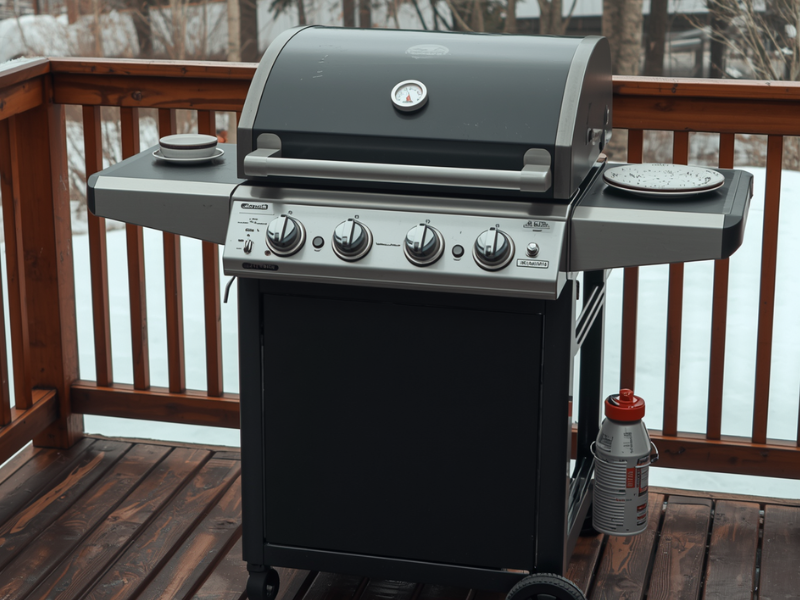
While you may not have to contend with buzzing insects and armchair grilling quarterbacks, there are some special considerations to keep in mind when outdoor grilling in January and all the winter months.
Mother Nature can affect the cooking process with cold temperatures so grills may take longer to reach the proper cooking temperatures. In cold weather, meats benefit from a closed‑lid environment and careful temperature monitoring, while vegetables do better with more frequent turning and a bit of distance from direct flames.
You’ll usually give meats a longer preheat and possibly a reverse‑sear or two‑zone setup to ensure they cook through without scorching, but vegetables can go over medium‑high heat, started closer to direct heat to get grill marks, then moved to indirect heat to finish if needed.
There’s also a difference in how you’ll treat the finished grilled foods. You’ll rest grilled winter meats indoors or under foil to keep them warm, while grilled winter vegetables can often come straight from the grill to the plate, so plan to pull vegetables last or hold them briefly in a covered, warm dish to keep everything hot for serving in winter conditions.
Of course, just like summer grilling, safety should be a priority and cold weather grilling presents its own unique challenges. Always make sure your grill and grill surfaces are cleared of snow and ice, and while it may be tempting to set up in well-sheltered area, your grill should never be indoors when cooking or any place where there is not sufficient ventilation to reduce the risk of carbon monoxide poisoning or fire hazards.
Marinade Timing and Temperature for Winter Grilling with Vinegar Marinades
Cold weather exaggerates what vinegar already does in a marinade, so timing matters more for both meats and sturdy vegetables.
Vinegar Marinade Timing and Tips for Meat
For meat, a vinegar‑forward marinade should generally stay in the 30 minutes to 2–4 hours range depending on the cut and how acidic the mixture is. Thin cuts of chicken or pork in a strongly acidic marinade can start to go mushy or develop a slimy surface if left overnight. Thicker and tougher cuts can tolerate a vinegar marinade a bit longer.
Vinegar quickly begins denaturing the proteins and weakening muscle fibers in meats (again depending on level of acetic acid), so once the marinade has saturated the surface, the marinade served its purpose. More time doesn’t always mean better flavor and too long a marinade can ruin a good piece of meat.
In winter, you also want to let excess marinade drip off the meat and pat the surface dry before grilling so the meat can brown instead of steaming in the cold, then use clean reserved marinade for brushing in the last few minutes if you want extra tang.
Vinegar Marinade Timing and Tips for Winter Vegetables
Sturdy vegetables behave differently because they don’t have muscle fibers to “tenderize,” so the goal is flavor and surface protection, not long penetration.
Most guides recommend marinating vegetables with an oil‑and‑vinegar mixture for about 15–30 minutes before grilling, which is enough to coat and season them without making them soggy. In very acidic marinades or with delicate vegetables, a shorter window (10–20 minutes) is safer, and some cooks prefer to grill the vegetables first and toss them in a warm vinegar marinade afterward so they take on flavor without becoming slippery or over‑soft on the grill.
My Vinegar Grilling Marinade Pantry
Gives marinades flavor and zest.
Provides subtle flavor while infusing with marinade ingredients.
Adds rich textures and sweetness to marinades.
Provides sweetness and helps offset the acidic vinegar taste.
Provides deep savory flavors and intensifies taste of meats and vegetables in marinades.
Provides sweetness and helps offset the acidic vinegar taste.
Provides sweetness and helps offset the acidic vinegar taste.
I look for BPA-free jars with lids that are ideal for creating oxymels and preserving and pickling fruits and vegetables.
I can either compost the oxymel ingredients or save them in salads or sauces.
Vinegar Marinade Recipes for Winter Grilling
Vinegar-based marinades are a great way to brighten up winter grilling, adding both tenderness and layered flavor to richer cold-weather cuts. This section brings together four versatile options built around different types of vinegar, each tailored to a specific protein or vegetable.
You’ll find a zesty red wine vinegar marinade that stands up beautifully to skirt steak, along with a cozy, apple cider vinegar–based marinade used two ways: once for juicy grilled chicken and again for flavorful pork chops. Rounding things out is a robust balsamic marinade designed for sturdy vegetables, perfect for adding charred, caramelized notes to your winter grill platter.
Skirt Steak with Red Wine Vinegar Marinade
Equipment
- 1 Charcoal Grill (or Grill Pan or Indoor Grill)
Ingredients
- 2 Lbs Skirt steak
- 2 Gloves Garlic
- 1 Tsp Salt
- 1 Tbsp Freshly ground black pepper
- 2 Tbsp Fresh, chopped Parsley
- 2 Tbsp Fresh, chopped assortment of herbs
- 1/4 Cup Red Wine Vinegar
- 2 Tbsp Soy sauce
- 1 Tbsp Dijon mustard
- 1 Tbsp Worcestshire sauce
- 1 Tsp Sweetener of choice
- 1/4 Cup Olive Oil Extra virgin
Instructions
- Chop herbs
- Combine herbs and everything else except the olive oil in a blender and pulse until smoothly blended
- Now drizzle olive oil into blender a little bit at a time to emulsify oil with ingredients
- Marinade the skirt steak in a resealable plastic zip lock bag from 2 to 8 hours, depending on degree of tenderness you prefer.
- When skirt steak is marinaded to preference, prepare the grill and cover to heat the grill grates quickly.
- Skirt steak cooks quickly. Arrange steak without crowding on grate and close the lid during the initial searing process (2-3 minutes per side) to develop crust on the steak and then open the lid for the final 2-3 minutes per side to attain a nice caramelization and smoky flavor for the steak.
Notes
Winter Apple Cider Vinegar Marinade for Grilled Chicken
Equipment
Ingredients
- 1/4 Cup Raw Organic Apple Cider Vinegar
- 6 Boneless chicken breasts or thighs
- 3 Tbsp Dijon mustard
- 3 Cloves Garlic, finely diced
- 2 Tbsp Lemon juice squeezed from organic lemons
- 1/2 Cup Preferred Sweetener
- 1 1/2 Tsp Dried onion
- 1 Tsp Dried parsley
- 1 1/2 Tsp Kosher salt
- Dash Ground black pepper
- 6 Tbsp Olive oil extra virgin
Instructions
- Combine all the marinade ingredients in a large glass bowl and whisk briskly to create an emulsion.
- Add chicken in bowl and cover completely with the marinade. Place in refrigerator and let chicken marinate for four hours.
- Heat grill with lid closed until desired level of heat reached. Grill time will depend on the thickness of the chicken, usually between 8 to 10 per side.
- Transfer chicken to a plate when a food thermometer reaches shows an internal temperature of the meat of at least 165 degrees. Let rest for five minutes to allow juices to settle before serving.
Winter Apple Cider Vinegar Marinade for Grilled Pork Chops
Ingredients
- 1/3 Cup Raw Organic Apple Cider Vinegar
- 1/4 Cup Organic Apple Juice
- 3 Tbsp Brown sugar
- 3 Tbsp Fresh, chopped assortment of herbs
- 4 tsp Dijon mustard
- 4 tsp Soy sauce
- 2 Cloves Garlic
- 4 Bone-in or boneless pork chop, thick cut
Instructions
- Using a measuring cup and measuring spoons add all the ingredients (except pork chops) in a glass mixing bowl and stir briskly with a wire whisk to create an emulsion.
- Either pour the contents of the bowl into a plastic zip lock bag and add and saturate pork chops or, if room, put the pork chops in the bowl and cover.
- Refrigerate between 30 minutes to 2 hours, depending on desired texture of meat.
- When ready, pat chops dry and set aside at room temperature for 15 minutes.
- Heat coals in a grill and close lid so the grate heats up quickly
- Cook each side between 4 to 7 minutes depending on the thickness of the chop and it reaches an internal temperature of 145 degrees Fahrenheit.
Balsamic Vinegar Winter Marinade for Sturdy Vegetables
Ingredients
- 3 Tbsp Balsamic vinegar
- 3 tsp Olive extra virgin
- 1 1/2 tsp Kosher salt
- 2 Cloves Garlic, minced
- 2 Tbsp Fresh, chopped assortment of herbs
- 3 Lbs. Mixed vegetables (bell peppers, yellow squash, zucchini, eggplant, mushrooms, asparagus, red onions)
Instructions
- Combine all ingredients (except veggies) in a glass bowl and whisk vigorously to create an emulsion.
- Wash, trim, and chop veggies into thick slices or triangles large enough to prevent falling through the grate slats (Note: Use a skewer for smaller veggies).
- Place veggies in a zip lock bag and pour marinade over them to coat. Shake for more complete surface coverage, flatten bag to expel air, seal and sit at room temperature betweem 15 minutes or 3 hours (more than 3 hours will turn veggies mushy).
- Heat coals in grill and close lid for quicker warming up of grate. Work in batches and grill the veggies until charred on surface. Each veggie will cook at its own rate, so vigilance is suggested.
- Arrange on plate and serve at room temperature.
January Cleaning and Care of Grill Equipment
Grilling in January does expose your grill and equipment to increased risk of snow, sleet, and humidity that presents corrosion risks of grill components if they’re not proactively maintained. Grease and carbon build-up also solidify more rapidly in the cold, making winter cleanup more challenging than in summer. There’s also the threat that grease and ice can gather around grates and burners and reduce the lifespan of your grill.
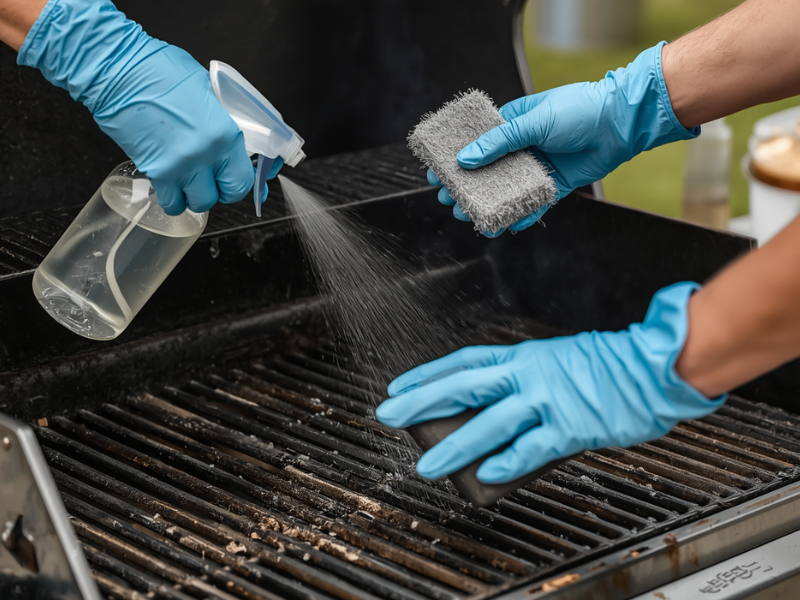
Fortunately, vinegar’s multi-use properties make it a natural vinegar grill cleaner and indispensable for caring for grills and grilling equipment all winter long. Its natural acidity breaks down solidified grease and carbon buildups and remove rust deposits caused by oxidized mineral deposits. Vinegar is food-safe, so a final rinse is optional—ideal for those avoiding chemical cleaners and wanting a natural approach to grill sanitation.
You can begin preparing for winter grilling before January arrives and prevents potential problems by disassembling grill parts including grids, burners, and drip trays with hot soapy water. Inspect hoses for cracks and connectors for leaks. Always store you grill in a sheltered area or with weather-proof covering when not in use.
It’s easy to create a simple vinegar-based cleaning spray by mixing equal parts water and white vinegar in a spray bottle. For particularly stubborn residue, soak grill parts in a mixture of vinegar and baking soda overnight and rinsing and drying well before reassembling.
Ready to Try It?
Craving that fire-kissed flavor that only while everyone else is hunkered down indoors? Grab your vinegar, fire up the grill, and let each tangy, smokey meal create cozy winter memories. What’s your favorite winter grilled dish—or wildest vinegar combination? Drop a comment, and let’s keep the midwinter sizzle strong, and if you like these recipes, sign up for my newsletter where I share vinegar-enhanced recipes for meals and beverages, vinegar cleaning tips, and simple and safe vinegar health hacks.