
Vinegar in International Cuisine: More Than Just Salad Dressing
This post contains affiliate links to products and books I genuinely use and love. If you buy through my links, I may earn a small commission as an Amazon Associate or through my affiliation with other retailers from qualifying purchases that you make at no extra cost to you.
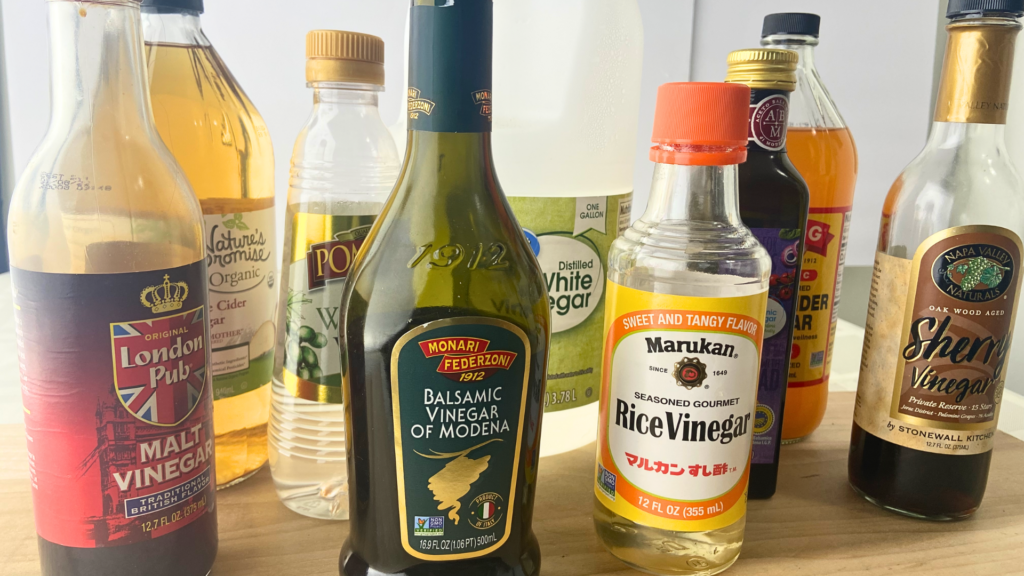
Vinegar might live in your fridge door as that bottle you reach for when you’re making salad dressing, but around the world it’s doing far more interesting work. Different cultures around the world use vinegar for brightening rice, balancing stews, tenderizing meats, and even starring in drinks and desserts.
In Japanese kitchens, rice vinegar quietly seasons sushi rice and pickles. In Italy, balsamic vinegar gets reduced into glossy drizzles. In the Philippines, cane vinegar anchors whole families of tangy, garlicky dishes.These are just a few examples of vinegar in international cuisine. Each cuisine has its “house acid,” and each one uses it in ways that can completely transform your weeknight cooking once you borrow a few tricks. All throughout the world cultures have incorporated vinegar into their diet.
If you only ever whisk vinegar with oil, salt, and pepper, you’re using about 5% of its potential. Vinegar use by cultures includes adopting it as flavor shaper, a preserver, and sometimes even a finishing touch that makes a dish suddenly taste “right.” There’s so much more to discover when it comes to vinegar in international cuisine.
Think of this post as a little tasting tour: we’ll visit a few vinegar traditions, unpack what each culture does with acid, and then give you simple ways to bring those ideas into your own kitchen without needing specialty chef skills.
Japan: Gentle Rice Vinegar and the Art of Balance
Japanese cooking leans on rice vinegar for delicate, balanced acidity. It’s milder and slightly sweeter than many Western vinegars, which makes it ideal when you want brightness without sharpness.
How Rice Vinegar Is Used
Warm cooked rice is seasoned with a mixture of rice vinegar, sugar, and salt to create Sushi rice. The vinegar doesn’t just add flavor; it lightly preserves and keeps the grains separate and glossy. For Quick pickles (tsukemono) are thin‑sliced cucumbers, radishes, or carrots that are briefly marinated in rice vinegar with a bit of sugar and salt for crisp, refreshing sides. Rice vinegar is also the backbone of many light dressings for salads, seaweed, and cold noodles, often paired with soy sauce, sesame oil, and a little sugar.
How to Borrow the Japanese Rice Vinegar Trick at Home
- Swap rice vinegar into your everyday vinaigrette when you’re serving delicate greens or raw fish.
- Make a fast “sushi‑ish” rice bowl: toss warm rice with a splash of rice vinegar, a pinch of sugar and salt, then top with leftover salmon, avocado, cucumber, and nori.
- Build a simple dipping sauce: equal parts soy sauce and rice vinegar, plus a touch of sesame oil and grated ginger, for dumplings or pan‑fried tofu.
Italy: Balsamic, Wine Vinegars, and Layered Acidity
Italian cooking leans on wine vinegars (red and white) for everyday use and balsamic vinegar when you want richness and complexity.
How Italians Use Vinegar
Red or white wine vinegar is often splashed onto simple salads, marinated vegetables (like roasted peppers or grilled zucchini), and bean salads Balsamic vinegar, especially when gently reduced, becomes almost syrupy and is used over grilled meats, roasted vegetables, and even fruit like strawberries or peaches. Vinegar is also favored when used to balance sugar (or honey) and vinegar to create a tangy glaze Agrodolce (“sweet‑sour”) for onions, fish, or chicken dishes.
Italian‑Inspired Weeknight Upgrades
- Roast any vegetable (Brussels sprouts, carrots, onions) and toss with a splash of balsamic right after it comes out of the oven for a shiny, sweet‑tart finish.
- Make a quick Italian bean salad: canned white beans, chopped herbs, olive oil, red wine vinegar, salt, and lots of black pepper.
- Do a simple agrodolce: sauté onions or shallots, then deglaze the pan with equal parts balsamic vinegar and a little sugar, simmering until syrupy; spoon over chicken, pork, or roasted squash.
The Philippines: Cane Vinegar, Adobo, and Bright Stews
In Filipino cooking, cane vinegar (often called sukang maasim or sukang iloko, among other names) is everywhere. It has a clean, sharp acidity that can stand up to rich, garlicky flavors.
Vinegar in Filipino Cuisine
Adobo is perhaps the most famous Filipino dish of chicken, pork, or a mix that’s simmered in vinegar, soy sauce, garlic, bay leaves, and peppercorns. Vinegar gives it a tangy backbone and preserves the cooked meat. Vinegar is also blended with and simmered in aromatics to create dishes that are bright and shelf‑stable(Paksiw)and other fish, vegetables, or meats sour stews. Simple mixtures of vinegar, chopped chilies, garlic, and salt are served dipping sauces as with grilled meats and fried foods.
Bringing Filipino Vinegar Magic to Your Kitchen
- Make a weeknight adobo‑style dinner: simmer chicken thighs in a mix of cane or white vinegar, soy sauce, garlic, bay, and pepper until tender; serve with rice.
- Use vinegar‑chili‑garlic dipping sauces with your own grilled or air‑fried chicken wings.
- Add a splash of cane or white vinegar to rich, fatty dishes (like braised pork) near the end of cooking to cut through richness.
Mexico and Latin America: Bright Pickles, Escabeche, and Hot Sauce Bases
Across Mexico and much of Latin America, vinegar pairs with chiles, onions, and spices to bring brightness and heat.
Vinegar in Mexican Cooking
Escabeche is vegetables (carrots, onions, jalapeños) quick‑pickled in vinegar, water, herbs, and spices and served alongside tacos, grilled meats, and beans. Vinegar often anchors bottled hot sauces and some cooked salsas, helping preserve them and adding tang to salsas and hot sauces. While citrus is more common catalyst for ceviche, some variations include a little vinegar to balance or boost acidity.
Easy Ways to Borrow Latin American Vinegar Tricks
- Make a taco topper escabeche: simmer sliced carrots, onions, and jalapeños briefly in a mix of vinegar, water, salt, and a pinch of sugar; cool and keep in the fridge for adding to tacos, bowls, and sandwiches.
- Splash vinegar into your homemade hot sauce or cooked salsa to give it brightness and help it keep longer in the fridge.
- Finish hearty bean dishes with a tiny dash of vinegar to wake up the flavor instead of just adding more salt.
China and East Asia: Black Vinegar, Rice Vinegar, and Deep Savory Notes
In Chinese cuisine, vinegar comes in several forms, notably Chinese black vinegar (often made from fermented grains like rice and wheat) and lighter rice vinegars.
How Vinegar Shows Up
Dumpling dipping sauces are often a mix of black vinegar, soy sauce, garlic, and chili oil with the vinegar cutting through the richness of the filling and sweet‑and‑sour dishes combinevinegar plus sugar (and sometimes ketchup or fruit) create glossy sauces for stir‑fried meats and vegetables. A splash of vinegar can balance spicy, oily noodle bowls, adding brightness and depth.
How to Bring Chinese‑Style Vinegar Use Home
- Create a no‑fuss dumpling sauce: mix black vinegar (or rice vinegar if that’s what you have) with soy sauce, a little sugar, and chili oil. Use with frozen dumplings for an instant upgrade.
- Toss cooked noodles with chili oil, soy sauce, and a splash of vinegar for a quick, craveable bowl.
- Add a dash of vinegar at the end of a stir‑fry to sharpen and brighten the flavors.
The Middle East and Mediterranean: Wine Vinegars, Pomegranate, and Pickles
Throughout the Middle East and Mediterranean, vinegar has appeared for centuries alongside citrus, yogurt, and fermented dairy to balance rich meats and grains.
Typical Vinegar Roles in Middle Eastern Food
Turnips, cucumbers, onions, and more are preserved in vinegar, salt, and sometimes beet juice or spices for delicious pickled vegetables.Wine vinegar or pomegranate molasses (a sweet‑tart syrup) brightens hearty salads like fattoush or grain pilafs. Vinegar mixes with spices, garlic, and oil to marinate lamb, chicken, or fish for main courses.
Weeknight Ways to Borrow These Ideas
- Make quick pickled red onions with vinegar, salt, a little sugar, and water; use them on everything from falafel wraps to grain bowls.
- Add a spoonful of vinegar to lentil or chickpea dishes at the end of cooking to add lift.
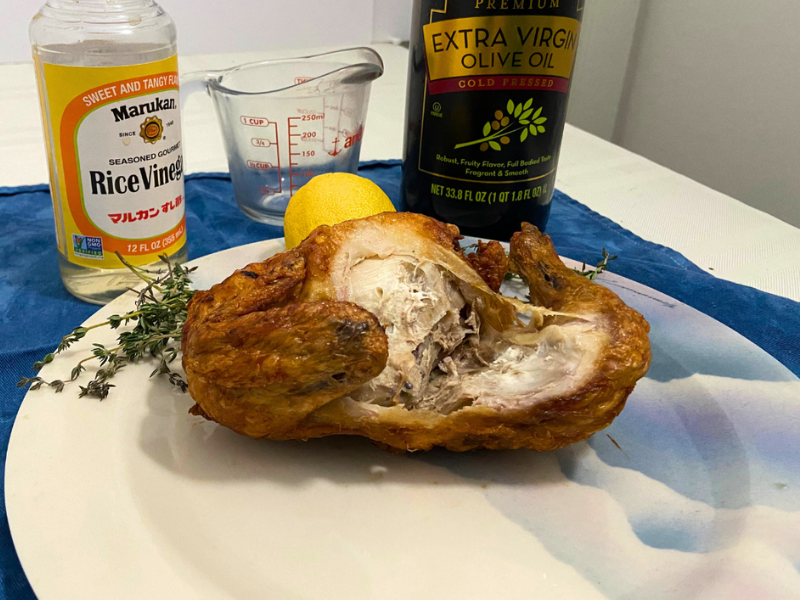
- Use a simple marinade of vinegar, olive oil, garlic, and cumin on chicken thighs before roasting.
How to Choose the Right Vinegar for the Job
Each culture has its favorite vinegar style. When you’re borrowing ideas, you can often substitute what you have, but it helps to understand the basic personalities:
- Rice vinegar: Mild, slightly sweet; great for Asian dishes, marinades, and light dressings.
- Apple cider vinegar: Fruity, medium‑sharp; works well in American, Northern European, and rustic dishes.
- Red wine vinegar: Robust; ideal for bold salads, grilled vegetables, and bean dishes.
- White wine/Champagne vinegar: Light and bright; excellent for delicate salads and fish.
- Balsamic vinegar: Sweet and complex; best used as a finishing drizzle or in reductions.
- Cane vinegar: Clean and sharp; shines in Filipino and other Southeast Asian recipes.
- Black vinegar: Deep, malty, slightly smoky; great in Chinese dipping sauces and noodle dishes.
You don’t need all of these at once. Start with two or three that fit the cuisines you cook most often, then add more as your curiosity grows.
Simple Ways to Break Out of the Salad‑Only Vinegar Rut (Tonight)
If you want to start using “vinegar in international cuisine” without buying a dozen bottles or mastering new recipes, try these four low‑effort changes:
- Finish, don’t just dress: Add a splash of vinegar to soups, stews, and sautéed greens at the end of cooking instead of only using it on salads.
- Quick pickles: Thin‑slice a vegetable (cucumber, radish, onion), toss with vinegar, salt, and a pinch of sugar; let sit while you cook dinner and use as a condiment.
- Pan sauces: After searing meat or tofu, deglaze the pan with a little vinegar + broth. Swirl in butter or olive oil for an instant sauce.
- Global marinades: Combine vinegar, oil, garlic, and one or two spices that feel “of a place” (oregano for Italian, cumin for Middle Eastern, soy + ginger for East Asian).
Little by little, you’ll start thinking of vinegar as a flavor dial you can adjust in any dish, not just something you whisk with olive oil twice a week.