
What is a Vinegar Shrub? Ingredients, Uses, and Recipe Basics
What is a vinegar shrub?
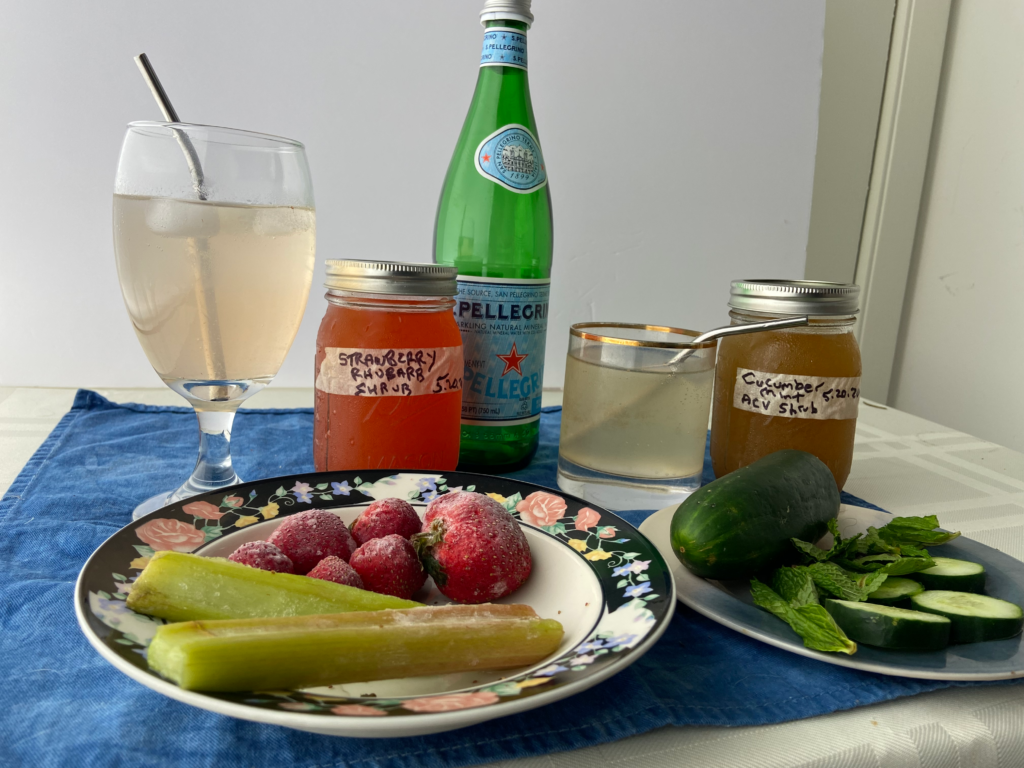
A vinegar shrub, also called a drinking vinegar, is a sweet-and-sour syrup made with fruit, sugar, and vinegar. The fruit provides flavor, the sugar balances the vinegar’s acidity, and the vinegar gives the shrub its bright, tangy character. Shrubs are also known as drinking vinegars (not to be confused with Japanese drinking vinegars). They combine sweetness, fruit flavor, and acidity in a concentrated mixture that can be diluted with water, sparkling water, tea, juice, or used in cocktails and mocktails.
A shrub is not simply fruit-flavored vinegar. The sugar is an important part of the balance because it softens the vinegar’s sharpness and helps bring out the fruit’s flavor.
Shrubs were historically used as a way to preserve fruit before refrigeration. Today, they are commonly added to sparkling water, mocktails, cocktails, dressings, marinades, and sauces. Because shrubs are concentrated and acidic, they are usually mixed with another beverage or ingredient rather than consumed straight.
Why are shrubs called drinking vinegars?
The term “drinking vinegar” refers to a flavored vinegar mixture intended to be diluted into a beverage.
A shrub may be stirred into:
- Still water
- Sparkling water
- Tea
- Lemonade
- Fruit juice
- Cocktails
- Mocktails
The final drink is usually tart, sweet, and fruit-forward. The flavor can range from refreshing and delicate to spicy, herbal, or deeply fruity depending on the vinegar and other ingredients.
Because vinegar is acidic, a shrub is generally best diluted rather than consumed straight from the bottle.
How were shrubs traditionally used?
Shrubs have a long history as fruit-and-vinegar preparations. Before modern refrigeration, vinegar and sugar helped extend the usability of seasonal fruit and preserve its flavor for later use.
Historically, fruit shrubs were used in drinks made with water or spirits. Different regions and recipes used different fruits, sweeteners, vinegars, and spices.
Modern shrubs are usually prepared for flavor rather than relied upon as a long-term preservation method. A homemade shrub containing fresh fruit should be prepared, stored, and refrigerated carefully.
What ingredients are used in a shrub?
Fruit
Fruit provides the shrub’s main flavor and color. You can use:
- Strawberries
- Raspberries
- Blueberries
- Blackberries
- Cherries
- Peaches
- Plums
- Apples
- Pears
- Pineapple
- Citrus peel
- Cranberries
- Grapes
Fresh fruit is common, but fruit juice, frozen fruit, cooked fruit, or leftover fruit can also be used depending on the recipe.
Sugar
Sugar balances the vinegar’s acidity and helps extract juice from the fruit. White sugar produces a clean flavor, while brown sugar, maple syrup, honey, or other sweeteners can add more character.
The sweetener affects the finished shrub’s flavor and storage properties, so substitutions may change the recipe’s texture and keeping quality.
Vinegar
The vinegar provides acidity and gives the shrub its distinctive tartness. Suitable choices include:
- Apple cider vinegar
- Rice vinegar
- White wine vinegar
- Red wine vinegar
- Champagne vinegar
- Sherry vinegar
- Mild balsamic vinegar
Choose a vinegar that complements the fruit. A strongly flavored or highly acidic vinegar can overpower delicate fruit.
Plain distilled white vinegar can be used in some recipes, but it may taste sharper and less rounded than fruit or wine vinegar.
What does a shrub taste like?
A shrub usually tastes:
- Tart
- Sweet
- Fruity
- Bright
- Refreshing
- Slightly fermented or wine-like, depending on the vinegar
The balance depends on the ratio of fruit, sugar, and vinegar. A shrub with too much vinegar may taste harsh, while one with too much sugar may taste syrupy.
A well-balanced shrub should taste noticeably acidic but not unpleasantly sharp.
How do you use a vinegar shrub?
A shrub is usually used as a concentrate. Start with a small amount and dilute or mix it gradually.
Sparkling-water shrub
Combine:
- ½ to 1 ounce shrub
- 4 to 6 ounces sparkling water
- Ice
- Fruit, herbs, or citrus as a garnish
Adjust the amount of shrub according to its strength and sweetness.
Shrub mocktail
Combine a shrub with:
- Sparkling water
- Ginger beer
- Tea
- Citrus juice
- Fresh herbs
- Fruit
- Ice
Good pairings include:
- Strawberry and basil
- Raspberry and mint
- Apple and ginger
- Peach and thyme
- Pineapple and jalapeño
- Blackberry and sage
- Cranberry and orange
Shrub cocktail
A shrub can add acidity and fruit flavor to cocktails made with:
- Gin
- Vodka
- Bourbon
- Rum
- Tequila
- Brandy
- Sparkling wine
Use the shrub in place of, or alongside, some of the sour or sweet ingredients in a cocktail. It is not always a direct substitute for lemon or lime juice because vinegar has a different flavor profile.
Salad dressing
A shrub can be whisked with:
- Olive oil
- Mustard
- Herbs
- Salt
- Pepper
Because shrubs already contain sugar, taste the dressing before adding additional sweetener.
Marinades and sauces
Fruit shrubs can add acidity and sweetness to:
- Pork marinades
- Chicken sauces
- Roasted vegetables
- Grain bowls
- Bean dishes
- Glazes
- Pan sauces
Use a small amount at first because the sugar can make a sauce brown quickly during cooking.
Can you drink a shrub straight?
I warn against it. It is generally better to dilute a shrub rather than drink it straight. Undiluted vinegar is acidic and may irritate the mouth, throat, stomach, or teeth.
Diluting the shrub with water or sparkling water also makes the fruit and sweetener easier to balance. If you experience reflux, tooth sensitivity, or mouth irritation, a vinegar-based drink may not be suitable for you.
Avoid presenting shrubs as detox drinks, energy drinks, or medical treatments. They are flavored acidic beverages.
Is a shrub healthy?
A shrub is not automatically healthy simply because it contains fruit or vinegar. The nutritional profile depends on the recipe, particularly the amount of added sugar.
A shrub can be enjoyed as a flavorful beverage ingredient, but it should not be promoted as a proven treatment for:
- Weight loss
- Detoxification
- Poor digestion
- Inflammation
- Low energy
- Infections
- Hangovers
- Blood-sugar problems
The phrase “afternoon pick-me-up” is fine as a description of how someone may enjoy the drink, but it should not imply a scientifically established energy or health benefit.
How is a shrub made?
There are several methods for making shrubs.
Cold-process method
- Combine chopped fruit and sugar in a clean container.
- Refrigerate the mixture until the fruit releases juice.
- Stir in the vinegar.
- Strain out the fruit solids.
- Store the shrub in a clean, sealed container in the refrigerator.
Cooked method
- Combine fruit, sugar, and vinegar in a saucepan.
- Warm the mixture gently according to the recipe.
- Avoid prolonged boiling, which may change the flavor and aroma.
- Strain the mixture.
- Cool it before transferring it to a clean container.
- Refrigerate.
The exact ratio varies by recipe. A common starting point is equal parts fruit, sugar, and vinegar by volume, but the best ratio depends on the fruit, vinegar, desired sweetness, and preparation method.
How long does a homemade shrub last?
Storage life varies according to the ingredients, acidity, preparation, cleanliness, and storage temperature.
For a homemade shrub containing fresh fruit:
- Use clean equipment.
- Store it in a clean, sealed container.
- Refrigerate it.
- Label it with the preparation date.
- Check it before each use.
- Discard it if it develops mold, bubbling, pressure, sliminess, or an unusual odor.
Can shrubs be made without alcohol?
Yes. Shrubs are naturally suitable for nonalcoholic drinks. Mix the concentrate with sparkling water, iced tea, lemonade, ginger beer, or another beverage.
A shrub mocktail can be as simple as:
- ½ ounce fruit shrub
- 5 ounces sparkling water
- Ice
- Fresh fruit or herbs
Add more sparkling water if the shrub tastes too intense.
Can shrubs be made with different vinegars?
Yes. The vinegar changes the character of the finished shrub.
| Vinegar | Flavor | Fruit pairings |
|---|---|---|
| Apple cider vinegar | Fruity, earthy, tangy | Apple, pear, berries, ginger |
| Rice vinegar | Mild and delicate | Cucumber, melon, peach, mint |
| White wine vinegar | Light and crisp | Pear, grapes, stone fruit |
| Red wine vinegar | Sharp and robust | Berries, cherries, pomegranate |
| Balsamic vinegar | Rich, fruity, sweet-tart | Strawberries, cherries, peaches |
| Champagne vinegar | Delicate and bright | Citrus, berries, herbs |
Avoid using cleaning vinegar, horticultural vinegar, industrial vinegar, or any vinegar not labeled for food use.
Is a shrub the same as a drinking vinegar?
Usually, the terms are used similarly. Both generally refer to a sweetened vinegar mixture used in drinks. Recipes vary, so “shrub” may sometimes refer specifically to a fruit, sugar, and vinegar syrup.
Does a shrub contain alcohol?
Not necessarily. Most shrubs are made from fruit, sugar, and vinegar and do not require alcohol. A shrub can be added to a cocktail, but the shrub itself is usually nonalcoholic.
Can I use a shrub in a mocktail?
Yes. Shrubs work especially well with sparkling water, ginger beer, iced tea, citrus, herbs, and fresh fruit.
Can I use a shrub in a cocktail?
Yes. A shrub can add acidity, fruit flavor, and sweetness to cocktails made with gin, vodka, rum, bourbon, tequila, brandy, or sparkling wine.
What is the best vinegar for a shrub?
Apple cider vinegar is a versatile choice, but rice vinegar, white wine vinegar, red wine vinegar, champagne vinegar, and mild balsamic vinegar can also work. Choose a vinegar that complements the fruit.
How much shrub should I use in a drink?
Start with about ½ ounce per serving, then adjust with more shrub, water, or sparkling water. The correct amount depends on the shrub’s acidity, sweetness, and concentration.
Can I use honey instead of sugar?
Yes, but honey will change the flavor and texture. Honey is also an important food-safety consideration for infants: do not give honey-containing products to children under 12 months.
Can I make a shrub with frozen fruit?
Yes. Frozen fruit may release juice effectively as it thaws. Use clean fruit and refrigerate the finished shrub.
Does a shrub need to be refrigerated?
Homemade fruit shrubs should generally be refrigerated, especially after straining or opening. Follow the specific recipe’s storage instructions.
Can I drink a shrub every day?
A shrub is an acidic, often sweetened beverage, not a required health drink. Frequent acidic drinks may affect tooth enamel and may aggravate reflux or stomach irritation in some people.
Is a shrub the same as fire cider?
No. A shrub is usually a fruit-and-vinegar syrup designed for drinks and culinary use. Fire cider is generally a spicy vinegar infusion promoted as a traditional tonic. They may overlap in ingredients, but they are not the same preparation.