
Vinegar Home Remedies for Sore Throats, Coughs, and Colds: Caution and Comfort
This post contains affiliate links to products and books I genuinely use and love. If you buy through my links, I may earn a small commission as an Amazon Associate or through my affiliation with other retailers from qualifying purchases that you make at no extra cost to you.
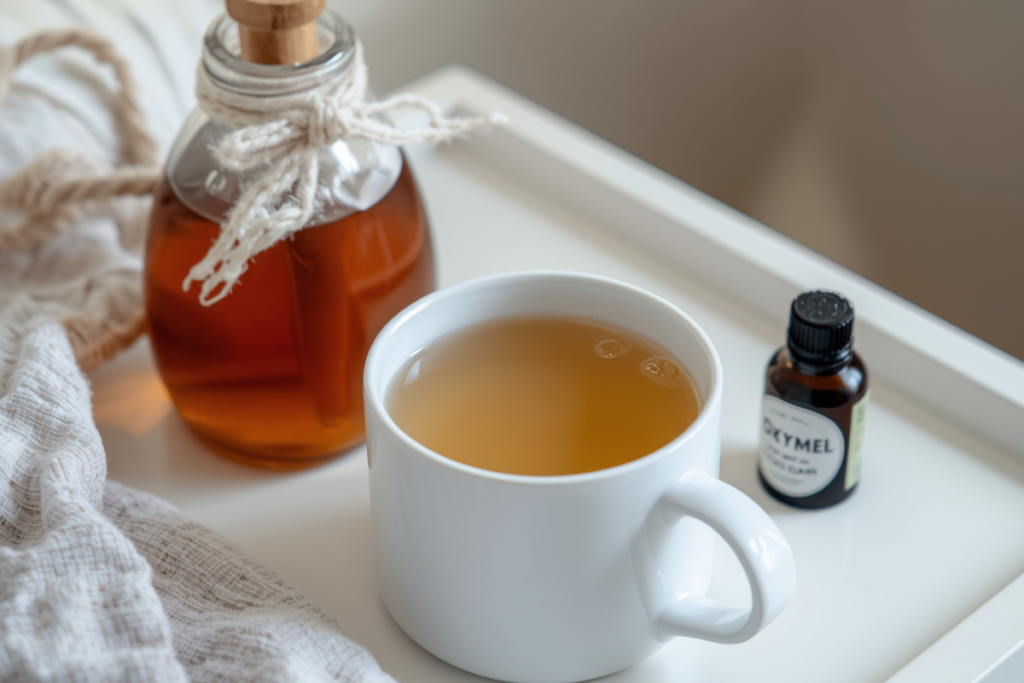
In the age of the internet, traditional, old home DIY remedies using vinegar for sore throat often get dialed up to 11 and the promises I see being made would be comical if not for the discomfort, pain, and damage these “miracle cures” end up causing vulnerable people.
I’ve seen recommendations for straight shots of vinegar for sore throats, posts advocating for repeated apple cider vinegar (ACV) gargles with almost‑undiluted ACV, and calls for daily mega‑doses of vinegar-concoctions any time you feel a sniffle coming on. That’s when my vinegar begins to boil.
See, vinegar can serve many purposes, but it is not an antibiotic, an antiviral, or a proven cure for sore throat, cough, or colds. At best, it’s a small supporting player in a much bigger script that includes rest, fluids, symptom relief, and knowing when to see a doctor.
It may seem odd to visit a website dedicated to sharing and extolling all the wonderful benefits of vinegar and come across a guide that aims to serve as a warning against relying on vinegar home remedies for sore, painful throats. Yes, vinegar can play a gentle, supportive role when you’re sick, but there’s a far greater likelihood that it will end up irritating your throat, upsetting your stomach, or simply getting in the way of caring for yourself properly.
The Big Concern: Strong Vinegar on an Already Sore Throat

The problem that I see and hear about over and over is people treating vinegar like medicine, not like acid.
Think about it. When your throat is already inflamed and raw do you really think it’s wise to swallow an undiluted or very strong acid. Undiluted vinegar can damage mouth and throat linings. Repeated strong gargles can actually strip away delicate tissues that are trying hard to heal. If you also have acid reflux (which often worsens with colds and coughing), frequent vinegar can make the burning and chest discomfort worse.
If you’ve ever taken a big swallow of straight vinegar and felt that “oh no” burn all the way down, your sore throat is going to feel that times ten. So, if vinegar is going to show up in your sick‑day routine, it needs to be in much gentler, well‑diluted ways and you should monitor how you feel afterward.
Can Vinegar Help a Sore Throat at All?
Short answer is it may help some people feel more comfortable, mostly as part of a warm, soothing drink, but most definitely not as a harsh stand‑alone treatment.
What vinegar might do in a throat‑friendly context add tang to a warm honey‑and‑lemon drink, which encourages you to sip slowly and stay hydrated. It may contribute a mild antimicrobial effect on the surface of the throat (though this is not the same as treating an infection), especially in the case of an oxymel or shrub where the beneficial properties of the herbal ingredients can promote healing more so than the vinegar. It can also stimulate saliva, which can help keep a dry throat feeling more lubricated.
But if there’s one message that I want you to remember, it’s this: if it stings, it’s not soothing. Any vinegar remedy for a sore throat should be so well diluted that you notice tang but not fire. In other words, if there’s pain, there is no gain. Stop.
Gentle Warm Drinks: Oxymels, Not Harsh Vinegar Tonics
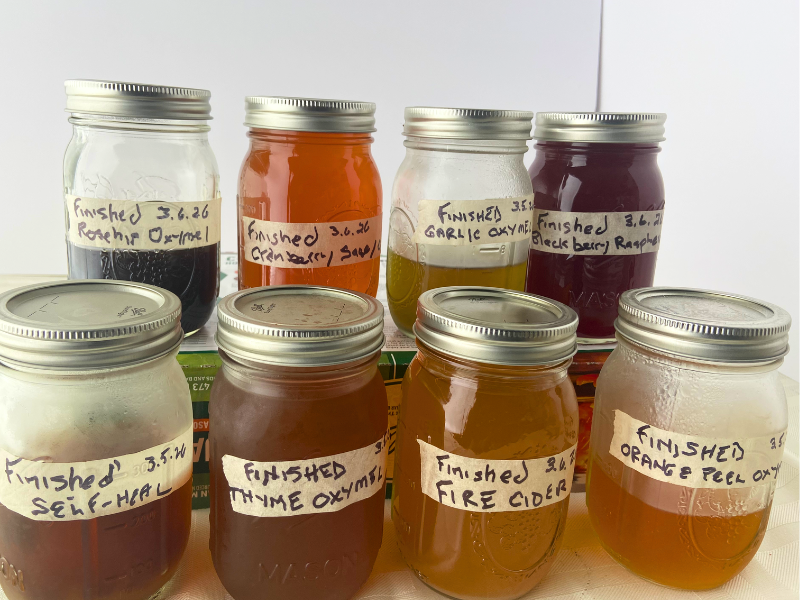
If you like having a warm, tangy drink when you’re under the weather, I’m much more excited about oxymels than about straight ACV tonics. An oxymel is simply vinegar and honey (often infused with herbs) that you’ve already blended ahead of time in a much more throat‑friendly ratio. The honey and herbs do a lot of the soothing; the vinegar is there as a supporting flavor and gentle acid, not the star of the show.
Here’s a simple way to turn a pre‑made oxymel into a warm drink that’s kind to an irritated throat.
Throat‑Soothing Thyme Oxymel Drink
If you have an oxymel made with apple cider vinegar, honey, and thyme (or another mild, throat-friendly herb):
- 8–10 oz warm water (comfortably warm, not scalding)
- 1–2 teaspoons thyme oxymel to start
- Optional: a slice of fresh ginger or a squeeze of lemon if your throat tolerates it
Stir, sip, and adjust only if it doesn’t burn or scratch going down. If 2 teaspoons feels like too much, go back to 1 teaspoon or just enjoy warm water with honey and herb tea. Here are a few of my favorite oxymel recipes.
Gargling with Vinegar: Proceed with Extra Caution (If At All)
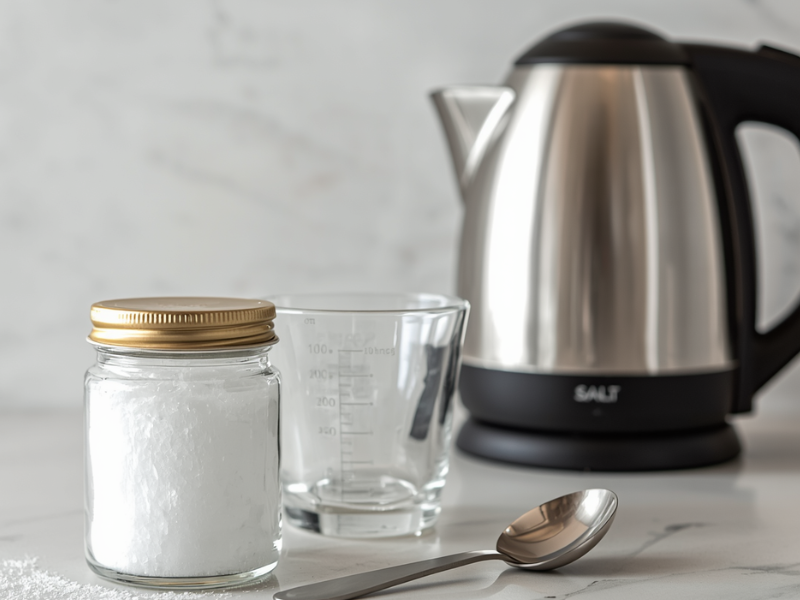
Salt‑water gargles are an old sore‑throat staple. Some people add vinegar to that mix. That’s where I get much more cautious.
If you want to experiment with a vinegar‑salt gargle start with a very weak solution. In fact, skip the vinegar at the outset. For example:
- 1 cup warm water
- ½ teaspoon salt
- Mix and gargle for 10–15 seconds at a time, then spit it out—do not swallow.
- If you feel burning, intense sting, or more pain afterward, stop and switch back to plain salt water.
Honestly, for most people, a simple salt‑water gargle is plenty. I’d rather see you keep vinegar around to add flavor to salad dressings, to make tasty shrubs, and for pickling to keep vegetables fresh.
When Vinegar and “Sick Tummy” Don’t Mix
A lot of people with colds also have increased acid reflux from lying down or coughing constantly or a sensitive stomach from mucus drainage or medications.
In those situations, repeated acidic drinks—vinegar, citrus, even too much lemon—can ramp up heartburn, nausea, or that “sour” stomach feeling.
You’ll probably want to avoid vinegar‑based remedies if:
- you already have GERD, frequent heartburn, or an ulcer diagnosis
- you feel burning in your chest or upper abdomen whenever you try acidic drinks
- your doctor has told you to be cautious with acidic foods and beverages
It’s always okay to say, “My throat is too raw for this right now,” and keep your mug full of non‑acidic options: warm water with honey, herbal teas, or broth.
Signs You Need a Doctor, Not a Home Remedy

This is the safety line I try to draw on every health‑related post. Skip vinegar (and all other home remedies) and seek medical care if you notice:
- Fever that’s high or lasts more than a few days
- Severe sore throat that makes it hard to swallow, breathe, or open your mouth
- White patches, pus, or very swollen tonsils
- Ear pain, chest pain, or shortness of breath
- Cough that lasts more than a couple of weeks, or cough with blood
- Any feeling that “this is worse than my normal cold”
Vinegar is for mild symptom comfort, at best. It’s never a substitute for proper diagnosis or treatment.
Who Should Be Extra Careful or Avoid Vinegar When Sick
A few groups should be especially cautious with vinegar‑based home remedies:
- Kids: Little throats and stomachs are more sensitive. Talk with a pediatrician before giving vinegar drinks or gargles, and never use strong solutions.
- People with reflux, ulcers, or digestive disease: Acid on top of acid is usually not fun.
- Anyone with enamel issues or very sensitive teeth: Frequent acidic drinks (especially when you’re sipping all day) can make sensitivity worse.
- People on multiple medications: If you’re on serious medications, have chronic illness, or are immune‑compromised, always check in with your clinician before adding daily or high‑dose vinegar.
Remember: you can love vinegar in your kitchen and cleaning routine and still skip it in some health situations. That’s not “un‑natural”, that’s smart.
Comfort Extras to Pair With (or Instead of) Vinegar for Sore Throats

Even if you like the idea of a gentle vinegar drink when your throat hurts, it helps to remember that comfort doesn’t begin and end with what’s in the mug. Vinegar is, at best, a small supporting actor in a bigger cast that includes warmth, hydration, honey, rest, and common‑sense medical care when things are more serious.
Warmth and hydration first
Before you decide whether vinegar belongs in your drink, make sure you’ve covered the basics:
- Warm, non‑acidic fluids like herbal teas, broths, or warm water with honey help keep you hydrated and soothe irritated tissue.
- Sipping regularly throughout the day (a few sips every 15–30 minutes) often feels better than trying to power through one big mug.
If you like the ritual of vinegar when you’re under the weather, and a tiny amount of vinegar feels okay, it can be one flavor note in a warm drink you were going to have anyway. If it stings, skip it and lean into the warmth and fluids. If you want to avoid vinegar for the time being instead, here are some gentle, realistic ways to include it without overdoing it:
Honey, Salt, and Gentle Herbal Support
A lot of classic sore‑throat comforts work with or without vinegar in the picture:
- Honey (for adults and kids over 1) can coat the throat and make warm drinks feel more soothing.
- Simple saltwater gargles—without vinegar—are often enough to ease scratchiness and help loosen mucus.
- Mild herbs like chamomile, ginger, and thyme show up in teas and oxymels and can feel supportive even when you decide vinegar isn’t a good fit that day.
And yes, I still keep apple cider vinegar on my shelf. If your throat tolerates it, a very diluted vinegar‑honey drink or herbal oxymel can join these comforts as a small accent. If not, the honey, salt, and herbs are still valuable on their own.
Environmental Comfort and Rest
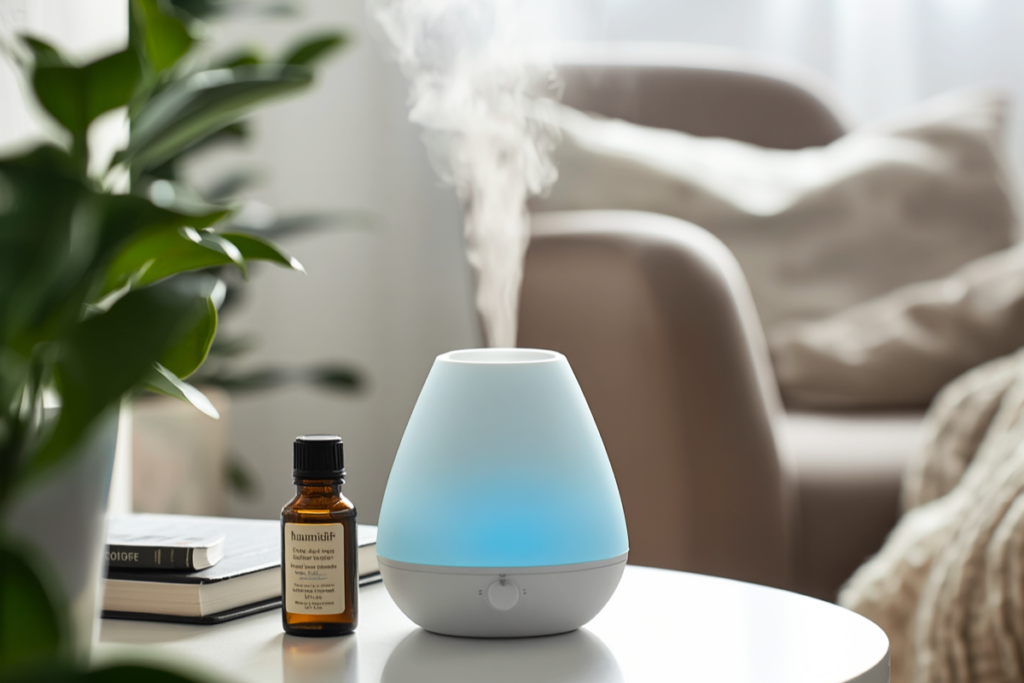
Sometimes the most helpful “remedies” aren’t in the kitchen at all:
- A warm scarf or soft wrap around your neck, especially in cool rooms, can make soreness feel less raw.
- A humidifier or steamy bathroom break adds moisture to dry air, which many sore throats appreciate.
- Rest—actual, boring, lie‑down rest—is still one of the best things you can offer your immune system when it’s working hard.
Vinegar doesn’t need to be involved in any of those comforts. In fact, there are plenty of days when your throat and stomach will vote strongly for “no acid, just coziness,” and that’s perfectly reasonable.
A Shopping List for Soothing Throats with Vinegar
Apple cider vinegar gives oxymels many of their health benefits and adds flavor and zest to the tonic.
Provides subtle flavor while infusing with oxymel ingredients.
Provides sweetness and helps offset the acidic vinegar taste.
I look for BPA-free jars with lids that are ideal for creating oxymels and preserving and pickling fruits and vegetables.
No need to “guestimate” your vinegar solution amount.