
Daily Vinegar Rituals for Healthy Living: Safe Habits You Can Actually Stick With
This post contains affiliate links to products and books I genuinely use and love. If you buy through my links, I may earn a small commission as an Amazon Associate or through my affiliation with other retailers from qualifying purchases that you make at no extra cost to you.
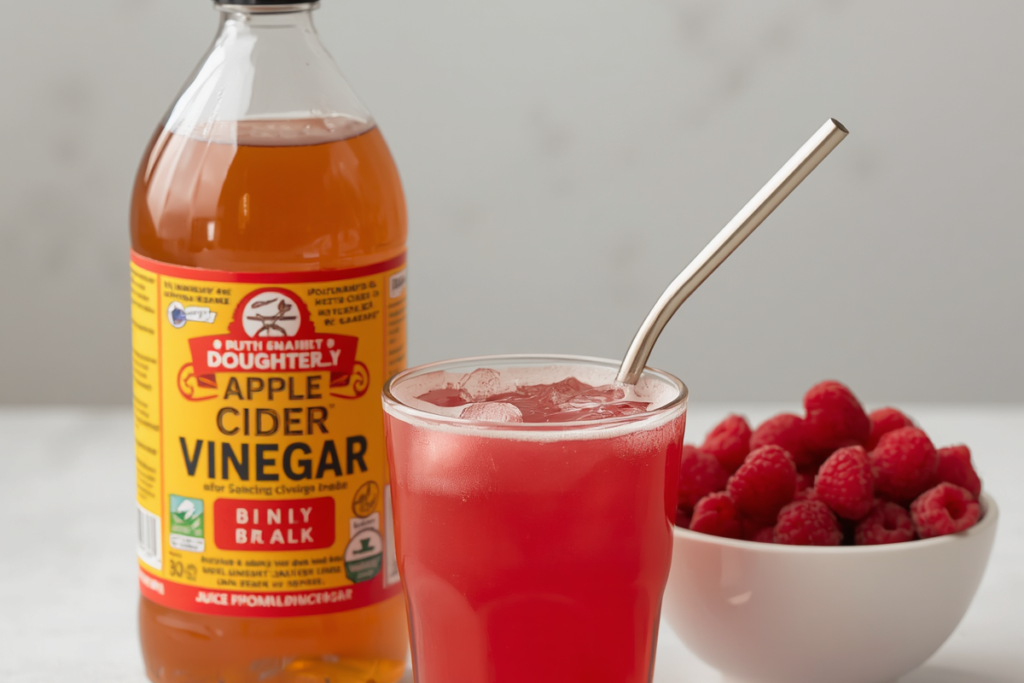
Ever unscrewed the top to a bottle of apple cider vinegar, taken a whiff of something that crinkles your nose, and wondered, “Am I really supposed to drink this every day in a daily apple cider vinegar routine?” You’re not alone and your nose is sending your body a not-too-subtle message. Straight up vinegar can be overwhelming, which is why caution and care should be taken when adding it to your daily health ritual.
That’s the thing about vinegar. It can absolutely play a role in a healthy lifestyle. I use it in some form every day. But it works best as a small, consistent habit and not a miracle cure in a shot glass, no matter what an article you come across on the web may say.
In this post, we’ll walk through simple, realistic vinegar rituals you can actually live with, along with safety guidelines so you know when to sip, when to skip, and how much is enough.
First Things First: How Much Vinegar Is “Healthy”?
Before we start sipping, let’s set some friendly ground rules.
What’s A Healthy Dose?
Most health-focused sources and practitioners land on a similar “reasonable” range for daily intake is about 1 to 2 tablespoons of vinegar per day, diluted in plenty of water or food. It’s suggested to spread out in 1–2 servings (for example, one in the morning, one with dinner), especially if you’re new to vinegar. Always and only drink diluted vinegar drinks, never straight shots.
Why Dilution Matters
Vinegar is acidic, and undiluted it can irritate your esophagus, upset your stomach, and over time may weaken tooth enamel. A good rule of thumb is at least 8 ounces of water per tablespoon of vinegar, more if you have a sensitive stomach.
People should talk to their healthcare provider before making vinegar a daily thing, especially anyone taking medications for diabetes, heart disease, or high blood pressure. Because of vinegar’s acidic nature, it can be painful to drink, even when diluted, for people with a history of stomach ulcers, severe reflux, or chronic kidney disease. It’s also recommended that individual diagnosed low potassium levels avoid vinegar in their diet.
Think of vinegar as a seasoning for your life, not the main course. Small, steady amounts are enough to support healthy habits without overwhelming your body.
Morning Rituals: Gentle Starts, Not Hard-Core Shots
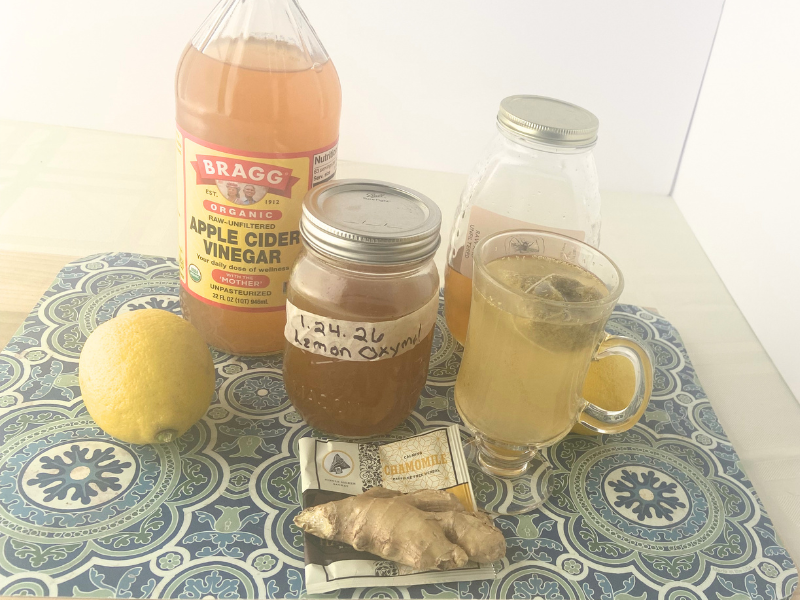
You may come across dramatic “ACV shot in the early morning,” searching the web for vinegar health benefits. If you want to do your teeth and throat a favor, move on. A straight shot of vinegar is punishment and is doing a lot more potential harm than good.
Morning Ritual Option 1: Warm Vinegar Wake-Up Tonic
This one feels like a cozy tea rather than a challenge you have to talk yourself into taking:
- 8–12 ounces of warm (not hot) water
- 1 teaspoon to 1 tablespoon apple cider vinegar
Sip slowly while you plan your day or scroll your morning emails.
I like to melt 1 teaspoon honey or maple syrup in a glass in the microwave in 5 second segments until the sweetener pours easily into a cup, and perhaps add a squeeze of lemon, pinch of cinnamon or ginger. I also occasionally replace the ACV with a vinegar-honey oxymel that I dilute in warm water or tea.
This ritual encourages you to hydrate first thing and can serve as a “pause” before breakfast, which may help you tune into true hunger instead of habit. Thirst can be mistaken for hunger, and having a diluted vinegar drink can sometimes make you feel less hungry for a while and help you avoid making rash, unhealthy choices first thing in the morning. Plus, this morning practice gives you the psychological boost of, “I’ve already done something healthy today,” which often nudges other good choices.
If your stomach is sensitive, start with 1 teaspoon of vinegar and work up only if it feels good for your body.
Morning Ritual Option 2: Coffee-Companion Habit
If prying your morning coffee out of your hands is not an option, make vinegar ride shotgun instead:
- Drink your regular coffee.
- Pair it with a small glass of diluted vinegar tonic:
- 8 ounces of water1–2 teaspoons vinegar
- Add ice and citrus slice if you want it “spa-style.”
You’re not replacing coffee. Instead, you’re adding a tiny ritual of hydration and acidity that may help slow the spike from a carb-heavy breakfast when paired with food.
Midday Moves: Salad-First and “Vinegar Windows”
If morning tonics aren’t your thing, you can still use vinegar strategically around meals.
Salad-First Strategy
A super simple, research-aligned way to use vinegar daily is to make it part of a “salad first” habit at lunch or dinner.
- Build a quick salad base
- Mixed greens, cucumbers, tomatoes, shredded carrots—whatever you have.
- Add a bit of protein or healthy fat (nuts, seeds, cheese, chickpeas, leftover chicken).
- Dress it with a vinegar-forward vinaigrette
- 1–2 tablespoons vinegar (apple cider, red wine, white wine, balsamic, or rice).
- 2–3 tablespoons olive oil or other neutral oil.
- Pinch of salt, pepper, and a little mustard or honey to emulsify if you like.
- Eat the salad before (or with) the rest of your meal.
This simple ritual does a few powerful things. It adds fiber and volume so you feel fuller and may naturally eat a bit less of heavier foods and gets vinegar into the meal in a gentle, tooth-friendly way. Vinegar adds a crispness and brightness to vegetable sides. It turns the lament, “I should eat more vegetables”, into a no-brainer daily habit.
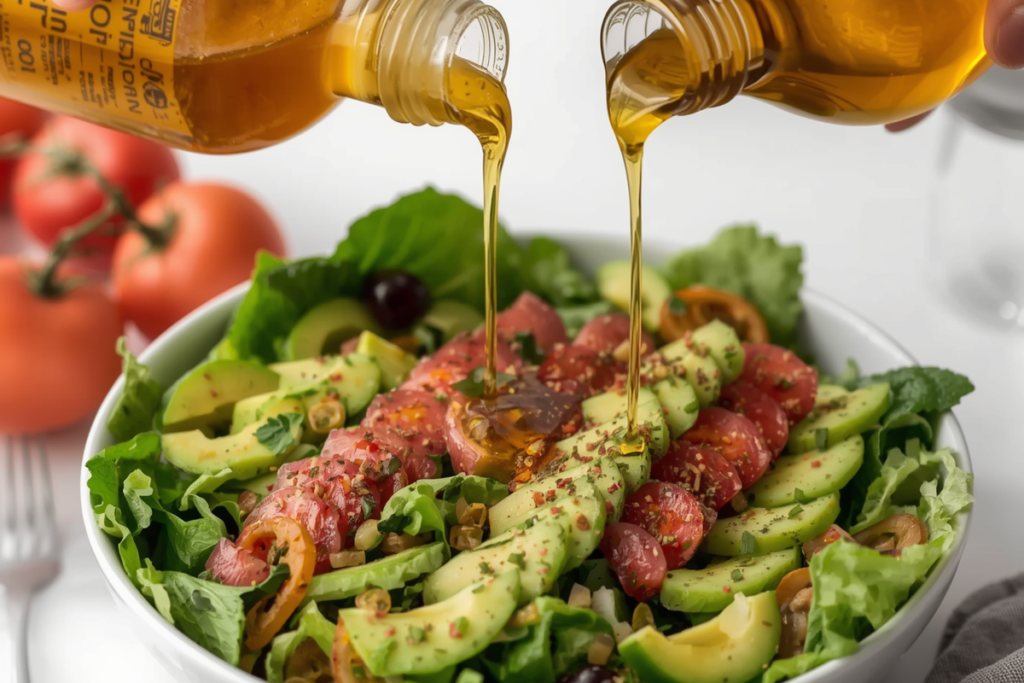
You don’t need an elaborate salad recipe. Even a bowl of greens, a handful of nuts, and a drizzle of oil-and-vinegar dressing counts. Here’s another place where I inject some health and flavor highlights with a few drizzles of a fruit or herb oxymel.
Pre-Dinner “Vinegar Aperitif”—The Safe, Sane Version
There’s a long tradition of sipping something acidic or bitter before dinner to wake up digestion. Vinegar fits naturally into that space, especially if you enjoy rituals around evening meals.
We’re not doing harsh shots here—think “cocktail ritual” without the alcohol.
Vinegar Spritzer Aperitif
Try this 15–20 minutes before dinner:
- 8–10 ounces sparkling water
- 1–2 teaspoons vinegar (apple cider, white wine, or a flavored artisanal vinegar)
- Optional:
- 1–2 teaspoons fruit juice (like tart cherry, grapefruit, or pomegranate)
- A slice of citrus or a few berries
Pour it in a pretty glass, sit down, and let it be your signal that work is done and dinner is coming.
This premeal ritual helps you slow down and transition into mealtime, which can lead to more mindful eating. It adds a small amount of vinegar in a way that feels like a treat, not “medicine”, and the slight acidity before a carb‑heavy meal may help your body handle the rise in blood sugar more smoothly.
If you find 2 teaspoons agreeable, you can increase to 1 tablespoon as long as it’s well diluted and your body tolerates it. Here’s a case where I like to enjoy one of the vinegar shrubs I developed and mixing it with sparkling water or even a splash or two of alcohol.
Evening Wind-Down: Vinegar in Comfort Foods
Not into tonics or spritzers at all? You can still make vinegar a quiet, regular player in your dinners without ever drinking it straight.
Here are 4 easy “no extra effort” ways:
- Splash balsamic vinegar onto roasted vegetables (like Brussels sprouts, carrots, or beets) in the last few minutes of roasting.
- Finish soups and stews with a teaspoon or two of red or white wine vinegar to brighten the flavor instead of adding more salt.
- Use rice vinegar in quick stir-fry sauces, paired with soy sauce, garlic, and a little honey.
- Make a quick pan sauce by deglazing a hot pan with a tablespoon of vinegar after cooking chicken, pork, or mushrooms, then whisking in butter.
These habits help you introduce vinegar into your day through food, not drinks and reduce reliance on heavy sauces high in sugar or sodium. Vinegar makes healthy dinners taste more exciting.
Tooth Enamel, Stomach, and Safety: Keeping It Friendly
With any daily ritual, safety needs to be baked in from the start so you’re not accidentally undoing the good.
Protecting Your Teeth
Acid and enamel are not best friends, but you can keep the peace. Always dilute vinegar heavily in water or mix it into food and whenever possible use a straw for vinegar drinks so less liquid swirls around your teeth.
This is important to remember:
- Rinse your mouth with plain water afterward.
- Wait at least 30 minutes before brushing your teeth so softened enamel has time to re-harden.
Respecting Your Stomach
If you ever feel burning in your chest, nausea, cramping, or worsening reflux, dial back the amount, switch to taking vinegar only with meals, or take a break entirely. Some bodies love daily vinegar; others are happier with “every now and then,” and some just have no tolerance. Everyone is different.
If you have a history of ulcers, gastritis, Barrett’s esophagus, or severe reflux, run the idea of daily vinegar by your healthcare provider before making it a ritual.
Building a Realistic Daily Vinegar Routine
Let’s pull this together into a sample day you can tailor:
Option A: Beverage-First Routine
- Morning:
- Start with 1 teaspoon of ACV in 8-12 ounces of warm water or tea and build up to 1 tablespoon
- Honey to taste
- Dinner:
- Mix ACV with olive oil to vinegar‑forward vinaigrette and sprinkle on a big salad with before your main dish.
Option B: Food-First Routine
- Lunch:
- Salad or grain bowl dressed with 1–2 tablespoons vinaigrette.
- Dinner:
- Vinegar spritzer “aperitif” with 1–2 teaspoons vinegar in sparkling water.
Option C: “I Hate Drinks” Routine
- Use vinegar only in food: dressings, marinades, pan sauces, and roasted veggies.
- Aim for 1–2 tablespoons total across your meals.
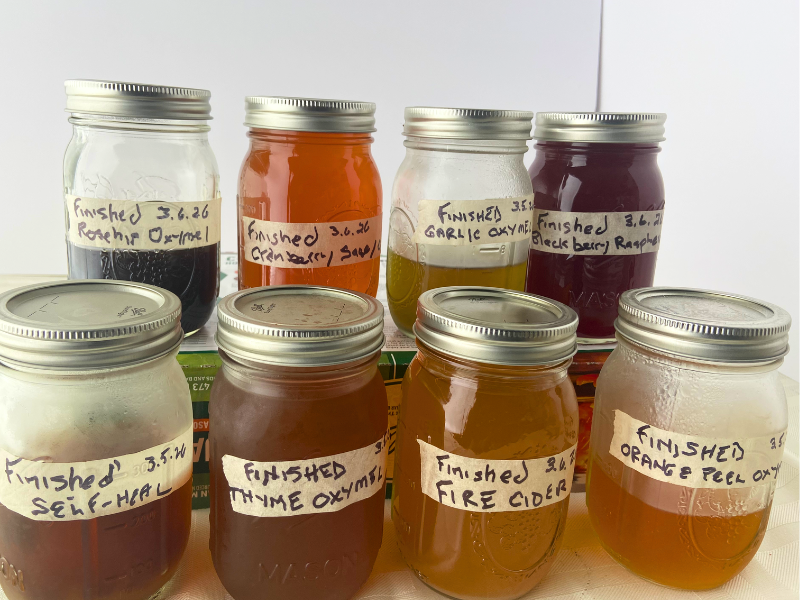
Choose one approach that feels easy—and commit to it for a couple of weeks. Once it feels automatic, you can adjust amounts, try new vinegars (hello, sherry, fig, or raspberry), new oxymels, vinegar shrubs, or add a second small ritual if you enjoy it.
The real magic isn’t in a specific number of tablespoons. It’s in creating a pleasant, repeatable rhythm that supports the way you want to eat and live. Vinegar just happens to be a tangy, budget‑friendly little ally that slips right into that rhythm.
Start Slow, Be Steady, Enjoy
Simple Tools for a Daily Vinegar Ritual
If you want to make a daily vinegar habit feel easy instead of fussy, a few simple tools can really help you follow through.
Raw, unfiltered apple cider vinegar
This is the bottle I reach for in my own kitchen when I’m testing morning drinks, salad dressings, shrubs, and oxymels. Look for ACV with the “mother” and a flavor you actually enjoy once it’s diluted.
Small glass measuring shot or spoon set
Guessing “about a tablespoon” almost always leads to more vinegar than you think. A little glass measurer or a good spoon set keeps your routine realistic and repeatable so your 1–2 tablespoons a day don’t quietly turn into 4.
16–20 ounce glass drinking jar with lid
I like having one go‑to jar for warm tonics, iced “spa” water with a teaspoon or two of vinegar, or evening spritzers. The lid makes it easy to shake, sip slowly, and take your drink to your desk or porch without spills.
Small glass bottle for vinaigrettes
Keeping a vinegar‑forward dressing ready in the fridge makes the “salad‑first” habit almost automatic. A simple bottle you can shake and pour means one quick step stands between you and getting more greens (and vinegar) onto your plate each day.
You don’t need anything fancy or expensive—just a few pieces you’ll actually use that make your daily vinegar ritual feel like a small pleasure instead of another chore.