
How to Make Apple Cider Vinegar from Hard Cider at Home
Turn a few bottles of hard cider into bright, homemade apple cider vinegar you’ll use in dressings, shrubs, quick pickles, and pan sauces—without any special equipment or fussy steps.
This post contains affiliate links to products and books I genuinely use and love. If you buy through my links, I may earn a small commission as an Amazon Associate or through my affiliation with other retailers from qualifying purchases that you make at no extra cost to you.
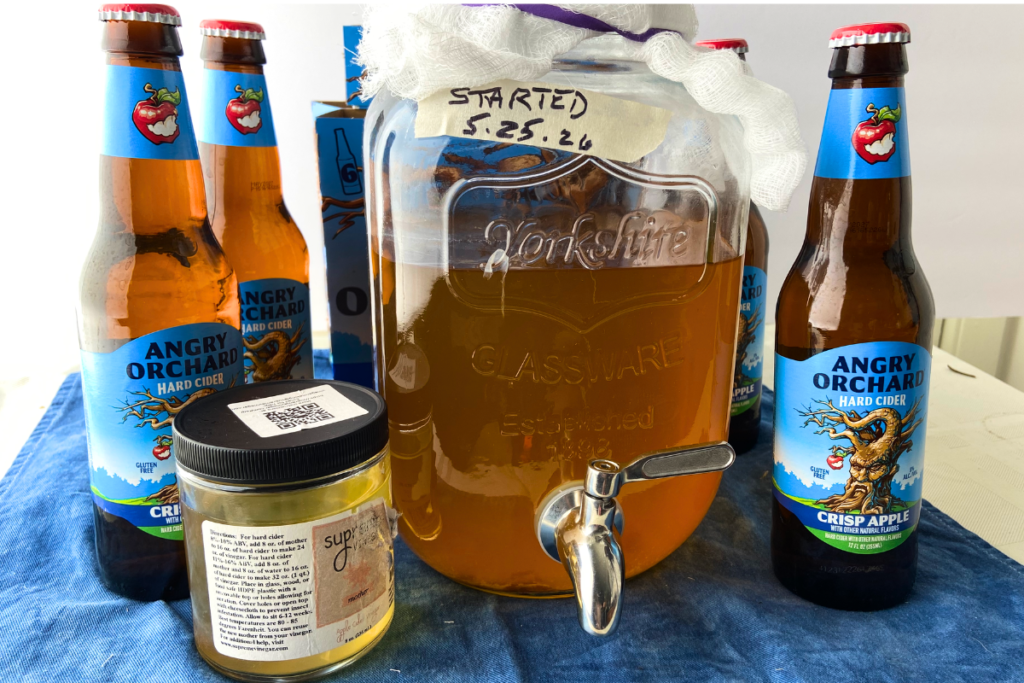
One of the nice things about making DIY apple cider vinegar (ACV) from a hard apple cider like Angry Orchard (or any good-quality hard cider) is that creating a batch usually only requires four bottles out of a six pack. That means I always have a few to enjoy after I’m done setting up my vinegar.
Another great thing when you make apple cider vinegar from hard cider at home is that it’s one of those quiet kitchen projects that feels almost suspiciously easy once you try it. You start with a drinkable alcoholic cider, let it decarbonate, give it a little boost by adding a vinegar ‘mother’, give it air and the right microbes, and in a few months, you’ve got a bright, tangy vinegar that wakes up everything from slaws and pan sauces to shrubs and quick pickles.
In this post you’ll learn exactly how to set up the ferment, how to tell when your DIY ACV is ready, what it actually does for recipes, a realistic exploration of health benefits, and how to store it safely. I’ll also share three recipe ideas that really show off what your homemade ACV can do to make recipes taste better.
Why Apple Cider Vinegar Is Everywhere
If it feels like apple cider vinegar suddenly started showing up in everything from salad dressing recipes to wellness shots on social media, you’re not imagining it. ACV sits at the intersection of a few big trends: people wanting more “natural” pantry staples, renewed interest in fermentation, and a wellness world that loves a simple, tart elixir.
On the business side, apple cider vinegar has grown into a sizable global market worth hundreds of millions of dollars, with analysts expecting steady growth over the next decade. ACV products—from plain raw vinegar to flavored tonics and gummies—are a visible slice of the overall vinegar boom, and North America in particular has become one of the biggest regional markets for apple cider vinegar products. That’s a very nerdy way of saying: ACV has gone from “weird jar in the back of the cupboard” to “front-of-shelf, branded, and beloved.”
But home cooks like us usually come to ACV for much simpler reasons: flavor and flexibility. It’s bright but not as sharp as distilled white vinegar, fruity without being sweet, and at home in both savory and sweet recipes. Once you have a good-tasting, well-fermented ACV on hand, you’ll start reaching for it constantly.
Steps To Make Apple Cider Vinegar From Hard Cider
Let’s get to the fun part and make apple cider vinegar from hard cider at home.
Alcohol (in this case, hard cider) is converted by acetic acid bacteria in the air into acetic acid—that’s your tang. You can absolutely let wild microbes do their thing, but I recommend starting with a “mother of vinegar” or raw, unpasteurized vinegar to give yourself a reliable, predictable culture.
What you’ll need to make apple cider vinegar from hard cider
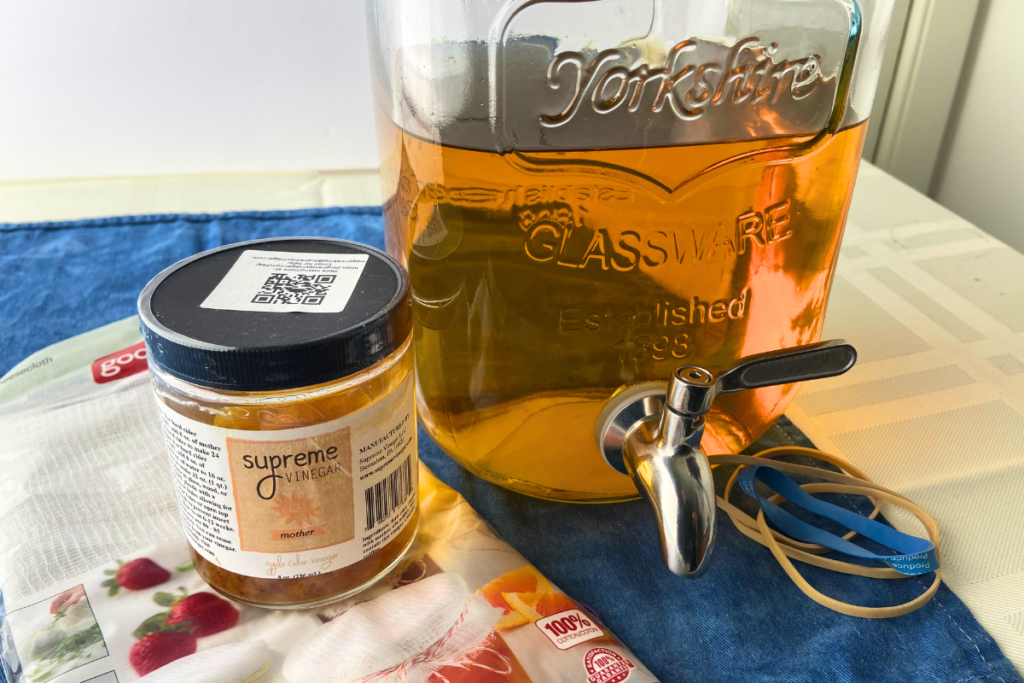
- 3–4 bottles of Angry Orchard or another hard apple cider that you enjoy drinking left out to lose carbonation and become flat
- Spring or filtered water (avoid chlorinated tap water if you can)
- A glass jar or wide-mouth glass beverage dispenser (no metal)
- A piece of mother of vinegar or a generous splash of raw ACV with the mother
- Cheesecloth or a clean coffee filter and a rubber band
- A dark, room-temperature spot where it can sit undisturbed
Basic method to make apple cider vinegar from hard cider
- Choose Your Vessel
Use a clean glass jar or a glass beverage dispenser if you like the idea of a “forever vinegar” setup with a spigot. Wash it thoroughly and, if you’re the cautious type, sanitize it with a product like Star San. Don’t try to sterilize it with boiling water because of the possibility the dispenser will crack (I write from experience). Let it cool completely before adding your cider.
- Decarbonate and Dilute the Cider (just a bit)
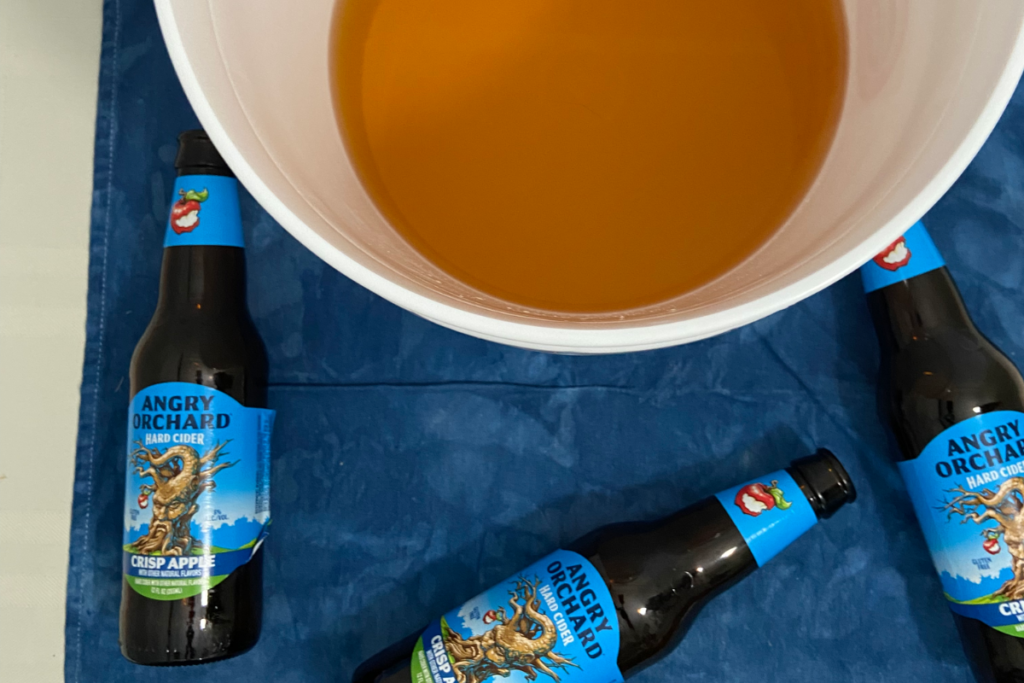
Hard cider usually runs around 4–6% alcohol and is usually carbonated. Carbonation can prohibit oxygen from efficiently turning hard cider into vinegar, so first let the hard cider sit out and get ‘flat’. Vinegar bacteria thrive best when the starting alcohol is under about 10%, so with most commercial ciders you can use them straight or add a small splash of water if you prefer a slightly lighter base. A simple ratio is about 3 parts cider to 1 part water. Pour it into your vessel.
- Add the ‘Mother’
To inoculate the batch, add a piece of ‘mother of vinegar’ or bout 20–25% of the total volume in raw, unpasteurized ACV “with the mother”. You don’t have to worry if you only have a “mother” from a vinegar other than ACV on hand because the vinegar derives its taste and other properties from the fermented fruit. However, I like to purchase packaged “mothers” for consistency’s sake. This is like inviting the right guests to the party from the start. They’ll outcompete less helpful microbes and get right to work.
- Cover and Let it Breathe
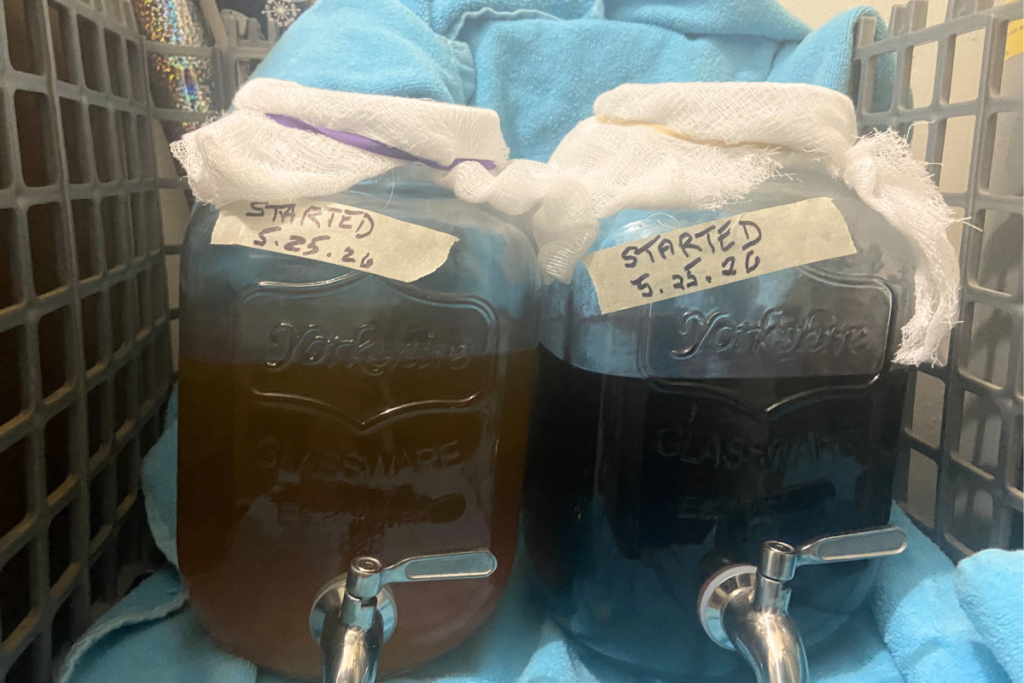
Cover the opening with doubled cheesecloth or a coffee filter and secure it with a rubber band. The goal is to let oxygen in (the bacteria need it) while keeping fruit flies and dust out.
- Cover and Let it Breathe
Cover the opening with doubled cheesecloth or a coffee filter and secure it with a rubber band. The goal is to let oxygen in (the bacteria need it) while keeping fruit flies and dust out.
- Taste for Readiness
Start tasting after about 3–4 weeks by dipping in a clean spoon or using the spigot if you have one. You want the hard cider character to fade and a clean, apple-y acidity to take over. When you no longer taste alcohol and it’s pleasantly tangy (not harsh, not “just cider”), you’ve got vinegar. I like to taste-test against previous, successful batches to help me keep patient until it’s time.
- Bottle, Store, and Keep it Going
You can strain the vinegar if you prefer it clearer, or just decant into clean glass bottles, leaving some behind with the mother in your original vessel. Top that “mother jar” off with more hard cider and a splash of water and you’ve started your own continuous ACV system.
Why Cooks Love Apple Cider Vinegar

Once you discover how to make apple cider vinegar from hard cider at home, you’ll always have a bottle handy. It becomes one of those ingredients that quietly sneaks into everything.
Here’s what it brings to recipes:
- Balanced brightness: ACV is sharp enough to cut through rich foods when brushed on pork or roasted vegetables or added to creamy slaws, but it also feels rounder and more apple-fruity than distilled white vinegar.
- Fruity complexity: Because it starts as apple juice (or hard cider), ACV carries subtle fruit notes that play well with maple, mustard, garlic, honey, miso, and herbs.
- Sweet and savory flexibility: You can use it in pan sauces and vinaigrettes, but also in baking (to activate baking soda), in shrubs, oxymels, and tonics, and in fruit-forward marinades.
- Aromatics booster: A tiny splash of ACV at the end of cooking a soup, stew, or sauté can “wa
If you’re cooking with meat, beans, grains, or cabbage on a regular basis, a bottle of your own ACV will never sit idle.
Health Benefits: What’s Realistic?
Apple cider vinegar lives in that interesting space between pantry staple and folk remedy. You’ve probably seen claims that ACV can do everything from melt body fat to cure all kinds of ailments. The truth is more grounded and, honestly, many of the claims are undocumented or unfounded.
Some human studies suggest that vinegar (including ACV) can modestly improve post-meal blood sugar and possibly A1C when taken regularly with meals that contain carbohydrates. There is also some early evidence that it may nudge cholesterol and triglyceride levels in a favorable direction in certain people. These effects tend to be modest, not miraculous, and often depend on the rest of someone’s diet and lifestyle.
A few practical things to keep in mind when you make apple cider vinegar from hard cider:
- Vinegar is acidic enough to irritate tooth enamel, throat, and stomach if you take it straight, so it should always be diluted in food or drinks. I also suggest using a straw, preferably metal, when enjoying a vinegar drink to avoid damage to tooth enamel.
- People with reflux, ulcers, or certain digestive conditions may find vinegar aggravating and should talk with a healthcare professional before using it regularly. Definitely proceed with caution.
- ACV isn’t a substitute for medications or medical care, but it can fit into a generally healthy eating pattern as a flavorful, low-calorie way to brighten dishes.
So yes, your homemade ACV might give you a tiny metabolic nudge, but the true everyday “health benefit” of ACV is helping making vegetables, salads, and simply cooked foods taste better to you so that you enjoy them more often.
Storing Your Homemade Apple Cider Vinegar
The good news: when you make apple cider vinegar from hard cider at home, storing it safely is a snap.
A few simple habits protect both flavor and safety:
- Use glass bottles with tight caps
Once your ACV tastes right to you, transfer it to clean glass bottles or jars with tight-fitting lids. Avoid metal caps that can corrode over time. - Keep it cool and dark
A pantry or cupboard away from direct sunlight is ideal. You don’t have to refrigerate vinegar; room temperature is fine, and a darker environment helps maintain color and flavor over time. - Expect new “mothers”
It’s completely normal for new mothers or cloudy strands to form in stored vinegar. They’re harmless. You can strain them out if you prefer a clearer vinegar or save them to jump-start another batch. - Label and date your bottles
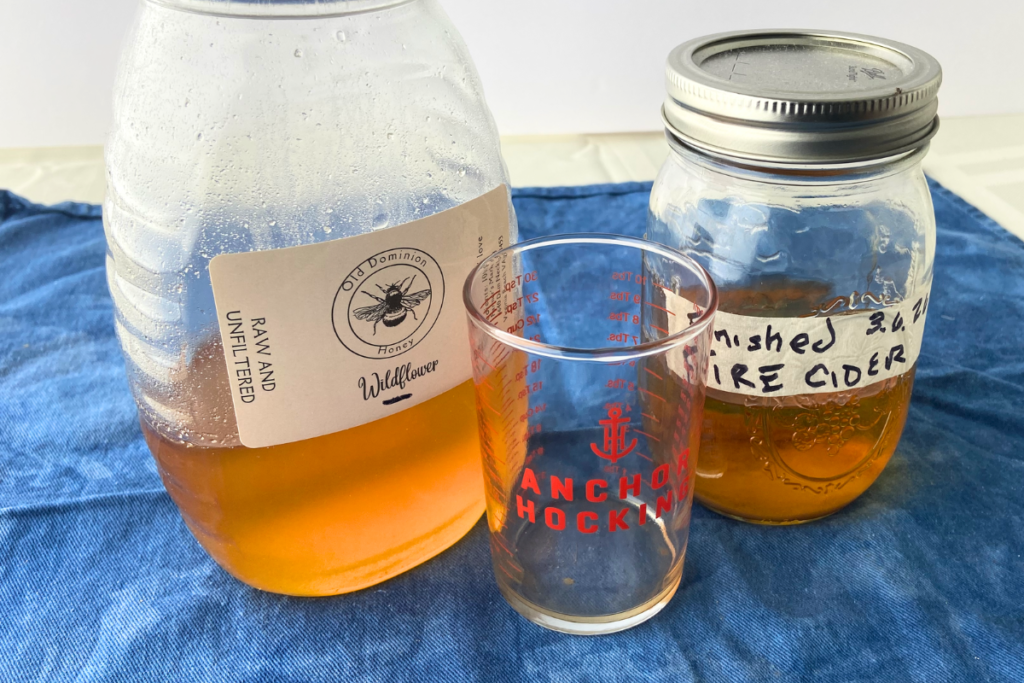
Note the type of cider you used and the month/year you finished the batch. The flavor can evolve over time, and it’s surprisingly fun to compare different cider-based vinegars a few months down the road.
One important caution: unless you’ve had the acidity of your homemade vinegar professionally tested, don’t rely on it as the acid source for canning and pickling recipes that require a specific pH (like shelf-stable pickles). For those, it’s safer to use a commercial vinegar with known acidity.
Recipe Ideas When You Make Apple Cider Vinegar From Hard Cider
Once you’ve got your homemade apple cider vinegar tasting just the way you want, the possibilities of ways to use it in recipes seems almost endless. Here are three recipes made better with homemade apple cider vinegar made from hard cider.
Pan-seared Mushrooms with DIY Apple Cider Vinegar Pan Sauce
Equipment
- Saute Pan
- Sharp knife
Ingredients
- 1 lb Cremini mushrooms
- 2 tbsp Butter
- 2 tbsp Fresh, chopped assortment of herbs
- 1 tbsp Olive Oil
- 1 tbsp Home-made apple cider wine vinegar
Instructions
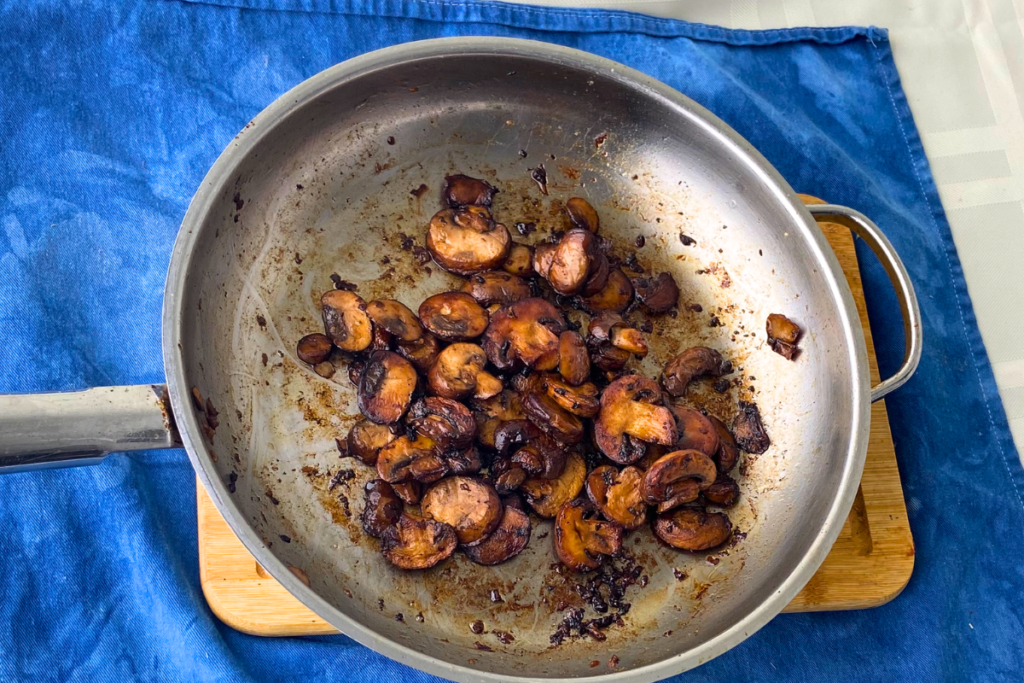
- Sear sliced mushrooms in a hot pan with olive oil until they’re deeply browned.
- Add a knob of butter,garlic, and herbs, then splash in your apple cider wine vinegar to deglaze, scraping up all the browned bits.
- Finish with a little stock if you like, reducing until glossy and spoonable.
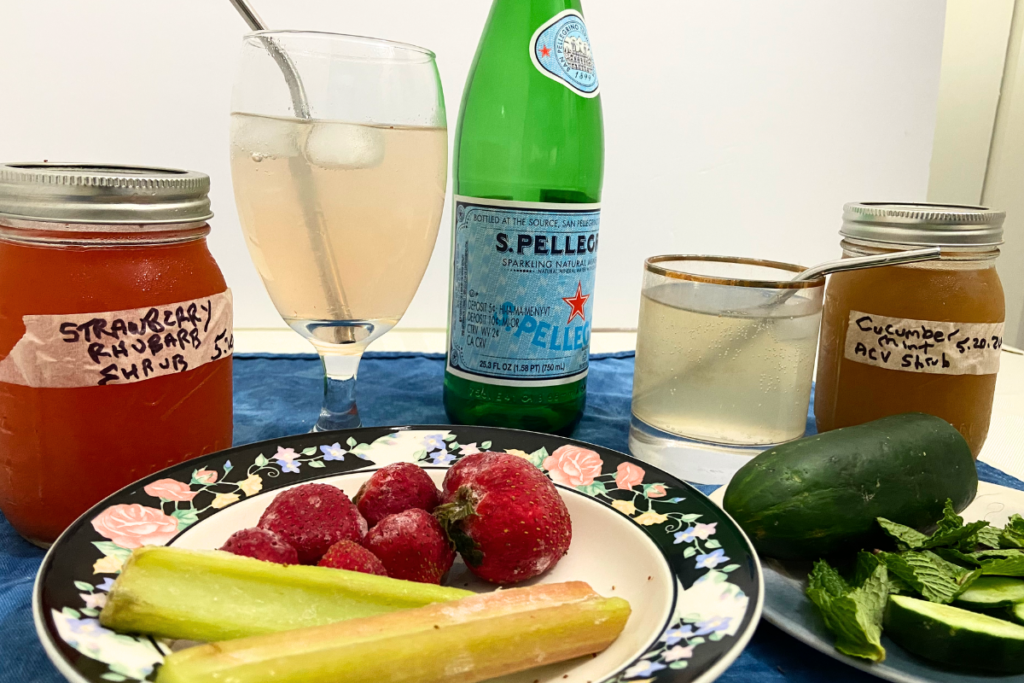
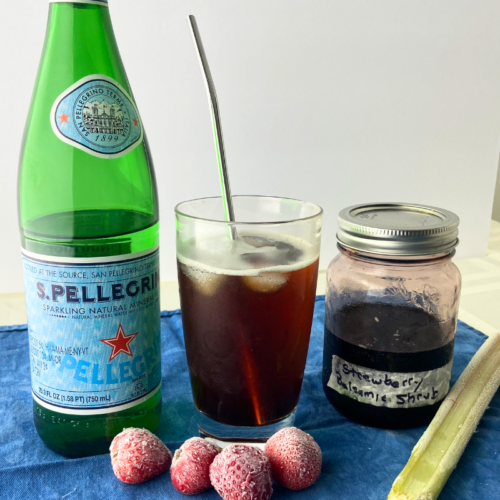
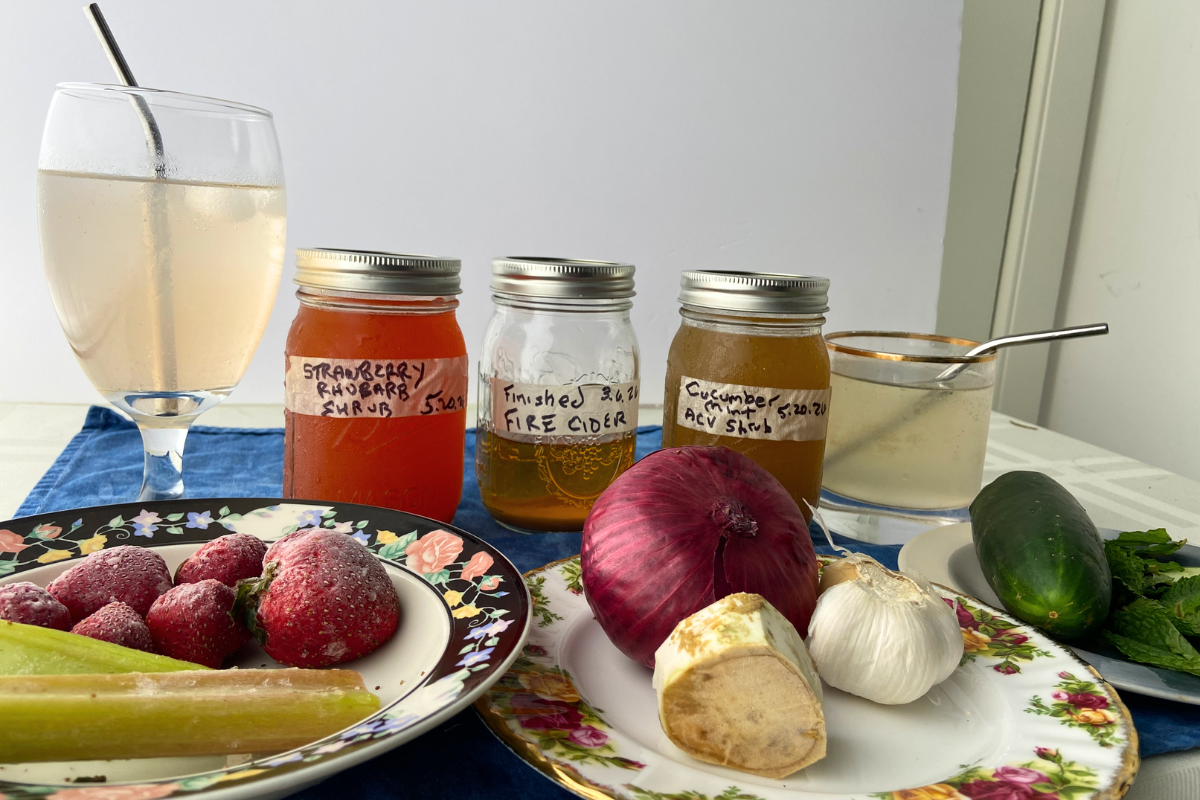
Apple Cider Wine Vinegar Strawberry and Rhubarb Shrub Mocktail
Equipment
- 1 Mason jar for storage
- 1 Glass storage bowl
- Saran wrap or bowl cover
- Mesh strainer
Ingredients
- 3/4 cup Fresh strawberries
- 3/4 cup Chopped rhubarb
- 1/2 cup Brown sugar (or to taste)or honey to sweeten to taste
- 1 1/2 cups Homemade Apple Cider Vinegar from Hard Cider
- 8 oz Sparkling Water
Instructions
- Combine fruit (fresh or frozen) and sugar and let them macerate until the sugar dissolves and the fruit has shared its color and flavor. Stir a few times and let sit several hours or overnight in the fridge.
- Pour fruit/sugar syrup into a mason jar and add homemade apple cider vinegar. Shake well. Let sit for several hours in the fridge.
- Strain shrub mixture with mesh strainer or cheese cloth.
- Store in fridge. For best flavor, let it sit for a few days before using.
- Mix 1 tbsp of shrub with 8 oz of sparkling water. Sip through a straw to protect tooth enamel.
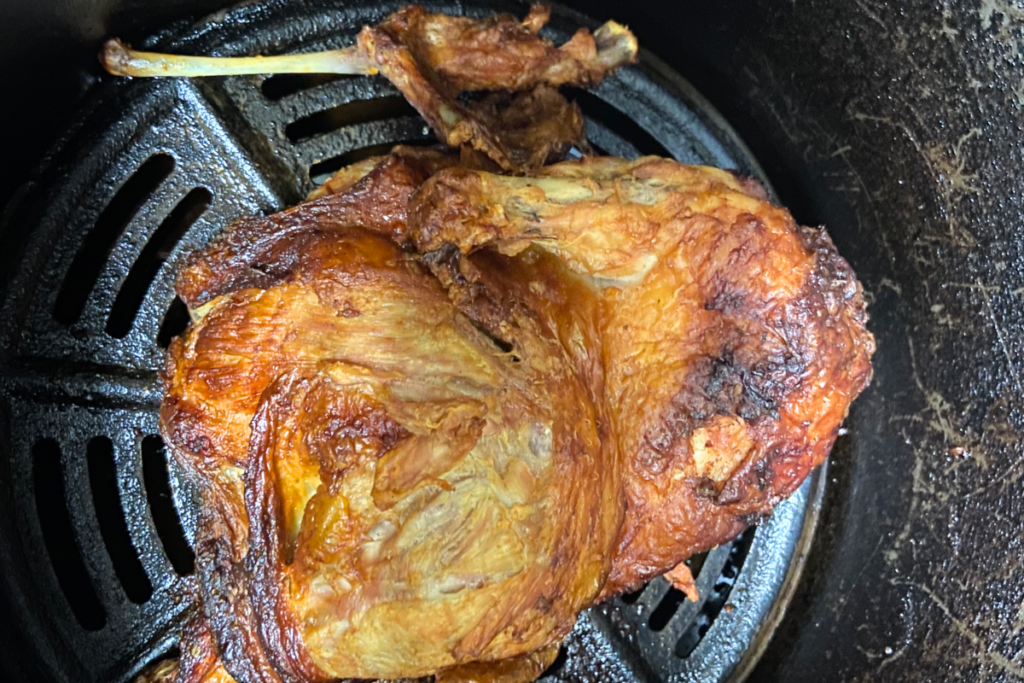
Apple Cider Vinegar Marinade for Air Fryer Chicken
Equipment
- 1 Measuring cup
- 1 Glass storage bowl
- 1 Citrus juicer
Ingredients
- 1/4 Cup Homemade Apple Cider Vinegar
- 1/2 Chicken, halved and patted dry
- 3 Tbsp Dijon mustard
- 3 Cloves Garlic, finely diced
- 2 Tbsp Lemon juice squeezed from organic lemons
- 1/2 Cup Preferred Sweetener
- 1 1/2 Tsp Dried onion
- 1 Tsp Dried parsley
- 1 1/2 Tsp Kosher salt
- Dash Ground black pepper
- 6 Tbsp Olive oil extra virgin
Instructions
- Combine all the marinade ingredients in a large glass bowl and whisk briskly to create an emulsion.
- Add chicken in bowl and cover completely with the marinade. Place in refrigerator and let chicken marinate for four hours.
- Air fryer cook time may depend on the thickness of the chicken, usually between 10 to 12 minutes per side or until meat thermometer reaches 165 degrees.
- Transfer chicken to a plate and let rest for five minutes to allow juices to settle before serving.
My Homemade Apple Cider Vinegar Toolkit
I seem to always be in one stage of creating my own vinegars and make sure I always have the following on hand before I make apple cider vinegar from hard cider:
- Hard Apple Cider – Hard apple cider works great for making apple cider vinegar at home because the base for the vinegar is already in alcohol form. It only needs to be decarbonated.
- ‘Mother’ of Vinegar – You can use ACV with mother, but I prefer to buy mine. One thing to keep in mind that it doesn’t matter what type of vinegar the mother comes from. The vinegar principally derives its flavors from the fruits and herbs so it’s okay to use an ACV, white wine vinegar, or red wine vinegar ‘mother’ to kick things off.
- Glass Beverage Dispensers – I have several dispensers and prefer ones that have spouts. Being able to easily pour my finished vinegar out without disturbing the ‘mother’ lets me continue to add more wine and water and reuse the ‘mother’ over and over.
- Spring Water – Avoid using chlorinated water because it disrupts the fermentation chemistry. Chloramines that many municipal water systems now use are even worse.
- Cheese Cloth – Ideal for letting air in and keeping fruit flies and other insects out.
Frequently Asked Questions About How To Make Apple Cider Vinegar From Hard Cider
When I make apple cider vinegar from hard cider, can I use any hard cider?
Yes. Most hard apple ciders can become homemade apple cider vinegar, as long as you start with a cider you enjoy drinking and let its carbonation go flat first. Since most commercial hard ciders are already around 4–6% alcohol, they are generally in a good range for vinegar-making. When you make apple cider vinegar from hard cider use a clean glass vessel, avoid chlorinated water if you dilute the cider, and add a mother of vinegar or raw, unpasteurized ACV to give the fermentation a dependable head start.
When I make apple cider vinegar from hard cider, how long does it take turn into apple cider vinegar?
Start tasting after about 3–4 weeks, but the exact timeline depends on the cider, temperature, starter culture, and air exposure. When you make apple cider vinegar from hard cider you’ll know it’s ready when the alcoholic cider flavor has mostly disappeared and the liquid tastes clean, tangy, and lightly apple-forward. If it still tastes like hard cider or has a noticeable alcohol burn, cover it again with cheesecloth or a coffee filter and give it another week before tasting. I like to compare new batches to ones I have on hand to taste-test.
When I make apple cider vinegar from hard cider at home, is it safe for pickling or canning?
Homemade apple cider vinegar is great for salad dressings, marinades, shrubs, pan sauces, and refrigerator quick pickles. However, when you make apple cider vinegar from hard cider at home it is not to used the a as the acid source for shelf-stable canning recipes unless its acidity has been professionally tested. Safe canning recipes depend on vinegar with a known acidity level, so use commercially bottled vinegar for pantry pickles and reserve your homemade ACV for flavor-forward cooking.