
The Ultimate Guide to Drinking Vinegar: Benefits, Rituals, and Recipes
This post contains affiliate links to products and books I genuinely use and love. If you buy through my links, I may earn a small commission as an Amazon Associate or through my affiliation with other retailers from qualifying purchases that you make at no extra cost to you.

If you’re wondering why you’re hearing so much lately about the benefits of drinking vinegar and wonder what these healthy beverages with names like oxymel, shrub, or switchel are all about, you’re not alone.
Drinking vinegar sounds intense and it may be confusing if you’re knowledge of vinegar is limited to the distilled white vinegar that comes in those gallon jugs. However, for centuries people have used all types of vinegar as a simple, natural way to support digestion, balance blood sugar, and make heavy meals feel a little lighter.
This guide walks you through the why, how, and how‑much of drinking vinegar: the science behind the benefits of apple cider vinegar drinks, smart daily rituals, and easy recipes that taste better than a straight shot from the bottle (which you should never do – always dilute vinegar before drinking).
Why People Drink Vinegar in the First Place
Let’s start with the big question: why are so many people stirring vinegar into water or tea to their morning health routines or sipping it before or during meals as an ingredient in a mocktail or mixed with juice?
A Quick Primer on Vinegar and Health
Most of the “drinkable vinegar” buzz today centers on apple cider vinegar (ACV), especially raw, unfiltered versions that contain the cloudy “mother.” The key active player is acetic acid, which seems to have several interesting effects in the body, especially when you consume vinegar with carbohydrate‑rich meals.
Researchers have found:
- Vinegar can help blunt post‑meal blood sugar spikes by slowing how quickly food leaves your stomach and how fast carbohydrates are absorbed.
- It may offer modest support for weight management by helping you feel fuller and slightly reducing body weight in some small studies.
- It might help improve cholesterol and triglyceride numbers in people with certain metabolic issues, though studies are still small and ongoing.
That’s the science in a nutshell. Vinegar is not a miracle cure, but a simple, acidic companion that may offer real (if modest) benefits when used alongside an overall healthy lifestyle. You can find out more about the wide variety of vinegars that are used around the world on my Types of Vinegar page.
Potential Health Benefits of Drinking Vinegar
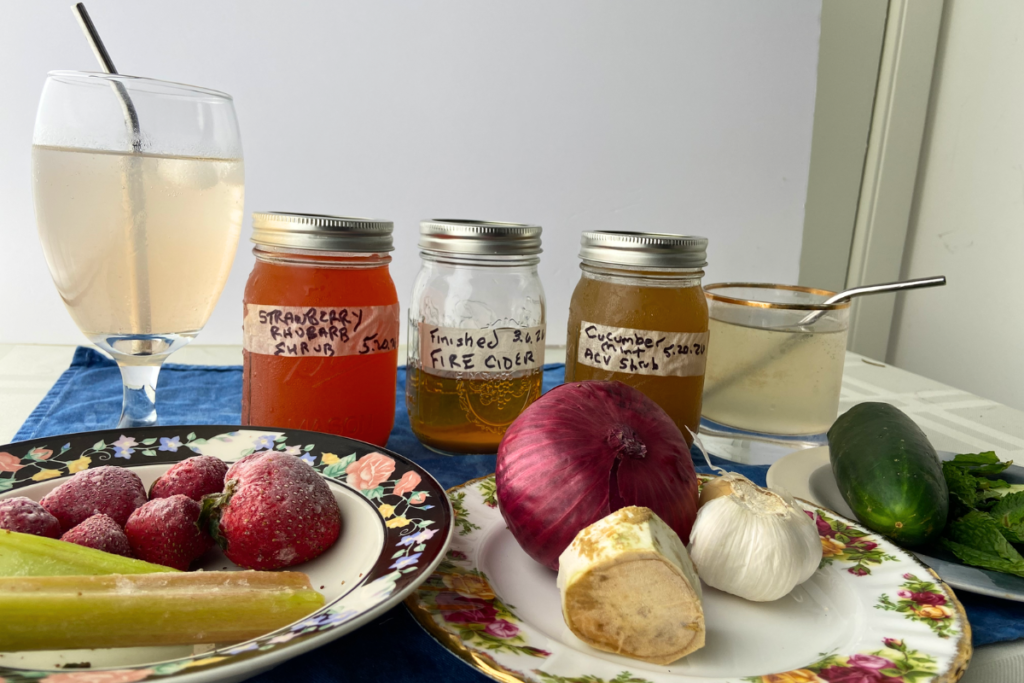
Blood Sugar and Insulin Support
Blood sugar is where vinegar has the strongest research support. Several studies and reviews suggest that vinegar can reduce post‑meal blood sugar levels when taken with a meal that contains complex carbohydrates. Researchers think vinegar works in part by delaying gastric emptying (how quickly your stomach empties) and slowing carbohydrate digestion, which flattens the blood sugar curve after you eat. For instance, a meta‑analysis found that apple cider vinegar intake slightly lowered fasting blood glucose and A1C in people with type 2 diabetes, though the effect size was modest.
Important note: vinegar is not a replacement for diabetes medication or medical treatment. It’s more like a small helper you might add to a doctor‑approved plan.
Weight Management and Appetite Control
If you’ve seen claims that apple cider vinegar “melts fat,” take those with a big grain of salt. But there is some early evidence worth knowing about. Small studies have linked daily ACV intake to modest reductions in body weight, body mass index (BMI), and waist circumference over several weeks, and vinegar may help some people feel fuller by slowing digestion, which could naturally reduce how much they eat at a meal.
We’re talking small, incremental changes here, not dramatic overnight shifts, and the best results show up when vinegar is paired with healthy eating, not used as a shortcut. I go into fuller detail at Apple Cider Vinegar and Weight Loss: Real Benefits vs. Internet Myths.
Gut and Heart‑Related Markers
Vinegar shows up in gut and heart health conversations too. Fermented foods like ACV may support digestion and gut comfort for some people, and acetic acid itself seems to play a role in how we process carbs and fats. Some small studies in people with type 2 diabetes and overweight adults found that daily ACV intake modestly lowered total cholesterol, LDL (“bad” cholesterol), and triglycerides.
Again, these are promising but early findings, and experts repeatedly stress that more and larger studies are needed.
How Much Vinegar to Drink (and How Often)
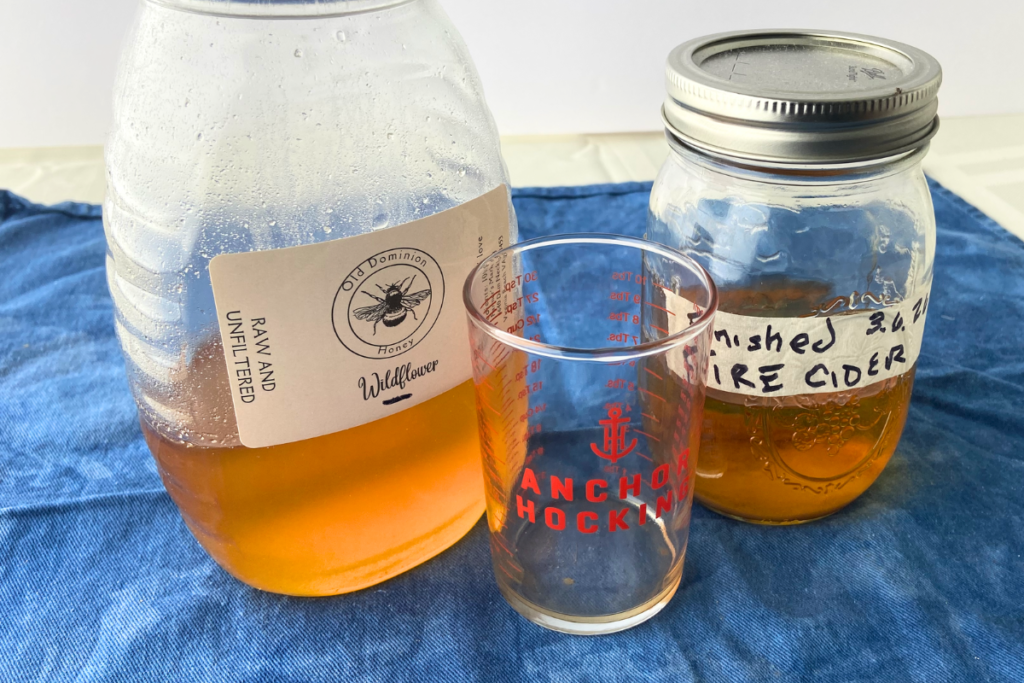
Now to the practical part: how much is helpful, and where’s the line between “supportive habit” and “too much of a good thing”?
General Dosage Guidelines
- About 1–2 tablespoons (15–30 mL) of apple cider vinegar per day, diluted in a large glass of water, is a common guideline.
- Some health sites suggest starting as low as 1 teaspoon (5 mL) daily to see how your body reacts, then slowly working up.
- You’ll often see recommendations like “1 tablespoon ACV in 8–12 oz water before or with a meal, 1–2 times per day”.
Timing: When to Drink Vinegar
Studies on blood sugar control usually pair vinegar with meals, especially meals that contain starchy foods. Many vinegar advocates take vinegar just before or during a meal with complex carbs (like grains, potatoes, bread, or pasta). Others like a morning vinegar drink as part of their wake‑up routine, or before their largest meal of the day to prevent that post-meal slump and drowsiness.
Safety First: Who Should Be Careful with Drinking Vinegar?
Even natural habits deserve a few safety guardrails.
Possible Side Effects
Regularly sipping acidic drinks can weaken tooth enamel over time and undiluted or very strong vinegar can cause burning sensations or digestive discomfort. Low potassium: Long‑term, high‑dose vinegar intake has been linked to low potassium levels and other imbalances in rare cases. You can lower your risk by always diluting vinegar in plenty of water or tea, drinking it fairly quickly (not nursing it all day), and then rinsing your mouth with plain water afterward and waiting before brushing your teeth.
Talk to Your Doctor If…
Because vinegar can mildly affect blood sugar and blood pressure, it’s especially important to check in with a healthcare provider if you:
- Have diabetes or prediabetes and take blood sugar–lowering medications.[3][10][7][14]
- Take blood pressure or heart medications.
- Have a history of stomach ulcers, severe reflux, or digestive disorders.
Vinegar is generally considered safe in small amounts for most people, but it’s not risk‑free at higher doses or for everyone.
Simple Tools for a Daily Vinegar Ritual
I like to have these items on hand to make it easy to stick to a regular vinegar routine.
Apple cider vinegar gives oxymels and other vinegar mixtures many of their health benefits while adding flavor and zest to tonics.
Provides subtle flavor while infusing with oxymel and switchel ingredients.
Provides sweetness and helps offset the acidic vinegar taste.
Provides sweetness and helps offset the acidic vinegar taste.
I like the flexibility of making my vinegar salad dressing fresh or storing it for later in the fridge.
I look for BPA-free jars with lids that are ideal for creating and storing my vinegar concoctions.
Helps to protect tooth enamel from acetic acid in vinegar.
Simple Daily Vinegar Rituals You Can Actually Stick With

Let’s turn the science into something you can pour into a glass.
Morning “Gentle Wake‑Up” Vinegar Drink
If you like morning rituals, this one is simple.
- 8–12 oz warm or room‑temperature water or fruit juice
- 1 teaspoon to 1 tablespoon apple cider vinegar
- Optional: squeeze of lemon, tiny drizzle of honey if you want a softer flavor
Stir and sip, then follow with a little plain water to rinse your mouth. This can be a nice way to cue your body that it’s time to start the day, without promising any magical detox.
Pre‑Meal Vinegar for Carb‑Heavy Meals
This is the ritual most aligned with blood sugar research.
- 8–12 oz water or juice
- 1 tablespoon apple cider vinegar
Drink it just before or with a meal that includes pasta, rice, bread, or potatoes. You can also get that vinegar into a salad dressing or a veggie side instead of drinking it in a glass.
Vinegar as Part of a Dinner Wind‑Down
If mornings are chaotic, you might like a dinner‑time ritual instead.
- 1 tablespoon ACV in water alongside your evening meal, or
- A vinegar‑rich salad dressing or sipping shrub in a mocktail as part of a relaxed, sit‑down dinner.
The key here is consistency and enjoyment, not forcing down something you hate.
Easy Drinking Vinegar Recipes (That Don’t Taste Like Punishment)
You don’t have to take vinegar like medicine. A few tweaks turn it into something you might actually look forward to.
Classic Apple Cider Vinegar Tonic
This is the basic template you can riff on.
- 10–12 oz still or sparkling water
- 1–2 teaspoons apple cider vinegar (start low)
- 1–2 teaspoons honey or maple syrup (optional)
- Squeeze of fresh lemon
- Ice cubes
Stir, taste, and adjust the vinegar up slowly over time if you like.
Ginger‑Citrus ACV Sipper
Great before a heavier meal.
- 8 oz water
- 1 teaspoon ACV
- 1–2 teaspoons fresh lemon or orange juice
- A few slices of fresh ginger or a pinch of ground ginger
- Optional: a tiny bit of honey
et it sit 5–10 minutes so the ginger infuses, then sip with your meal.
Berry “Shrub‑Style” Mocktail
This one feels more like a drink you’d serve guests than a health tonic.
- 2 tablespoons mashed berries (fresh or frozen)
- 1–2 teaspoons ACV
- ½ teaspoon honey or simple syrup
- Ice
- Sparkling water to top
Stir the berries, vinegar, and sweetener together in a glass, add ice, top with sparkling water, and gently stir.