
Vinegar Bathroom Cleaner: Easy Chemical-Free Transformation for a Sparkling, Eco-Friendly Space
This post contains affiliate links to products and books I genuinely use and love. If you buy through my links, I may earn a small commission as an Amazon Associate or through my affiliation with other retailers from qualifying purchases that you make at no extra cost to you.
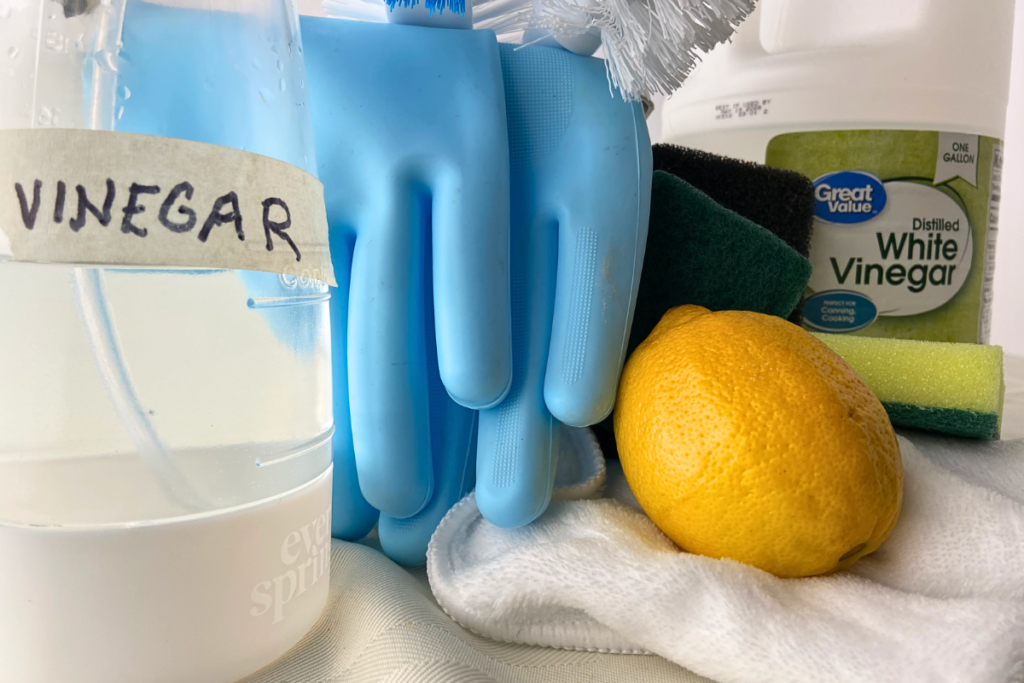
If your bathroom under-the-sink cabinet looks like a mini chemistry lab, this post is for you. I’m talking about being faced with rows of warning labels in tiny print you have to squint at to read (as if you’d even know what the chemical ingredients are), and tear-producing, nose-crinkling odors that make you hold your breath every time you use those cleaners. Sound familiar?
What if you could get that same sparkling, just‑scrubbed feeling with a natural bathroom cleaner using one humble ingredient that’s been quietly doing its thing for centuries? Piece of cake.
See, that unexciting jug or bottle of distilled white vinegar that you can pick up at any grocery store is about to become the unsung hero of eco-friendly bathroom cleaning – and it’s not just about saving money or being “green.” It’s about choosing an environmentally considerate, affordable, chemical‑free way by cleaning with vinegar that actually works and makes bathroom cleaning a whole lot simpler.
In this post, we’ll walk through how to turn your bathroom into a vinegar-powered haven and explain why vinegar is greener than most store‑bought cleaners, how to mix a powerhouse all‑purpose bathroom spray, and how to store big, beautiful batches in glass so you’re not constantly refilling tiny plastic bottles.
Why Vinegar is the Best Natural Bathroom Cleaner
Before we get into recipes and routines, let’s talk about why vinegar is such a great fit for a “cleaner” clean.
Vinegar vs. Chemical Cleaners: Eco Wins for Your Home
Typical bathroom cleaners often rely on synthetic surfactants, fragrances, dyes, and preservatives (hello, unpronounceable ingredient lists). Distilled white vinegar, on the other hand, is mostly water and acetic acid, which is what gives it that sharp smell and the power to cut through soap scum and mineral deposits.
Vinegar Reduces the Unknown Chemicals Swirling Down Your Drain
When you scrub your tub or sink with conventional cleaners, all those compounds wash right into your wastewater system. Vinegar breaks down more simply in the environment than many synthetic ingredients, which means you’re sending fewer persistent chemicals downstream.
One Bottle of Vinegar, Many Jobs Tackled
Vinegar can help dissolve mineral buildup, tackle soap scum, cut grease, and freshen surfaces. Fewer specialized products means fewer plastic containers and less manufacturing and transport – small but meaningful wins for the planet.
Surfaces to Never Clean with Vinegar
Is vinegar perfect for every single surface? No. You’ll want to avoid natural stone like marble and some unsealed grout because acids can etch them. But for much of the everyday bathroom grime – faucets, tile, glass, and porcelain – vinegar is a simple, effective, and more earth‑friendly option.
- Natural Stone (Marble, Granite, Limestone): The acid in vinegar will “etch” or eat away at the surface of natural stone, leaving permanent dull spots or pits.
- Finished Wood Surfaces: While great for some floors, the acid can eventually break down the protective finish on fine wood furniture or certain waxed floors, leaving them looking cloudy.
- Electronic Screens: Never use vinegar on your smartphone, tablet, or laptop screen. It can strip away the oleophobic (oil-resistant) coating that prevents fingerprints.
- Egg Messes: This is a classic “screw-up.” If you drop an egg, don’t reach for the vinegar. The acid causes the egg proteins to coagulate, turning the mess into a sticky glue that is much harder to clean.
- Cast Iron & Aluminum: Vinegar can cause pitting and reactive damage to these metals. Stick to mild soap and water for your favorite skillet.
- Rubber Parts (Long-term Exposure): While great for a quick rinse in the dishwasher or washing machine, avoid soaking small rubber gaskets or seals in high-concentration vinegar for extended periods, as it can cause some types of rubber to become brittle.
The Environmental Upside: Small Habit, Big Ripple
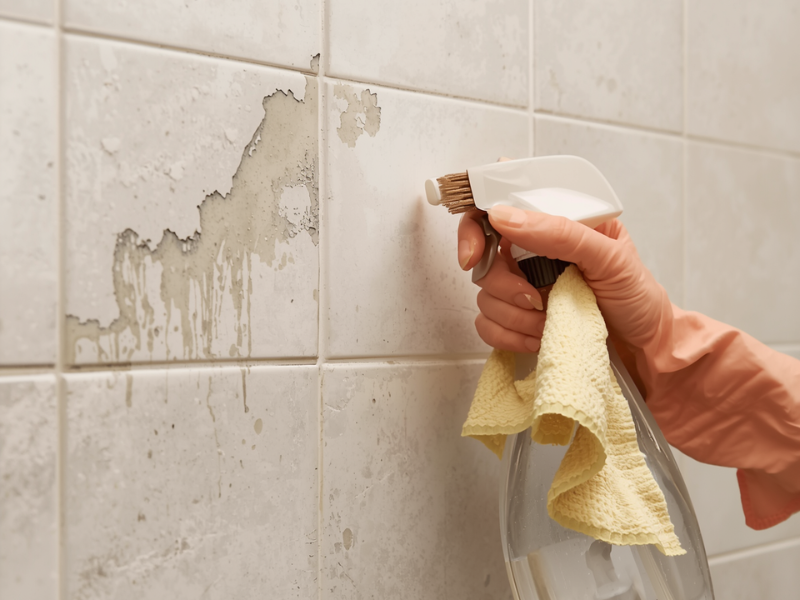
Let’s zoom out for a second. Why does “environmentally friendly and chemical‑free” even matter for a single bathroom?
Less Plastic, Less Pollution
Swapping out a lineup of five or six different cleaners (glass spray, tile spray, tub/shower foam, toilet cleaner, “daily shower” spray) for one main vinegar‑based formula cuts plastic usage right away. Even if you’re just refilling the same glass dispenser again and again, you’re reducing demand for new plastic bottles and the energy it takes to produce and transport them.
Gentler on Indoor Air
Many traditional cleaners rely on synthetic fragrances and volatile organic compounds (VOCs) that can contribute to headaches, respiratory irritation, and that “whoa, this is strong” feeling when you’re scrubbing in a small, steamy bathroom. Vinegar has a strong smell, yes, but it’s very different from that fog of artificial fragrance, and it dissipates quickly as the surface dries (especially if you crack a window or run a fan).
A Simpler Ingredient Story
Using vinegar-based cleaners offers more transparency. You can actually understand what’s in your spray bottle. That simplicity is good for your peace of mind, especially if you have kids, pets, or anyone in the house with sensitivities.
Think of it like this: every time you refill one glass dispenser from a big batch of vinegar cleaner instead of buying a new plastic bottle of cleaner, you’re quietly casting a vote for a different way of doing things. It’s not flashy, but it’s powerful.
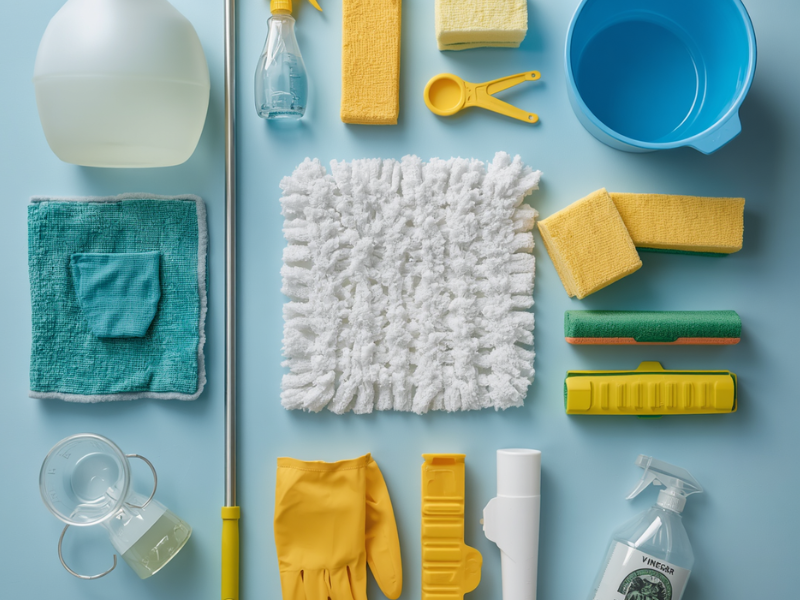
Your Vinegar Bathroom Cleaner Tool Kit
It’s easy and affordable to set yourself up for vinegar cleaning success in the bathroom.
This is the workhorse I reach for when I’m cleaning around the house, and especially in the bathroom where there’s alway a spray bottle on hand under the sink.
Guessing “about a cup” of vinegar is an easy way to overdo it. A little measuring cup or a clearly marked pour bottle makes it simple to add the right amount to your rinse compartment every time without splashing all over the place.
Have fun experimenting with different oils that can lift your spirits and give your bathroom a pleasing scent.
I like keeping a smaller, easy‑to‑grab spray bottle of vinegar in the bathroom for special stains and uses.
These absorbent cloths are non-abrasive and can tackle most cleaning jobs.
Protect your hands from the mild acetic nature of vinegar.
DIY Vinegar Bathroom Spray Recipe (1-Ingredient Magic)
Let’s build your staple: a simple vinegar bathroom cleaner that you can make by the gallon and decant into smaller spray bottles around the house.
Basic Vinegar Bathroom Spray
This works well on:
- Sinks and faucets (especially for water spots)
- Tub and shower walls (not natural stone)
- Glass shower doors and mirrors
- Toilet exterior surfaces (tank, seat, lid, base)
You’ll need:
- 1 part distilled white vinegar
- 1 part water
- Optional: a few drops of essential oil (like lemon, lavender, or tea tree) if you want to soften the vinegar scent – but keep in mind that “unscented” is your cleanest, simplest option.
To make:
- In a large container (we’ll talk about your 1‑gallon glass dispensers in a minute), combine equal parts vinegar and water.
- Stir or swirl gently to combine.
- Decant into smaller spray bottles for daily use.
That’s it. No neon colors, no mysterious additives, just a straightforward blend that gets surfaces clean without leaving a trail of synthetic fragrances and residues.
Bathroom Cleaning Routine with Vinegar: Step-by-Step
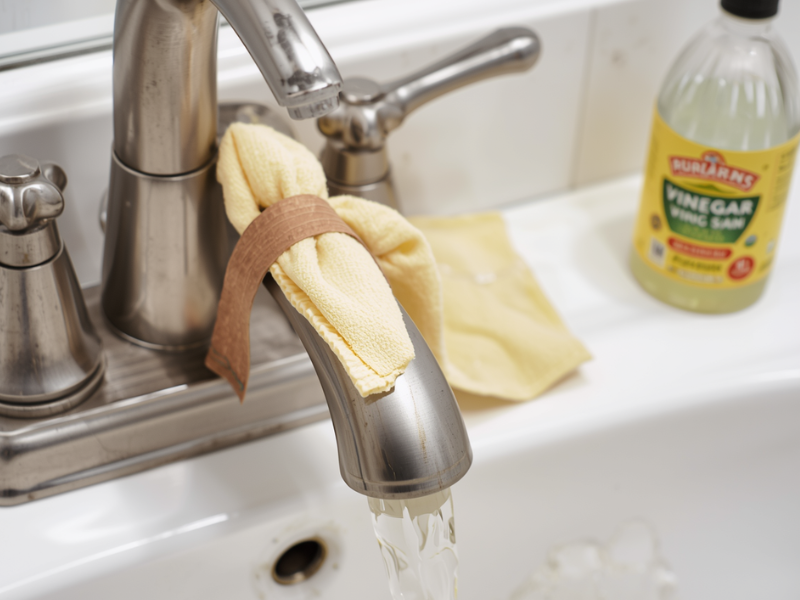
You don’t need a multi‑page routine here. Think of this as “one simple bathroom cleaning system” powered by your vinegar mix.
For Sinks and Countertops
- Spray the vinegar cleaner directly onto the surface.
- Let it sit for a minute if you’re dealing with toothpaste blobs or dried soap.
- Wipe with a cloth or sponge.
- Buff faucets with a dry cloth for extra shine.
For Tubs and Showers (Non‑Stone)
- After a shower, spritz walls and doors with your vinegar cleaner as a “daily maintenance” step to slow down soap scum and hard water buildup.
- For deeper cleaning, spray more generously, let it sit 5–10 minutes, then scrub with a brush or sponge and rinse well.
For Glass and Mirrors
- Lightly mist your vinegar solution onto the glass.
- Wipe with a microfiber cloth or crumpled newspaper for a streak‑free finish.
- If you see streaks, you may have used too much product; a little goes a long way.
For the Toilet Exterior
- Spray the outside of the tank, seat, lid, and base.
- Wipe with a dedicated bathroom cloth (not your kitchen rag).
For the Toilet Interior
- For the bowl interior, you can use vinegar as a pre‑soak: pour a cup around the rim, let sit, scrub with a toilet brush, and flush.
- Pour a half-cup of vinegar into the toilet tank and let sit to dissolve lime and other mineral build up.
Is your bathroom going to smell like a salad for a few minutes? Possibly. But once it dries, your bathroom should just smell… clean. You can always add essential citrus oils to produce a fresher, more invigorating scent.
Best Glass Dispensers for Vinegar Cleaners (My Favorites)
Now let’s talk about your behind‑the‑scenes setup. One of my favorite ways to commit to an environmentally minded, chemical‑free bathroom routine is to treat my vinegar cleaner like a pantry staple. Instead of mixing tiny amounts over and over (or buying single‑use bottles), I buy gallon jugs at the grocery and transfer it to a sturdy 1‑gallon glass dispenser with a spout that makes it easy to pour into bottles as needed.
Here’s why I love this approach:
- Less plastic and more reuse because glass dispensers are durable, refillable, and don’t leach anything into your solution. You can keep the same containers for years instead of constantly tossing empty plastic jugs.
- Easy to see what you have because the dispensers are transparent. You can always see your vinegar cleaner level at a glance. No more “oops, I’m out” moments mid‑scrub.
- Convenient refills for the whole house because your 1‑gallon dispenser can be kept in a closet or laundry area, then used to refill smaller spray bottles for each bathroom and the kitchen.
- Your eco‑friendly cleaner is always within reach, and you’re not tempted to grab a quick‑fix bottle from the store.
A Few Extra Vinegar Cleaning Notes
A quick word of caution so your “natural” routine still feels smart and intentional.
- Avoid natural stone – Don’t use vinegar on marble, limestone, travertine, or other acid‑sensitive stone surfaces, as it can etch and dull them over time.
- Test grout and specialty finishes – If you have decorative finishes or specialty fixtures, test your vinegar solution on a small, hidden area first.
- Keep it labeled – Even though this is a gentle, simple formula, always label your bottles clearly (“Vinegar Bathroom Cleaner – Not for Stone”). This helps housemates, kids, and future‑you know what’s inside.
One Small Shift, Many Wins
Swapping out harsh, heavily scented bathroom cleaners for a simple vinegar‑based routine might feel almost too easy. But sometimes that’s the point. You’re choosing something that is easier on the planet, transparent in its ingredients, versatile enough to tackle most of your bathroom cleaning, and simple to scale up and store in large, beautiful glass dispensers.
Your bathroom still gets to sparkle, your drains get a gentler flushing out, and your under‑sink cabinet gets a lot less crowded. That’s a transformation worth making – one spray bottle at a time.