
Beyond the Morning Tablespoon:
Recipes With Vinegar and Honey Oxymels
This post contains affiliate links to products and books I genuinely use and love. If you buy through my links, I may earn a small commission as an Amazon Associate or through my affiliation with other retailers from qualifying purchases that you make at no extra cost to you.
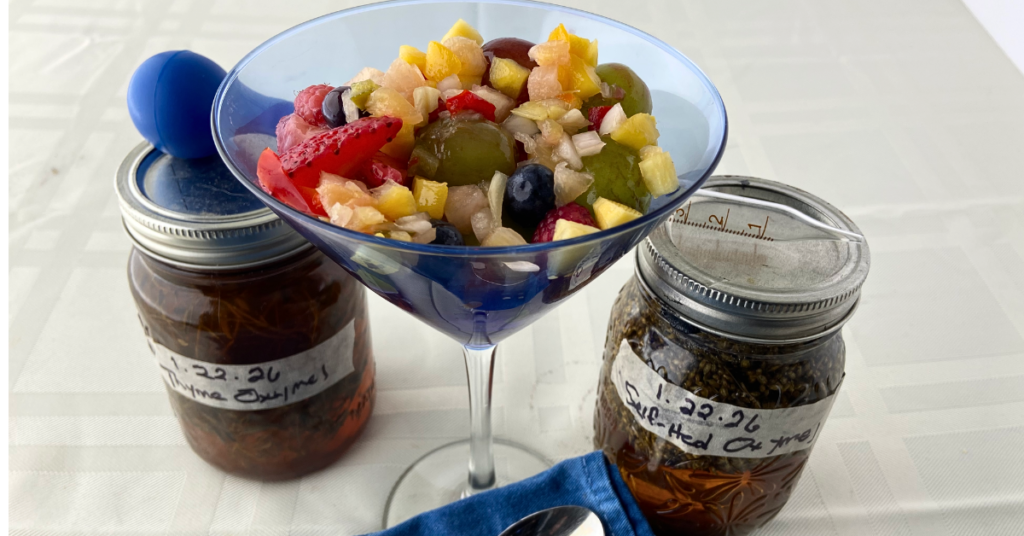
When used thoughtfully, oxymels can be a gentle, food‑based way to support a healthy daily routine. A tablespoon or two combines the acetic acid benefits of vinegar—which may help with modest blood sugar regulation and a feeling of fullness—with the soothing, energy‑dense qualities of honey and whatever supportive herbs or fruits you’ve chosen.
Sipped diluted in water in the morning, an oxymel becomes a small daily ritual that encourages you to pause, hydrate, and bring more traditional ingredients into your day. That same spoonful also shines in recipes—whisked into salad dressings, brushed on roasted vegetables or meats as a glaze, or splashed into pan sauces—where it adds bright, complex flavor along with those gentle, food‑based benefits.
Want to cook with oxymels but don’t have any on hand yet? I’ve put together a free PDF, Nine Fine Oxymel Recipes, with simple herbal and fruit oxymels you can make in a weekend. Pop in your email below and I’ll send it to your inbox so you’ve got a few jars ready for these dressings, glazes, and sips.
What Benefits Do Oxymels Deliver in Recipes
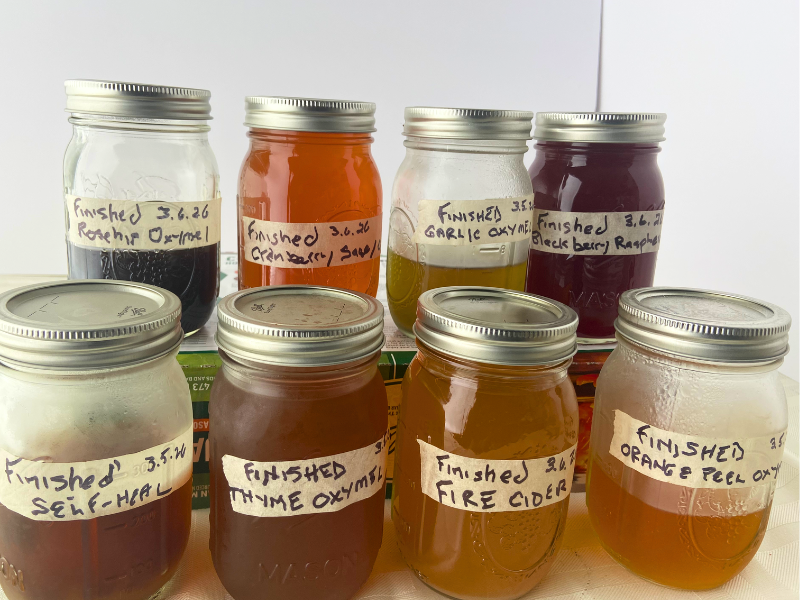
At their core, oxymels balance three key flavor notes: acidity from vinegar, sweetness from honey, and aromatic complexity from whatever you infuse (herbs, berries, citrus, roots, spices).
That balance means oxymels work just as beautifully in the kitchen as they do as a morning tonic. Instead of limiting them to a quick eye‑opener in the a.m, you can treat oxymels like flavor‑packed vinegars or syrups and weave them into dressings, marinades, glazes, desserts, and even grain bowls and enjoy them any time of day.
Oxymels as Vinaigrette Concentrates
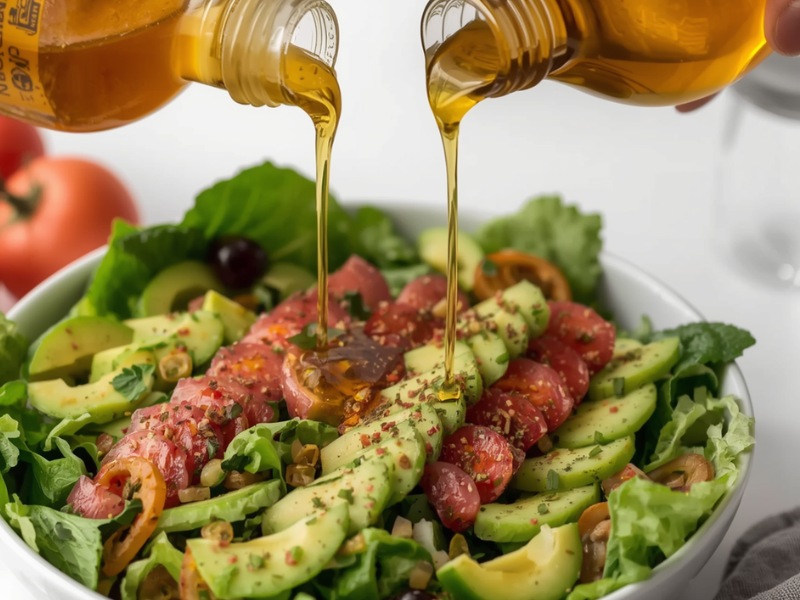
In the kitchen, it behaves a lot like a vinaigrette concentrate, with a taste that is tangy from the vinegar, rounded and silky from the honey, and layered with whatever herbs or fruits you’ve tucked into the jar. Whisk a spoonful with olive oil, a pinch of salt, and maybe a little Dijon mustard, and you suddenly have a salad dressing or grain‑bowl drizzle that really brings your meal to life.
Oxymels as Finishing Drizzles and Light Syrups
That same spoonful can stand in as a finishing drizzle, the way you might reach for balsamic vinegar reduction. A splash over roasted carrots, chicken coming out of the pan, or a tray of blistered Brussels sprouts adds brightness, a whisper of sweetness, and a subtle herbal note that makes everything taste a bit more intentional. When you tilt it toward the sweet side, a fruit-based oxymel behaves almost like a light syrup: it’s lovely spooned over yogurt and berries, folded into overnight oats, or drizzled over pancakes in place of (or alongside) maple syrup.
Oxymels as Gentle Digestive Sips Around Meals
And for folks who like the idea of digestive bitters but want something friendlier, a small amount of oxymel before or after a meal can offer that same “bitter‑sweet‑tart” nudge to the palate in a much cozier, kitchen‑table way.
Why Vinegar and Honey Oxymels Work So Well in Recipes
In the kitchen, oxymels shine because they’re already balanced. Traditional vinaigrettes and marinades require you to juggle acid, sweetener, and seasoning; oxymels arrive with that harmony built in. You simply layer them into what you’re cooking.
A few practical advantages:
- Built‑in sweetness: Honey in the oxymel softens the vinegar’s sharpness, making dressings and sauces smoother and more kid‑friendly.
- Layered flavor: Herbs like rosemary, thyme, basil, or sage add depth without needing extra steps like long infusions or reductions.
- Digestive support: A small splash over a rich meal can feel lighter on the stomach, which is particularly nice in hearty, cold‑weather dishes.
- Flexibility: You can use oxymels made from different herbs seasonally bright mint and lemon balm in summer salads, warming ginger or cinnamon in winter glazes.
The simplest way to begin is to substitute oxymel for part (or all) of the vinegar and sweetener in a recipe you already love. If a vinaigrette calls for 2 tablespoons vinegar and 1 teaspoon honey, try using 2 tablespoons of oxymel instead and adjust salt and oil to taste.
Tips for Cooking with Oxymels
Follow these tips to get the most out of oxymels in food you prepare.
Use Gentle Heat
Oxymels can absolutely go into warm dishes, but they’re happiest when you treat them gently. A bit of simmering in a glaze or a quick splash into a hot pan is fine, especially if you’re looking for a soft, mellow tang.
Prolonged, high heat, though, can flatten delicate floral, berry, or citrus notes and cook off some of the brightness that makes them special. When you can, add oxymels toward the end of cooking—finishing roasted vegetables, deglazing a pan, or brushing on during the last few minutes in the oven or on the grill.
Taste As You Go
Because oxymels are part vinegar and part honey, their sweetness and acidity can swing quite a bit from batch to batch. A thyme‑heavy oxymel made with darker honey will land very differently on the palate than a tart berry version with a sharper vinegar.
That’s why it works best to treat recipes as loose templates instead of strict rules: start with the amount suggested, taste, and then adjust by a teaspoon at a time. The more you cook with your own oxymels, the more instinctive your “that’s enough” sense will become.
Pair Thoughtfully
Oxymels really shine when you match their personality to the food on the plate.
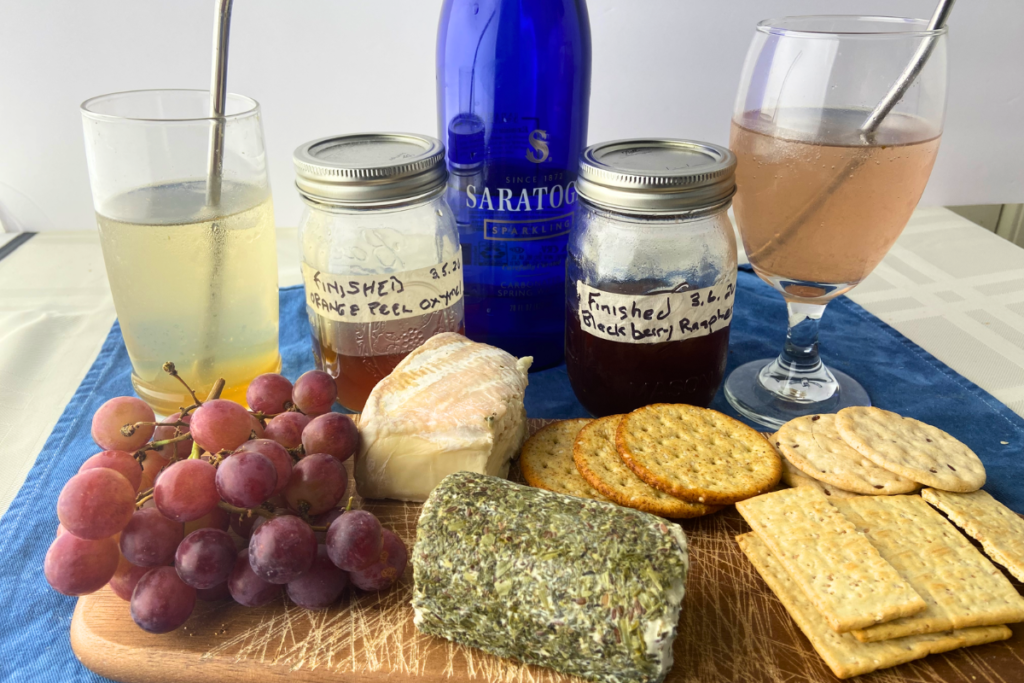
- Berry or hibiscus oxymels naturally cozy up to berries, stone fruits, chocolate, and soft cheeses, where their color and tang echo what’s already there.
- Savory blends that lean on garlic, rosemary, or thyme are wonderful drizzled over roasted vegetables, tucked into pan sauces for chicken, or spooned over brothy beans.
- Citrus‑forward oxymels bring a bright, almost sunlit edge to fish, leafy salads, and grain bowls, cutting richness and waking everything up without feeling harsh.
Thinking in these simple pairing “families” makes it easy to reach for the right bottle.
Start Small
A little oxymel goes a long way, so it’s wise to begin with less than you think you’ll need. Often just 1–2 teaspoons per serving is enough to transform a dish with tang, aroma, and a hint of sweetness. You can always add another drizzle at the table or whisk in an extra spoonful if a dressing or sauce tastes flat.
Starting small keeps your food from tipping into overly sweet or too sharp, and it helps you learn the strength of each oxymel as you build it into your everyday cooking.
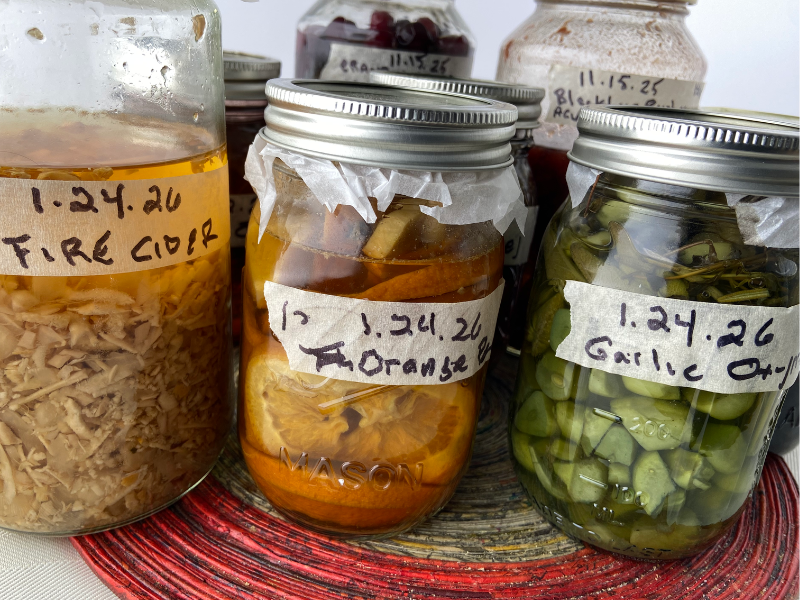
What You Need to Get Started
This post has 3 easy oxymel recipes to get you started.
Apple cider vinegar gives many oxymels many of their health benefits and adds flavor and zest to the tonic.
White wine vinegar provides many oxymels with subtle flavors while infusing with ingredients.
Provides health benefits of its own and its sweetness helps offset the acidic vinegar taste.
Adding extra virgin olive oil turns an oxymel into a ready-to-use salad dressing or meat marinade, giving it body and helping it cling to greens or protein instead of running off.
I look for BPA-free jars with lids that are ideal for creating oxymels and preserving and pickling fruits and vegetables.
I can either compost the remaining strained oxymel ingredients or save them in salads or sauces.
Everyday Cooking with Vinegar and Honey Oxymels

Below are five recipes that show how easily oxymels can move from your morning routine into your everyday meals.
Hearthside Thyme & Honey Oxymel Vinaigrette for Salads & Bowls
Equipment
Ingredients
- 3 tbsp HearthsideThyme & Honey Oxymel
- 1 tsp Dijon mustard
- 1 clove Garlic (finely chopped)
- 5 tbsp Olive Oil extra virgin
- 1/2 tsp Sea Salt
Instructions
- In a small bowl or jar, whisk together the oxymel, Dijonmustard, and garlic until smooth.
- Slowly drizzle in the olive oil while whisking, untilthe dressing emulsifies and thickens slightly.
- Season with salt and pepper, taste, and adjust: add abit more oxymel for brightness, or more oil if it’s too sharp.
- Toss with greens, spoon over a warm grain bowl, or drizzleover roasted vegetables.
Notes
Sheet‑Pan Roasted Vegetables with Oxymel Glaze
Equipment
Ingredients
- 4 cups Mixed chopped vegetables (e.g., carrots, parsnips,Brussels sprouts, sweet potato, or cauliflower)
- 2 tbsp Olive Oil extra virgin
- 2 tbsp Balsamic vinegar
- 1/2 tsp Sea Salt
- 1 tsp Chopped fresh herbs for serving
Instructions
- Preheat oven to 400°F (200°C). Line a sheet pan withparchment for easy cleanup.
- In a large bowl, toss the vegetables with olive oil, 1tablespoon of the oxymel, salt, and pepper.
- Spread in a single layer on the sheet pan and roast for20–25 minutes, stirring once halfway.
- Remove the pan, drizzle the remaining 1 tablespoonoxymel over the vegetables, and toss gently.
- Return to the oven for 5–10 more minutes, until theedges are caramelized and tender.
- Sprinkle with fresh herbs and serve warm.
Citrus & Oxymel Marinated Chicken Thighs
Equipment
Ingredients
Instructions
- In a bowl, whisk together oxymel, olive oil, garlic, salt,pepper, citrus zest, and chili flakes if using.
- Place the chicken thighs in a shallow dish or zip‑top bagand pour the marinade over, coating well.
- Marinate in the refrigerator for at least 30 minutes,ideally 2–4 hours.
- To bake: Preheat oven to 400°F (200°C). Arrange chicken on a baking dish, skin‑side up, and bake 30–40 minutes, or until juices run clear and skin is crisp.
- To grill: Grill over medium heat, turning occasionally,until cooked through and nicely browned.
- Reserve 1 tablespoon of the marinade before you add it tothe raw chicken, then whisk it with a bit more oxymel and olive oil as afinishing drizzle.
Notes
Summer Berry & Oxymel Fruit Salad
Equipment
- 1 set Salad serving bowls
Ingredients
- 3 cups Mixed fresh berries (strawberries, blueberries,raspberries, blackberries)
- 1 Ripe peach or nectarine, thinly sliced (optional)
- 1-3 tbsp Berry, rose, or hibiscus oxymel
- 1 tsp Finely chopped fresh mint or lemon balm
- 2 tbsp Lightly toasted chopped nuts or seeds (almonds, pistachios, pumpkin seeds) – Optional
Instructions
- Place the berries and sliced fruit in a large bowl.
- Drizzle 2 tablespoons of oxymel over the fruit and gently toss. Taste and add up to 1 tablespoon more if you want extra tang or sweetness.
- Sprinkle with chopped mint or lemon balm and toss once more.
- Serve immediately, topped with toasted nuts or seeds if using.
Warm Oxymel‑Glazed Lentils with Greens
Equipment
- 1 1.5 sauce pan
Ingredients
- 1 cup Green or brown lentils, rinsed
- 3 cups Vegetable broth or water
- 1 Small onion, finely chopped
- 2 tbsp Savory oxymel (self-heal or garlic herb), plus more to taste
- 3-4 cups Chopped sturdy greens (kale, chard, or spinach)
- Crumbled feta or goat cheese for topping
Instructions
- In a saucepan, combine lentils and broth or water.
- Bring to a boil, then reduce heat and simmer, uncovered, for20–25 minutes, until tender but not mushy. Use wire strainer to drain any excess liquid.
- While lentils cook, sauté the onion in olive oil over medium heat until soft and translucent, 5–7 minutes.
- Stir the cooked lentils into the pan with onions. Add2 tablespoons oxymel, salt, and pepper, and cook for 2–3 minutes so the flavors meld.
- Add the chopped greens and cook just until wilted and bright, 2–4 minutes.
- Taste and adjust—add a splash more oxymel for a sharper, sweeter finish if desired.
- Serve warm, topped with crumbled feta or goat cheese if you like.