
From Soggy to Stunning: Using Vinegar to Keep Produce Fresh Longer
This post contains affiliate links to products and books I genuinely use and love. If you buy through my links, I may earn a small commission as an Amazon Associate or through my affiliation with other retailers from qualifying purchases that you make at no extra cost to you.
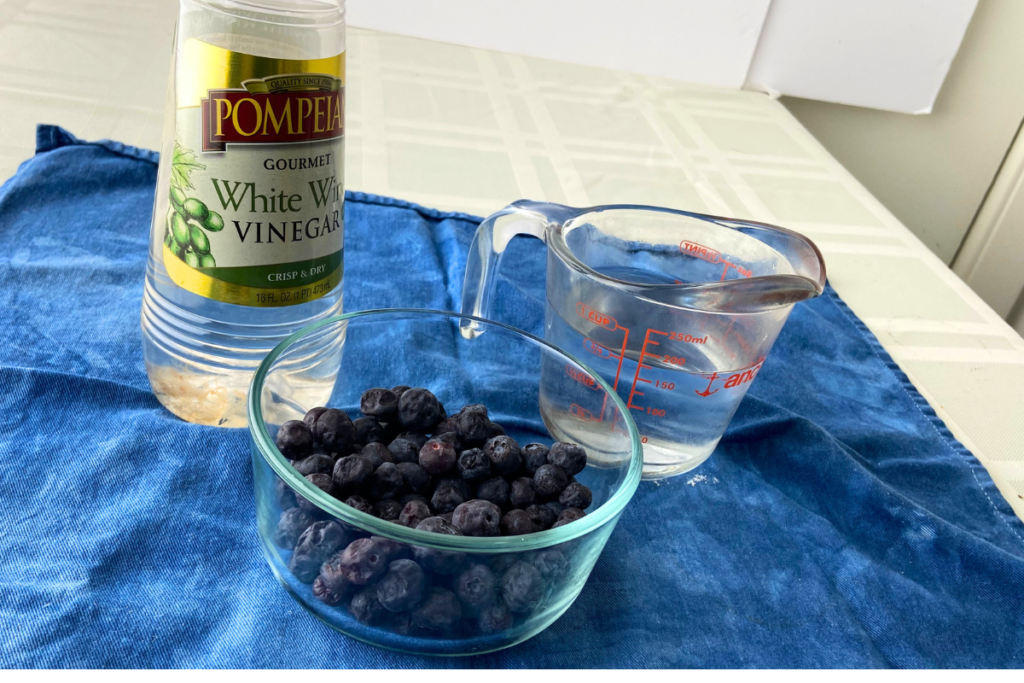
I used to throw away way more fruits and produce than I want to admit until I came across a simple, inexpensive solution and discovered how to keep berries fresh and extend the flavor with vinegar.
It seemed that every time I would buy some fresh berries or produce for a recipe, I’d have some left over that I would store in a glass bowl to use later in a smoothie or salad. Then, a day or two later when I’d go to the fridge and retrieve the bowl from the fridge, the contents had grown a little soggy or limp. Really not appealing.
Those days are gone because now I give my fruits and produce a gentle acidic bath with vinegar to slow mold growth on the surface while still keeping flavor and texture intact. It’s just a matter of getting the ratio, timing, and drying right for a vinegar soak for berries and produce.
Why Vinegar Helps Berries and Produce Last Longer
Berries and tender produce go bad fast because:
- They’re thin‑skinned and easily bruised.
- They often arrive with mold spores and bacteria already hitching a ride.
- They hold a lot of surface moisture, which mold loves.
Vinegar doesn’t sterilize fruit, but its acidity can knock down surface microbes enough to buy you a few extra days—sometimes even up to a week—for strawberries, raspberries, and blueberries. The trick is to:
- Use a mild solution, not straight vinegar.
- Limit the soak time to avoid waterlogging and flavor changes.
- Dry the fruit really well before you refrigerate it.
Think of this as a “vinegar welcome party” for your berries on grocery day: in, out, dry, and then stored well so they stay plump instead of fuzzy.
Simple Tools for Vinegar Produce Prep and Storage
The acid base for all your fruit and vegetable washes.
Get bowl that has ample room for produce and vinegar wash.
Let’s me give the produce a good rinse or two before storing.
Remove moisture that can damage produce during storage.
I look for BPA-free jars with lids when I store produce in glassware.
Let’s moisture escape and easy to see through to monitor the freshness of your produce.
The Basic Vinegar Soak for Berries
Let’s start with the star of “vinegar produce berries fresh” searches: strawberries, raspberries, blackberries, and blueberries.
Ideal Ratio and Ingredients
For a general berry‑saving soak:
- 1 part vinegar (white or apple cider)
- 3 parts water
Example:
- ½ cup vinegar + 1½ cups water
- 1 cup vinegar + 3 cups water
White distilled vinegar has the most neutral flavor; apple cider vinegar works too, especially if you don’t mind a faint tang.
Step‑by‑Step Berry Vinegar Bath
- Sort your berries.
Discard any that are obviously moldy or crushed; they’ll spread spoilage to the rest. - Mix your solution.
Combine vinegar and water in a large bowl using the 1:3 ratio. - Add berries gently.
Place berries in the solution and swish very gently with your hands. You’re aiming to coat them, not mash them. - Soak briefly.
Let them sit about 5 minutes—no need for a long bath. - Rinse quickly (optional but common).
Most people do a brief cool‑water rinse after the soak to remove vinegar flavor, especially for very delicate berries. Keep it short so they don’t re‑saturate. - Dry thoroughly.
Spread berries in a single layer on a clean kitchen towel or paper towels. Pat dry and let air‑dry until they’re completely dry to the touch. This step is critical. - Store properly.
Line a container with paper towels.- Add the berries in a single (or very shallow) layer.
- Leave the lid slightly ajar or use a vented container so moisture doesn’t build up.
How Much Longer Do Berries Last?
Results vary with freshness and fridge conditions, but with a vinegar soak plus good storage, many people see:
- Strawberries: 3–7 extra days of good quality.
- Raspberries/blackberries: often 2–4 extra days before mold sets in.
- Blueberries: can last a week or more longer.
Vinegar and Other Produce: What Works and What Doesn’t
Berries are the best‑known vinegar success story. Vinegar can help some other produce too, but be cautioned that it might be a bad idea for a few.
Lettuce and Leafy Greens
For leafy greens, vinegar is better as a quick rinse than a soak.
- Use 1–2 tablespoons vinegar per quart of cool water.
- Swish leaves gently, then rinse well.
- Spin or pat very dry and store in a container lined with paper towels.
This helps remove surface grime and some microbes but doesn’t dramatically extend life the way it can with berries. The real game‑changer for greens is dryness + airflow: washed, dried thoroughly, then stored in loosely closed containers with absorbent towels.
Too much vinegar or a long soak can make tender greens limp or speed up browning at the edges.
Fresh Herbs
Delicate herbs (parsley, cilantro, dill) benefit more from good hydration and airflow than from vinegar. For herbs:
- Skip the vinegar soak unless they’re visibly dirty.
- Instead, rinse quickly in cool water, shake off moisture, and dry very well.
- Store like flowers: stems in a jar with an inch of water, loosely covered with a produce bag in the fridge (for leafy herbs), or rolled in barely damp towels in a container.
A strong vinegar soak can bruise herbs and mute their flavor, so if you use vinegar at all, keep it very mild and very brief.
Grapes, Cherries, and Firm Fruit
You can use a milder version of the berry soak for:
- Grapes
- Cherries
- Firm stone fruits (plums, peaches, nectarines) you plan to refrigerate
Use:
- ¼ cup vinegar + 4 cups water
- Quick swish, short soak (3–5 minutes), rinse, and thorough drying.
This can help reduce surface microbes and bloom, but again, drying and proper storage do most of the heavy lifting.
Produce That Doesn’t Really Benefit from a Vinegar Soak
Some fruits and veggies are better left out of the vinegar bath:
- Mushrooms: They absorb water and can get mushy. Wipe with a damp cloth or very quick rinse instead.
- Cut produce (melons, pre‑cut fruit): Higher surface area + extra moisture = faster spoilage.
- Delicate sprouts: Easily damaged; best eaten quickly after a rinse.
And keep in mind: vinegar is for washing and mild preservation, not for treating visible mold on long‑forgotten produce. If something is fuzzy or smells off, compost it.
Storage Tips That Make the Vinegar Soak Actually Worth It
The vinegar soak is helpful, but it’s only part of the story. You’ll get the best “vinegar produce berries fresh” payoff if you combine it with smart storage.
For Berries
- Use shallow, wide containers rather than deep ones.
- Layer with paper towels to absorb moisture.
- Keep the lid cracked or use containers with vents.
- Store in the main body of the fridge, not in the coldest back corner where they can freeze.
For Greens
- Wash, spin, and dry very well.
- Store in a container or bag with a dry paper towel; close loosely.
- Replace the towel if it gets very damp.
For Herbs
- Leafy herbs: Jar with a little water, loosely covered, refrigerate.
- Woody herbs (rosemary, thyme): Wrap in a dry or barely damp towel, store in a container or bag.
Common Mistakes with Vinegar and Produce
Mistake 1: Too Strong, Too Long
Using a very strong vinegar solution or soaking produce for a long time can:
- Give berries a noticeable vinegar flavor.
- Soften skins or make them more delicate.
- Lead to quicker breakdown once refrigerated.
Stick to the 1:3 vinegar‑to‑water ratio and short soak times.
Mistake 2: Not Drying Thoroughly
Putting damp berries or greens straight into a closed container is like building a tiny private sauna for mold.
- Always dry produce very well after the vinegar rinse.
- If you don’t own a salad spinner, use towels and give yourself enough time for air‑drying.
Mistake 3: Washing Too Far in Advance
While berries often respond well to washing and soaking on day one, some delicate produce (especially greens) does better when washed closer to when you’ll use it.
- For berries: washing and soaking soon after purchase works well.
- For greens: if your fridge is very humid, wash/soak closer to cooking day to avoid limp leaves.
Quick Vinegar Produce “Rescue Kit”
Vinegar Produce Freshness Cheat Sheet
- Berries: 1 part vinegar : 3 parts water, 5‑minute soak, quick rinse, dry thoroughly, store in vented, towel‑lined container.
- Lettuce/greens: 1–2 tablespoons vinegar per quart water, quick rinse, spin dry, store with towels.
- Grapes/cherries: mild vinegar bath, short soak, dry well.
- Herbs: mostly skip vinegar—focus on rinsing, drying, and “herbs in a jar” storage.
- Never soak mushrooms or already‑cut fruit in vinegar; they get soggy faster.
- Vinegar helps slow spoilage, but proper drying and storage are what really turn “soggy to stunning.”