
Your Vegan Buttermilk Emergency Kit: 7 Ways Vinegar Can Save Baking Day
This post contains affiliate links to products and books I genuinely use and love. If you buy through my links, I may earn a small commission as an Amazon Associate or through my affiliation with other retailers from qualifying purchases that you make at no extra cost to you.
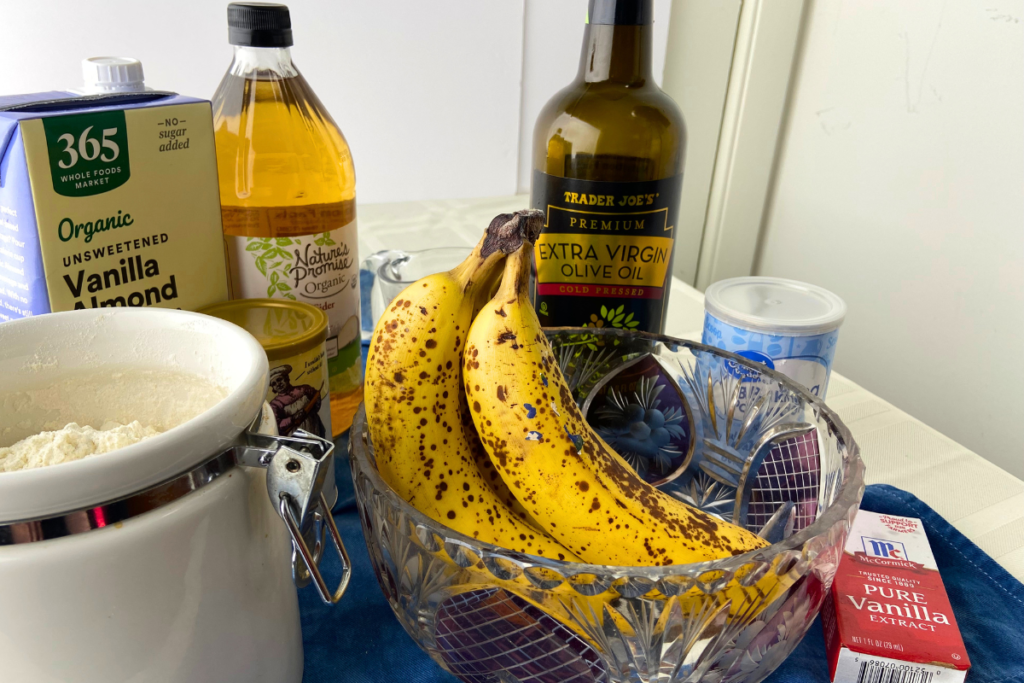
It’s not unusual for some vegans to feel frustrated at first when they realize how many classic baked goods lean heavily on butter, milk, buttermilk, and cream, especially when they’re just starting out and don’t yet know the substitution tricks for vinegar vegan baking.
But once they discover how easily dairy can be swapped with a vinegar buttermilk substitute to transform non-dairy milks into buttermilk, they realize they really don’t have to give up cakes, cookies, pancakes, or biscuits at all and taste is not a casualty.
You can absolutely be vegan and still have towering pancakes, tender biscuits, and soft, fluffy cakes, even if the original recipe leans hard on buttermilk and other dairy.
What those recipes really “want” isn’t dairy for its own sake; it’s the chemistry that dairy brings to the party: a little acid to wake up the baking soda, some richness for tenderness, and enough moisture to keep everything from baking up dry and crumbly.
That’s where vinegar quietly saves the day. With a basic understanding of how to make vegan buttermilk with vinegar and how, by adding simple splash of vinegar into your favorite plant milk, you can create a convincing stand‑in for buttermilk that gives you the same tang, lift, and tender crumb the recipe was designed around.
Instead of skipping beloved baked goods (or settling for dense, flat results), you get to keep your ethics and your treats—stirring together a quick vinegar “buttermilk” that works in everything from Sunday‑morning pancakes to celebration‑worthy layer cakes.
Why Buttermilk Matters (And What Vinegar Is Replacing)
Classic buttermilk is more than “sour milk.” It brings three big things to baking:
- Acid to react with baking soda so batters rise.
- Flavor: a gentle tang that keeps baked goods from tasting flat.
- Tenderness: its acidity and a bit of fat help soften gluten and keep things moist.
When you use vinegar + milk as a buttermilk substitute, you’re mostly recreating the acidity and flavor, not the exact fat or protein structure. That’s okay: in most home baking recipes, especially quick breads and pancakes, it’s close enough for delicious, fluffy results.
The trick is using the right type of milk, the right amount of vinegar, and giving it enough time to sour before you whisk it into your batter.
Basic Formula: Turning Milk into “Buttermilk” with Vinegar
Your base emergency formula:
- For each 1 cup (240 ml) of buttermilk called for in a recipe:
- Use 1 tablespoon (15 ml) vinegar
- Add enough milk (dairy or plant‑based) to reach 1 cup total
- Stir and let sit 5–10 minutes until slightly thickened/curdled
Best vinegar choices:
- White distilled vinegar (most neutral)
- Apple cider vinegar (adds a gentle fruity tang)
- White wine vinegar (subtle, but less common in baking)
Avoid strong, assertive vinegars (balsamic, red wine) for buttermilk replacements because they’ll color and flavor your batter in ways you probably don’t want.
Which Milks Work Best (Including Vegan Options)
Your vinegar “buttermilk” will behave slightly differently depending on the milk you choose, especially in vegan baking.
Dairy Milks (for Non-Vegans)
- Whole milk (3.25% fat) is best all‑around choice: flavorful, tender, and rich.
- 2% milk is great for everyday baking; slightly less rich but still reliable.
- 1% or skim milk works in a pinch, but less body. You may want to add a tablespoon of melted butter or oil to the recipe for tenderness.
Plant‑Based Milks (Vegan Baking Allies)
Not all plant milks curdle or thicken the same way, but several pair beautifully with vinegar in vegan baking:
- Soy milk is the MVP for vegan “buttermilk”: high protein, curdles well, great structure in cakes and pancakes.
- Oat milk delivers a mild flavor, decent thickening, softer crumb—great for muffins and pancakes.
- Almond milk works, but tends to be thinner. Good in pancakes and quick breads, less ideal for very fluffy cakes unless recipe is designed for it.
- Coconut milk (carton, not canned) adds richness and subtle coconut note. Great in certain recipes, but may change flavor more noticeably.
For vegan baking, soy + vinegar is the closest stand‑in for dairy buttermilk in terms of structure and rise.
Simple Tools for Vinegar Baking at Home
Apple cider vinegar gives oxymels many of their health benefits and adds flavor and zest to the tonic.
Rely on a sturdy glass measuring cup for prepping and baking vegan goods.
Sturdy and easy to clean.
A premium set of mixing spoons can serve all vegan baking needs and are easy to store.
Emergency Ratios: Vinegar “Buttermilk” Cheat Sheet
Use this whenever a recipe calls for buttermilk and you don’t have any.
Standard Dairy Buttermilk Substitute
For each 1 cup (240 ml) buttermilk called for in a recipe:
- 1 tablespoon (15 ml) white or apple cider vinegar
- Enough whole or 2% milk to reach 1 cup
Stir, rest 5–10 minutes.
Vegan “Buttermilk” with Soy Milk
For each 1 cup buttermilk called for in a recipe:
- 1 tablespoon vinegar (white or apple cider)
- Enough unsweetened soy milk to reach 1 cup
Rest 5–10 minutes until lightly thickened and curdled. This is excellent for vegan pancakes, waffles, and cakes.
Vegan “Buttermilk” with Oat Milk
or each 1 cup buttermilk called for in a recipe:
- 1 tablespoon vinegar
- Enough unsweetened oat milk to reach 1 cup
Rest 5–10 minutes. You may not see dramatic curdling, but the acid is there, ready to react with baking soda.
How Vinegar “Buttermilk” Affects Rise and Texture
When you add vinegar‑soured milk to batter, two main things happen:
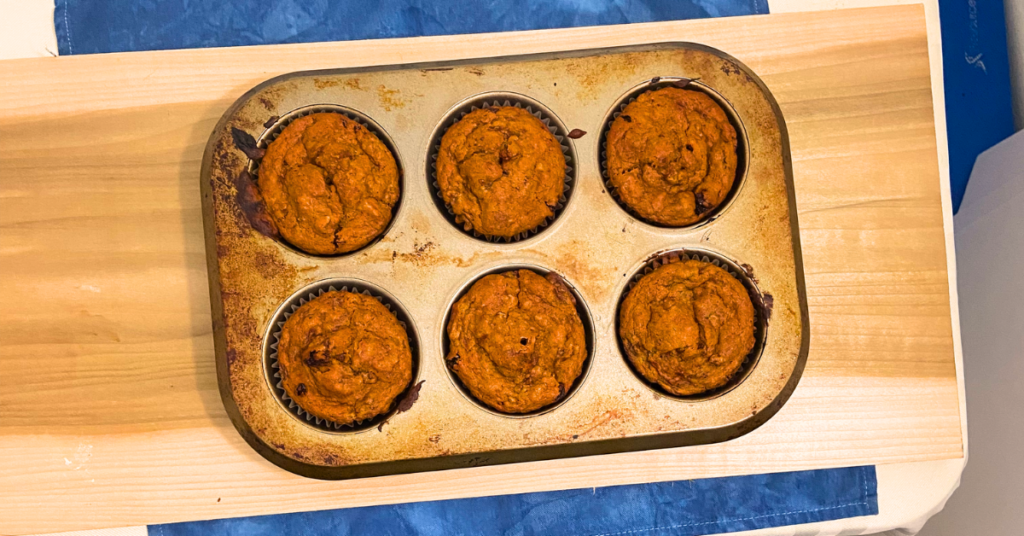
- Acid + Baking Soda = Lift – If your recipe uses baking soda, acid is crucial. Vinegar‑buttermilk activates it so your pancakes, biscuits, and cakes rise instead of baking up dense and flat.
- Acid Tenderizes Gluten – A slightly acidic batter resists toughness. This matters in recipes where you stir the batter more (like thick muffin or quick bread batters).
If your emergency swap leaves you with flat or dense results, it’s usually because:
- There wasn’t enough acid to fully react with the baking soda.
- There was too much acid, throwing off the flavor and chemical balance.
- You didn’t give the vinegar + milk enough time to react before mixing.
Saving Pancakes, Biscuits, and Cakes
Here are three everyday situations where vinegar can save baking day, plus exact “rescue plans.”
No Buttermilk for Pancakes
Say your recipe calls for 2 cups buttermilk and you’ve got only regular milk.
Fix:
- Measure 2 tablespoons vinegar into a measuring jug.
- Add milk (dairy or soy/oat for vegan) to reach 2 cups total.
- Rest 5–10 minutes until slightly thickened.
- Use as directed in the recipe.
If the recipe has only baking soda (no baking powder), make sure you keep the full acid amount. If it uses both, you have more wiggle room, but this ratio will still work well.
Vegan Angle
- Use soy milk + vinegar plus vegan butter or neutral oil in place of dairy butter.
- Replace eggs with a flax or chia egg or your preferred egg replacer.
No Buttermilk for Biscuits
Biscuits are famously fussy about fat and liquid balance, but vinegar‑buttermilk substitutes can still work beautifully. If your biscuit recipe calls for ¾ cup buttermilk:
Fix:
- Add 2¼ teaspoons vinegar to a measuring cup (that’s ¾ of a tablespoon).
- Top up with cold milk (or cold soy milk for vegan biscuits) to ¾ cup.
- Chill for 5–10 minutes while you cut in the fat and prep the dough.
Here are a few biscuit‑specific tips:
- Keep liquid and fat cold for best rise.
- Don’t overwork the dough; the acid is already helping with tenderness.
- Vegan variation: use very cold vegan butter or coconut oil plus soy “buttermilk.”
No Buttermilk for Cakes and Cupcakes
For tender cakes, especially in recipes that rely on buttermilk for both rise and crumb, vinegar is crucial if the recipe uses baking soda. If the recipe calls for 1 cup buttermilk:
Fix:
- Mix 1 tablespoon vinegar with milk (dairy or soy) to reach 1 cup.
- Rest 5–10 minutes.
- Proceed with the recipe as written.
Vegan baking tip
- Many vegan cake recipes already use plant milk + vinegar directly in the instructions—it’s a standard trick for getting a lighter crumb.
- If you’re adapting a non‑vegan recipe, this dairy‑free “buttermilk” swap is often the key to getting a similar texture.
What If the Recipe Doesn’t Call for Buttermilk—but You Want the Benefits?
You can often “upgrade” a recipe that uses plain milk by swapping in vinegar‑soured milk, especially in pancakes, waffles, and muffins.
General guideline:
- For each 1 cup milk in the recipe:
- Use 1 tablespoon vinegar
- Top up with milk to 1 cup
- Rest 5–10 minutes
If the recipe already uses baking powder (which doesn’t require acid to work), the vinegar adds flavor and tenderness more than extra lift. You shouldn’t need to change the leavening, but if the batter seems too tangy, you can reduce vinegar slightly next time (2 teaspoons instead of 1 tablespoon).
Common Problems (and How to Fix Them Next Time)
Problem: Flat Pancakes or Cakes
Possible causes:
- Not enough acid to activate the baking soda.
- Baking soda old or expired.
Fix it:
- Make sure you use the full 1 tablespoon vinegar per cup of milk in recipes with baking soda.
- Check your baking soda’s freshness (it should fizz when mixed with vinegar).
Problem: Batter Tastes Too Sour
Possible causes:
- Too much vinegar for the amount of milk.
- Very tangy vinegar (like strong apple cider) combined with other acidic ingredients (yogurt, lemon).
Fix it:
- Next time, try 2 teaspoons vinegar per cup of milk instead of a full tablespoon.
- Or switch to a more neutral vinegar and keep the ratio.
Problem: Vegan Bakes Are Dense or Gummy
Possible causes:
- Thin, low‑protein milk (like some almond milks).
- Not enough acid or leavening to give structure and lift.
Fix it:
- Use soy milk + vinegar for better structure in vegan cakes and muffins.
- Make sure your recipe includes enough baking powder/baking soda to match the acid.
Quick Tips: Vinegar as a Baking Rescue
- Use 1 tablespoon vinegar per 1 cup milk for a reliable buttermilk substitute.
- Let vinegar + milk rest 5–10 minutes before using.
- For vegan baking, soy milk + vinegar is your best friend.
- Stick to neutral vinegars (white, apple cider) in baked goods.
- Check your baking soda freshness—vinegar is only half the chemical reaction.
- When in doubt, err slightly on the side of less vinegar in cake recipes and more in pancakes/waffles.