
5 Autumn Shrub Recipes for Cozy Fall Drinks
Turn late-summer fruit, autumn produce, fresh herbs, and good vinegar into flavorful shrubs for sparkling water, cocktails, mocktails, cheese boards, salad dressings, and more.
This post contains affiliate links to products and books I genuinely use and love. If you buy through my links, I may earn a small commission as an Amazon Associate or through my affiliation with other retailers from qualifying purchases that you make at no extra cost to you.
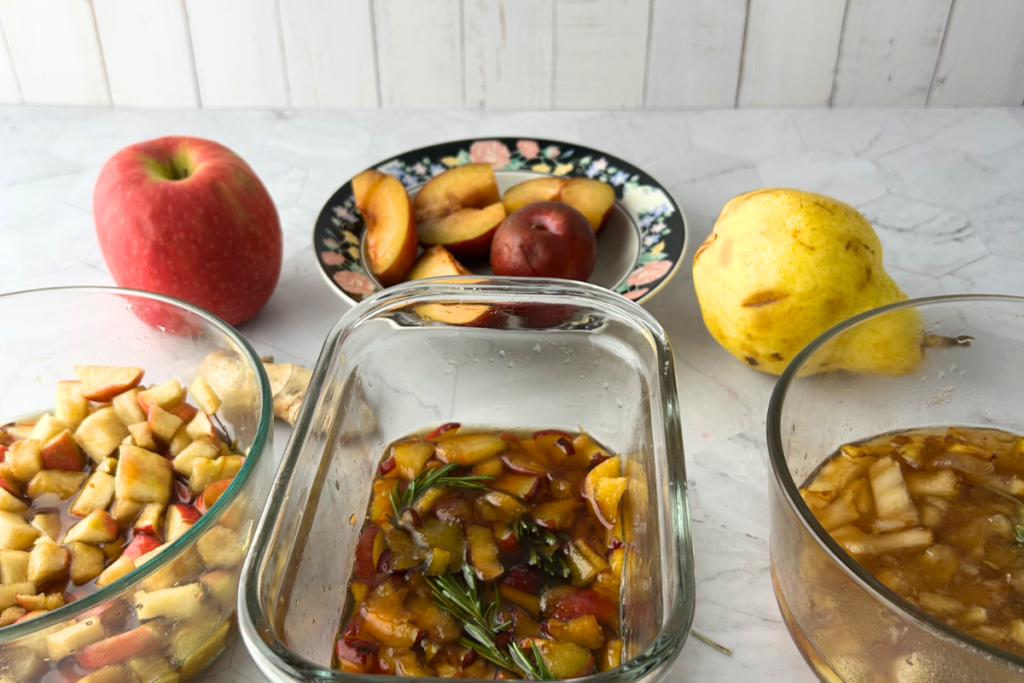
There is a short, glorious stretch of the year when summer fruit is still showing off, but the first apples, pears, squash, and sturdy herbs are beginning to crowd the market tables. It is the season of “just one more tomato salad” right alongside “maybe I should buy a sweater.” And to me, it is the perfect time to make shrubs.
If summer shrubs are all bright berries, watermelon, and glasses sweating in the sun, autumn shrubs have a little more depth. These easy autumn shrub recipes turn apples, pears, plums, cranberries, beets, carrots, herbs, spices, and vinegar into flavorful drinking vinegars for cozy fall drinks and more. They can still become a cold, fizzy mocktail, of course. But they also earn their keep stirred into iced tea, served alongside a cheese board, splashed into a cocktail, or whisked into a vinaigrette for roasted vegetables.
What Is an Autumn Shrub?
A shrub is simply a sweet-tart drinking vinegar concentrate made from produce, a sweetener, and vinegar. You mix a spoonful or two into sparkling water, tap water, tea, or a cocktail into most autumn shrub recipes. It is not a shot of straight vinegar, thank goodness. An autumn shrub recipe is a flavor-packed syrup with a tart backbone—the grown-up soda of the pantry world.
This post is not here to repeat every summer berry shrub you have already seen. Instead, think of it as your bridge from late-summer fruit to fall flavors, with five easy autumn shrub recipes that use the kinds of produce that make you want to buy more than you can possibly fit in the refrigerator.
Why Autumn Produce Makes Great Shrubs
Autumn fruit and vegetables have a different personality from strawberries and watermelon. They are less delicate and more layered. Apples have tannin and sweetness. Pears are floral and soft. Plums bring a lovely tang and jewel-toned color. Cranberries are mouth-puckering little drama queens in the best possible way. Root vegetables add earthiness that can be surprisingly wonderful in a drink when paired with ginger, citrus, or warm herbs.
That makes them especially suited for vinegar.
Vinegar gives sweet produce definition. It keeps an apple shrub from tasting like melted applesauce, gives pear a little spark, and makes the natural richness of grapes, beets, or roasted carrots feel intentional rather than heavy. Sugar or honey rounds everything out, while herbs and spices give the shrub a sense of place.
In other words, good autumn shrub recipes should end up tasting like your favorite fall fruit.
The Basic Autumn Shrub Formula
The 1:1:1 Shrub Ratio
The easiest cold-process shrub method starts with a flexible ratio:
- 1 part chopped fruit or vegetables
- 1 part sugar or honey
- 1 part vinegar
For example:
- 1 cup chopped apples
- 1 cup sugar
- 1 cup apple cider vinegar
That formula works beautifully for juicy fruits in autumn shrub recipes. For very tart produce, like cranberries, you may use a little more sweetener. For vegetables, herbs, or strongly flavored ingredients like ginger and rosemary, use them as accents rather than trying to make a whole shrub from a bowl of rosemary. Nobody needs that much rosemary in their life.
How to Make a Cold-Process Shrub
- Combine the produce and sugar in a glass bowl or wide-mouth jar.
- Lightly mash or muddle the mixture to release juice.
- Cover and refrigerate for 8 to 24 hours.
- Add vinegar, stir well, and refrigerate another 12 to 24 hours.
- Strain through a fine-mesh strainer into a clean bottle or jar.
- Refrigerate and use within a few weeks for the freshest flavor.
This method is particularly good for preserving the bright, fresh character of raw apples, pears, plums, and grapes in autumn shrub recipes. For firm vegetables such as beets or carrots, a quick roast first makes their flavor sweeter and more cooperative.
The Alternative to Cold-Process Shrubs: The Hot-Process Method
Cold-processing is my favorite method for these autumn shrub recipes because it preserves the fresh, bright character of the fruit and herbs. However, a hot-process shrub is another useful option, especially when you are working with firm fruit, vegetables, frozen produce, or ingredients that need a little help releasing their flavor.
The hot method is quicker because heat draws out the juices and softens the produce. It also creates a rounder, more cooked flavor—wonderful for roasted fruit, cranberries, plums, apples, and vegetables. The trade-off is that delicate ingredients can lose some of their fresh character, and herbs may become stronger or slightly duller if they are cooked too long.
How to Make a Hot-Process Shrub
- Combine chopped fruit or vegetables, sugar or honey, and a small amount of water in a saucepan. For every cup of produce, begin with about ¾ to 1 cup of sweetener, depending on how tart the ingredients are.
- Warm the mixture over medium-low heat, stirring often, until the sugar dissolves and the produce begins to soften and release its juices. Do not let the mixture scorch.
- Remove the pan from the heat and add herbs or spices, if using. Let the mixture steep for 10 to 20 minutes, or until the flavor is as strong as you like.
- Cool the mixture until it is warm rather than hot.
- Stir in an equal amount of vinegar. Apple cider vinegar, white wine vinegar, red wine vinegar, or rice vinegar can work depending on the ingredients.
- Cover and refrigerate for several hours or overnight.
- Strain through a fine-mesh strainer, pressing gently on the fruit or vegetables, and transfer the shrub to a clean bottle or jar.
- Refrigerate and dilute before serving.
For the best flavor in autumn shrub recipes, avoid boiling the vinegar. Adding it after the fruit mixture has cooled helps preserve its bright acidity and keeps the finished shrub from tasting overly cooked.
The hot-process method is particularly useful in autumn shrub recipes that call for cranberries, firm apples, roasted vegetables, frozen fruit, and ingredients with tough skins. It is less necessary for ripe pears, plums, grapes, and fresh herbs, which usually release plenty of flavor during a cold infusion.
I think of the two methods this way: cold processing gives you a fresher, brighter shrub, while hot processing gives you a softer, deeper one. Neither is the “correct” method. The best choice depends on the ingredients and the flavor you want in the glass.
How to Choose Vinegar for Fall Shrub Recipes
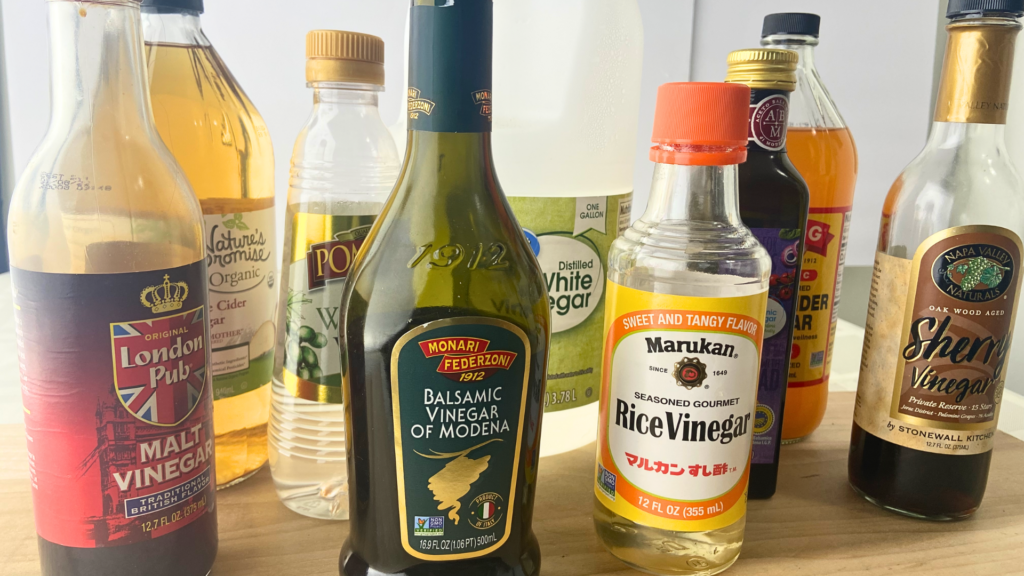
You do not need a dozen specialty bottles to make wonderful autumn shrub recipes, but the vinegar you choose does matter.
- Apple cider vinegar: My first pick for apples, pears, cranberries, ginger, cinnamon, and warm spices. It has a rounded, fruity tang that feels right at home with fall produce in autumn shrub recipes.
- White wine vinegar: Great with pears, grapes, delicate herbs, and lighter fruit combinations. It keeps the flavor clean and bright.
- Red wine vinegar: Lovely with dark plums, black grapes, blackberries, beets, rosemary, and sage. It has enough depth to stand up to moodier ingredients in autumn shrub recipes.
- Rice vinegar: Mild and gentle. Use it when you want the fruit or vegetable to stay in the spotlight, especially in pear, carrot, and ginger combinations.
- Balsamic vinegar: Use sparingly and thoughtfully in autumn shrub recipes. It is delicious with figs, grapes, and roasted vegetables, but its sweetness and dark color can overpower a shrub if you pour with a heavy hand.
My simple rule for autumn shrub recipes? Match the vinegar to the feeling of the produce. Crisp fruit likes a lighter vinegar. Deep-colored fruit and earthy vegetables can handle something bolder.
Autumn Vinegar Shrub Tool Kit
Apple Cider Vinegar with Mother
Apple cider vinegar gives oxymels, shrubs, and switchels many of their health benefits and adds flavor and zest to vinegar drinks.
White Wine Vinegar
Provides subtle flavor when blending with sippable vinegar drink ingredients.
Balsamic Vinegar
Provides richness and sweetness when blending with sippable vinegar drink ingredients.
Raw Honey
Provides sweetness and helps offset the acidic vinegar taste in vinegar drinks.
Wide-Mouth Glass Jars
I look for BPA-free jars with lids that are ideal for creating oxymels and preserving and pickling fruits and vegetables.
Metal or Washable Sipping Straws
Reusable straws can protect tooth enamel and save you money.
5 Autumn Shrub Recipes
| Recipe | Main flavors | Best use |
|---|---|---|
| Apple-Ginger-Thyme | Crisp, spicy, herbal | Sparkling water or iced tea |
| Pear-Sage | Floral and savory | Sparkling water or cheese boards |
| Plum-Rosemary | Rich, fruity, herbal | Cocktails or vinaigrette |
| Cranberry-Orange-Cinnamon | Tart, bright, warmly spiced | Mocktails or holiday drinks |
| Beet-Carrot-Ginger | Earthy, sweet, zesty | Savory mocktails or roasted vegetables |
1. Apple–Ginger–Thyme Shrub
This is my “first sweater of the season” shrub. Apple cider vinegar gives this autumn shrub recipe a cozy backbone, while ginger keeps it awake and thyme adds an herbal note that makes it feel much more interesting than ordinary apple juice.
Ingredients
- 1 cup chopped crisp apples, skin on
- 3/4 cup sugar or honey
- 1 tablespoon thinly sliced fresh ginger
- 3 small sprigs fresh thyme
- 1 cup apple cider vinegar
Directions
- Combine apples, sugar, ginger, and thyme in a glass bowl or jar.
- Lightly mash the apples, cover, and refrigerate 8 to 24 hours.
- Stir in the apple cider vinegar. Refrigerate another 12 to 24 hours.
- Strain into a clean jar or bottle and chill.
To serve: Add 1 to 2 tablespoons to a glass of sparkling water over ice. Garnish with an apple slice and thyme sprig.
2. Pear–Sage White Wine Vinegar Shrub
Pears can be a little shy in drinks, but sage gives them a sturdy hand to hold. This autumn shrub recipe is delicate, floral, and slightly savory—beautiful with sparkling water, prosecco, or alongside a cheese board.
Ingredients
- 1 cup ripe pears, chopped
- 3/4 cup sugar
- 5 to 6 fresh sage leaves, gently torn
- 1 cup white wine vinegar
Directions
- Combine pears, sugar, and sage in a glass bowl or jar.
- Muddle gently, cover, and refrigerate overnight.
- Add white wine vinegar and stir. Refrigerate another 12 to 24 hours.
- Strain into a clean bottle and refrigerate.
To serve: Mix 1 tablespoon shrub with 8 to 10 ounces sparkling water. Add a thin pear slice or fresh sage leaf if you are feeling fancy.
3. Plum–Rosemary Red Wine Vinegar Shrub
Plums and red wine vinegar were clearly meant to meet. The plum brings lush color and jammy fruit flavor, while rosemary keeps it from becoming too sweet. This autumn shrub recipe is the one I would serve at a late-summer dinner party and quietly hope everyone asks about.
Ingredients
- 1 cup ripe plums, pitted and chopped
- 3/4 cup sugar
- 1 small sprig rosemary
- 1 cup red wine vinegar
Directions
- Combine plums and sugar in a jar or bowl. Mash lightly.
- Add rosemary, cover, and refrigerate for 8 to 24 hours.
- Add red wine vinegar, stir, and refrigerate another day.
- Strain thoroughly into a clean bottle.
To serve: Add 1 to 2 tablespoons to sparkling water, or use a tablespoon in a gin or bourbon cocktail. It is also lovely whisked with olive oil and black pepper for a salad dressing over arugula, grilled chicken, or roasted squash.
4. Cranberry–Orange–Cinnamon Shrub
Cranberries have enough tart attitude to make a shrub that needs no help being lively. Orange and cinnamon soften the edges and give you a holiday-adjacent flavor without pushing the whole thing into “December cookie exchange” too soon.
Ingredients
- 1 cup fresh cranberries, lightly crushed
- 1 cup sugar
- Zest of 1 orange, plus 2 tablespoons orange juice
- 1 cinnamon stick
- 1 cup apple cider vinegar
Directions
- Combine cranberries, sugar, orange zest, orange juice, and cinnamon stick in a glass jar.
- Cover and refrigerate overnight, stirring once or twice.
- Add apple cider vinegar, stir, and refrigerate another 12 to 24 hours.
- Strain through a fine-mesh strainer, pressing gently on the berries.
To serve: Add 1 tablespoon to sparkling water and garnish with an orange twist. For a warmer version of this autumn shrub recipe, stir 1 teaspoon into a mug of hot water or herbal tea.
5. Roasted Beet–Carrot–Ginger Shrub
This is the adventurous autumn shrub recipe, but please stay with me. Roasted beets and carrots become naturally sweet and earthy, while ginger and rice vinegar keep the result fresh rather than tasting like a salad in liquid form. It is glorious with sparkling water, but it also makes a surprising base for a savory mocktail with a pinch of salt and a squeeze of lemon.
Ingredients
- 1 small beet, roasted, peeled, and chopped
- 1 medium carrot, roasted and chopped
- 3/4 cup sugar or honey
- 1 tablespoon sliced fresh ginger
- 1 cup rice vinegar or apple cider vinegar
Directions
- Roast the beet and carrot at 400°F until fork-tender; cool completely.
- Add chopped vegetables, sugar, and ginger to a blender or bowl. Mash or pulse until juicy but not perfectly smooth.
- Cover and refrigerate 8 to 12 hours.
- Stir in vinegar and refrigerate another 12 to 24 hours.
- Strain very well through a fine-mesh strainer or cheesecloth.
To serve: Add 1 tablespoon shrub to sparkling water over ice, plus a squeeze of lemon. A tiny pinch of flaky salt is optional, but very good.
Tips for Making Fruit, Herb, and Vegetable Autumn Shrub Recipes
A few small choices make a big difference with autumn flavors.
- Use fresh herbs lightly. Start with one small sprig, then taste. Sage, rosemary, thyme, basil, mint, and lemon balm can all take over a jar if given the chance.
- With strong spices, such as cinnamon, cloves, cardamom, or star anise, think of them as background singers. One cinnamon stick or two crushed cardamom pods is usually plenty.
- Roast firm vegetables before making a shrub. Roasting concentrates their sweetness and makes them easier to mash and strain.
- Choose ripe fruit. A shrub will not magically turn a mealy pear or flavorless apple into a masterpiece.
- Label every jar. Once you have three dark, mysterious bottles in the fridge, you will be glad you did.
How to Use Autumn Shrub Recipes in Drinks and Cooking
A shrub is a concentrate, so begin with 1 tablespoon in 8 to 12 ounces of sparkling water, still water, or iced tea. Add more only after tasting. The goal is bright and refreshing, not “did I just drink salad dressing?”
You can also use autumn shrub recipes outside the glass:
- Whisk plum-rosemary or apple-ginger shrub with olive oil for a quick vinaigrette.
- Add a spoonful of cranberry-orange shrub to a pan sauce for pork, chicken, or roasted squash.
- Brush a reduced shrub over grilled vegetables or pork chops as a shiny finishing glaze.
- Stir pear-sage shrub into sparkling wine for a simple aperitif.
- Add beet-carrot shrub to a savory mocktail with lemon, soda water, and a pinch of salt.
A Few Sensible Notes
Shrubs are delicious, but they are still acidic. Always dilute them; they are designed to be mixers, not straight vinegar shots. If you sip acidic drinks often, using a reusable straw and rinsing your mouth with plain water afterward can be kinder to tooth enamel. People with reflux, ulcers, sensitive stomachs, or medical reasons to limit acidic foods should use caution or speak with a clinician before making shrubs a daily habit.
How to Store Homemade Shrubs Safely
And because these autumn shrub recipes contain fresh ingredients, keep them refrigerated. A clean bottle, clean utensils, and a label with the date go a long way. If you see mold, smell anything unpleasant, or notice a change that makes you hesitate, discard it. Shrub-making should be pleasantly old-fashioned—not a suspense novel.
Autumn Shrub Recipe FAQs
What is a shrub drink?
A shrub drink is made by mixing a sweet-tart drinking vinegar concentrate with sparkling water, still water, iced tea, or another beverage. The concentrate usually combines fruit or vegetables, sugar or honey, and vinegar. Shrubs can also be used in cocktails, mocktails, salad dressings, sauces, and glazes.
What is the best vinegar to use in autumn shrub recipes?
Apple cider vinegar is a versatile choice for autumn shrub recipes, especially recipes made with apples, pears, cranberries, ginger, and warm spices. White wine vinegar works well with delicate fruits and herbs, while red wine vinegar pairs nicely with plums, dark grapes, rosemary, sage, and beets. Rice vinegar is a milder option for pear, carrot, and ginger shrubs.
How should homemade shrubs be stored?
Store homemade shrubs in a clean, sealed glass jar or bottle in the refrigerator. Because these recipes contain fresh fruit, vegetables, and herbs, use them within a few weeks for the best flavor and discard them if you notice mold, an unpleasant smell, fermentation, or any other questionable change. Always dilute shrub concentrate before drinking.
Final Thoughts
Autumn shrub recipes are a lovely way to use a few apples from the market, the last plums of the season, a bag of cranberries, or that bunch of sage you bought for one recipe and do not want to watch slowly wilt in the refrigerator drawer.
Make one. Keep it cold. Pour it over ice when the afternoon starts to drag or when dinner needs a drink that feels special without becoming complicated.
That is the beauty of shrubs: they turn seasonal ingredients, good vinegar, and a little patience into something you can sip, share, and enjoy long after the market stand has moved on to pumpkins.