
7 Autumn Vinegar Health Tips for Flavorful Fall Meals
From roasted vegetables and warm grain bowls to shrubs and salad dressings, these practical fall vinegar tips bring bright flavor to cozy seasonal meals—without detox claims or harsh vinegar shots.
This post contains affiliate links to products and books I genuinely use and love. If you buy through my links, I may earn a small commission as an Amazon Associate or through my affiliation with other retailers from qualifying purchases that you make at no extra cost to you.
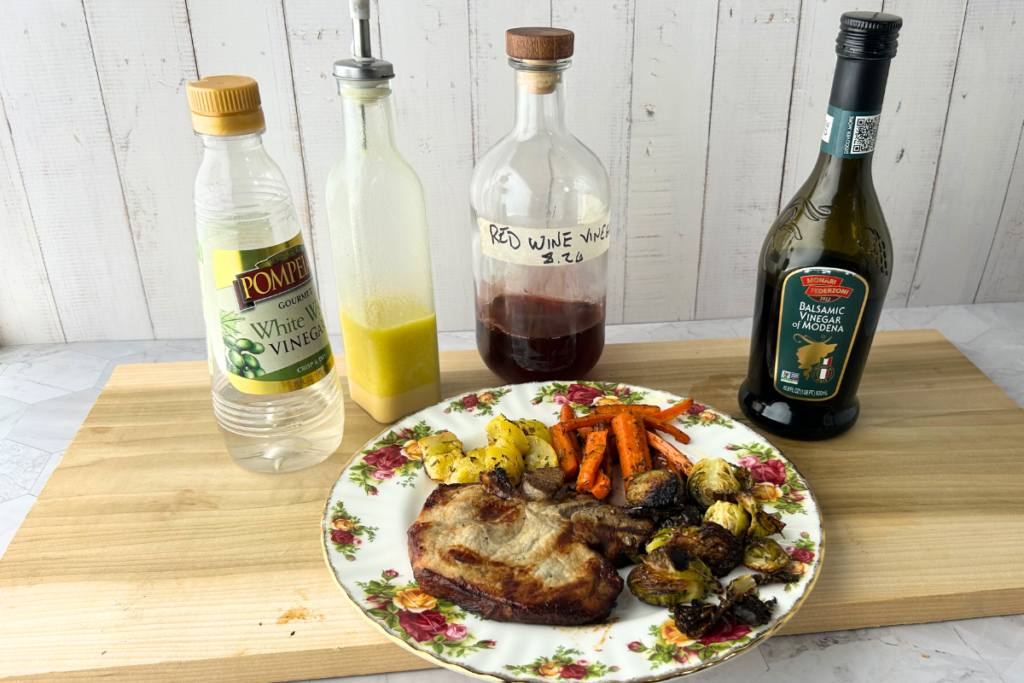
Autumn is the season when I want food to feel cozy, grounding, and maybe just a little bit like it is preparing me of the colder, darker days and nights ahead. I want roasted squash with crisp edges, warm bowls of beans, apples that actually taste like apples, and a big pot of soup, chili, or stew that stretches into more than one meal.
Vinegar is one of my favorite ways to make those fall meals taste brighter. These autumn vinegar health tips are not about harsh shots, detoxes, or miracle claims. They are simple, practical ways that I use vinegar in roasted vegetables, salads, soups, beans, grain bowls, and seasonal drinks.
1. Brighten Roasted Fall Vegetables With Vinegar
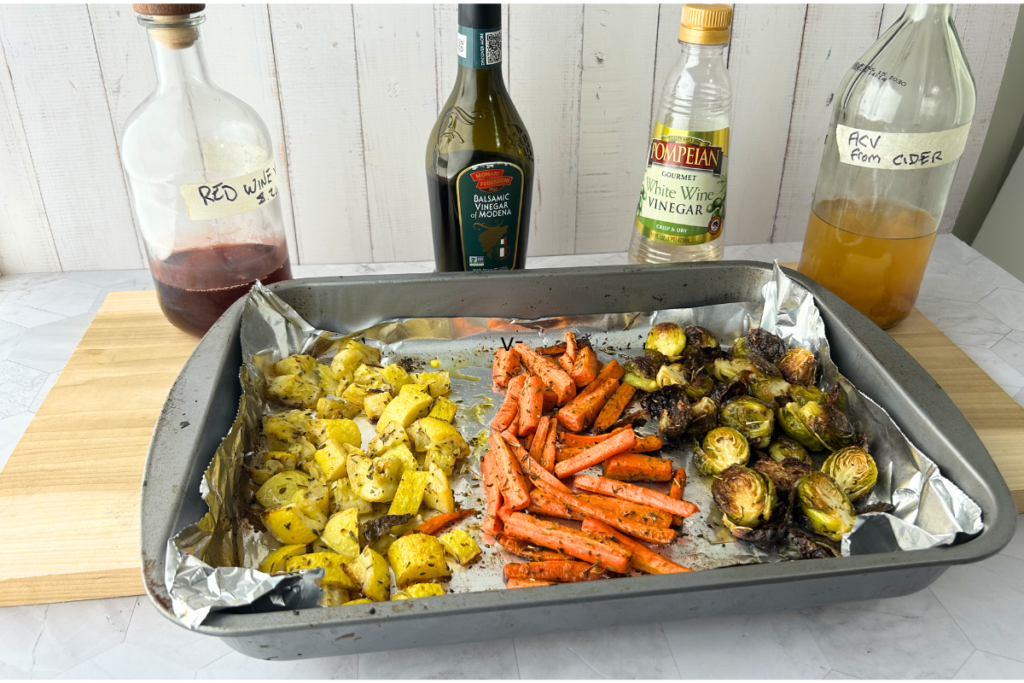
There is nothing wrong with roasting vegetables in olive oil, salt, and pepper. It is a perfectly good way to eat Brussels sprouts, carrots, cauliflower, sweet potatoes, winter squash, and all the other fall vegetables that start piling up in my grocery cart around September.
But sometimes roasted vegetables need a little wake-up call.
That is where vinegar comes in. A small splash added at the end of cooking can cut through the richness of roasted vegetables and make their natural sweetness taste even more interesting. It gives everything contrast, which is one of the easiest ways to make a healthy meal feel less like a healthy meal. I also like a drizzle of vinegar-based oxymel, with its tangy mix of honey and herbs, to add another layer of flavor to roasted vegetables.
Try balsamic vinegar with roasted Brussels sprouts or delicata squash. Use apple cider vinegar with carrots and sweet potatoes. Add red wine vinegar to roasted mushrooms, onions, or cauliflower. A little sherry vinegar is lovely with roasted beets and greens. Sprinkle a thyme oxymel on roasted carrots to bring out the sweetness of the veggie.
You do not need much. Start with a teaspoon or two for a sheet pan of vegetables, toss gently, and taste before adding more.
The autumn vinegar health benefit here is not that vinegar somehow turns a sweet potato into a miracle food. Sweet potatoes were doing just fine on their own. The real win is that vinegar can make vegetables so delicious that you want to keep eating them, and that is a habit worth building.
2. Finish Beans, Lentils, and Grain Bowls With a Splash of Vinegar
Fall is peak soup, stew, chili, grain bowl, and “let me make one large pot of something that will solve dinner for three days” season.
Beans, lentils, whole grains, and vegetables are satisfying, fiber-rich staples that make fall meals feel hearty and complete. But they can also taste a little flat if they are missing that final something.
Very often, that something is vinegar.
A splash of red wine vinegar stirred into lentil soup right before serving can make the whole pot taste more alive. Apple cider vinegar works beautifully in a pot of beans with greens. White wine vinegar is lovely in chicken and vegetable soup. Rice vinegar can brighten a bowl of brown or sticky rice, roasted vegetables, and edamame without making it taste aggressively sour.
I love this autumn vinegar health trick because it does not require adding a complicated sauce or a pile of extra ingredients. You can make a simple, nourishing meal and then give it enough tang and personality that people actually look forward to leftovers.
Vinegar is not replacing fiber here. It is helping you enjoy more foods that naturally contain it.
And as I have said before, vinegar may be a flavorful guest, but fiber is still throwing the party.
3. Build Warm Autumn Salads With a Sharp Homemade Vinaigrette
When the weather cools down, it is easy to forget salads entirely. We start craving warm food, which makes perfect sense, but vegetables do not have to disappear until spring.
The answer is not forcing yourself to eat a bowl of cold lettuce on a rainy day. The answer is making autumn salads that have enough texture, warmth, and flavor to feel like actual food.
Think chopped kale or arugula with roasted squash, apples or pears, toasted pecans, cooked farro, white beans, goat cheese, and a sharp little vinaigrette. Or shredded cabbage with carrots, roasted chicken, pumpkin seeds, and an apple cider vinegar dressing. Or warm roasted beets with lentils, greens, walnuts, and balsamic vinegar.
This is where vinegar really shines. It balances sweet apples, rich cheese, toasted nuts, roasted vegetables, and hearty grains. It turns a collection of good ingredients into something that tastes deliberate.
A Simple Fall Vinaigrette Recipe
- 1 tablespoon apple cider vinegar, red wine vinegar, or balsamic vinegar
- 2 to 3 tablespoons olive oil
- A little Dijon mustard
- A dab of honey or maple syrup, if needed
- Salt and black pepper
Whisk it up, taste it, and adjust it until it makes you want to dip your finger back in for another try. That is always the goal.
4. Use Apple Cider Vinegar for Flavor—Not a Fall Detox
Apple cider vinegar tends to become very popular this time of year, especially when everyone starts talking about getting “back on track” after summer.
I have no issue with apple cider vinegar. It is fruity, pleasantly sharp, and wonderful in dressings, braises, slaws, marinades, and shrubs. But I do think we need to retire the idea that we need to punish ourselves with undiluted shots in order to be healthy.
Your body already has hardworking systems for processing what it does not need. You do not need to chug vinegar to cleanse it, reset it, or convince it that you are serious about autumn.
If you enjoy apple cider vinegar, use it in ways that feel good and taste good. Whisk it into a vinaigrette for cabbage and apple slaw. Add a splash to a pot of braised red cabbage. Stir it into a pan sauce for pork chops or roasted chicken. Use it to for autumn vinegar health to balance a slow-cooked pot of collard greens or black beans.
If you want an apple cider vinegar drink, keep it very diluted and gentle—something like a teaspoon in a full glass of water, tea, or a lightly sweetened shrub. Have it with food, not as a harsh shot on an empty stomach.
You can also extend your fruit vinegar pantry to include more than just apple cider vinegar to add unexpected flavors to sauces and marinades. There are a wide variety of vinegars available commercially through retailers like Lindera Farms or make your own pear, plum, grape, or other vinegars from fruit gathered in early autumn harvests.
And if it causes heartburn, stomach pain, nausea, or throat irritation, that is not your body “detoxing.” That is your body letting you know it does not enjoy this particular experiment for autumn vinegar health.
5. Make Refreshing Fall Vinegar Drinks and Shrubs
As the weather cools, hydration can get a little less obvious. In summer, it is hard to ignore thirst when you are hot and sweaty. In autumn, we are more likely to have coffee, tea, soup, and maybe one glass of water that has been sitting beside us since breakfast.
Fall flavors are especially good for autumn vinegar health: apples, pears, cranberries, plums, grapes, ginger, cinnamon, rosemary, and sage all play beautifully with vinegar.
Try making a simple apple-ginger shrub with chopped apples, sugar or honey, apple cider vinegar, and a few slices of fresh ginger. Let it sit in the refrigerator, strain it, and add a tablespoon or two to sparkling water. Or make a cranberry-orange shrub with red wine vinegar for something that feels festive without needing to be a cocktail.
1. Apple–Ginger–Thyme Shrub
Ingredients
- 1 cup chopped crisp apples, skin on
- 3/4 cup sugar or honey
- 1 tablespoon thinly sliced fresh ginger
- 3 small sprigs fresh thyme
- 1 cup apple cider vinegar
Directions
- Combine apples, sugar, ginger, and thyme in a glass bowl or jar.
- Lightly mash the apples, cover, and refrigerate 8 to 24 hours.
- Stir in the apple cider vinegar. Refrigerate another 12 to 24 hours.
- Strain into a clean jar or bottle and chill.
To serve: Add 1 to 2 tablespoons to a glass of sparkling water over ice. Garnish with an apple slice and thyme sprig.
4. Cranberry–Orange–Cinnamon Shrub
Cranberries have enough tart attitude to make a shrub that needs no help being lively. Orange and cinnamon soften the edges and give you a holiday-adjacent flavor without pushing the whole thing into “December cookie exchange” too soon.
Ingredients
- 1 cup fresh cranberries, lightly crushed
- 1 cup sugar
- Zest of 1 orange, plus 2 tablespoons orange juice
- 1 cinnamon stick
- 1 cup apple cider vinegar
Directions
- Combine cranberries, sugar, orange zest, orange juice, and cinnamon stick in a glass jar.
- Cover and refrigerate overnight, stirring once or twice.
- Add apple cider vinegar, stir, and refrigerate another 12 to 24 hours.
- Strain through a fine-mesh strainer, pressing gently on the berries.
To serve: Add 1 tablespoon to sparkling water and garnish with an orange twist. For a warmer version of this autumn shrub recipe, stir 1 teaspoon into a mug of hot water or herbal t
The point of autumn vinegar health is not to drink vinegar all day long. Your teeth and throat deserve a little peace. The point is to have an interesting, diluted drink that makes you more likely to reach for a glass of something refreshing.
Always keep vinegar drinks well diluted, enjoy them with a metal straw if you sip them regularly, and rinse your mouth with plain water afterward. Little practical details matter.
Vinegar Drink Myth Check: Vinegar drinks can be a refreshing way to add variety to your hydration routine, especially when diluted with water and paired with fruit. But they do not “break down” lactic acid or cure post-workout soreness. The soreness that shows up a day or two after a challenging workout is usually related to the normal muscle-recovery process, not lingering lactic acid. For recovery, focus on fluids, regular meals with carbohydrates and protein, sleep, and giving your body time to adapt. A seasonal shrub or vinegar-infused drink can be a nice way to make hydration feel more appealing.
6. Balance Rich Fall Comfort Food With a Little Tang
Fall comfort food is wonderful. I am not here to tell anyone to replace mashed potatoes with a raw cauliflower smoothie.
But sometimes a meal becomes heavy simply because everything on the plate is soft, rich, creamy, brown, and in need of one tiny bright thing.
Vinegar can be that thing.
- Add a spoonful of cider vinegar to mashed sweet potatoes instead of extra butter.
- Stir champagne vinegar into a creamy squash soup right before serving.
- Splash red wine vinegar into a beef stew after it has simmered.
- Use sherry vinegar in mushroom gravy.
- Add balsamic vinegar to roasted grapes or onions and serve them alongside chicken, pork, or a cheese board.
- When you want brightness but do not have fresh citrus on hand, use a splash of vinegar to add acidity and lift.
That tart note helps make rich food feel more balanced. It can also help you build meals around vegetables, beans, whole grains, and lean proteins without making them taste overly virtuous.
This is one of my favorite ways to think about food and health: not as an endless list of things we should avoid, but as a few smart choices that make ordinary meals more satisfying.
A little vinegar can make a creamy soup taste brighter. It can make a bean dish taste deeper. It can make roasted vegetables feel restaurant-worthy.
That is plenty of magic for one pantry bottle.
7. Use Vinegar in a Way That Is Gentle on Your Body
If there is one autumn vinegar health tip that I wish we could all agree on, it is this: there is no prize for being the person who drinks the most vinegar.
Vinegar is acidic. Some people tolerate it beautifully in food or diluted drinks, while others find that it aggravates reflux, heartburn, stomach discomfort, dental sensitivity, or nausea.
If you have GERD, frequent heartburn, ulcers, gastritis, gastroparesis, chronic kidney disease, low potassium, or take medications that affect blood sugar or potassium, it is especially wise to talk with a healthcare professional before making daily vinegar drinks part of your routine.
And for everyone else, culinary vinegar is still the easiest and most enjoyable way to use it.
Make a bright vinaigrette. Pickle some red onions for sandwiches and grain bowls. Add vinegar to soups and beans. Make a seasonal shrub. Toss roasted vegetables with a little balsamic. Use it as the ingredient that makes your simple dinner taste like you knew exactly what you were doing.
That is a habit for autumn vinegar health that I can get behind.
The Bottom Line: Vinegar Is a Flavor Tool, Not a Cure-All
Vinegar does not need to be a miracle tonic to be useful.
It can help make seasonal produce more delicious. It can brighten beans, soups, grains, and roasted vegetables. It can make a big fall salad feel exciting, turn a simple drink into something special, and bring balance to all the cozy foods we love this time of year.
So rather than reaching for a dramatic vinegar cleanse, try reaching for a bottle when your dinner needs a little lift.
Because the best autumn vinegar health habits are usually not the ones that make you grit your teeth and power through. They are the ones that bring more color, more flavor, more real food, and a little more pleasure to your table.
Autumn Vinegar Health FAQs
Is apple cider vinegar good to drink in the fall?
Apple cider vinegar can be used in a diluted drink, shrub, or tea if you enjoy its flavor, but it is not necessary for good health and is not a detox cure. Keep it well diluted, avoid harsh undiluted shots, and stop if it causes heartburn, stomach discomfort, or throat irritation.
What vinegar is best for roasted fall vegetables?
Balsamic vinegar is delicious with Brussels sprouts, squash, and roasted grapes; apple cider vinegar works especially well with carrots, sweet potatoes, and cabbage; and sherry vinegar is wonderful with beets, mushrooms, and greens. Start with a small splash after roasting, then taste and adjust.
Can vinegar drinks help with muscle soreness after exercise?
No. Vinegar drinks do not break down lactic acid or cure post-workout muscle soreness. A diluted shrub can be a flavorful hydration option, but recovery is better supported by fluids, balanced meals, adequate sleep, and time for the body to recover.