
Vinegar and Gut Health: What Science Actually Says About Digestion and the Microbiome
Curious whether vinegar can help digestion, bloating or gut bacteria? Here’s what the research actually supports, who should be cautious, and gentler food-first ways to enjoy it.
This post contains affiliate links to products and books I genuinely use and love. If you buy through my links, I may earn a small commission as an Amazon Associate or through my affiliation with other retailers from qualifying purchases that you make at no extra cost to you.
Please note: Vinegar may be a useful culinary ingredient, but it is not a cure for bloating, reflux, low stomach acid, or an unhealthy microbiome. If you experience serious systems resulting from a reaction to vinegar, consult a physician before ingesting or drinking any vinegar.
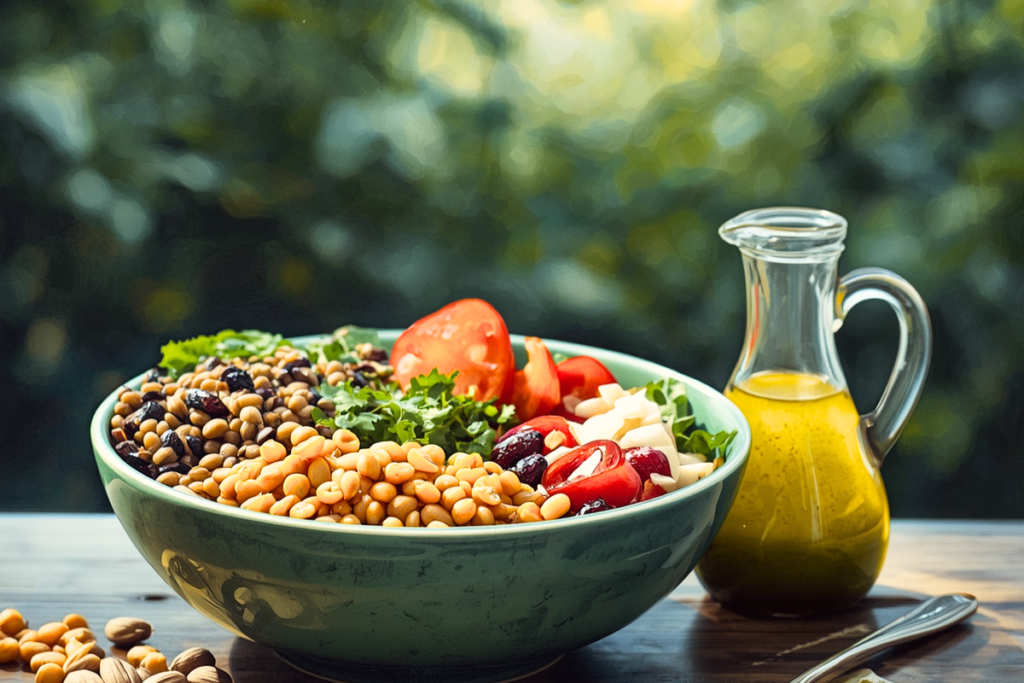
Vinegar has been enjoying a long moment in the wellness spotlight for vinegar and gut health benefits, but that spotlight may be casting a bit too wide of a beam. It seems that good old vinegar is getting credit for everything from flattening a bloated belly to “fixing” low stomach acid, feeding good gut bacteria, and helping with weight loss. It all seems too good to true. It is, kinda.
All those wondrous benefits are a lot to ask from one tart pantry ingredient, and honestly some of the claims about vinegar and gut health are just a bit too, well, let me generously say ‘hopeful’. To be on the safe side, you should treat most claims about vinegar with skepticism until you’ve had a chance to really dig into the facts.
I’m not saying there aren’t ways that vinegar can improve gut health. I love vinegar and there are so many ways to add it to my diet. I enjoy it in a bright salad dressing, splashed into beans at the end of cooking, stirred into a shrub, and turn to vinegar, particularly red wine vinegar or balsamic vinegar, to make a pan sauce taste like I knew exactly what I was doing.
But I also think we need to keep the conversation about vinegar and gut health grounded. Vinegar may be a useful supporting player for some people, but it is not a gut-health cure, a replacement for fiber-rich food, or an excuse to take harsh shots of acid on an empty stomach.
So, let’s look past the usual weight-loss promises and talk honestly about vinegar and gut health and its effect on digestion, bloating, stomach acid, microbes, and provide some guidance to the people for whom vinegar may be more trouble than it is worth.
What Role Does Vinegar Actually Play in Gut Health?
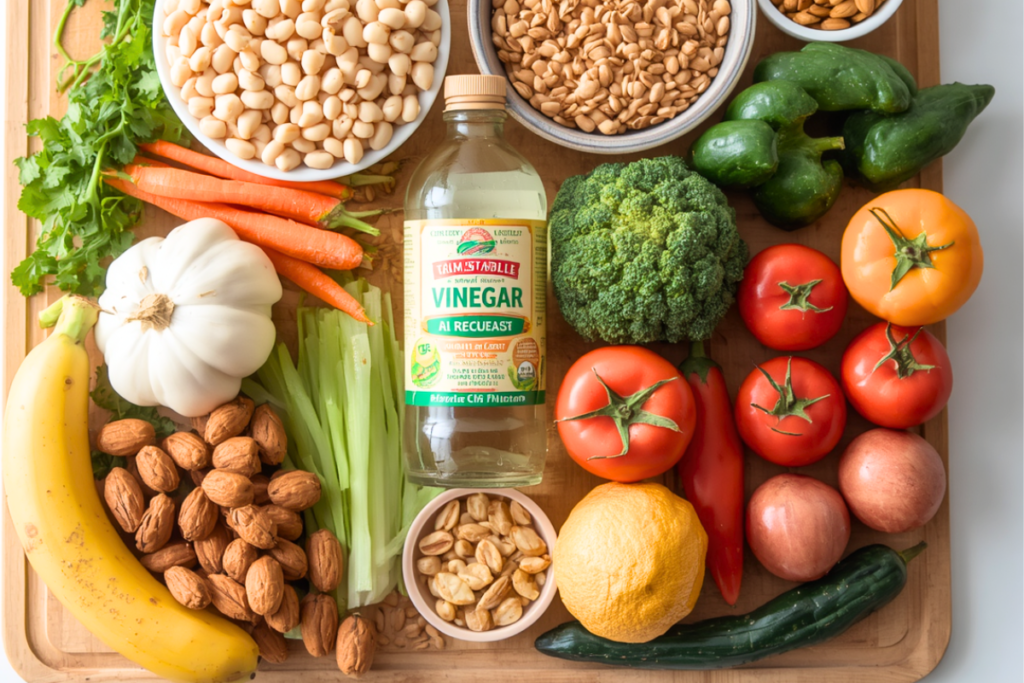
“Gut health” is one of those phrases that gets thrown around so much these days it can start to mean everything. In real life, it usually involves a few connected things:
- How comfortably you digest food.
- How regularly your bowels move.
- Whether you deal with bloating, reflux, nausea, pain, or unpredictable bathroom drama.
- The enormous community of bacteria and other microbes living in the digestive tract commonly known as your gut microbiome.
- The gut barrier and immune activity that help your digestive system do its work.
Vinegar contains acetic acid, the compound responsible for its tartness. Acetic acid is also a short-chain fatty acid, a family of compounds that gut microbes naturally produce when they ferment dietary fiber in the colon. That connection is part of why vinegar gets so much attention in microbiome conversations about vinegar and gut health. But there is a distinction between drinking or eating vinegar and gut health and feeding your microbiome the fiber it needs to make its own helpful short-chain fatty acids. Beans, whole grains, vegetables, fruits, nuts, seeds, and other fiber-rich foods remain the heavy lifters in a gut-friendly diet.
Vinegar may be a flavorful guest, but fiber is throwing the party.
Who Should Avoid Vinegar for Gut Health?

This is the section I wish more vinegar articles about vinegar and gut health would put in large, friendly letters instead of burying near the bottom.
You may want to avoid vinegar drinks, or at least talk with a healthcare professional first about vinegar and gut health, if you have:
- GERD, frequent heartburn, or esophagitis. Acidic foods and drinks commonly worsen reflux symptoms, and there is no strong evidence that ACV treats GERD.
- An ulcer, gastritis, or a very sensitive stomach. Vinegar does not cause ulcers, but it may make existing irritation feel worse.
- Gastroparesis or slow stomach emptying. Vinegar may delay gastric emptying further.
- Chronic kidney disease or a history of low potassium. Large or frequent doses are not a casual wellness habit in these situations.
- Diabetes medications, diuretics, digoxin, insulin, or other complex medication regimens. Vinegar may affect blood sugar and potassium, so a doctor or pharmacist should weigh in before daily use.
- Tooth enamel erosion or significant dental sensitivity. Acidic drinks can make a painful problem worse.
And if you have unexplained digestive pain, vomiting, blood in stool, ongoing diarrhea, unintentional weight loss, difficulty swallowing, or persistent bloating that is changing your quality of life, skip the vinegar and gut health experiment and get medical guidance.
What Science Says About Vinegar and Gut Health, the Gut Microbiome and Digestion
There is interesting research around acetic acid, fermented foods, gut microbes, and vinegar and gut health. Some animal studies and early human research suggest that vinegar consumption may influence the gut microbiome and metabolites, which are the small compounds microbes make as they interact with our food and bodies. That is promising news about vinegar and gut health, but it is not the same as proof that a daily tablespoon of apple cider vinegar will rebuild your microbiome or cure digestive symptoms.
One tricky piece of the marketing around raw apple cider vinegar and gut health is the word “mother.” The cloudy strands and sediment in unfiltered vinegar are often treated like a probiotic superhero cape. They are certainly part of the vinegar-making story, but there is not strong evidence showing that drinking raw ACV reliably delivers enough living microbes to transform a person’s gut microbiome. Cleveland Clinic notes that claims about ACV acting as a probiotic and introducing “good” bacteria to the gut are not well supported by solid science.
That does not make raw vinegar bad. It just means we do not need to turn it into a tiny bottle of magical fermented microbiome fairy dust and expect miracles between vinegar and gut health.
The most honest takeaway about vinegar and gut health is this: vinegar may have microbiome-related effects worth studying, especially through acetic acid and plant compounds in wine- or fruit-based vinegars. But direct, large-scale human evidence is still limited. A gut-supportive routine should start with varied plant foods, adequate fluids, movement, sleep, and medical care for persistent symptoms and not a daily vinegar challenge.
Can Vinegar Help Digestion, Bloating or Stomach Acid?
This is where things get personal when it comes to vinegar and gut health. Some people feel that a small amount of vinegar with food helps them feel less heavy after a meal. Others experience immediate heartburn, queasiness, or a sour stomach. Both responses are possible and it’s up to each individual to determine a safe amount of vinegar to enjoy each day, or whether vinegar is a good choice at all.
Vinegar is acidic. It does not “balance” your stomach by making it more alkaline, and it does not correct every digestive problem by adding more acid. In fact, most people with acid reflux do not need a kitchen chemistry experiment; they need to avoid things that aggravate their symptoms.
There is also a wrinkle involving stomach emptying and the speed at which food leaves the stomach and moves into the small intestine. Research in people with type 1 diabetes and diabetic gastroparesis found that apple cider vinegar slowed gastric emptying even further. That might sound like a weight-loss advantage in an internet headline, but for someone with slow digestion, nausea, early fullness, vomiting, or gastroparesis, slower emptying is not a party trick. It can make symptoms worse.
For ordinary, occasional post-meal bloating, vinegar is not a guaranteed answer either. Bloating can come from eating quickly, constipation, carbonated drinks, food intolerances, IBS, hormonal changes, certain medications, or just a very enthusiastic bowl of beans. If you want to see whether vinegar agrees with you, try it gently as part of a meal first as part of a salad dressing or ingredient in a sauce and not as a straight shot. Go slow and and pay attention to what your own body says about vinegar and gut health.
If it burns, cramps, or increases bloating, that is not your body “detoxing.” That is useful information. Stop.
Can Vinegar Help with Post-Meal Blood Sugar?
This is one area where vinegar and gut health has some of the more credible research interest. Several studies and reviews suggest that vinegar or acetic acid taken with carbohydrate-containing meals may modestly reduce post-meal blood sugar rises in some people. Researchers are still working out the exact mechanisms occuring with vinegar and gut health, which may include effects on digestion, glucose metabolism, and possibly the gut microbiome.
That said, “may modestly help” is a long way from “replace your diabetes care plan.” If you take insulin or other glucose-lowering medications, vinegar can complicate the picture by contributing to low blood sugar in some circumstances. This is exactly the kind of situation where a clinician or registered dietitian should be part of the conversation.
My favorite way to keep vinegar and gut health in perspective is simple: use vinegar to make real food more enjoyable. A sharp vinaigrette may make you want to eat more vegetables. Red wine vinegar can wake up lentils, beans, and roasted mushrooms. Rice vinegar makes a crunchy vegetable salad more exciting. Think flavor enhancement first and have fun exploring all the wonderful vinegars used in cuisine around the world. That’s a very good reasons to use it, whether or not it ever earns a “metabolic miracle” headline.
Best Vinegars for Gut-Friendly Cooking: ACV, Red Wine, Rice and Balsamic

All culinary vinegars share acidity, but their flavors make them useful in different ways.
Vinegar
Flavor personality
| Gentle food-first use |
Apple cider vinegar
Fruity, rounded, slightly funkyavor personality
| Whisk into dressings, add a teaspoon to a large mug of warm water only if tolerated |
Red wine vinegar
Deep, savory, grapey
| Finish beans, greens, mushrooms, lentils, and Mediterranean-style salads |
White wine vinegar
Bright and clean
| Make lighter vinaigrettes for fish, chicken, or crisp vegetables |
Rice vinegar
Mild, slightly sweet
| Use in cucumber salads, grain bowls, slaws, and sushi-style rice |
Balsamic Vinegar
Sweet, rich, concentrated
| Drizzle modestly over roasted vegetables, berries, or cheese; think condiment, not health drink |
Building a Gentle Daily Vinegar and Gut Health Ritual: Food-First Ideas and Safe Habits
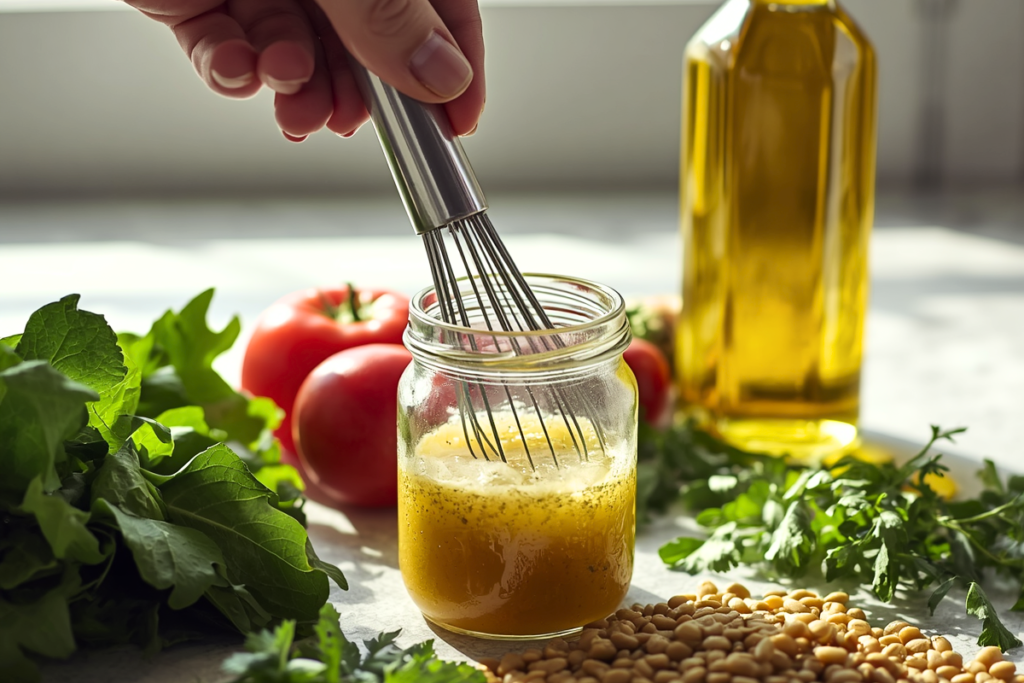
If your stomach is healthy, you enjoy vinegar, and you want to include it as part of a gut-conscious routine, keep it culinary and modest.
- Start with 1 teaspoon in a full glass of water, herbal tea, or a food-based drink—not a shot.
- Have it with a meal, especially one with fiber, protein, and healthy fats.
- Use vinaigrettes, shrubs, marinades, and finishing splashes of oxymels more often than “wellness drinks.”
- Rinse your mouth with plain water afterward if you drink acidic beverages, but wait an hour or two before brushing because vinegar can temporarily soften tooth enamel.
- Do not sip vinegar water all day long. Your teeth and throat deserve better than that. Also, always use a straw, preferably a metal straw, to protect teeth.

Here is a simple, practical example to include vinegar and gut health into your diet: whisk 1 tablespoon red wine vinegar with 2 tablespoons olive oil, a dab of mustard, herbs, salt, and pepper. Toss it with lentils, chopped vegetables, greens, and a handful of nuts or seeds. You have a delicious meal built around plant diversity, fiber, and satisfying texture with vinegar doing what it does best: making everything taste more alive.
The Bottom Line: Vinegar Is a Flavorful Helper, Not a Gut-Health Cure
Vinegar has an interesting place in the gut-health conversation, but it is not a miracle cure for bloating, poor digestion, or an unhappy microbiome. The research around acetic acid, metabolic health, and microbes is worth watching, but the direct evidence in humans is still developing.
Use vinegar for gut health and also make vegetables, beans, grains, salads, and simple meals more exciting. Keep drinks well diluted, stop if your body objects, and give reflux, ulcers, slow digestion, and medication interactions the respect they deserve.
Because the healthiest vinegar habit is not the one that makes you grit your teeth through a morning shot. It is the one that brings more flavor, more real food, and a little more joy to the table.
Frequently Asked Questions about Vinegar and Gut Health
Can apple cider vinegar improve gut health or rebuild the gut microbiome?
Apple cider vinegar may have interesting effects worth studying, but there is not strong evidence that a daily tablespoon will rebuild your microbiome or cure digestive symptoms. The most reliable foundation for gut health is still a varied, fiber-rich diet of beans, whole grains, vegetables, fruit, nuts, and seeds. Vinegar can be the flavorful guest at that meal—not the whole party.
Can vinegar help with bloating, indigestion, or low stomach acid?
It depends on the person, and vinegar is not a universal answer. Some people enjoy a small amount with food, while others notice heartburn, nausea, cramps, or more bloating. Vinegar does not “alkalize” the stomach or fix every digestion problem. Try it first in a dressing, sauce, shrub, or other meal-based recipe—not as a straight shot—and stop if symptoms worsen.
Who should avoid drinking vinegar for gut health?
People with GERD or frequent heartburn, ulcers, gastritis, gastroparesis, chronic kidney disease, low potassium, enamel erosion, or significant dental sensitivity should be cautious and speak with a healthcare professional before trying daily vinegar drinks. The same goes for anyone taking insulin, diabetes medications, diuretics, digoxin, or other medicines that affect blood sugar or potassium.