
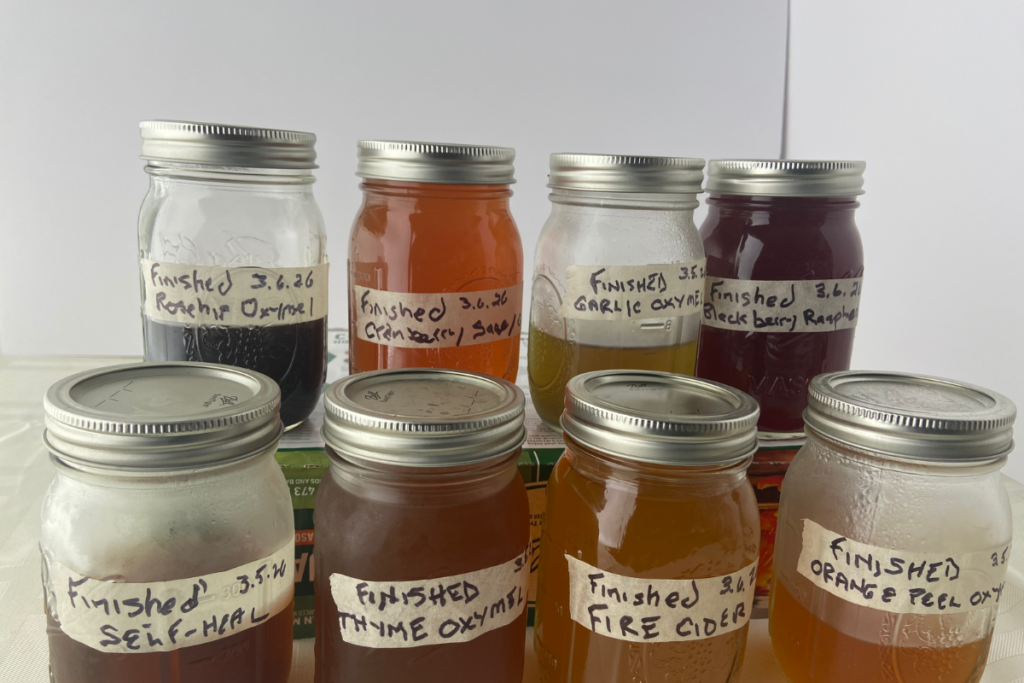
Vinegar is one of the most versatile tools in a natural home, but I know that using it effectively for health, cleaning, and cooking can feel like a bit of a science project. To help you find exactly what you need without the clutter, I’ve organized my most-asked questions into the categories below. Simply click a topic to expand the answer. If you can’t find what you’re looking for, feel free to reach out—I’m always adding new insights to this growing library.
General Vinegar FAQs
Humans have likely used vinegar for more than 10,000 years, although the exact date cannot be established. The earliest clear records and archaeological evidence are thousands of years old. Evidence and historical references indicate that vinegar was used in ancient Egypt and Mesopotamia thousands of years ago.
The mother in apple cider vinegar is a cloudy, stringy, or gelatinous collection of fermentation-related material. It may contain cellulose, acetic-acid bacteria, yeasts, and other compounds formed during vinegar production. It is most common in raw or unfiltered vinegar.
The mother is not required for vinegar to work, and its presence does not automatically make apple cider vinegar more nutritious, more acidic, or more effective. Filtered vinegar can be used in cooking and recipes as well. Do not confuse a normal mother with fuzzy mold, a rotten odor, bubbling, pressure, or sliminess. When in doubt, discard the vinegar.
You can make a quick buttermilk substitute by combining 1 tablespoon of white vinegar with 1 cup of milk.
Stir the vinegar into the milk and let it stand for 5 to 10 minutes. The milk may look slightly thickened or curdled. This is normal and means the acid has begun to react with the milk.
Use the mixture in baking recipes that call for buttermilk, such as pancakes, biscuits, muffins, cakes, and quick breads. It may not have exactly the same flavor or thickness as cultured buttermilk, but it can provide the acidity needed to help activate baking soda. For more on preparation and uses.
Vinegar may affect blood glucose after some carbohydrate-containing meals, but its effect is usually modest, varies from person to person, and should not be confused with diabetes treatment. Small clinical studies and reviews have reported possible reductions in post-meal glucose or insulin responses, but the research is not strong enough to recommend vinegar as a replacement for prescribed medication, glucose monitoring, or an individualized diabetes plan. Learn more about vinegar and blood sugar maintenance.
Do not drink vinegar straight. Undiluted vinegar is acidic and may irritate the mouth, throat, and stomach. Frequent exposure can also contribute to dental erosion, especially when vinegar is held in the mouth, swished around the teeth, or sipped slowly throughout the day.
If you choose to consume a vinegar beverage, dilute a small amount of food-grade vinegar in a full glass of water or another suitable drink. Do not treat diluted vinegar as completely risk-free or as a proven remedy for weight loss, reflux, diabetes, infections, or other health conditions. Rinse with water afterward and avoid brushing immediately.
Red wine vinegar vs. balsamic vinegar – what’s the difference? Red wine vinegar is made from red wine and usually has a thin texture, sharp acidity, and savory flavor. Balsamic vinegar is made from grape-based ingredients and is generally darker, fruitier, and sweeter, although its texture and flavor vary by product. Red wine vinegar works well in vinaigrettes, marinades, beans, sauces, and savory dishes. Balsamic vinegar is commonly used in dressings, roasted vegetables, tomatoes, fruit, cheese, sauces, and finishing applications.
You can sometimes substitute one for the other, but the result will change. Red wine vinegar makes a dish sharper and less sweet, while balsamic vinegar adds more fruitiness, color, and sweetness.
Cloudy vinegar usually contains natural sediment, suspended fermentation material, or the “mother” of vinegar. Clear vinegar has generally been filtered or clarified, and some commercial vinegars are also pasteurized to help prevent additional mother from forming.
The vinegar mother is a cellulose-rich material produced during vinegar fermentation; it may contain acetic-acid bacteria, but it is not simply “the bacteria.” Cloudy vinegar is not automatically spoiled, and clear vinegar is not automatically better.
Do not use vinegar with visible mold, a foul odor, damaged packaging, or other unexpected signs of contamination.
A diluted vinegar rinse may help reduce some surface microorganisms on berries, but it does not guarantee that berries will stay mold-free or prevent spoilage. Careful inspection, thorough drying, refrigeration, and removing damaged berries are also important. For more.
You do not usually need to shake clear, filtered vinegar. However, raw or unfiltered vinegar may contain sediment or “the mother,” which can settle at the bottom. You may gently swirl or shake the bottle if you want to distribute it throughout the vinegar.
Shaking is optional and does not make vinegar stronger or prove that it has additional health benefits. If the vinegar has an unusual foul odor, visible mold, damaged packaging, or other unexpected changes, do not use it.
Distilled white vinegar and fermented vinegars differ mainly in their starting materials, processing, and flavor. Distilled white vinegar is usually made from a distilled alcohol base and is commonly clear, sharp, and relatively neutral. Fermented vinegars such as apple cider, wine, rice, malt, and balsamic vinegar begin with recognizable fruits, grains, or alcoholic beverages and may retain more of their original character.
However, both types types of vinegar involve fermentation. “Distilled” does not mean that the vinegar was made without fermentation; it generally refers to the alcohol base or processing used to produce a clear, neutral vinegar.
Choose distilled white vinegar when you want clean acidity with little color or flavor. Choose a fermented vinegar when you want the fruit, wine, grain, or malt character to contribute to the recipe. Always check the label and acidity before using vinegar for pickling, canning, cleaning, or drinking.
Commercial raw vinegar usually remains usable for many years because its acidity makes it resistant to ordinary spoilage. It may develop sediment, cloudiness, darker color, or a gelatinous “vinegar mother” as it ages, and these changes are often normal.
Discard raw vinegar if it develops fuzzy mold, a rotten or unusual odor, ongoing bubbling, pressure, sliminess, contamination, or a damaged container. Plain commercial vinegar usually does not need refrigeration, but homemade vinegar and fresh-ingredient infusions require more caution. Do not use old or homemade vinegar of unknown acidity for shelf-stable canning or pickling.
Yes, vinegar acidity matters. The percentage usually refers to the amount of acetic acid in the product. A higher percentage generally means a sharper, more concentrated vinegar, but it can also increase the risk of irritation or surface damage.
Many food vinegars are 5% acidity, and numerous tested pickling recipes specify vinegar of at least 5%. However, 5% is not a universal safety standard for every use. For canning, follow the exact tested recipe. For cleaning or gardening with vinegar, use the product according to its label and never substitute cleaning or horticultural vinegar for food vinegar.
Acidity percentage is not the same as pH. Choose vinegar based on the recipe, material, or application—not simply on the highest number on the bottle.
Vinegar Beverage FAQs
A vinegar shrub, also called a drinking vinegar, is a sweet-and-sour syrup made from fruit, sugar, and vinegar. The fruit adds flavor, the sugar balances the vinegar’s acidity, and the vinegar gives the mixture its bright, tart character.
Shrubs have historical connections to fruit preservation and are now commonly used in sparkling water, mocktails, cocktails, salad dressings, marinades, sauces, and glazes. Start with a small amount because shrubs are concentrated.
Homemade shrubs containing fresh fruit should be prepared with clean equipment, stored in a sealed container in the refrigerator, and discarded if they develop mold, bubbling, sliminess, an unusual odor, or other unexpected changes. A shrub is a flavorful acidic ingredient—not a proven detox, energy, or medical remedy.
Absolutely. Vinegar can be used in cocktails and mocktails, especially in shrubs. A shrub combines fruit, sugar, and vinegar to create a sweet-and-sour concentrate that can be mixed with sparkling water, juice, spirits, or ice.
Apple cider vinegar, rice vinegar, white wine vinegar, and mild balsamic vinegar can work well, depending on the other ingredients. Start with a small amount—about ¼ to ½ teaspoon in an individual drink—and add more gradually.
Use only food-grade vinegar. Do not use cleaning vinegar, horticultural vinegar, industrial vinegar, or any product not labeled for food use. Homemade shrubs should be refrigerated, and vinegar should not be presented as a detox, hangover cure, or other medical treatment.
No. For the majority of vinegar-enhanced beverages and food recipes, the “Mother” (the probiotic bacteria) is not necessary for the beverage to taste terrific or for the recipe to succeed. However, you may want to use “Raw/With the Mother” vinegar for tonics, oxymels, shrubs, and switzels, salad dressings, or finishing drizzles to benefit from the nutrients living in the “Mother”. Use the cheaper, filtered vinegar for baking, boiling, or marinades.
Often called “Haymaker’s Punch,” a Switchel is a traditional, vinegar-based hydration drink that dates back to the 17th century. It was historically served to farmers during the heat of the harvest because of its ability to quench thirst and restore electrolytes more effectively than plain water.
A classic Switchel is made with four primary ingredients: water, apple cider vinegar, ginger, and a natural sweetener (usually molasses, maple syrup, or honey). Unlike a “Shrub,” which is a fruit-infused vinegar syrup, a Switchel is typically less sweet and more focused on the spicy “kick” of fresh ginger and the probiotic benefits of the vinegar. It’s essentially the original, non-toxic “sports drink” for gut health and hydration!
Fire cider is a spicy vinegar infusion commonly made with apple cider vinegar, garlic, ginger, onion, horseradish, hot peppers, and sometimes honey. Originally developed by Rosemary Gladstar and her students at the California School of Herbal Studies in the 1970s based on generations of herbal vinegar traditions and creativity.
Fire Cider is often promoted as a natural immune booster and cold remedy. However, it has not been well studied, and there is not enough evidence to say that it prevents colds, cures infections, boosts immunity, or causes meaningful weight loss. Its spicy ingredients may briefly make the nose run, but the mixture can also worsen reflux, indigestion, mouth irritation, or tooth erosion.
Fire cider can be used as a flavorful vinegar in dressings, sauces, marinades, soups, and drinks. Homemade versions require careful food-safety practices because adding fresh produce can alter the mixture and introduce contamination risks. Refrigerate after opening and discard it if mold, bubbling, sliminess, or an unusual odor appears.
An oxymel is a traditional herbal preparation made by combining apple cider vinegar and raw honey. The word comes from the Greek oxymeli, which literally translates to “acid and honey.” This combination has been used since ancient times—notably by Hippocrates—as a base for extracting and delivering the benefits of various herbs.
While the vinegar extracts the mineral and plant-based properties of the herbs, the honey serves to balance the acidity and soothe the throat. One of the most famous modern oxymels is Fire Cider, which uses pungent ingredients like horseradish, ginger, and garlic to support the immune system. Because they are shelf-stable and easy to make at home, oxymels are a staple for anyone interested in ancestral health and natural remedies.
A shrub and an oxymel are both sweet-and-sour vinegar preparations, but they usually serve different purposes. A shrub is generally a fruit-forward concentrate made with fruit, sugar or honey, and vinegar. It is commonly diluted into sparkling water or used in cocktails, mocktails, dressings, and sauces.
An oxymel is generally made with vinegar and honey and may contain herbs, spices, fruit, garlic, ginger, or other botanicals. It is often associated with traditional herbal preparations, but it should not automatically be considered a medicine or proven health remedy.
Yes, dried herbs can be used instead of fresh herbs in vinegar beverage infusions. Because dried herbs are more concentrated, begin with about one-quarter to one-third as much as you would use fresh. For example, if a vinegar shrub recipe calls for 3 tablespoons of fresh herbs, start with about 1 tablespoon of dried herbs and adjust gradually.
Dried herbs may produce a deeper or earthier flavor, while fresh herbs usually provide a brighter, greener character. Use a food-grade vinegar, steep the infusion until the flavor develops, strain out the herbs, and store the finished vinegar in a clean, sealed container. Refrigerate after opening and discard it if mold, bubbling, sliminess, cloudiness, or an unusual odor appears. Lower moisture does not make every homemade infusion shelf-stable.
Homemade oxymels should generally be refrigerated, especially after opening or when they contain fresh herbs, fruit, garlic, ginger, peppers, or other moist ingredients. Vinegar and honey may help limit microbial growth, but they do not automatically make every oxymel shelf-stable.
Store the oxymel in a clean, tightly sealed, food-safe container. Strain out solid ingredients when the flavor is developed, label the container with the preparation date, and keep it refrigerated. Discard the oxymel if it develops mold, bubbling, pressure, sliminess, unusual cloudiness, or an unpleasant odor. Do not taste a questionable mixture.
There is no universally established daily dose of oxymel, and daily use is not necessary or appropriate for everyone. Oxymel is usually made with acidic vinegar and honey, sometimes with herbs, spices, fruit, garlic, or ginger. Frequent use may irritate the mouth, teeth, stomach, or throat and may worsen reflux in some people.
If a healthy adult chooses to consume oxymel, use a small amount diluted in water or another suitable beverage, avoid drinking it straight, and do not sip it throughout the day. People with reflux, diabetes, dental erosion, swallowing problems, allergies, regular medications, or pregnancy should seek professional advice before using it routinely.
Never give honey-containing oxymel to children under 12 months. Refrigerate homemade oxymels and discard them if they develop mold, bubbling, pressure, sliminess, or an unusual odor.
Yes, store-bought white vinegar can be used in an oxymel if it is labeled for food use. It does not need to be raw, organic, unfiltered, or contain the mother. However, distilled white vinegar has a sharper, more neutral flavor than apple cider vinegar, so the finished oxymel may taste more intense.
Use plain food-grade vinegar only. Never use cleaning vinegar, horticultural vinegar, industrial vinegar, or concentrated acetic acid in an oxymel. If the mixture contains fresh herbs, fruit, garlic, ginger, or other moist ingredients, use clean equipment, strain the solids, refrigerate the finished product, and discard it if mold, bubbling, sliminess, pressure, or an unusual odor develops.
A 1:1 ratio of honey to vinegar by volume is a practical starting point for an oxymel, but it is not a universally perfect formula. Equal parts create a balanced sweet-and-sour mixture. Use more honey for a thicker, sweeter oxymel and more vinegar for a sharper, thinner preparation.
The best ratio depends on the vinegar, honey, herbs, spices, fresh fruit, and intended use. Raw honey and vinegar with the mother are optional; food-grade ingredients are what matter most.
Homemade oxymels containing fresh ingredients should be refrigerated. Vinegar and honey do not automatically make every oxymel shelf-stable. Use a clean, sealed container and discard the mixture if it develops mold, bubbling, pressure, sliminess, or an unusual odor.
Vinegar Recipes and Cooking FAQs
If a recipe calls for buttermilk and you have none, you can “sour” regular milk. Add 1 tablespoon of white vinegar to 1 cup of milk. Let it sit for 5–10 minutes until it slightly curdles and thickens. This works with plant-based milks (like soy or almond) too!
Vinegar can help contribute flavor and surface tenderness in some marinades, but it is not a universal meat tenderizer. Vinegar’s acidity affects the outer layers of the meat, while the final tenderness depends on the cut, marinade ingredients, marinating time, and cooking method. Used too heavily or for too long, vinegar can make the surface unpleasantly soft or stringy.
Vinegar cannot remove salt from food, but a small amount may help balance the flavor of a dish that is slightly too salty. Add about ¼ teaspoon at a time, stir, and taste before adding more. Choose a vinegar that complements the recipe.
If the dish is very salty, dilution or adding more unsalted ingredients is usually more effective. Add unsalted vegetables, beans, grains, pasta, meat, or sauce ingredients, or use unsalted water or stock to dilute soups and sauces. Vinegar changes the flavor balance, but it does not reduce the amount of sodium in the dish.
No. Vinegar does not need to contain the mother to work in recipes. The vinegar mother is a cellulose-rich material formed during vinegar fermentation and may contain acetic-acid bacteria, but it is not required for vinegar to provide acidity, flavor, or its normal cooking functions.
Filtered vinegar works well in baking, marinades, salad dressings, sauces, and most other recipes. Choose vinegar based on its type, flavor, acidity, and color—not simply on whether the mother is visible.
You may gently shake unfiltered vinegar to redistribute sediment, leave it at the bottom, or strain it out. The mother does not automatically make vinegar stronger, more effective, or healthier.
A small amount of vinegar can affect dough chemistry, but it does not automatically stop gluten from forming. In pie dough, the amount of vinegar commonly used may have a limited effect on gluten development; the larger practical benefits may include adding acidity, slightly changing dough handling, reducing oxidation, and contributing a subtle flavor. Vinegar is not a magic ingredient, and adding more will not necessarily make a crust flakier or bread better.
Adding a small amount of vinegar to the water when boiling eggs may help the egg white set if a shell cracks, reducing the amount that leaks into the water. However, vinegar does not reliably prevent cracking or make boiled eggs easier to peel.
For easier peeling, use eggs that are not extremely fresh, cook them gently, cool them promptly in cold water, and peel them under running water. Vinegar is optional; if you use it, choose plain food-grade white vinegar and add only a small amount.
The best substitute for apple cider vinegar depends on the recipe. Rice vinegar is a good mild substitute for dressings, sauces, marinades, and stir-fries. White vinegar works when the recipe mainly needs acidity, while lemon juice can work when a fresh citrus flavor fits.
White wine vinegar, red wine vinegar, and balsamic vinegar may also work, but each changes the flavor in a different way. For baking, choose an acidic substitute that will work with the recipe’s baking soda. For pickling or canning, follow a tested recipe and do not substitute vinegar of unknown or lower acidity.
Use only food-grade vinegar. Cleaning vinegar, horticultural vinegar, and industrial vinegar should never be used in food or drinks.
The best substitute for white wine vinegar depends on the recipe. Rice vinegar is usually the best mild substitute for dressings, sauces, vegetables, and marinades. Apple cider vinegar works when a fruitier, more noticeable flavor is acceptable. Champagne vinegar is a good choice for delicate recipes, while distilled white vinegar works when the recipe mainly needs acidity.
Lemon juice can also work when a citrus flavor fits, but it is not identical to vinegar. For pickling or canning, follow a tested recipe and do not substitute vinegar, wine, or lemon juice casually.
Other Quick Swaps:
White Wine Vinegar: Great for salad dressings and sauces.
Lemon Juice: Best for baking or when you need a fresh, bright zing.
Distilled White Vinegar: Use only if diluted with a pinch of sugar, as it is much harsher than ACV.
For a complete guide on how to swap vinegars in specific recipes, [click here to read our full Vinegar Substitution Guide.
Vinegar Cleaning FAQs
It depends on the finish. It is generally best not to use vinegar as a routine cleaner on hardwood floors. Vinegar’s acidity may dull or damage certain finishes over time, especially waxed or sensitive surfaces. It can also leave floors cloudy or streaky. Instead, follow the flooring manufacturer’s cleaning instructions and use a product made for your specific type of finished hardwood floor. Remove dust with a dry microfiber mop or vacuum, use minimal moisture, and wipe up spills promptly. Never allow water or cleaning solution to sit on the floor.
Generally, no. Do not put vinegar in your steam mop’s water tank unless the manufacturer specifically says it is safe. Many steam mops are designed to use water only, and vinegar or other solutions may damage the tank, seals, or internal components.
Check the manual for your exact model. Some manufacturers may permit vinegar on a specific removable mop-head component to clear a clog, but that does not mean vinegar should be run through the machine. Use only the cleaning and descaling method approved for your steam mop.
Vinegar can be safe for descaling some coffee makers, but it is not suitable for every model. Check the manufacturer’s instructions before using it, especially with pod brewers, espresso machines, and fully automatic coffee machines.
If vinegar is approved, use plain white vinegar as directed, run the cleaning or brew cycle, and rinse the machine thoroughly with fresh water. Several water-only cycles may be needed to remove the vinegar smell and taste.
Vinegar helps with mineral scale, but it does not replace washing the carafe, filter basket, brew basket, or other removable parts. Never mix vinegar with bleach or other cleaning products.
It is not generally recommended to use vinegar in every load of laundry. Vinegar may help with certain residue or odor problems, but it does not replace laundry detergent, and repeated use may affect some washing-machine components or fabrics.
Check your washer’s manual and clothing-care labels before using vinegar. For routine washing, use a detergent designed for your machine and garments. If vinegar is approved for a specific treatment, use it as directed and rinse the item thoroughly.
Never mix vinegar with chlorine bleach, because the combination can release dangerous chlorine gas.
Vinegar can burn or damage some young weeds, but ordinary household vinegar is not a guaranteed permanent weed killer. Vinegar works as a non-selective contact treatment, so it can injure any green plant it touches. Established perennial weeds may regrow because their roots remain alive.
Vinegar is especially risky to use in garden beds because spray or runoff can damage vegetables, flowers, grass, and other desirable plants. It may be more practical for isolated weeds in driveway or sidewalk cracks, but avoid nearby plants, storm drains, and waterways.
Strong horticultural vinegar is much more caustic than household vinegar and should be treated as a labeled pesticide product. Do not add salt, and never mix vinegar with bleach or other cleaners.
Vinegar may be safe for occasional cleaning of some dishwashers, but it should not be used in every cycle or as a substitute for detergent or rinse aid. Check the manual for your exact model first.
If vinegar is approved, place plain white vinegar in a glass or dishwasher-safe measuring cup on the rack, run an empty cycle without detergent, and use the drying setting recommended by the manufacturer. Do not pour vinegar directly into the detergent or rinse-aid dispenser unless the manual specifically allows it.
Mixing vinegar and baking soda creates fizz, but it does not make a stronger all-purpose cleaner. Vinegar is acidic and baking soda is mildly alkaline. When combined, they react and produce carbon dioxide, water, and sodium acetate. Once the bubbling stops, much of their original cleaning chemistry has been neutralized.
Use vinegar or baking soda separately for tasks suited to each ingredient, and never seal the reacting mixture in a bottle because gas pressure can build. Never mix vinegar with bleach, ammonia, drain cleaner, or unknown cleaning products.
No. Do not use vinegar on marble, granite, limestone, travertine, or other acid-sensitive stone. Vinegar can etch or dull these surfaces and may leave marks that ordinary cleaning cannot remove. Granite is more variable, but vinegar is still not recommended as a routine cleaner. Some granite varieties and countertop sealers may react to acidic products. For routine cleaning, use warm water with a soft cloth, a mild dish detergent, or a neutral cleaner made for natural stone. Always follow the care instructions from the stone supplier or countertop manufacturer.
Yes, apple cider vinegar can be used for some cleaning tasks, but distilled white vinegar is usually the better household choice. White vinegar is clear, relatively neutral, and less likely to leave color, fruit compounds, sediment, or food-related residue. Apple cider vinegar may still help with limited mineral residue or odors, but it can leave a stronger smell or visible film.
Acidity varies by product, so white vinegar is not automatically stronger. Never use either vinegar on marble, limestone, travertine, or other acid-sensitive stone unless the manufacturer approves it. Do not use vinegar as a universal disinfectant, and never mix it with bleach or unknown cleaning products.
Vinegar Health FAQs
Clinical studies show that vinegar increases satiety (the feeling of fullness). It slows “gastric emptying,” meaning food stays in your stomach longer, which helps prevent overeating. Drinking ACV about 15 minutes before a meal can help you feel satisfied with smaller portions.
No. Health officials say a vinegar rinse does not kill Cyclospora. The CDC states that routine chemical disinfection or sanitizing of food or water is unlikely to kill this parasite, and cooking produce to at least 158°F is the only method confirmed to destroy it.
If you’re concerned about Cyclospora on leafy greens or produce linked to a current outbreak, washing — with or without vinegar — isn’t enough on its own. Cooking to 158°F+ is the only verified method to kill it, which isn’t practical for salads, so during active outbreaks it’s safest to follow FDA/CDC recall and advisory notices for implicated products rather than relying on any wash method.
Yes. Most foot odors are caused by bacteria and fungi that thrive in alkaline environments. The acidity of a vinegar soak (1 part vinegar, 2 parts water) neutralizes the odor and makes the skin inhospitable for Athlete’s Foot. For ultimate protection soak for 15–20 minutes, twice a week. Here’s a further explanation about vinegar foot soaks, odor, and fungus.
Yes, according to several clinical studies. Taking vinegar before a high-carbohydrate meal can improve insulin sensitivity and significantly reduce the “blood sugar spike” that follows. It works by slowing down the rate at which your stomach empties and blocking some starch-digesting enzymes. It works best when you mix 1 tablespoon in a large glass of water 15 minutes before your pasta or bread-heavy meal.
There is not enough reliable evidence to recommend vinegar gargling as a standard sore-throat remedy. Any temporary sensation of relief may come from the warm liquid, dilution, or the act of gargling rather than from vinegar treating the underlying cause.
Apple cider vinegar is not proven to help acid reflux or GERD. Although some people report that it relieves their symptoms, there is not enough reliable research to recommend it as a treatment. Because vinegar is acidic, it may worsen burning or irritation for some people. For recurring reflux, consider evidence-based measures such as avoiding personal trigger foods, not lying down soon after eating, elevating the head of the bed for nighttime symptoms, and discussing appropriate medicines with a healthcare professional. Seek medical advice for frequent, severe, or unusual symptoms.
Vinegar is not recommended for bee stings. For jellyfish stings, it depends on the species and location: vinegar may help certain tropical box jellyfish stings but can worsen some bluebottle and temperate-water stings. Follow local lifeguard or emergency guidance, and seek emergency help for breathing problems, collapse, or severe symptoms.
Vinegar is not a proven treatment for dandruff or an itchy scalp. Some people use diluted apple cider vinegar as a home remedy, but clinical evidence is limited, and vinegar’s acidity may cause burning, dryness, or irritation—especially on scratched or inflamed skin.
For mild dandruff, consider an over-the-counter dandruff shampoo with an appropriate active ingredient, such as ketoconazole, selenium sulfide, salicylic acid, coal tar, or another ingredient listed on the product label. Use it as directed. See a healthcare professional if the scalp is very itchy, red, swollen, painful, develops sores or hair loss, or does not improve after several weeks.
The short answer is yes, but it is not a “magic bullet.” Studies suggest that the acetic acid in vinegar can help suppress appetite and improve insulin sensitivity, which helps your body manage blood sugar. Drinking a tablespoon or two diluted in a glass of water before a meal can reduce blood sugar spikes and eliminate that “post meal crash” that causes drowsiness. ACV will also help you feel full longer after a meal, and, while studies have been conducted on a rather small scale, ACV has shown the ability to boost metabolism and help your body burn fat more efficiently.